From griots to Grammys, the rhythms of Africa have carried across centuries, reshaping how the world creates and listens to music.
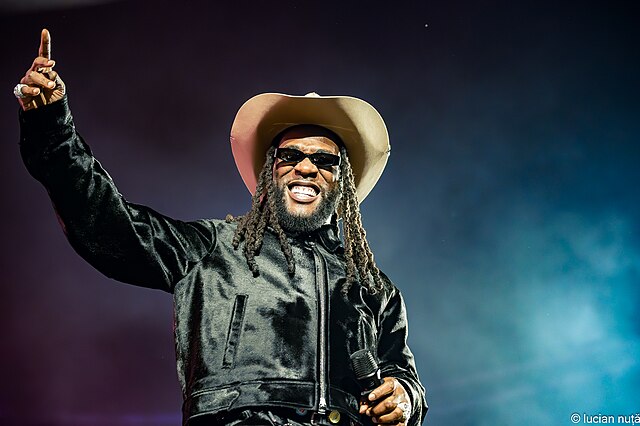
African music has always transcended mere sound. It is memory incarnate, ritual transformed into rhythm, protest given voice, and joy made manifest—a living pulse that carries history from one generation to the next. Over centuries, that pulse has traveled across oceans, first carried by force through slavery, later shared by choice through cultural exchange. From the griots’ ancestral songs echoing through West Africa to Burna Boy’s electrifying performances filling stadiums in New York, African music has remained the beating heart of global creativity.
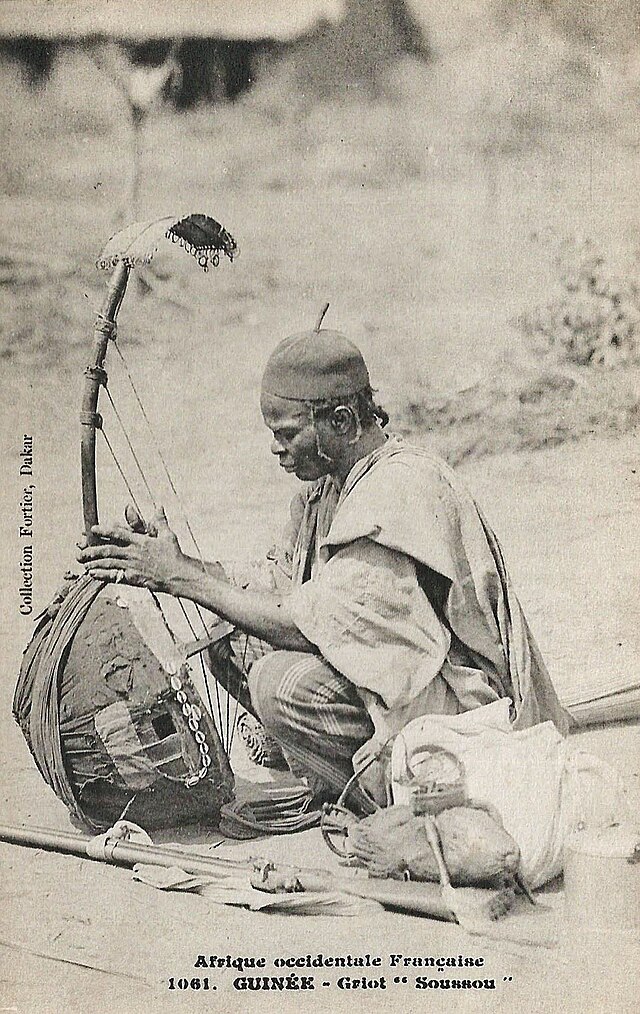
Long before colonization, music was intricately woven into daily life across Africa. In Mali and Senegal, griots wielded the kora like master historians, their melodies serving as oral libraries preserving centuries of wisdom. In Nigeria, Yoruba talking drums “spoke” across villages, carrying messages that words alone could never convey. Along the Swahili coast, taarab orchestras blended African melodies with Arab and Indian influences. In Ethiopia, sacred chants carried millennia-old devotional traditions.
This was not entertainment as the West would later define it—this was history made audible, identity transformed into song.
The transatlantic slave trade tore millions from their homes, but the music proved unbreakable. On plantations throughout the Americas, enslaved Africans sustained their identities through rhythm, transforming work into worship, survival into song.
Call-and-response work songs evolved into spirituals, then blues, gospel, and jazz. In Brazil, Cuba, and the Caribbean, African percussion became the foundation for samba, rumba, and reggae. Even the banjo descends from the akonting, a West African string instrument.
What survived was more than rhythm—it was a seed from which the vast tree of modern Western music would grow.
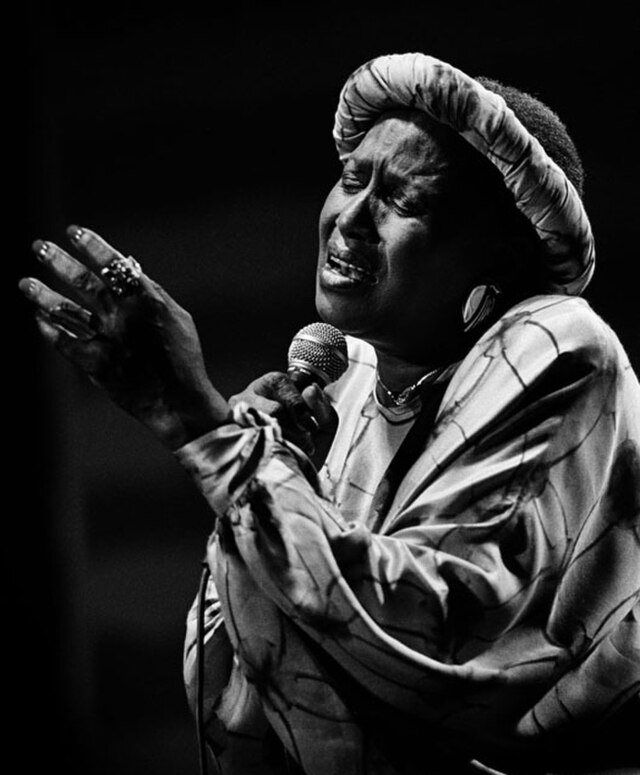
During colonial rule, African music evolved despite systematic suppression. When drums were banned, musicians adapted with ingenuity. In Ghana, highlife fused brass bands with African rhythms. In Nigeria, juju and fuji drew from Yoruba traditions while embracing modern instruments.
Congolese rumba offers a fascinating example: sparked by Cuban records that had themselves been influenced by African rhythms, musicians transformed this “return” music into something distinctly local. In Ethiopia, Mulatu Astatke pioneered Ethio-jazz, weaving traditional scales into American jazz structures.
Out of hardship, African musicians never stopped creating—and reshaping the global sound.
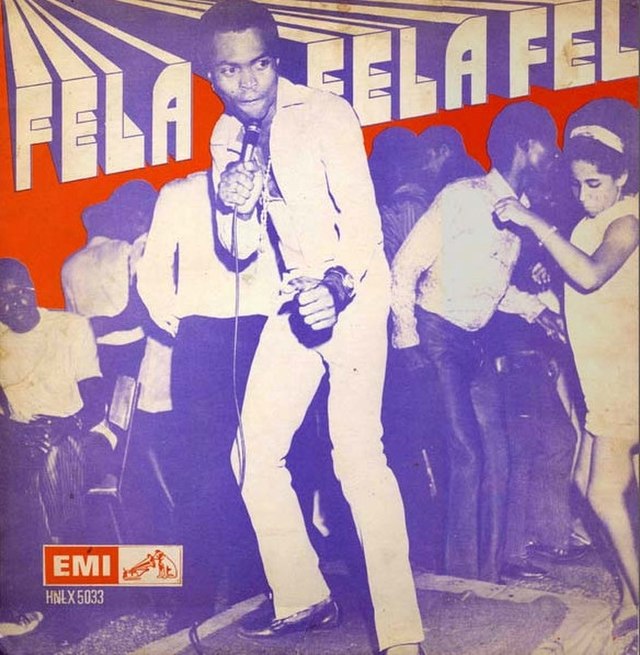
By the mid-20th century, music had evolved into a voice of political freedom. In Nigeria, Fela Kuti forged Afrobeat—a revolutionary fusion of Yoruba rhythms, funk, and jazz, delivered with searing political critique. Ghana’s Ebo Taylor and A.B. Crentsil pushed highlife into jazz territory, proving tradition could fuel experimentation.
In apartheid South Africa, Miriam Makeba carried the anti-apartheid struggle onto world stages. In Senegal, Youssou N’Dour modernized mbalax while carrying Senegalese culture globally. These artists transformed rhythm into resistance, wielding sound as both art and weapon.
The 2000s brought transformation through technology. Satellite TV, mobile phones, and internet connectivity allowed music to travel across Africa faster than ever. Nigeria’s 2Face Idibia made “African Queen” (2004) a continental anthem. M.I. Abaga brought sophisticated hip-hop, while P-Square and D’banj filled dance floors from Lagos to London.
East Africa’s Diamond Platnumz transformed bongo flava into a continental force. Kenya’s Sauti Sol perfected Afro-fusion harmonies. Uganda’s Bobi Wine later transformed musical fame into political action. This decade laid the foundation for global dominance.
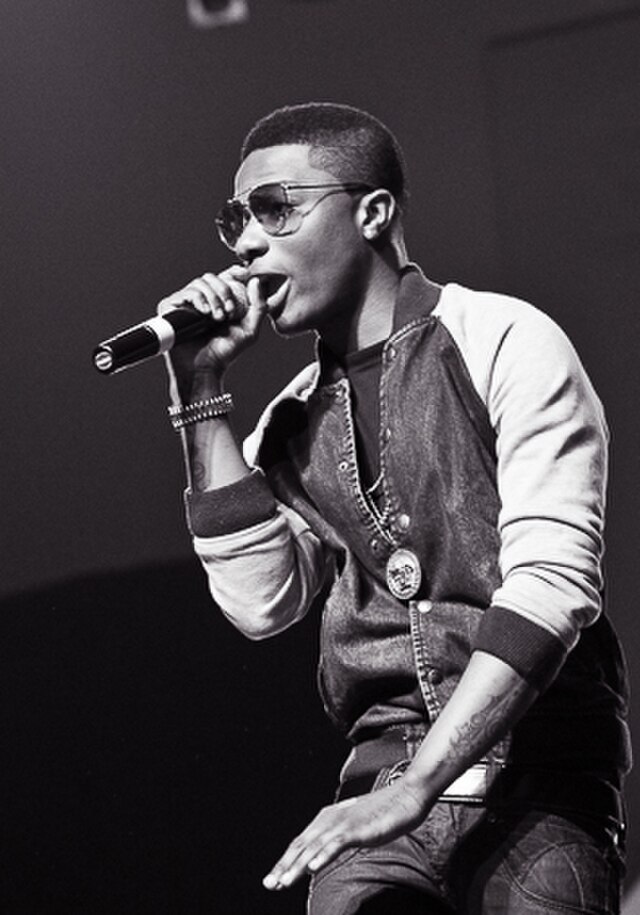
The 2010s marked African music’s definitive breakthrough. YouTube and streaming platforms democratized distribution, carrying African sounds to new global audiences. When Wizkid’s “Ojuelegba” caught Drake’s attention, their collaboration “One Dance” soared to global No. 1, introducing millions to Afrobeats.
Davido’s “Fall” shattered U.S. records, while Tiwa Savage signed with Roc Nation. Ghana’s Sarkodie made Twi rap internationally viable. South Africa’s Black Coffee became a world-renowned DJ. The world was finally dancing to Africa’s rhythm.

The 2020s confirmed complete takeover. Burna Boy won Grammys and sold out Madison Square Garden. Wizkid and Tems’ “Essence” became a global phenomenon. Rema’s “Calm Down” became the most-streamed African song in history.
New voices emerged: Ayra Starr, CKay, Fireboy DML, and Omah Lay. South Africa’s amapiano exploded globally, with Tyla’s “Water” winning the first Grammy for Best African Music Performance. Ghana’s Black Sherif gave drill music emotional depth. DJs like Uncle Waffles carried African sounds from Berlin to New York.
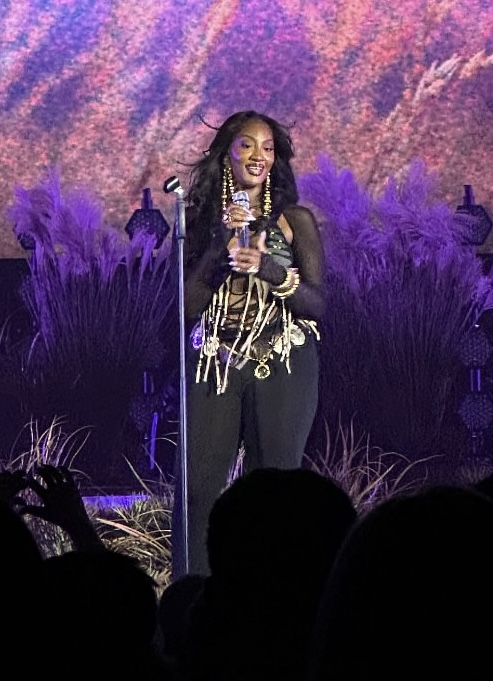
African music’s global capture stems from three essential elements:
What began as ceremonial chants, talking drums, and survival songs has become the heartbeat of global pop culture. Yet through extraordinary change and international success, African music has never lost its roots.
Burna Boy channels Fela’s revolutionary spirit. Tyla rides township rhythms to international acclaim. Tems redefines vocal elegance on world stages. The connection between past and present remains unbroken.
Today, the reality is undeniable: Africa is not merely influencing global music—it is leading it. From Lagos studios to Nairobi clubs, from Addis Ababa booths to Accra concert halls, from Johannesburg townships to Kampala neighborhoods, the beat that once moved villages now moves the entire world.
The rhythm continues, stronger than ever.