

Detty December has returned, and across West Africa, cities like Lagos and Accra are preparing for the annual surge of music, culture, homecomings and nightlife. What began as a slang phrase for carefree enjoyment has grown into one of the region’s biggest cultural and tourism drivers. Each year, thousands of West Africans in the diaspora — often referred to as IJGBs (I Just Got Back) — fly home, turning December into a vibrant festival of concerts, fashion, food, travel and reunions. Their enthusiasm has positioned West Africa as a premier destination for the festive season.
More than a party season, Detty December has become a powerful economic engine and cultural export. And as 2025 approaches, its impact is clearer than ever.
Lagos and Accra are now key December destinations for young people across Africa, Black travelers from Europe and America, and diaspora returnees seeking reconnection with home. According to a report from Zawya.com, last year Lagos alone generated an estimated $76 million (₦111.5 billion) from December tourism and entertainment activity. Hotels reportedly made more than $44 million, while the short-let market added $13 million. Accra recorded similar spikes, especially during events like AfroFuture, beach festivals, and exclusive diaspora gatherings. Restaurants, nightlife venues, transportation companies, event planners, vendors, and creative workers all benefit from the seasonal boom.
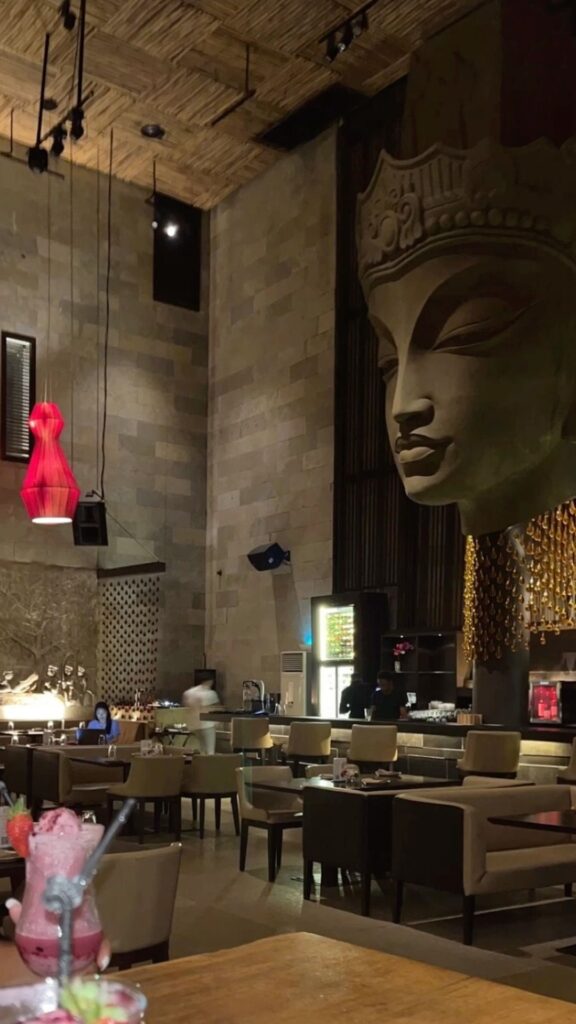
For several sectors, the economic boost is undeniable, and its impact is felt long before the festive season begins. Hotels, Airbnbs and short-let apartments experience a surge in bookings, often at prices that double during the season. Nightclubs, restaurants, lounges and bars enter their most profitable period of the year, with some venues reporting months’ worth of revenue compressed into a few weeks. Event planners, festival organizers and vendors benefit from the packed calendar of shows, private parties and corporate events. Creatives — from musicians and DJs to dancers, photographers and stylists — see increased demand for their services, while ride-hailing companies, car rentals and logistics providers thrive as city movement intensifies.
Yet the financial gains are not felt evenly across the population. As ticket prices soar and transportation costs climb, many local residents find themselves pushed out of the very celebrations happening around them. Inflation has made even mid-range entertainment unaffordable for a significant number of Lagos and Accra residents.
I experienced this firsthand in mid-December 2024. Two friends and I spent three hours stuck in traffic on our way to the Hertunba Fashion show, during which our ride fare tripled from the original negotiated price. Situations like this leave people wondering whether the season is worth stepping outside for — especially under a government unprepared for the surge.
The season’s glittering nightlife and influx of diaspora wealth highlight a growing divide: Detty December enriches the city, but it also sharpens the contrast between those who can fully participate and those who cannot.
Business owners feel the strain as well. In January 2025, talent manager Bizzle Osikoya took to X to call out a growing problem: diaspora visitors filing payment disputes after spending heavily during the holiday season. He revealed his business had received more than ten chargebacks in a week, noting that a single disputed $690 transaction could significantly hurt his finances. His complaint highlighted a wider issue — while Detty December brings economic activity, it also leaves local businesses vulnerable to losses that undermine the profits they depend on.

For Afrobeats artists, December is a homecoming. After months of touring Europe and North America, many return to perform for Nigerian and Ghanaian audiences who rarely get access to their large-scale shows during the year. Concerts — whether intimate club sets or stadium events — sell out weeks in advance. But this year’s shows have sparked considerable debate on TikTok and X around ticket pricing. Artists like Asake and Rema are selling premium tickets for as high as ₦300,000 (roughly $200 at current exchange rates), a price point many fans argue pushes live entertainment further out of reach for the average young Nigerian.
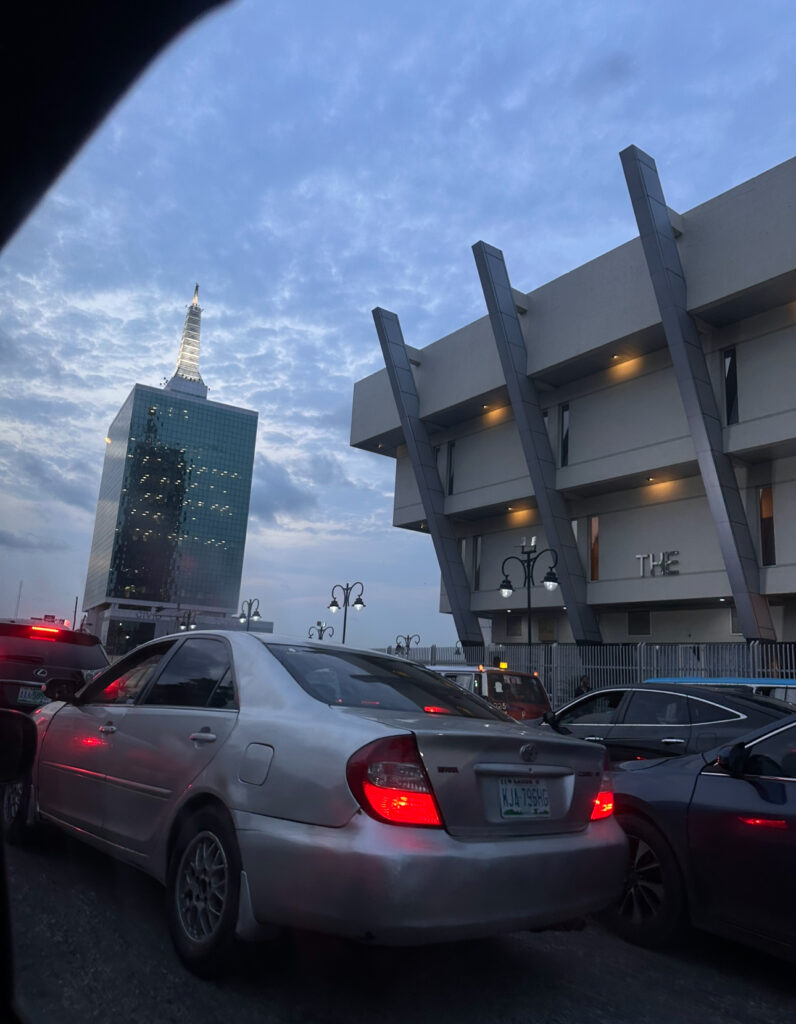
Detty December energizes Lagos, but it also exposes the city’s weaknesses. Traffic is notoriously severe every festive season, yet residents say this year feels different. Major roadworks are ongoing across several corridors — a decision many describe as baffling during the busiest travel month of the year. The repairs slow movement across the city, turning short trips into hours-long journeys. Adding to the frustration is an increased presence of task force officials. While intended to maintain order, their operations are often abrupt and poorly coordinated, creating tension on already clogged roads.
Detty December will continue to grow. The question is whether that growth will widen the gap between those who return to celebrate and those who live with the consequences.