“Necessary Fiction is coming.”
Eloghosa Osunde doesn’t say this like a casual heads-up. She says it like a prophecy. Like something already in motion. When she speaks about her second novel, her voice carries the same urgency as the text itself—a novel that refuses to sit quietly on a shelf.
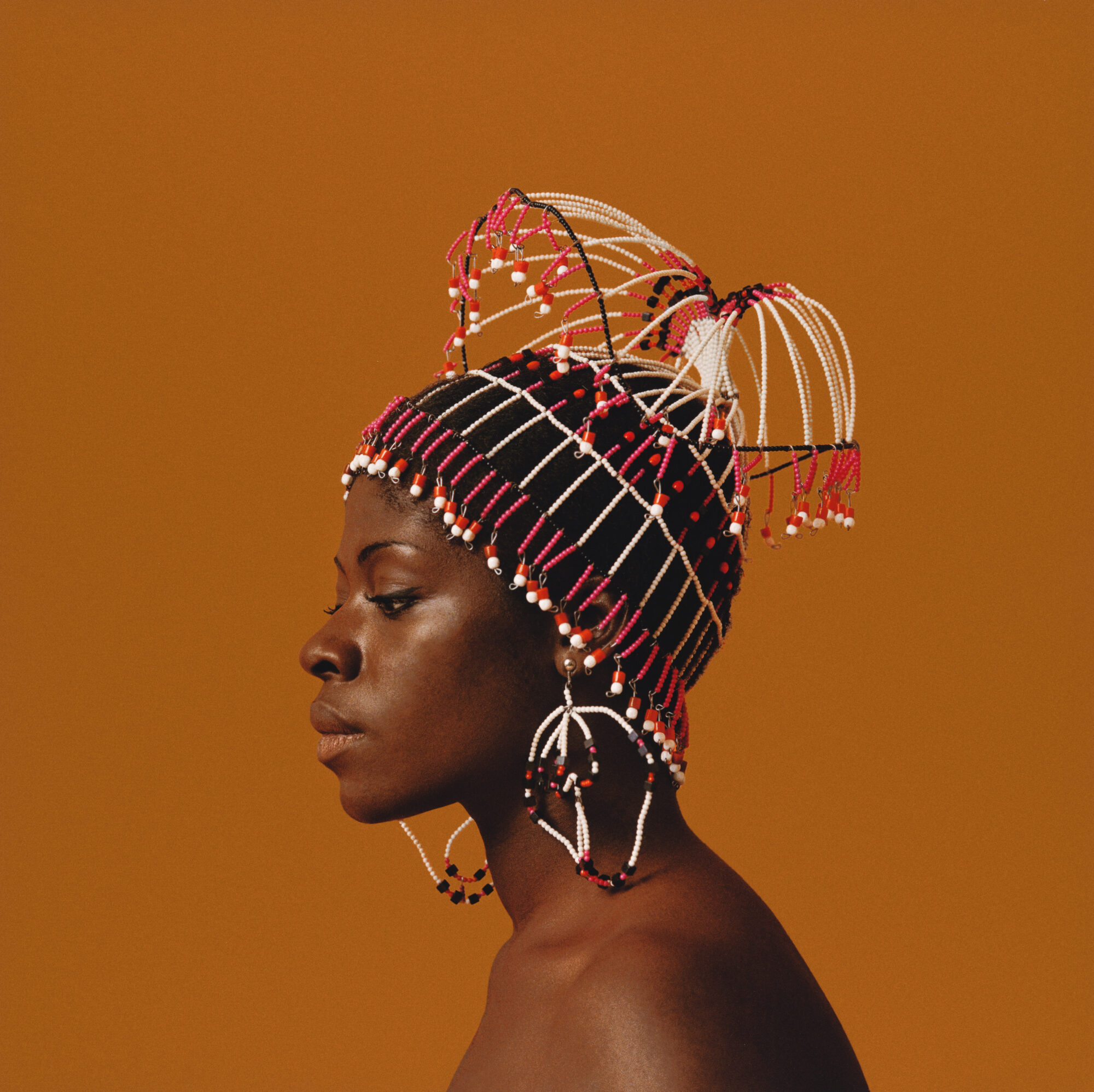
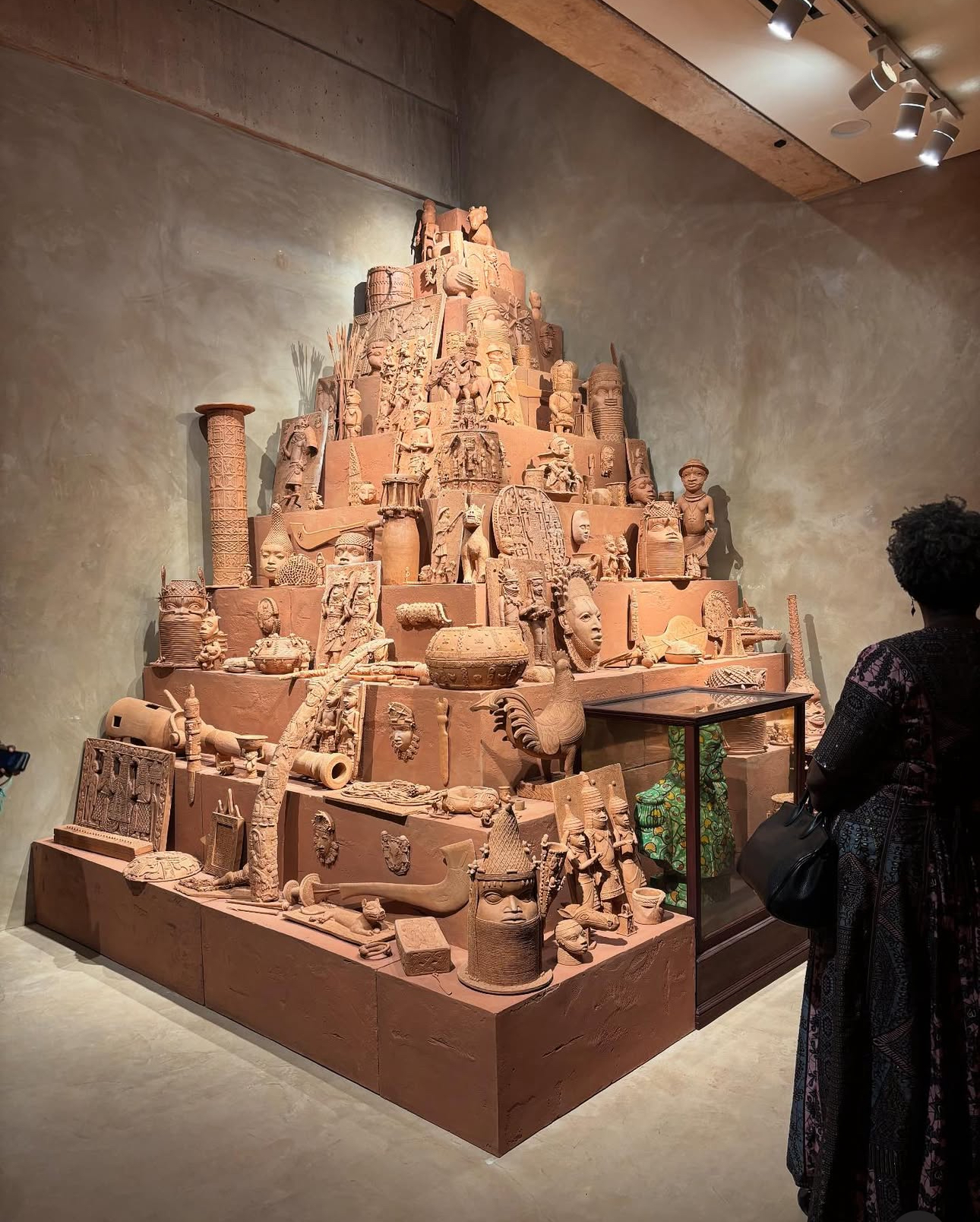
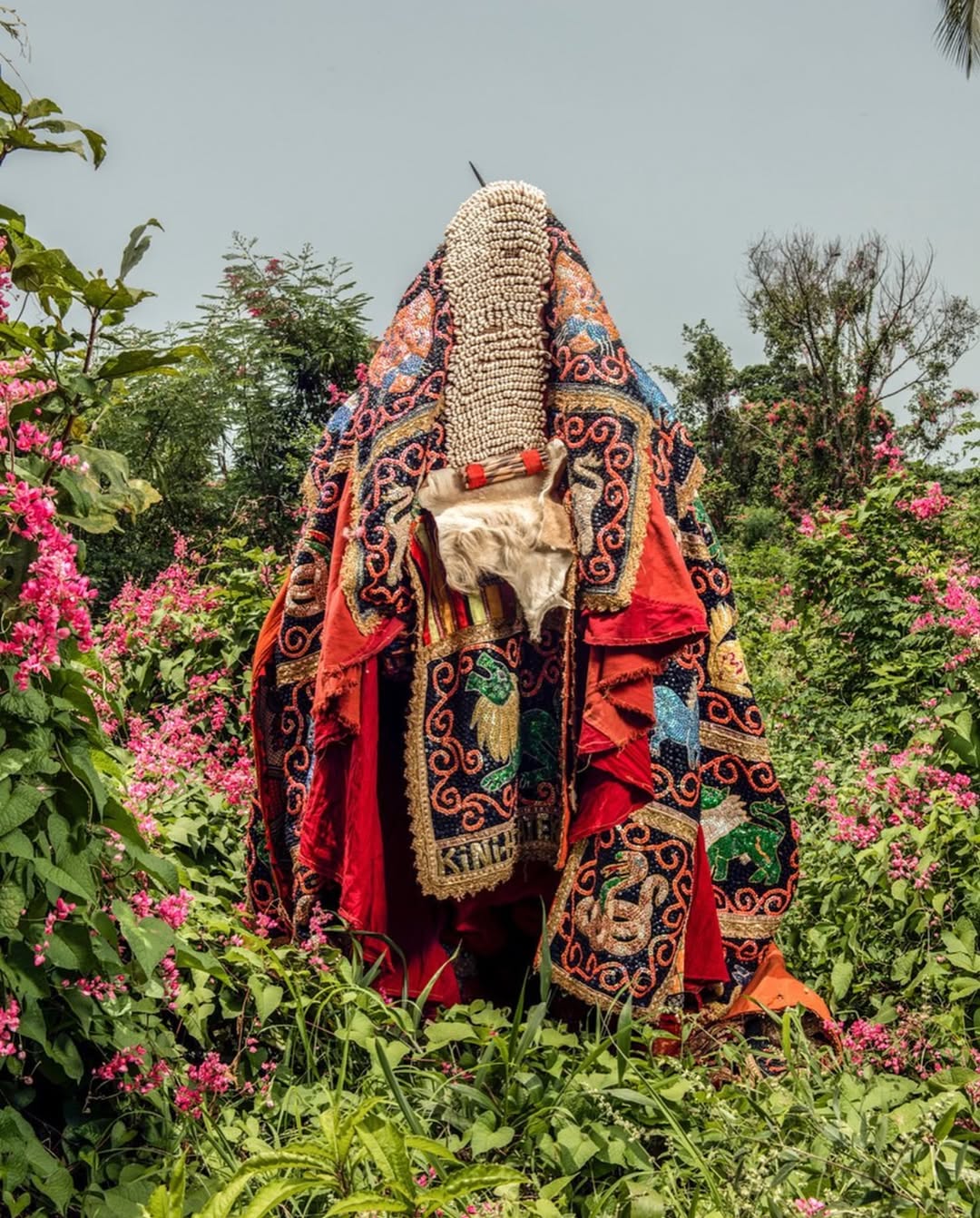
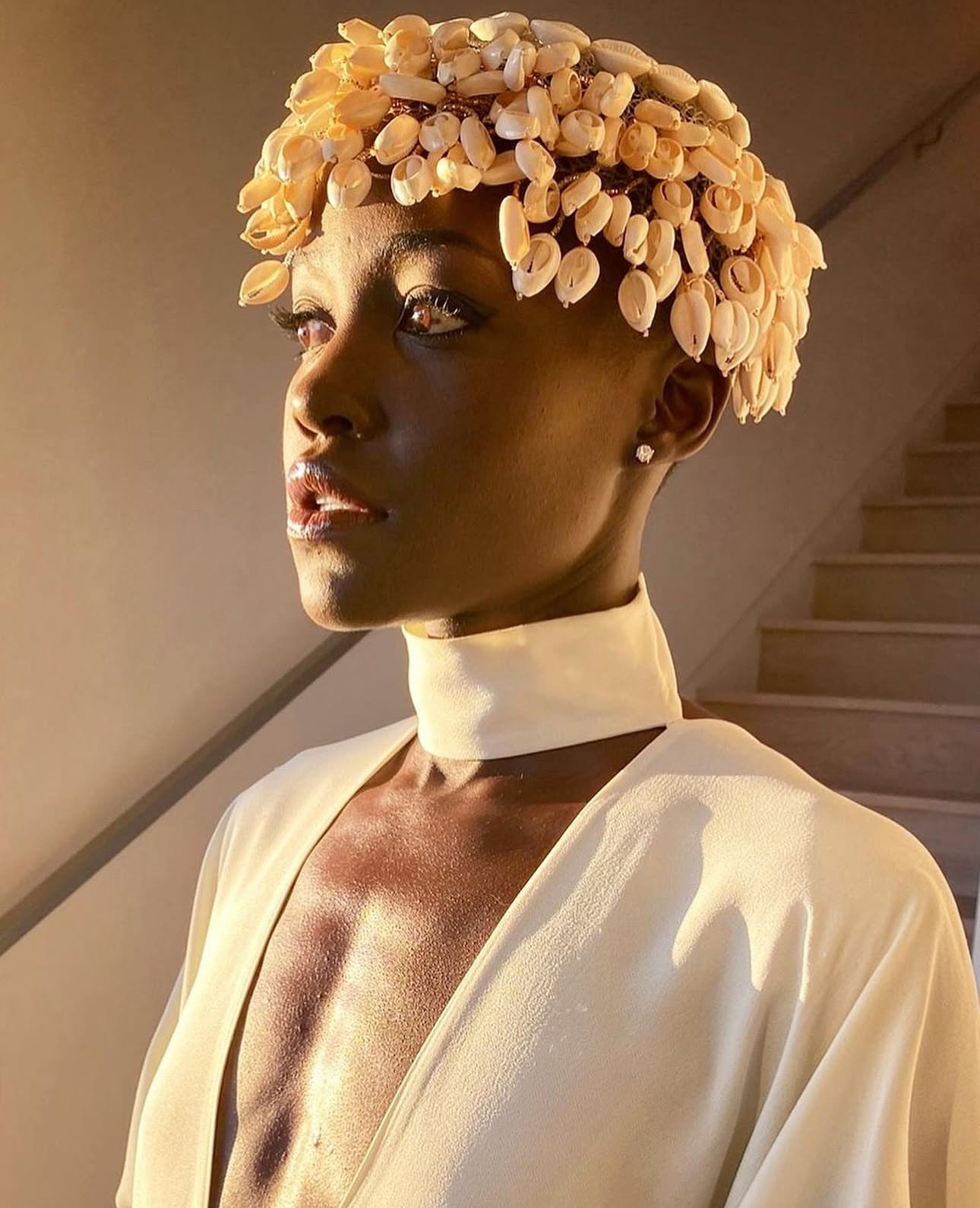
Osunde’s debut, Vagabonds!, shook tables in 2022—a sprawling, surreal Lagos of magic and grit that made readers stop and listen. Now, with Necessary Fiction, she returns louder, sharper, and in full color. The book is not just a book; it’s an entire ecosystem—fashion, photography, sound, performance. It’s a novel as cultural installation. And Osunde, finally ready to stand at the center of the storm, is steering it all with intention.
I caught up with the artist mid-tour, fresh from Lagos and Abuja, en route to New York and London to talk about building worlds, radical love, and what it means to write as a Nigerian artist in global conversation.
On world-building and creative control
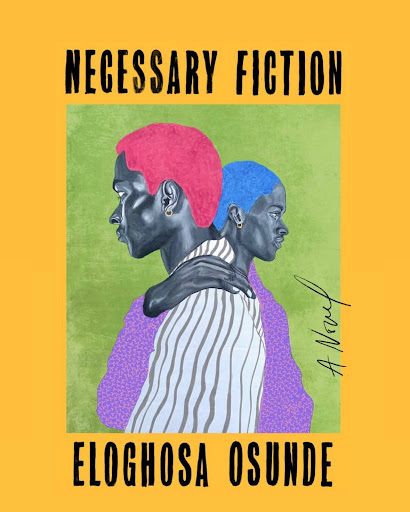
What inspired the visual and cultural world of Necessary Fiction, and how does it reflect your identity as an artist?
“The title of the work has been my primary guide… I never had to rack my brain to figure out what this work would be named. It told me, and so it was.”
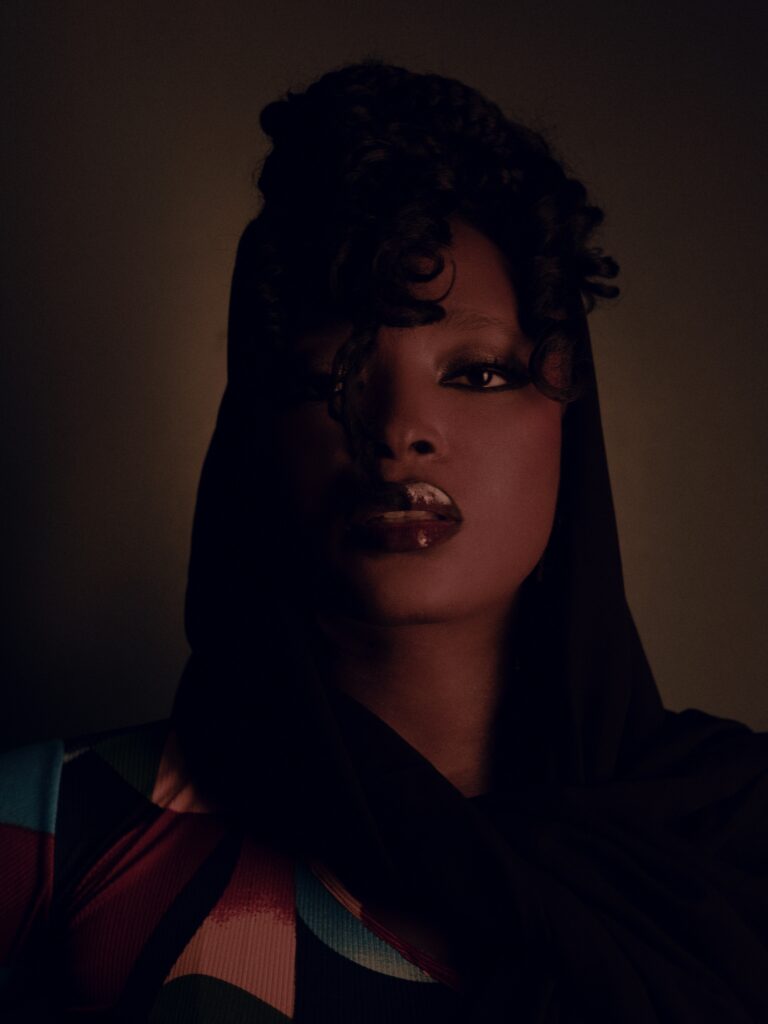
Osunde moves like someone who doesn’t separate text from texture. Everything—cover, photoshoots, interviews, even the 13-actor audiobook recorded across three continents was orchestrated with care.
“We have moved with intention. The story around the story also had to be striking, true to the present, and have a lingering effect, because the novel itself is that way. It’s an unapologetic disruptor, and my work as its author is to stand behind and beside and ahead of it with that same energy.”
For Osunde, art is never just ink and paper. It’s sound, silhouette, atmosphere.
“With the world around this novel, we’re going for an overlap between in-your-face and surreal, because yeah, that is what the book itself is.”
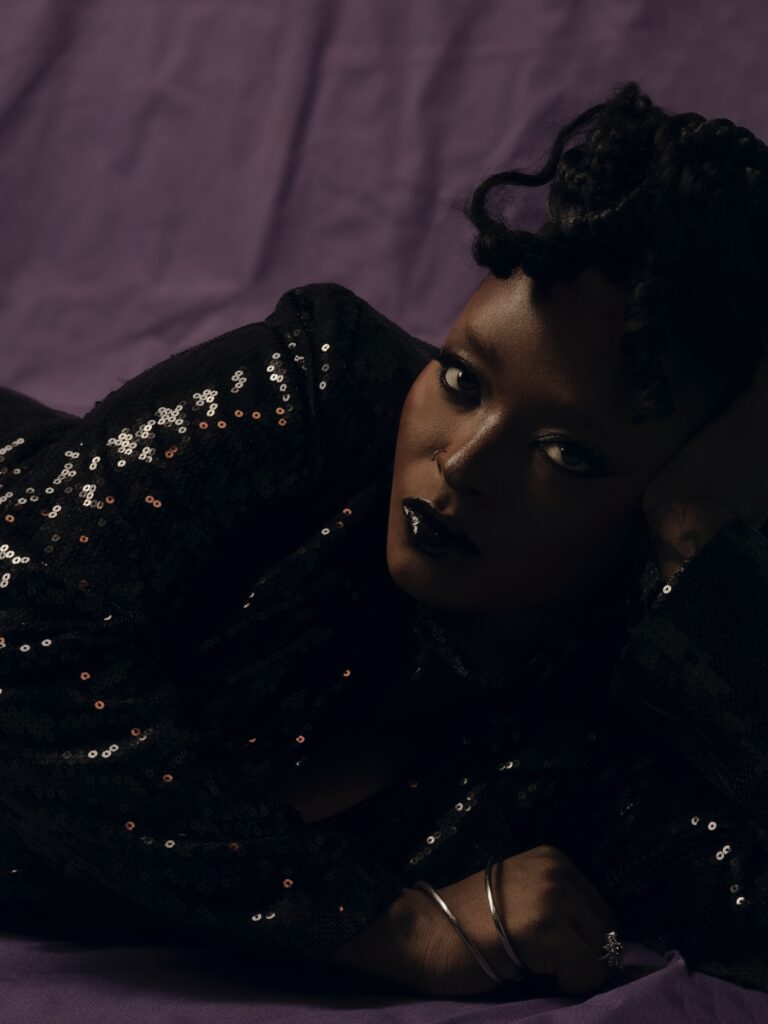
The phrase “Necessary Fiction is coming” has already started to hum across timelines and city walls. Osunde calls it a mantra, a warning, an invitation.
“Many of us are asking similar questions right now about family, freedom, and the future. This book is about that. It’s for anyone who sees themself in it… Necessary Fiction has a larger footprint and mandate than Vagabonds! did. That was clear to me even in its making. With ‘Necessary Fiction is coming,’ I’m affirming aloud that look: I know what’s about to happen is another madness entirely, a global fever. And it is coming, inevitably.”
She pauses, then adds with certainty:
“I have grown. I am sure. I have been shown what I needed proof of. I’m present.”
On fashion as language
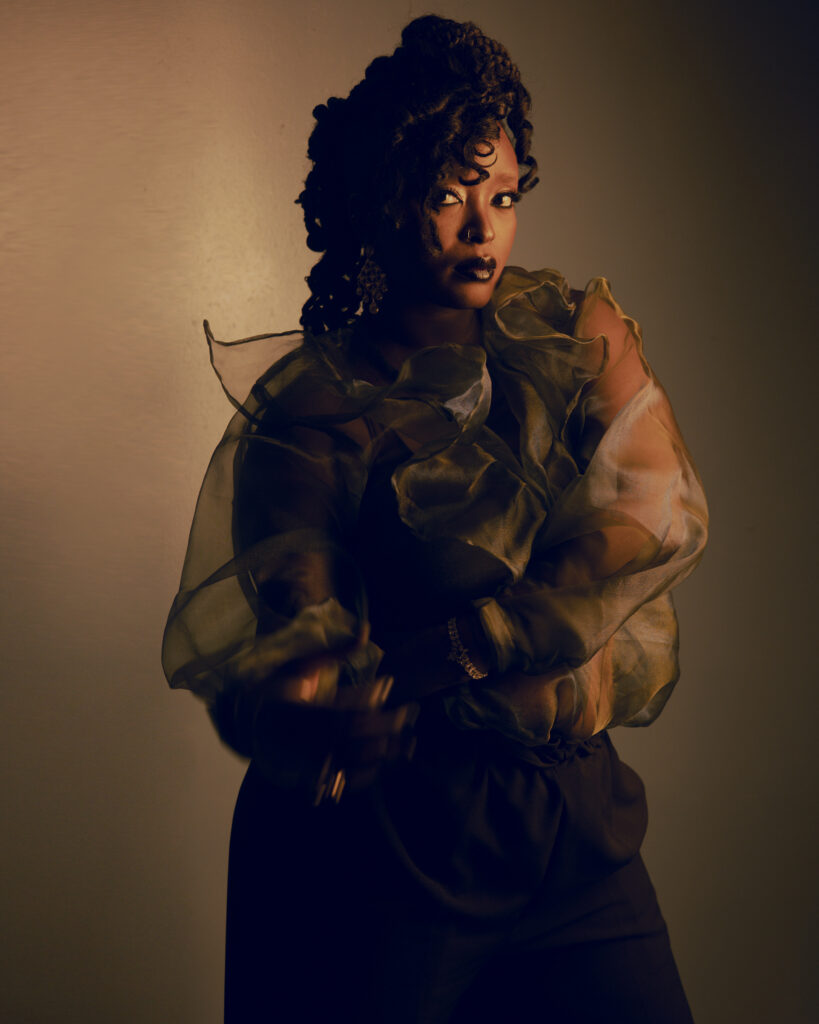
How does fashion shape your creative process—from writing the book to curating your tour?
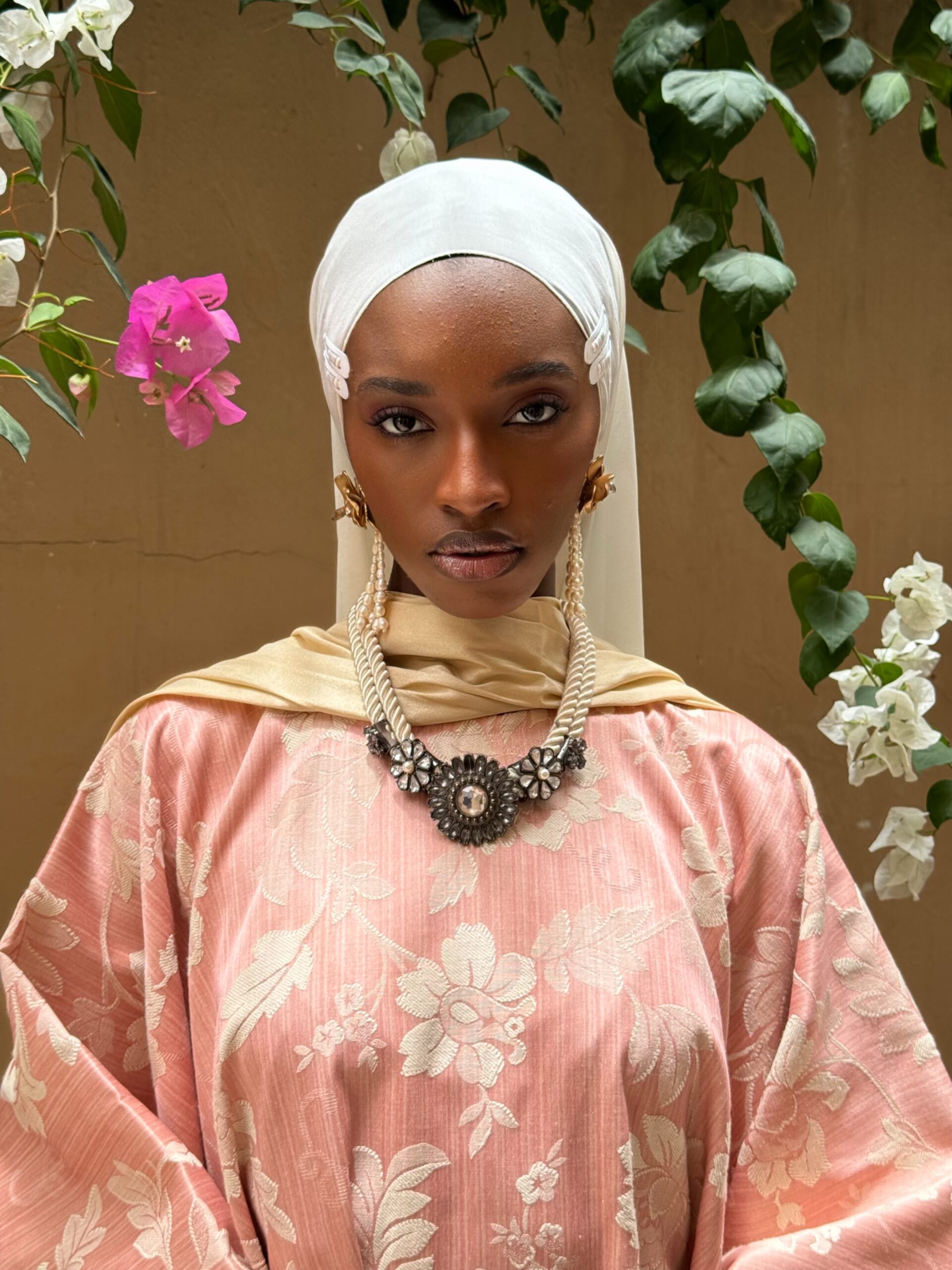
“Necessary Fiction being a very embodied book, featuring audacious and sexy people across multiple generations, I thought about outfits a lot, and that bled out into the texture of the scenes… Beyond being privy to their voices and the music they listen to, seeing my characters’ sense of style in my mind helps me transcribe them with more accuracy.”
For Osunde, fashion is more than a look—it’s narrative architecture.
“Each look is a snapshot of a mood or moment… For the tour, I have been showing up at different volumes: sometimes dialled up to the max, other times dropping it to a whisper. How I feel in this moment is creatively free. I want to try everything that makes me feel good.”
On heritage, storytelling, and being unapologetically Nigerian
As an African artist, how do you weave your heritage into your work?
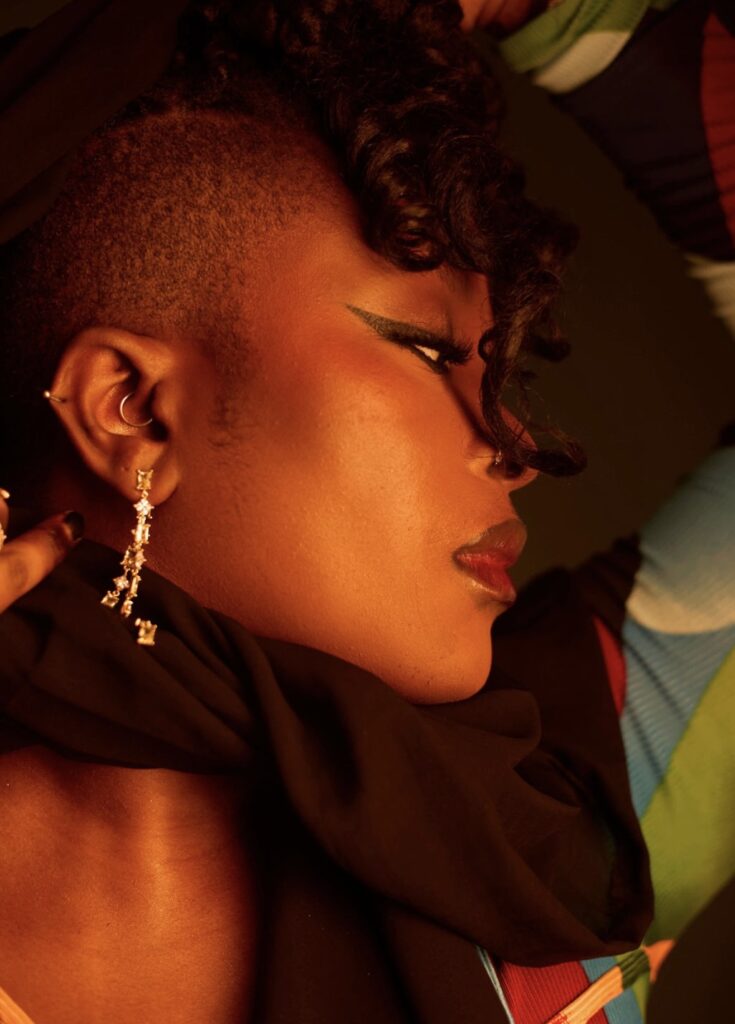
“By showing up as myself. My heritage shows up when I write stories that are culturally specific and rooted in my interests. Like, you won’t find me trying to make my prose pristine, or scrape the pidgin out of the dialogue, because those are my highest delights.”
She grins when she talks about the audiobook:
“It matters to me that the work I make is globally sound while sounding Nigerian, feeling Nigerian, and reflecting the spirit in which it was made.”
When asked which chapter defines the cultural core of Necessary Fiction, Osunde doesn’t hesitate:
“That Year. It is radical—in the right now—to make life work with the people we already love. It’s radical to be your full flawed self next to others who are also the same.”

On African storytelling and freedom
Do you hope Necessary Fiction redefines African storytelling?
“I don’t actually. I like where African storytelling is and is heading. There are many geniuses working, and I have nothing to teach anyone. I just want to do my work as well as I can… If anything, I hope it makes us all feel more free.”
Osunde’s work refuses to be a neat answer. It’s a living question—an act of world-making that insists on presence, on possibility. Necessary Fiction isn’t just a book; it’s an atmosphere, a fever, a mirror you can’t look away from.
Want more stories like this? Subscribe to Guzangs for the latest in culture, fashion, and African creative voices.
guzangs.com/subscribe