In the town of Mthatha, nestled in South Africa’s Eastern Cape, a young girl was falling in love — not with a person, but with possibility. Thobeka Mbane didn’t yet know that fashion could be a language, a tool, even a form of resistance. All she knew was how she felt watching her mother get dressed: alive, curious, enchanted. Her mother wasn’t wealthy, but she had an innate ability to make any outfit speak. That sense of style became Thobeka’s first creative classroom.“I fell in love with her closet first,” she remembers with a smile. “Even in old photographs, she always looked so stylish. She understood fashion in a way that felt joyful — expressive.”

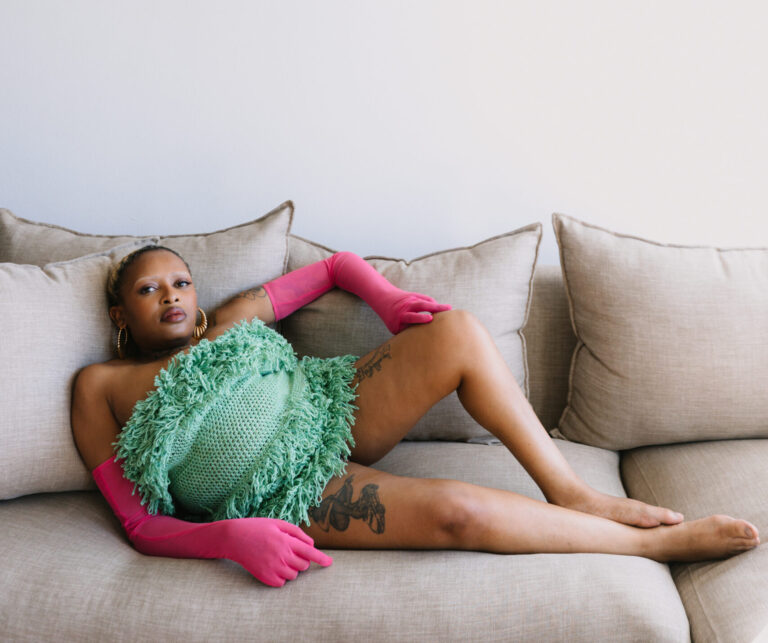
That early exposure to style as a form of expression would become the foundation of Thobeka’s creative life. Today, she’s one of South Africa’s most respected fashion stylists, and visual artists — using clothing not just to clothe, but to communicate. Her work explores and celebrates the stories of Black women and queer communities, reclaiming space in an industry that too often erases or flattens those identities. “Styling isn’t about hiding someone behind a look,” she says. “It’s about enhancing who they already are. When I style someone, I want them to feel like themselves — just louder, freer, more seen.”
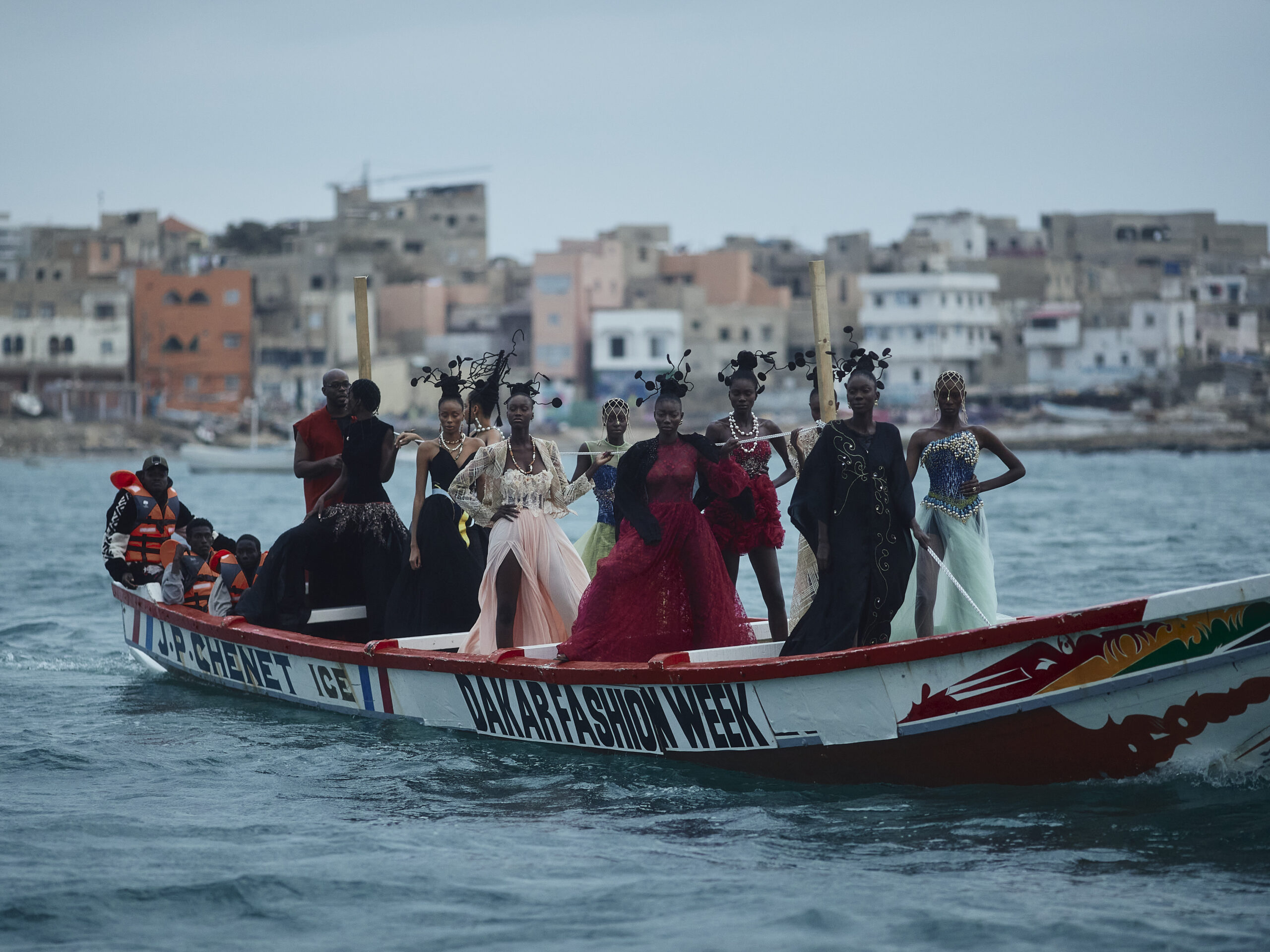
Over the last decade, Thobeka has steadily built a career that merges artistry with activism. She styled cultural icons like Miss Universe Zozibini Tunzi and musician Sho Madjozi, worked on visual campaigns for Maison Valentino and Elsa Majimbo, and directed unforgettable fashion moments for legends like Black Coffee. She’s also worked on editorials with designers like Orange Culture, Thebe Magugu .But ask her what makes a project successful, and she won’t talk about glamour or press coverage. She’ll talk about intention.
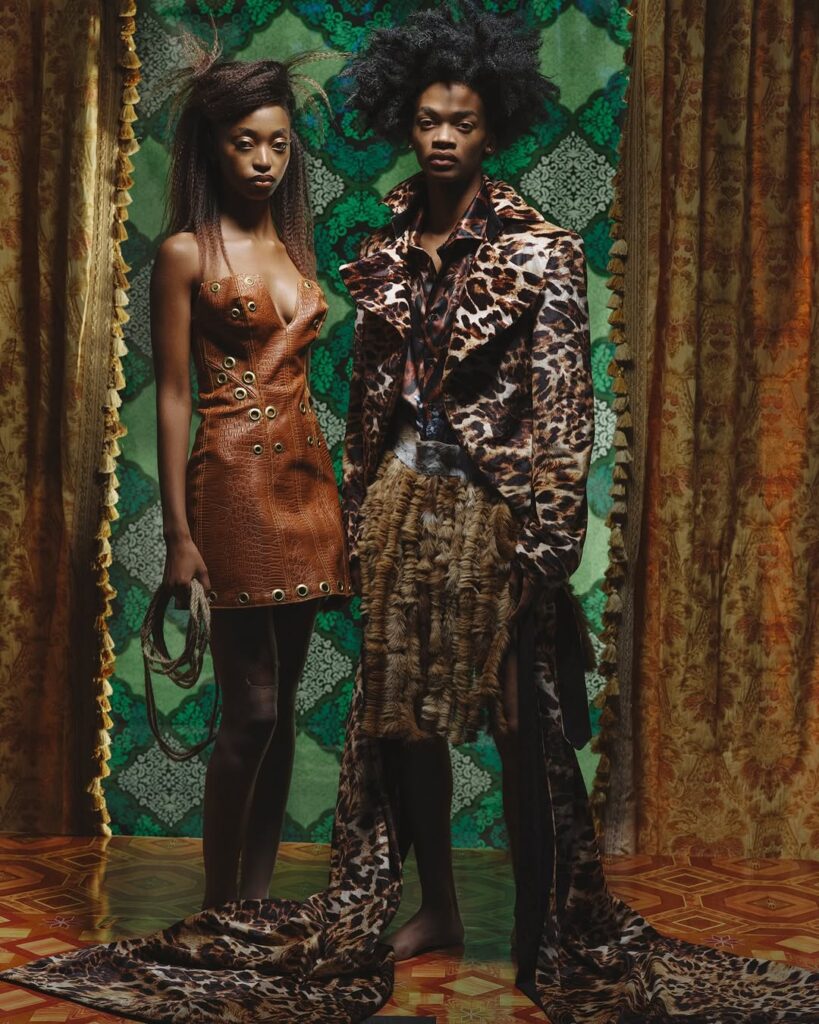
“Everything I do has to have meaning,” she says. “I’m not interested in clothes for the sake of fashion. I’m interested in what those clothes are saying.”
That mindset started young. As a teen, she found herself helping friends choose outfits — not just because she had taste, but because she understood people. Even then, styling wasn’t about trends. It was about translating personality into fabric.
Still, it wasn’t until she saw Frankie — a bold, unconventional character on the South African telenovela Backstage — that she realized fashion could be its own form of storytelling.
“Frankie was wild, expressive, fearless,” she laughs. “I didn’t know it was styling at the time, but I was obsessed. That character made me realize it’s okay to stand out. To use how you look as a statement.” Mbane added .
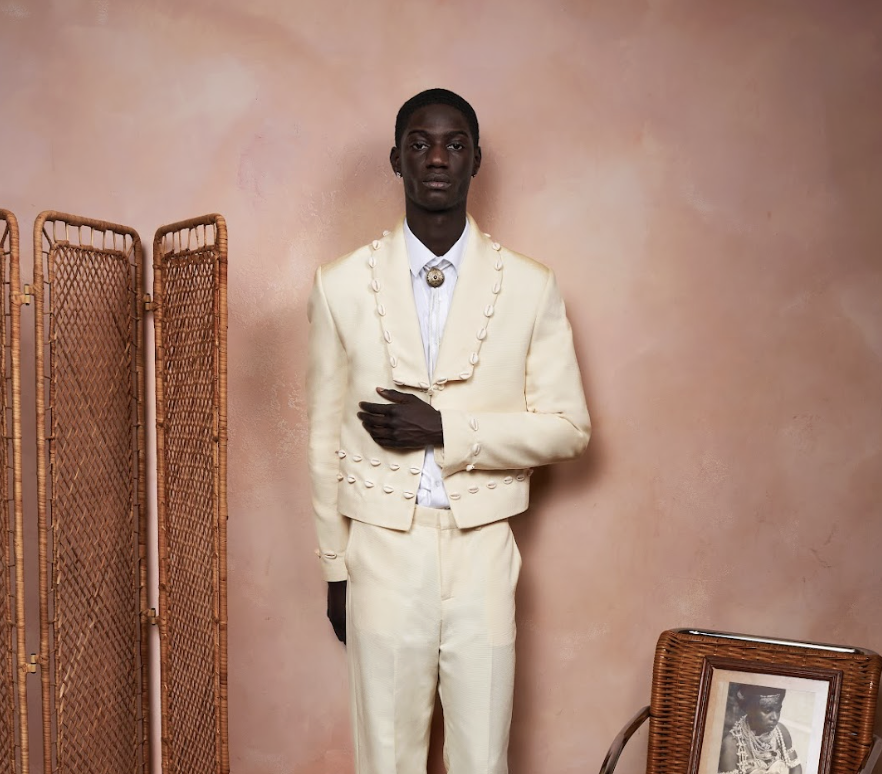
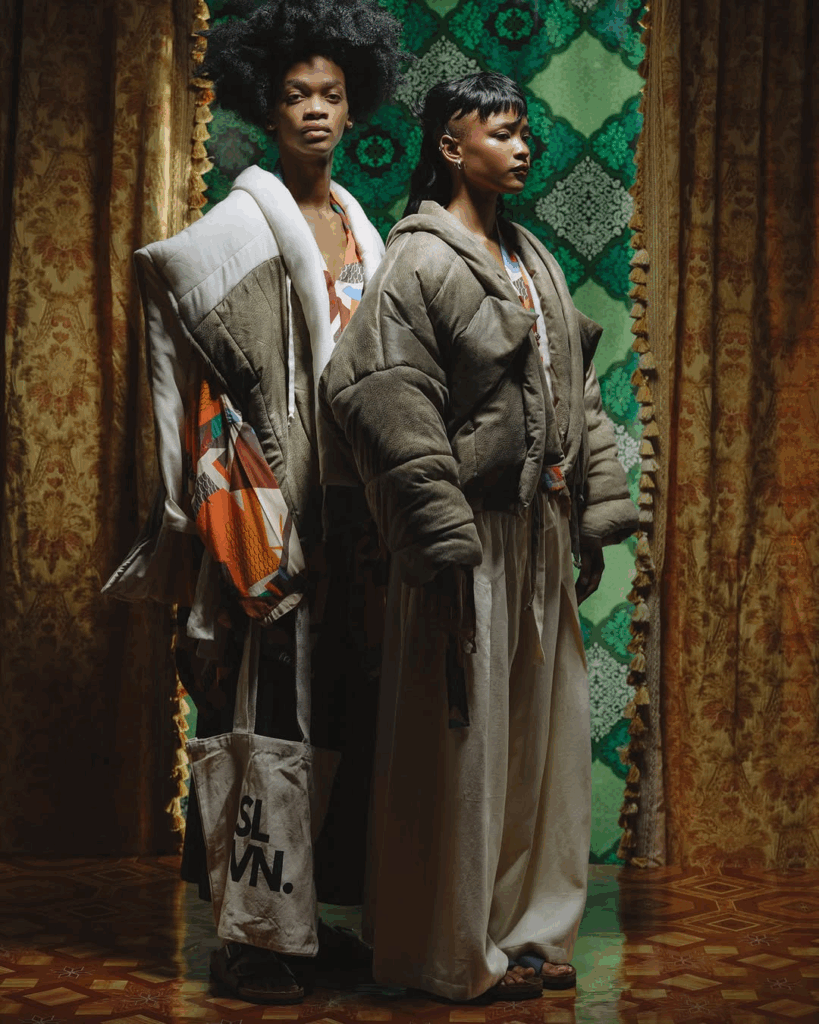
Today, Thobeka’s styling is a masterclass in contradiction: reverent but rebellious, grounded in heritage yet always looking forward. Her visual world is rich with texture, symbolism, and a fierce sense of pride in African identity. But she approaches that with care.
“Before I reference culture, I do my research,” she explains. “There’s so much depth in African tradition, and I never want to pull from it in a way that’s shallow or disrespectful. The goal is to blend the richness of the past with what’s next — to create something that feels new, but still rooted.”
This tension — between the old and the new, between identity and imagination — fuels her work. Whether she’s dressing someone for a red carpet or curating a fashion shoot in the desert, she’s constantly balancing aesthetic with authenticity.
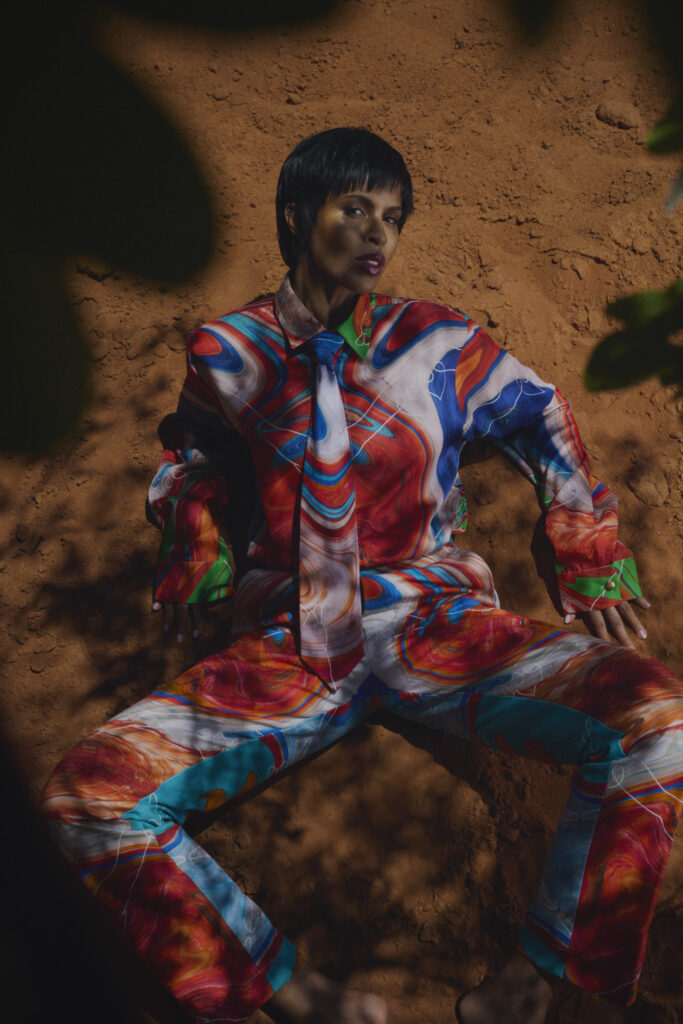
One of her most difficult and defining projects was a cover shoot with Sabrina Elba at Victoria Falls. The setting was stunning, but the experience tested her limits.
“I was dealing with health issues at the time, and physically it was so demanding,” she says. “But I didn’t want to let anyone down — especially not Sabrina, who was shooting during Ramadan in intense heat, without water or food. Watching her push through with such grace was incredible. That whole team… we were all struggling in different ways, but the resilience was beautiful.”
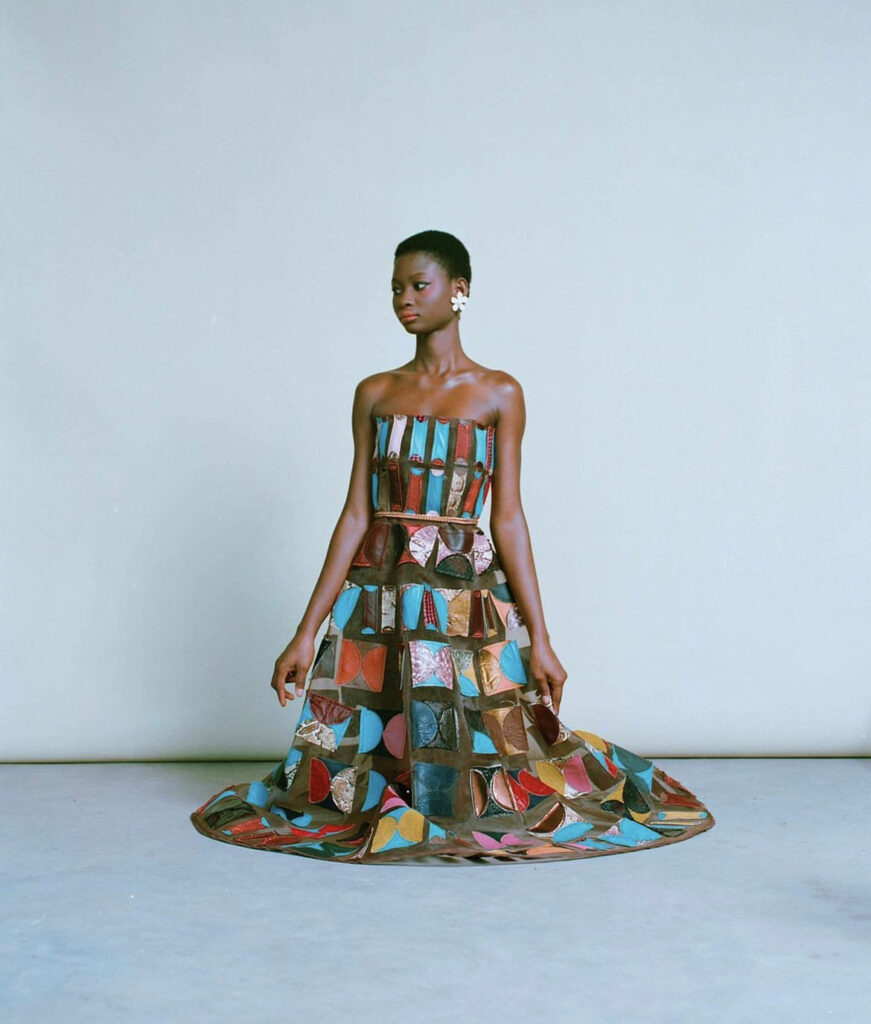
For Thobeka, inspiration is everywhere — in conversations with strangers, in the pages of obscure art books, on Twitter threads and late-night documentaries. But more than anything, she finds her spark in the people around her.
“Just watching Africans do their thing? That inspires me. There’s so much beauty in how we move, how we speak, how we dress. I get ideas just by walking through a mall.”
Music also plays a major role in her creative process. Each shoot begins with a custom playlist — a soundtrack that helps her visualize the tone before a single item is styled.
“Music sets the vibe,” she says. “It pulls me into the world I want to create, and it helps everyone on set tap into that mood.”
When asked who influences her aesthetic direction, she names IB Kamara — the fearless stylist and editor known for his bold, radical visions of Black identity.
“For the longest time, it’s been IB,” she says. “His work is boundary-breaking, and that gives me permission to push more in my own way.”
But being a stylist, especially one working with identity and activism, comes with its own pressures. There’s the assumption that it’s all glamorous, or that styling is simply about matching clothes to people. Thobeka is quick to correct that myth.

“It’s so much deeper,” she says. “Styling is emotional. It’s strategic. You’re building a character, a story, a memory. When it’s done right, people don’t just see a look — they feel something.”
That emotional intelligence — the ability to see beyond fabric and into the soul of a subject — is what sets her apart. She’s not here to follow the rules of fashion. She’s here to build her own world, where identity is the focal point and style is the language.
Now, more than ever, Mbane is redefining what fashion can be — a form of cultural storytelling, a tool for liberation, and a platform for truth.
Listen to the Guzangs playlist on Apple Music, selected by Thobeka Mbane.