


Maputo’s Modernist Moment
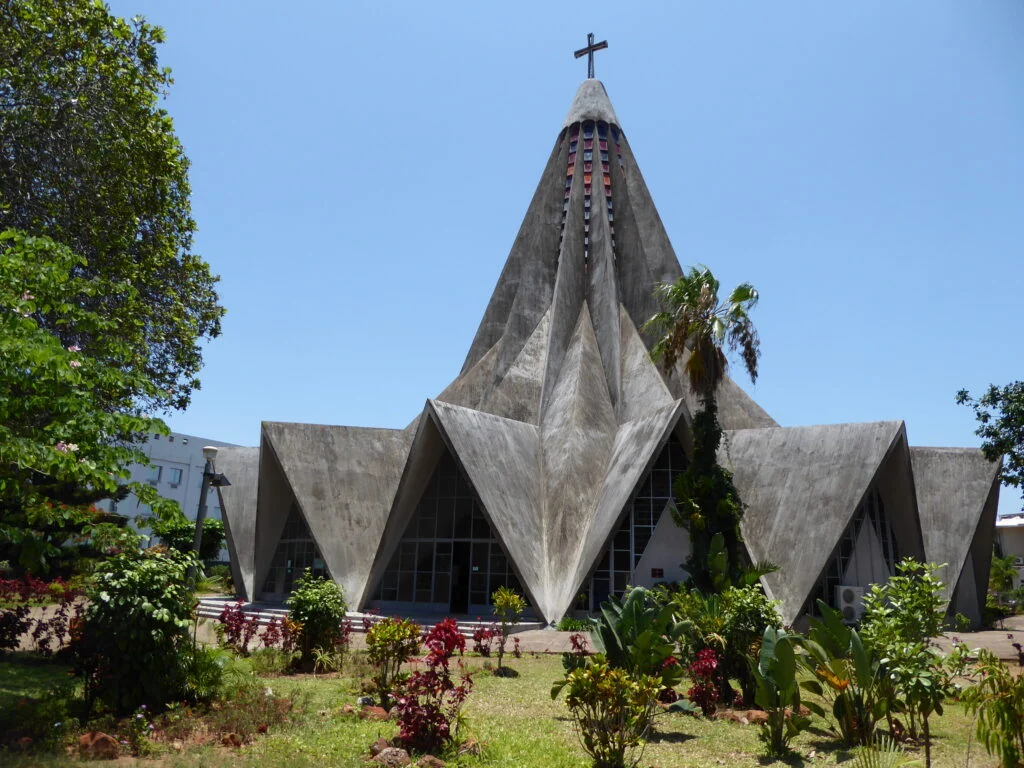
Between the late 1940s and the early 1960s, in the city then called Lourenço Marques, a generation of architects produced a body of work
At OWO 25, Accra Emerges as the New Capital of Conscious Style
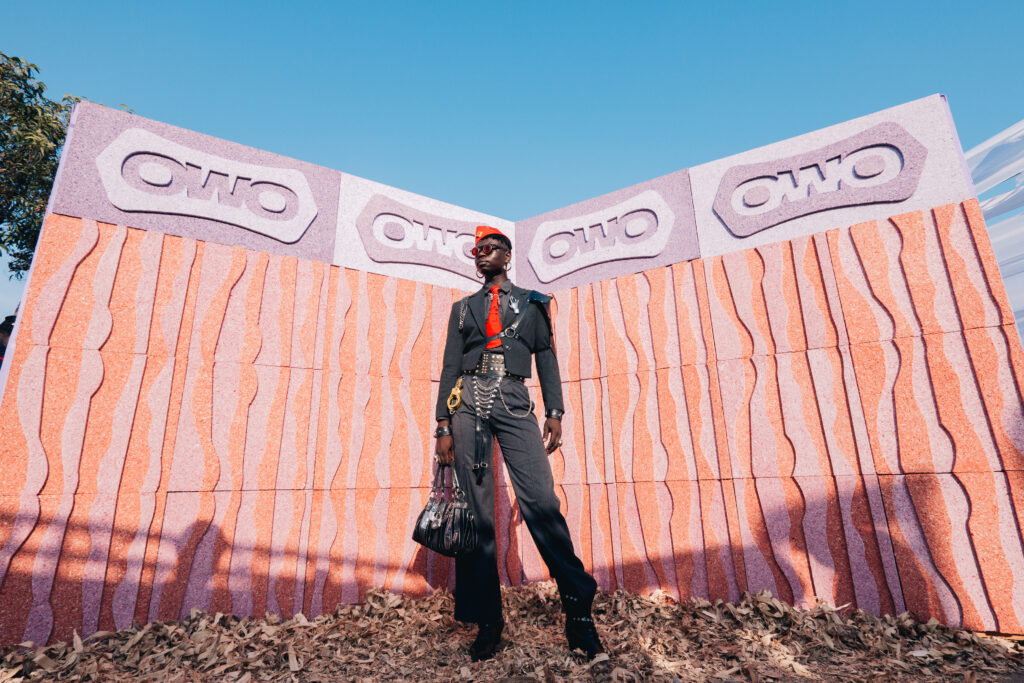
Accra’s Kantamanto Market transformed into a stage of color, ingenuity, and defiance last month. The annual
The Sustainability Checklist: African Fashion in the Age of Green Demands
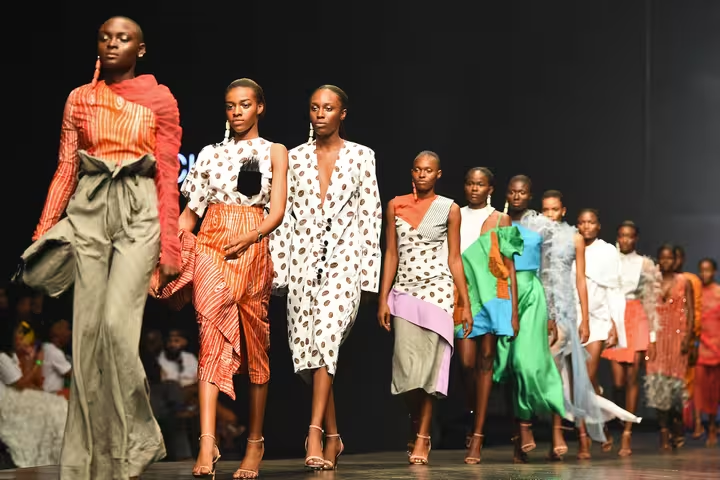
While African fashion practices have long been inherently sustainable, designers are now navigating a global system where sustainability means compliance
Woven Histories: Hair in East and Southern Africa — Ritual, Resistance, and Rebirth
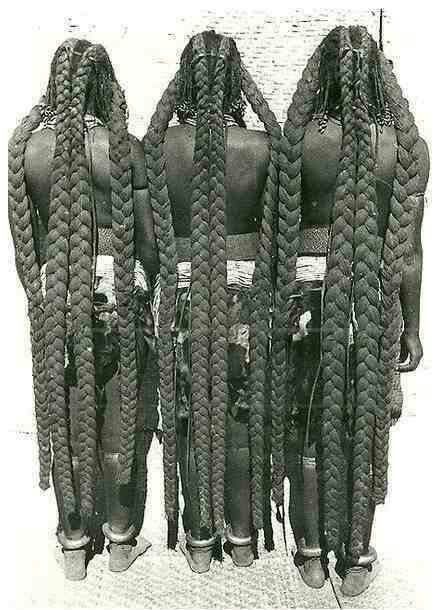
Woven Histories: Hair in East and Southern Africa — Ritual, Resistance, and Rebirth The eembuvi-plaits of Mbalantu women before the Ohango initiation ceremony, Namibia, 1930s. Photograph by C.H.L. Hahn. Collection Antje Otto. Editor’s Note: This feature is part of Guzangs’ ongoing exploration of African hair traditions, tracing their evolution from spiritual practice to global artistry. […]
Woven Histories: Hair in North Africa
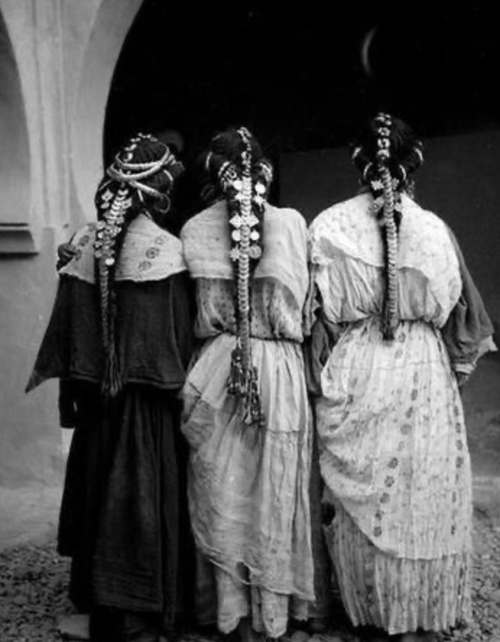
Hair across Africa has never been a mere accessory. It has long functioned as a living archive, carrying messages of lineage, spirituality, and social status. In every braid and parting, identity is inscribed. Today, conversations around African hair have widened beyond what past generations could have imagined. On Instagram, TikTok, and YouTube, hairstylists, cultural historians, […]
Woven Histories: A Series on African Hair
A three-part Guzangs series on African hair: how it has been styled, what it has signified, and how those traditions are evolving region by region. Hair across Africa has long carried lineage, spirituality, and social standing. Woven Histories traces that record across three regions, beginning in the Maghreb and ending in East and Southern Africa. […]
WORN OUT — Part III: Return to Sender
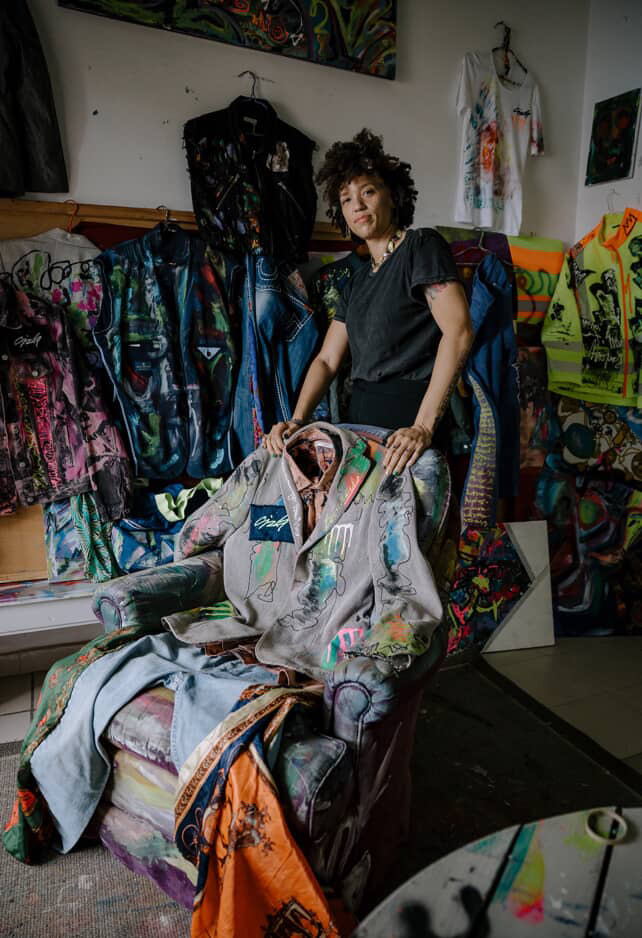
How African Designers Are Reclaiming Waste and Rewriting Fashion’s Future The bales arrive as they always have — compressed, labeled, shipped across oceans like cargo without conscience. They still overwhelm ports and markets, a visible symptom of a system that hasn’t stopped. But something has shifted in how they’re received. Across Accra, Cairo, Dakar, workshops […]
What Makes a Brand African? Rethinking Made in Africa Fashion

While African fashion has reached greater heights—the question of what makes a brand “African” resists easy answers. It can’t be answered through surface-level aesthetics or generic motifs, but instead, it demands a deeper interrogation of history, structure, and power. At first glance, one might say an African brand is one founded or designed by an […]
WORN OUT — Part II: How African Governments Are Responding to the Textile Waste Crisis
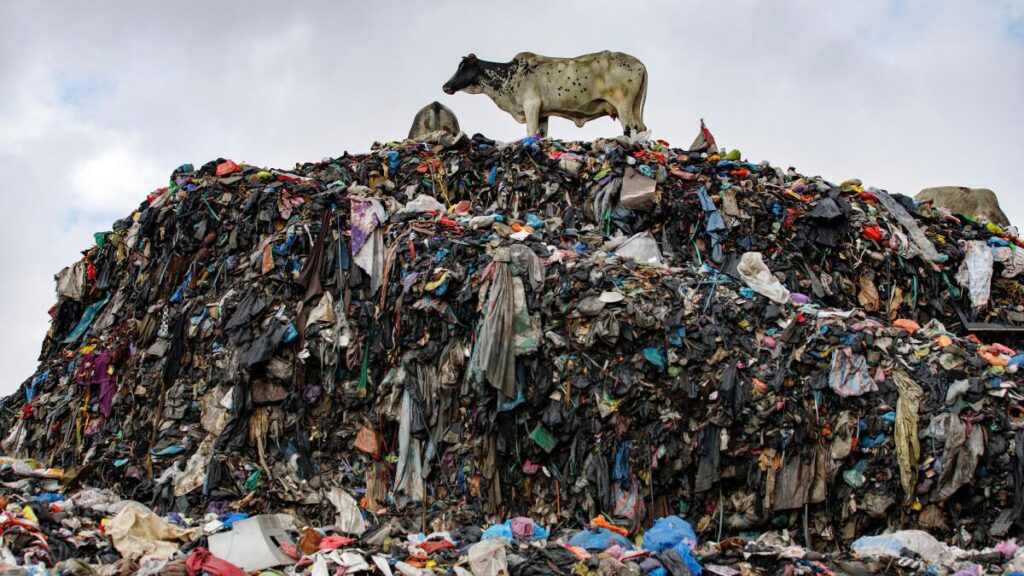
Western wardrobes don’t end in Europe or North America. They spill quietly, devastatingly onto African soil, packed into shipping containers and sold in open-air markets under the guise of “donations.” But from Accra to Kigali, Dakar to Lusaka, something is shifting. The bales keep arriving. The markets keep choking. But across the continent, a patchwork […]
WORN OUT: The True Cost of Your Donated Clothes
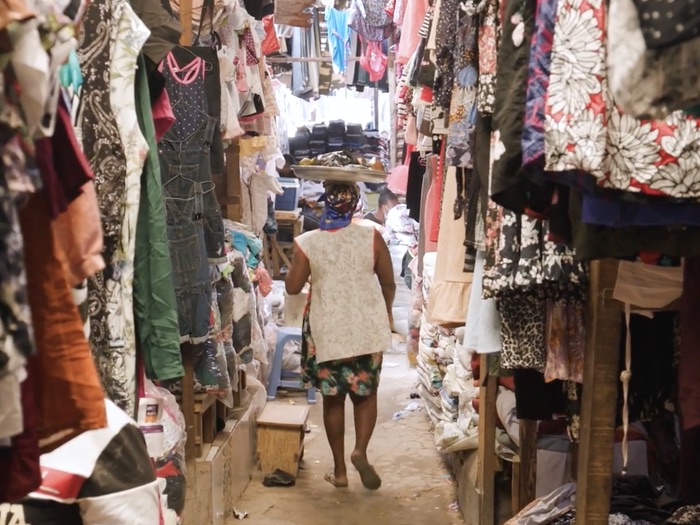
Part I — The History of a Heap Kantamanto doesn’t sleep. It breathes, wheezes, and heaves under the weight of foreign fabrics. Bales arrive daily—tightly bound, often soaked in chemical stench or rainwater from cargo ships—marked “donation” in faded marker. They are not gifts. They are transactions. They are waste. And they are profitable for […]