


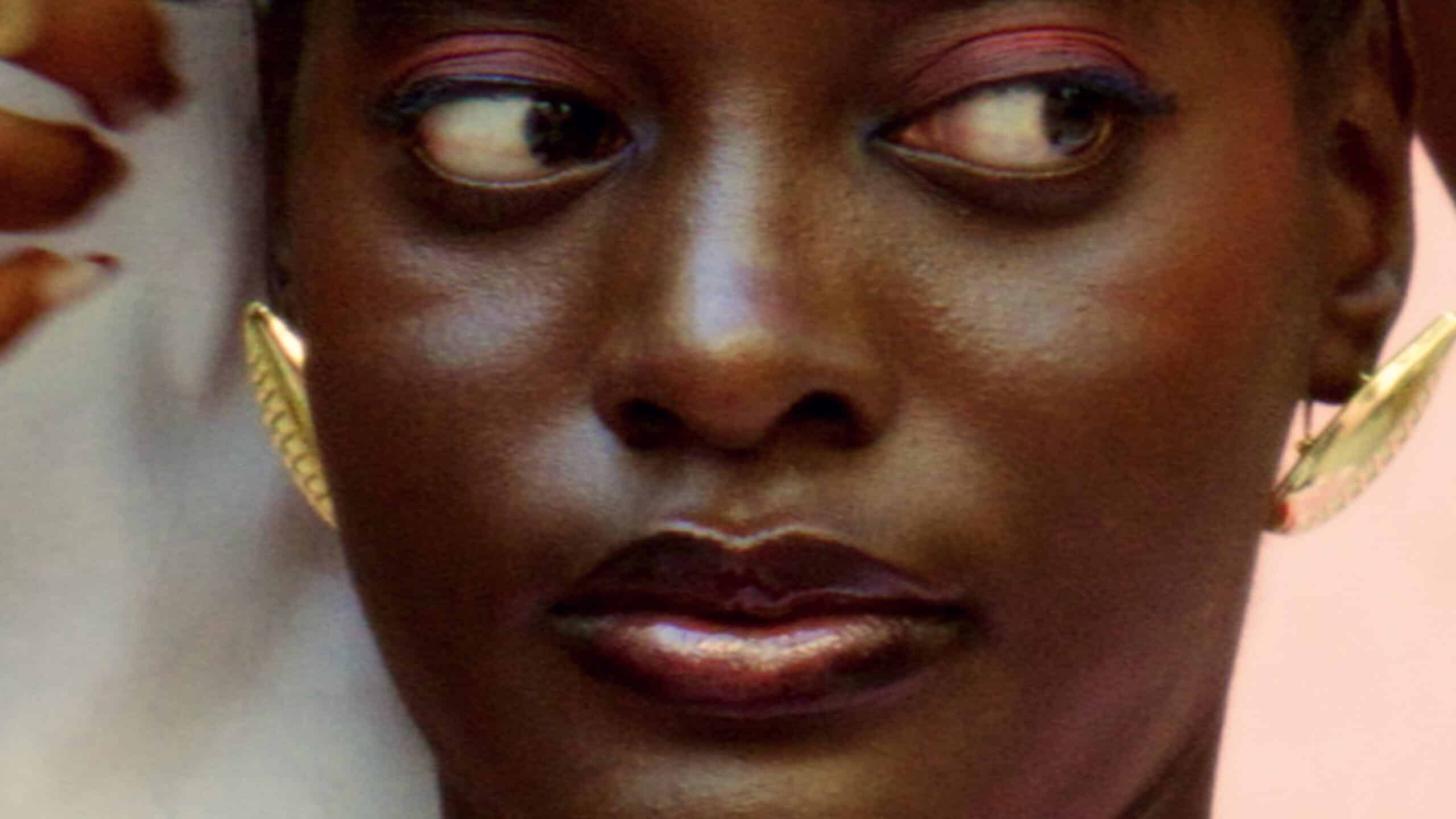
Aton Tsiba is a fashion designer by trade, but Ntufi ya Ntaba marks his debut as a filmmaker. The two facts are not incidental to each other. Shot across Dakar, the experimental short takes a haircut as its central image, examining what passes between two people in a moment of physical proximity and suspended time. It is the kind of subject that a designer would notice: the body as site, touch as language, appearance as something more loaded than it first seems.
The film is imperfect and searching, which is precisely what makes the Q&A below worth reading. Tsiba knows what he is after.
Q&A with Director Aton Tsiba
You chose a haircut as the heart of this film. What does that moment hold for you beyond grooming, memory, ritual, or something more private?
The choice of a haircut as the heart of the film originates from a childhood memory. I recall moments when I watched my mother braid my older sister’s hair, or when my uncle would give me a haircut. These moments reappear to me as sacred experiences, because of the unique connection created during them. In these instants, one can drift into imagination and self-reflection, while still maintaining a fragile bond with the person who is braiding the hair or giving the haircut. This bond can feel both intimate and distant at the same time. This is why I came to view this act as a form of ritual, due to the symbolism it carries on a spiritual level: a transmission from the one who braids or cuts the hair, and a reception by the one who is being braided or receiving the haircut.
Your fashion work is about how the body carries stories. Did working with moving image change the way you think about clothes and appearance?
Not necessarily. I wouldn’t say that working with moving image has changed the way I see or think about clothes, but one thing I am sure of is that directing has helped to develop my perception of clothing. I also feel that I now have more maturity in the way I approach themes and concepts for my future collections. The past year has felt almost like an empty year for me in terms of fashion, as I chose to explore another area of my creative practice. However, I believe there is a strong interconnection between these disciplines, where working in one field helps to strengthen and inform the others.
The film feels intimate, almost protective of its subject. How did you decide what to show and what to leave unsaid?
When I started working on the project, my intentions were clear: I wanted to focus on the emotions I could transmit to the viewers. This is why I chose to emphasize facial close-ups, in order to capture the actors’ feelings with intensity and precision. As a creative, I believe that a work of art guided by a well-controlled intention truly makes the difference. My objective was also to create a film that allows viewers to develop their own analysis and interpretation. What is said throughout the film can serve as a clue to enable the audience to deduce what has remained unsaid for the entire duration of the movie.
Dakar has its own texture and rhythm. In what ways did the city shape the mood of the film?
For me, the rawness of Dakar is what makes it an endless source of inspiration. I spent a great deal of time scouting different locations across the city, and what extended this process beyond my initial plan was not a lack of options, but rather the richness and diversity of excellent choices available. Every location I scouted could have been used in the film. I was particularly drawn to places that could evoke Central African landscapes, because even though I deeply appreciate every part of the continent I have visited, it is important for me to constantly find ways not to forget where I come from. I strive to carry this connection and include it in every piece of art I create.
Credits
Written and directed by Aton Tsiba.
Produced by Aton Tsiba and Hussein Dembel Sow.
Cinematography by Oumar Bayo Fall.
Assistant Direction by Jean Daniel Silva Alves.
Movement Direction by Nouha Sidibe.
Makeup and hair by Martha Brenda Cole.
Soundtrack by Erela.
Voice-over by Jamil McGinnis. Voice-over VFX by Ismael Nahum Nzengui.
Starring Babandin Addonis, Tendeng Geraldine, El Hadji Amadou Dia, Mane Hane, and Mouhamadou Saliou Dia.