In 2020, during one of the hardest periods of his life, Peter Odion sat quietly in his Benin City workshop, mending torn fabric by hand. What began as therapy would soon become a signature. Stitch by stitch, he transformed pain into process, and process into fashion.
That quiet moment laid the foundation for Oshobor, the brand Odion has since nurtured into one of the most distinctive names in contemporary Nigerian fashion. Rooted in ancestral craftsmanship and emotional storytelling, Oshobor is more than a label. It’s an ongoing dialogue with heritage, identity, and memory.
Odion wanted a name that felt spiritually and culturally aligned. Oshobor, meaning “the one that God protects,” felt right. Before that, the brand was called DAWN, a name that, in his words, lacked resonance.

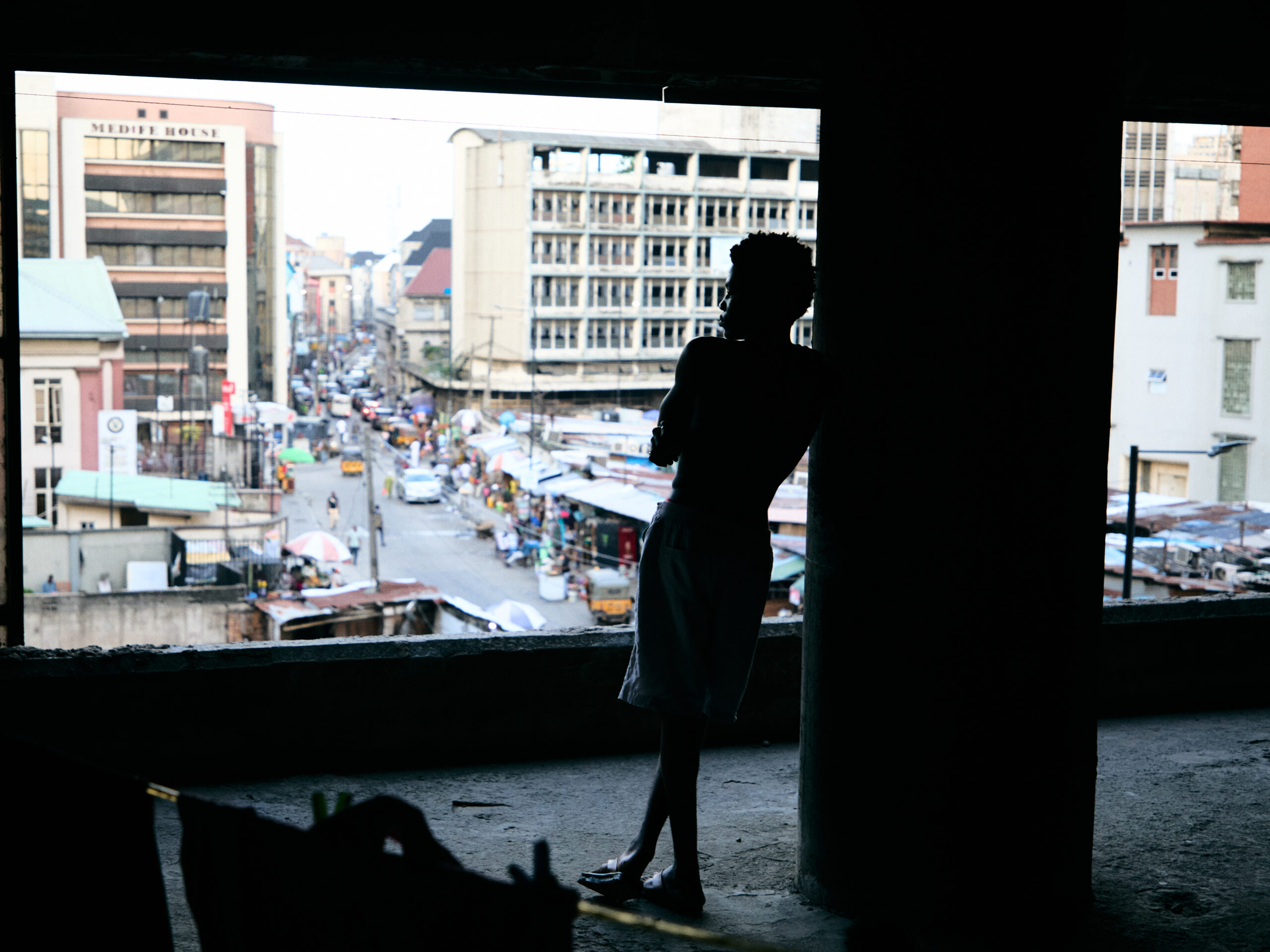
He grew up in Ejigbo, a tough part of Lagos, where creativity became his way of making sense of the world. Crocheting, repairing clothes, and working with his hands offered a quiet kind of control. Later, he studied English and Literature at the University of Benin, where the idea of a fashion brand first took shape.
After graduating in 2019, he joined a mentorship program that shifted everything. He began thinking seriously about identity—not just in personal terms, but as the foundation of a brand. “I realized I had to tap into my roots to be successful,” he says. “It had to be something indigenous. That’s how Oshobor was born.”
In 2021, he made his mark at Lagos Fashion Week under the Green Access program, which supports young designers committed to sustainable design and conscious production. Odion showed three pieces. Each one handmade. Each one emotionally charged. “It was the toughest thing I’ve ever done,” he says. “I knew it was my one chance to prove myself.”
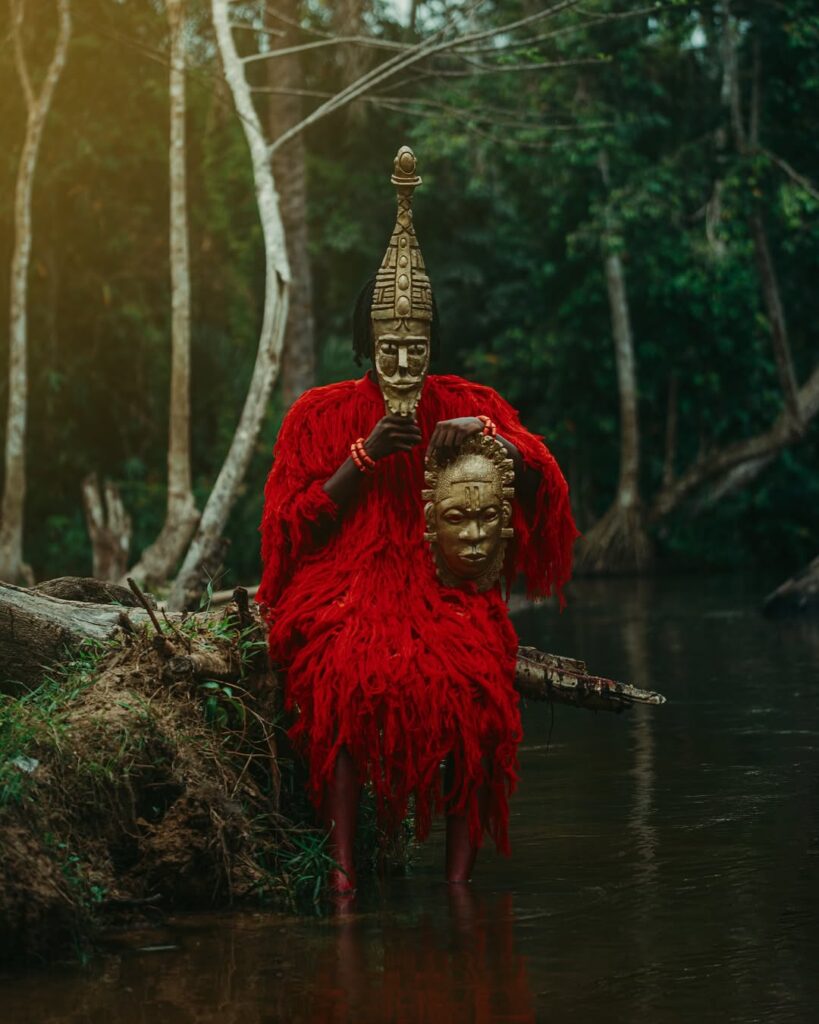
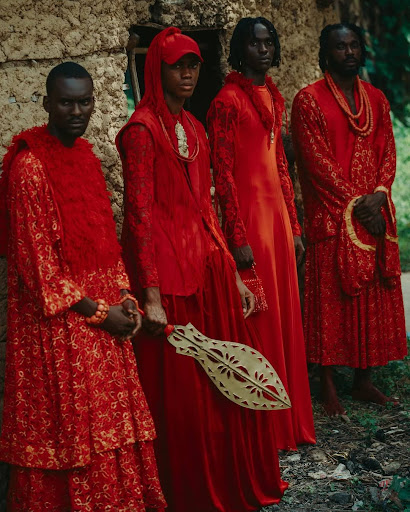
The first look on the runway was a striking red two-piece with intricate wool detailing and a wooden mask painted deep crimson. The hand-stitched wool created organic, irregular lines that moved with the body. The mask gave the model an otherworldly presence. It captured attention immediately and earned Odion the nickname “the masquerade designer.” Though unplanned, the identity stuck. Since then, red has become a core part of Oshobor’s visual language.
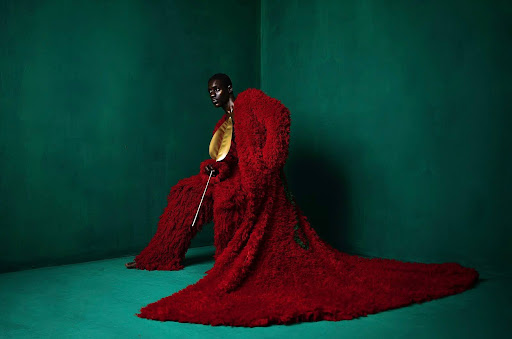
“The red stands for blood,” he explains. “The blood that connects me to a long line of succession, from my sister to my father, to his great-grandfather.”
Over the course of nine collections, Oshobor has developed a visual and emotional language grounded in process and place. His work draws from personal history, collective memory, and the symbolism of repair. His design signature—hand-stitched wool—runs through each piece like a red thread, both literal and metaphorical.
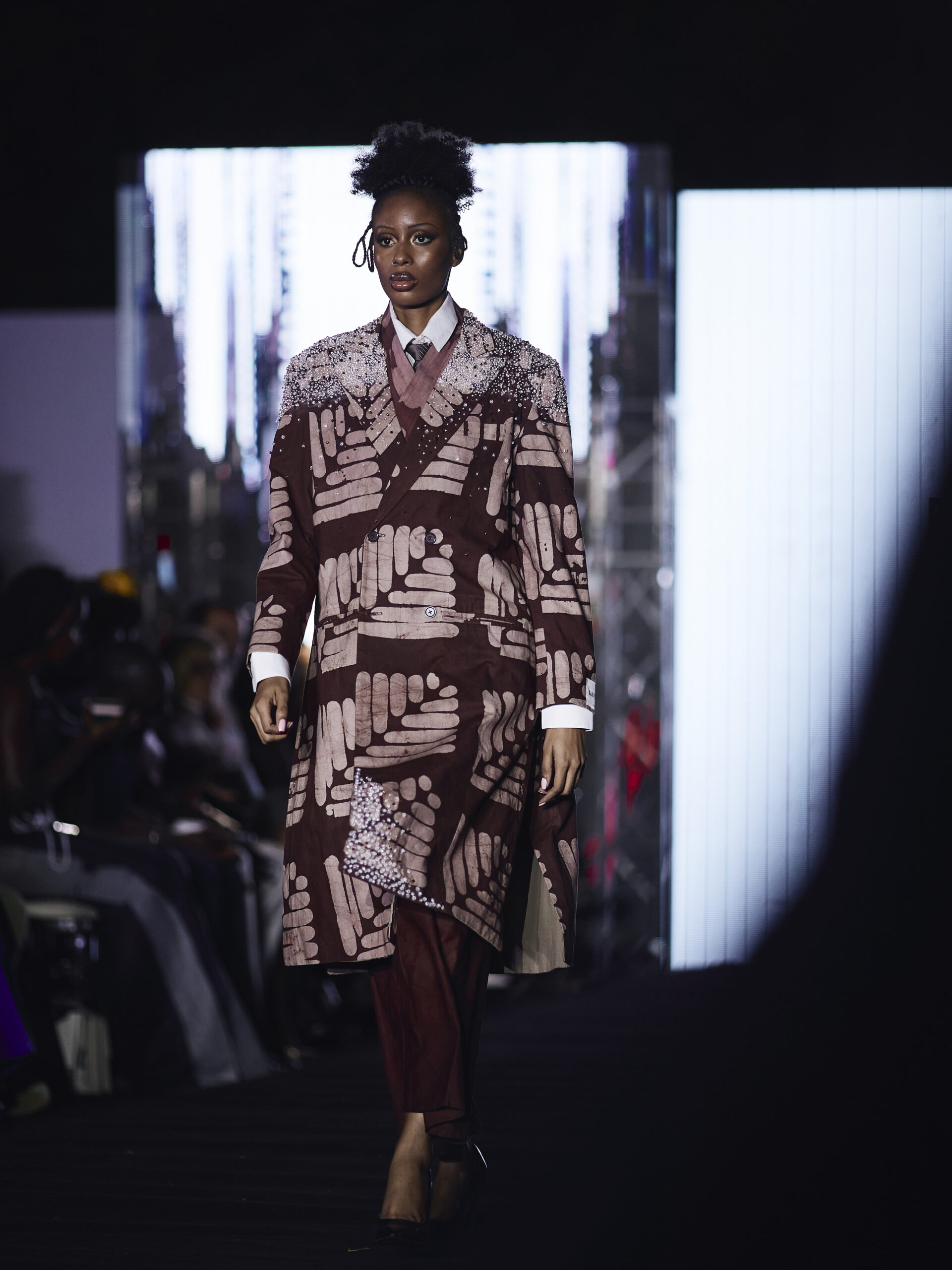
Fractured, one of his most conceptually charged collections, reflected on emotional fragility. There were androgynous blazers with exposed seams, trousers lined with wool “scars,” and deconstructed shirts that revealed their own inner architecture. Each garment required over 40 hours of hand-stitching. From a distance, the patterns looked chaotic. Up close, they revealed precise, almost meditative order.
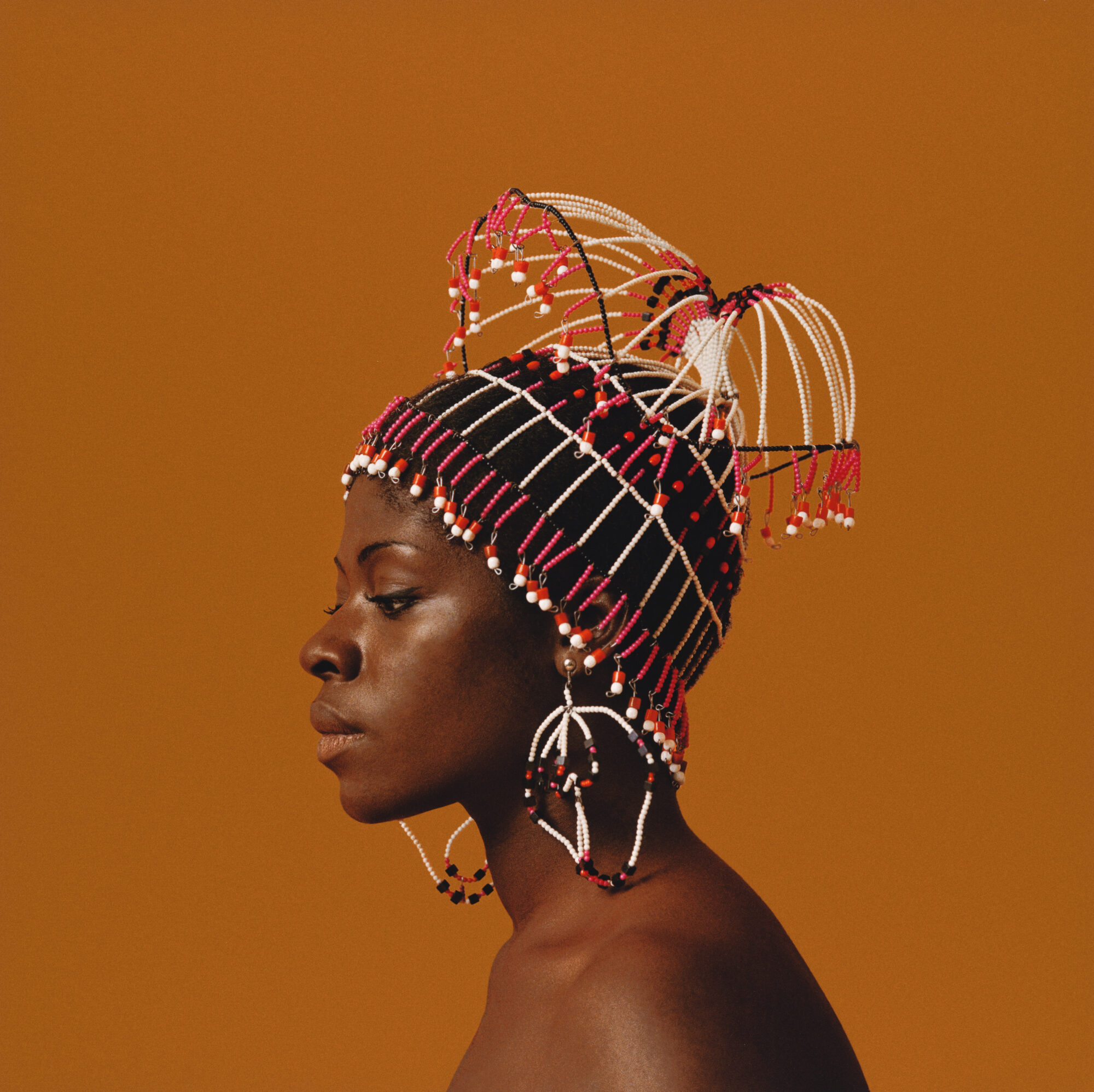
In Omo No Mose, Odion celebrated womanhood using flowing silhouettes that incorporated traditional Edo coral beads. The standout look, a floor-length dress with a structured bodice that dissolved into a hand-crocheted lower half, took three months to complete. The coral beads were sourced from artisans in Benin City.
Another collection, Na Man You Be, challenged toxic masculinity. Models wore masks that partially obscured their faces, and tailored jackets were softened by subtle feminine details. The effect was subversive, but quiet. A rebellion told through silhouette.
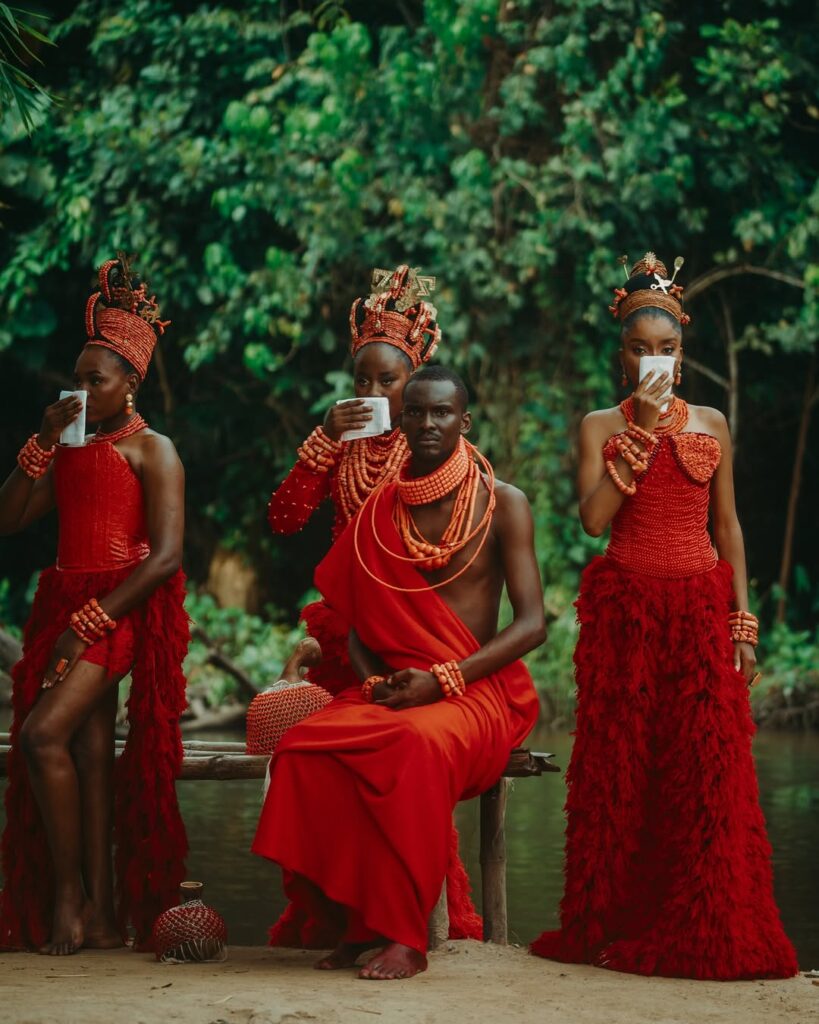
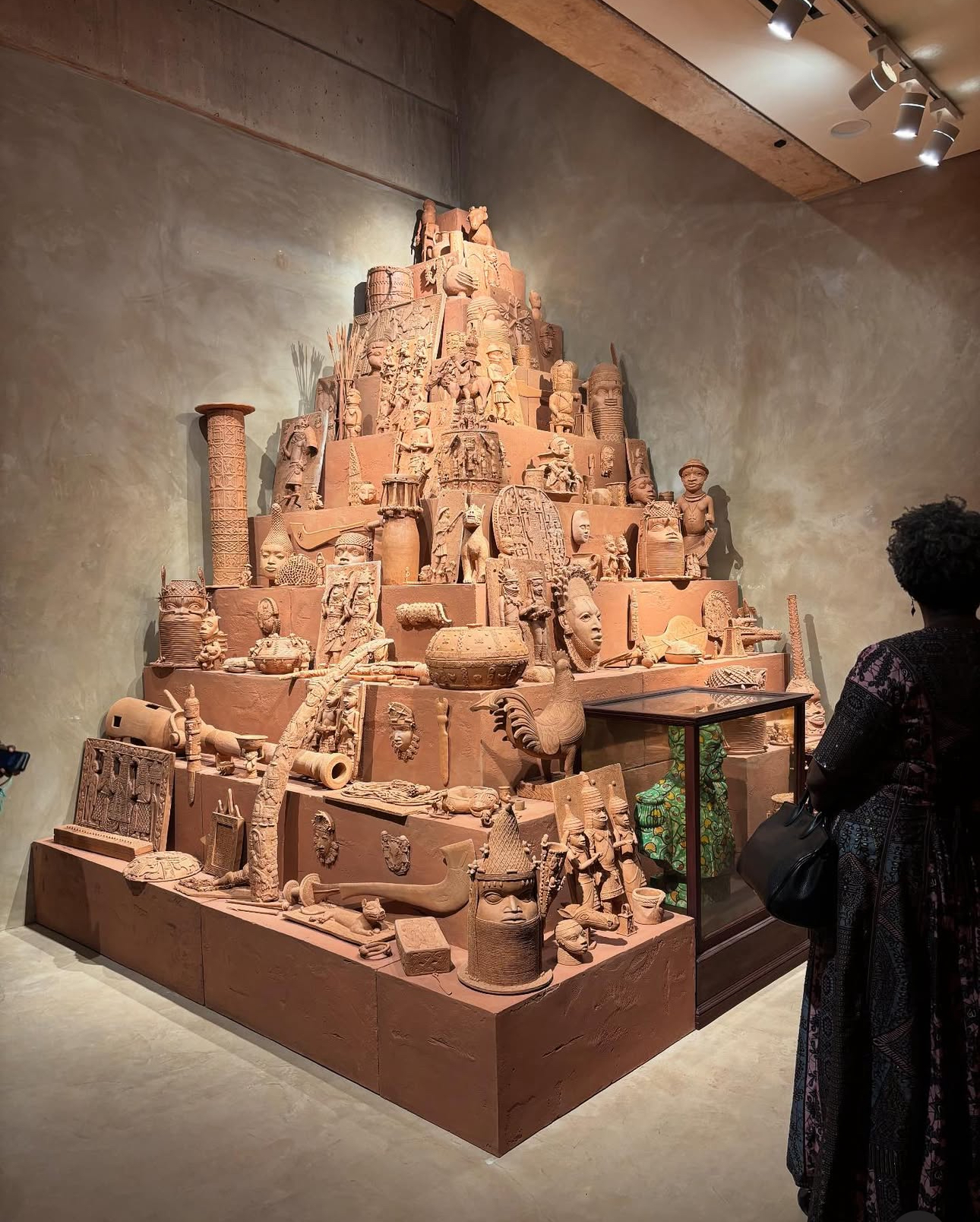
Edo Odion, the most expansive body of work to date, felt like a full-circle moment. It reimagined historic icons from the Edo Kingdom using androgynous cuts, coral embellishments, and wool thread as a primary medium. It took nine months to create and was conceptually seeded from the very beginning of the brand.
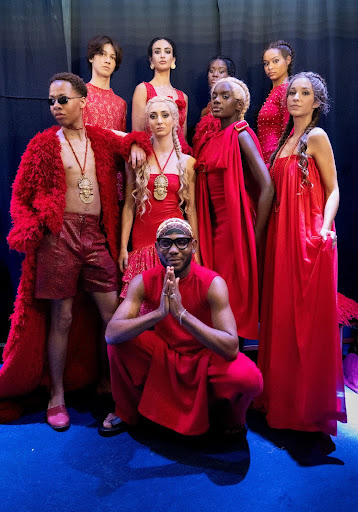
After its debut at Lagos Fashion Week, Edo Odion traveled. The collection was presented at Princeton University’s Sankofa showcase, in Côte d’Ivoire, and more recently at African Fashion Up in Paris. For the Paris show, Odion added new elements, including a reimagined version of the ivory mask, this time as a necklace.
“I told myself I would stretch the life of that collection as far as I could. It had such a beautiful story. Paris was the perfect place to bring it to life for a global audience.”
The body of work has since been adapted into a short film, recently selected for festivals in Italy and the United Kingdom.
Building a fashion brand in Nigeria comes with challenges many international audiences don’t see. Inflation has soared. The naira continues to weaken. A bolt of fabric that cost ₦15,000 just two years ago now costs ₦35,000. Local production infrastructure is thin. Designers often have to rely on independent artisans and informal networks.
“The cost of production has almost tripled,” Odion says. “But I’ve learned to work with what I have. I source my wool from a supplier in Kano. My coral beads come from Benin City. I work with tailors who get the vision.”
Customer retention in this economic climate takes more than great design. Odion has introduced a tiered pricing model that allows him to offer high-end pieces for collectors while keeping other items accessible to a local audience.
“Fashion week brings in new clients,” he says. “But I’m not in a rush. It’s a process. I’ve learned to build slowly. My storytelling connects people to what I’m making.”
His next collection, Night Has Come, will debut internationally in October. This time, Odion is exploring darkness—both as metaphor and material.
“This collection is about confronting the shadows,” he says. “What happens when we stop running from darkness and look for beauty inside it?”
The palette will be mostly black, punctuated by bursts of unexpected color. One of the centerpieces is a coat made from more than 200 individually hand-stitched wool pieces. Each element represents a different aspect of how humans experience darkness.
Odion is also planning the next phase of Oshobor. He’s exploring collaborations with other African designers and developing a workshop program to train a new generation of Nigerian artisans.
“I want Oshobor to be remembered not just as a fashion brand,” he says. “I want it to be a cultural movement. Fashion is temporary. Culture is what lasts.”
Back in his Benin City workshop, surrounded by coral, wool, and half-finished garments, Peter Odion continues the work he started five years ago with a needle and a damaged piece of fabric. Every stitch still matters. Every collection still tells a story.
Oshobor isn’t just mending. It’s transforming.