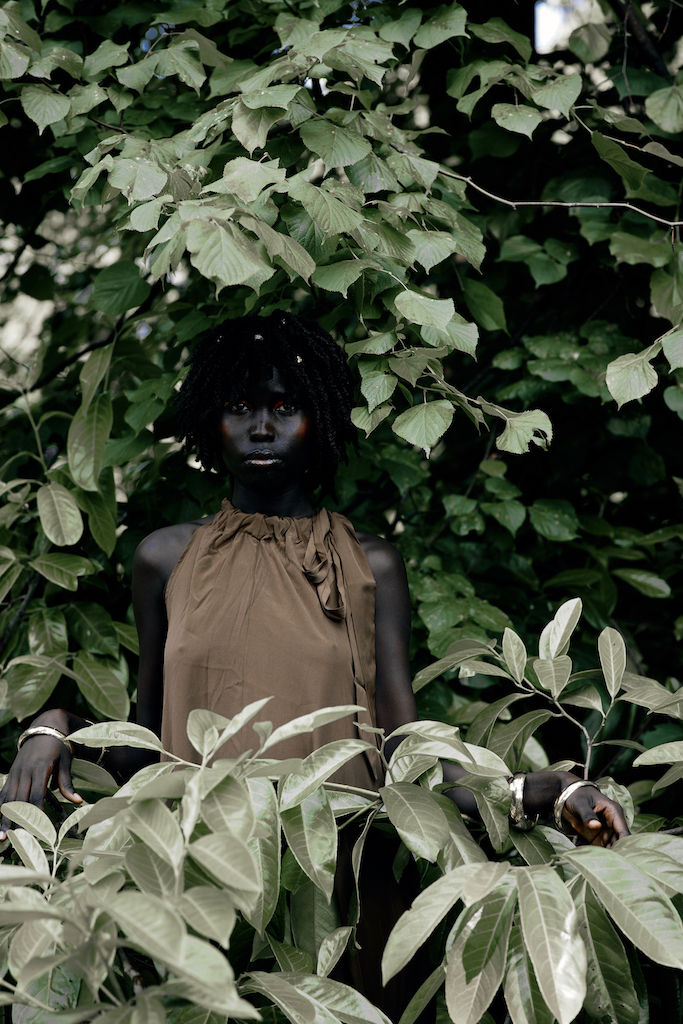
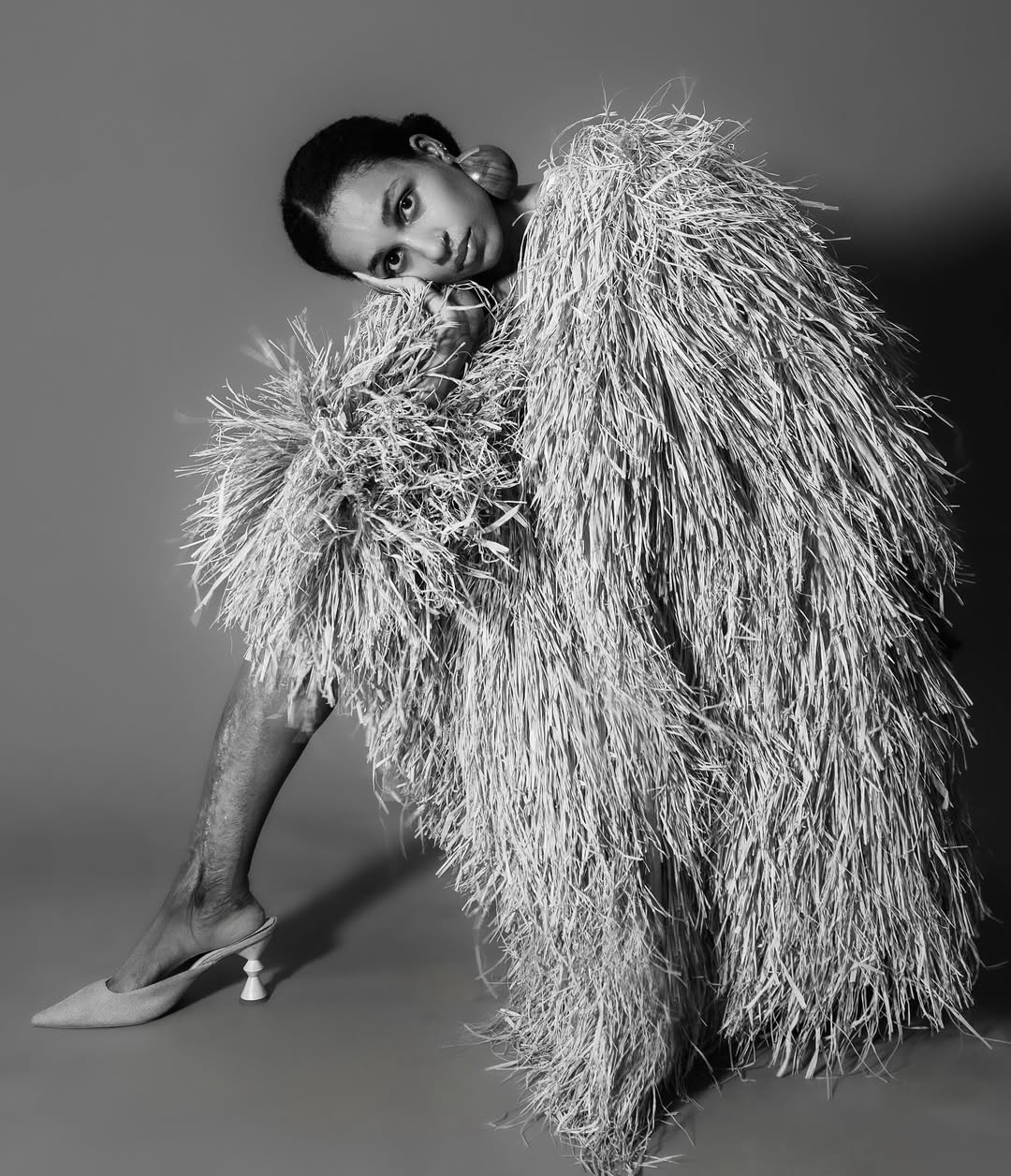
In a small Lagos studio, a painter dips her brush in red paint. Her canvas bursts with market colors: yellow mangoes, blue headscarves, green leaves. She grew up in a noisy neighborhood where money was scarce, but the buzz of traders and kids playing gave her ideas. In a London apartment, a musician strums his guitar, blending village drumbeats with city sounds, chasing memories of the home he left as a kid. In a Johannesburg workshop, a designer sews old fabrics into bold dresses, dreaming of an Africa that sets the world’s style. These creatives—a painter, a musician, a designer—don’t share the same path. But they share a spark. Their inspiration comes from hard times, deep roots, tight communities, and big dreams, showing African creativity shines no matter the odds.
The painter finds her ideas in her childhood. She walked through markets where lights flickered and wallets stayed light. But the women selling yams, their voices strong after long days, stuck with her. She started painting their faces on old boards, showing their strength. Now her art hangs in galleries from Lagos to Amsterdam, pulling crowds who see her world in every stroke. Her spark isn’t fancy. It’s the hustle of daily life, the way people keep going when things get tough. She paints because those moments showed her beauty in the struggle, turning survival into something alive.
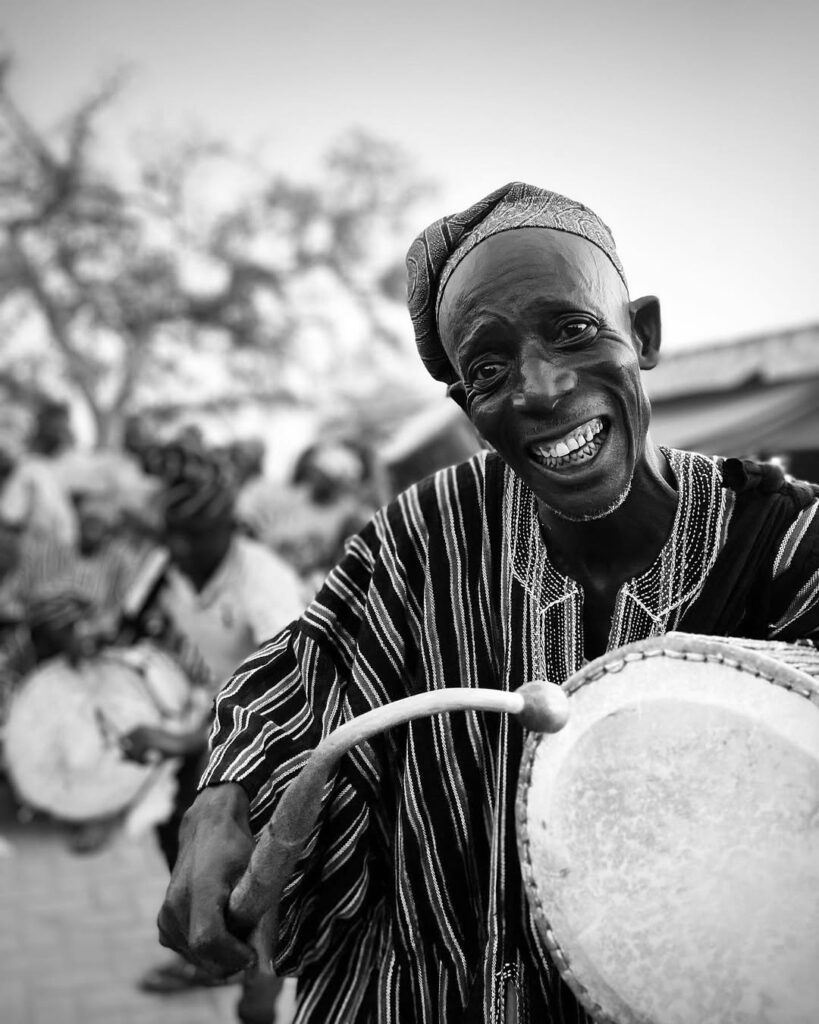
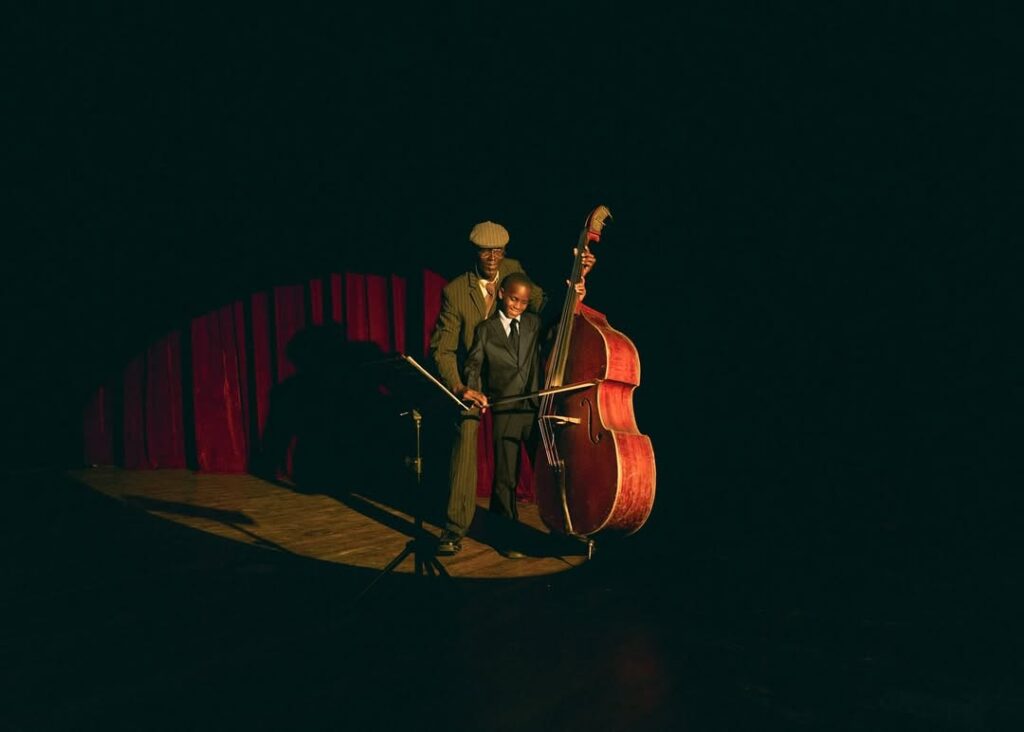
The musician’s ideas come from being caught between two worlds. He left his village young, landing in a city where his accent made him stand out. That feeling of being different hurt, but it pushed him to play. He mixes drumbeats his uncle taught him with jazz from the streets, making songs that feel like home and hope. His music, played in clubs and online, speaks to anyone who’s felt far from where they belong. His spark is that pull of memory, the need to blend his past with his present, to make something that brings people together.
The fashion designer’s ideas come from a dream bigger than her small workshop. She grew up watching her aunt sew with whatever cloth she could find, turning scraps into clothes with stories. That memory stayed with her. Now she creates dresses that mix local patterns with modern cuts, hoping to show what African style can be. Her work catches attention in fashion markets far away, proving her vision is real. Her spark is hope—a belief that creativity can honor the past while building a new future.
What keeps these creatives going? Hard times play a part. Empty pockets, feeling like an outsider, starting with nothing—those experiences push you to think differently. But it’s more than that. It’s their roots: the market’s energy, the village’s rhythms, the family stories they carry. It’s their people, cheering them on or sharing their burden. It’s the hope that their work can change how the world sees Africa. Inspiration isn’t just one thing—it’s the whole mix of life, the tough days, the deep roots, the big dreams.
The road isn’t easy. Galleries skip over new artists. Music platforms push the same names. Fashion buyers want old ideas, not bold ones. But these creatives keep at it. The painter’s murals make her neighborhood a destination. The musician’s songs bring people together. The designer’s dresses start new trends. Their work lifts their communities and changes how the world sees African creativity.
If you’re creative in Africa or anywhere else, this is for you. Your inspiration is close. It’s in the market you walk through, the home you miss, the future you want. The painter didn’t wait for a big studio; she used what she had. The musician turned loneliness into songs. The designer saw scraps as art. Your life, with its hard days and big dreams, is enough. Pick up your brush, your guitar, your needle. Find your spark. Make something the world will notice.
*Photo Credits: © Carlos Idun-Tawiah, © Fiifi Abban, © Dan Carter, © Studio Amponsah*