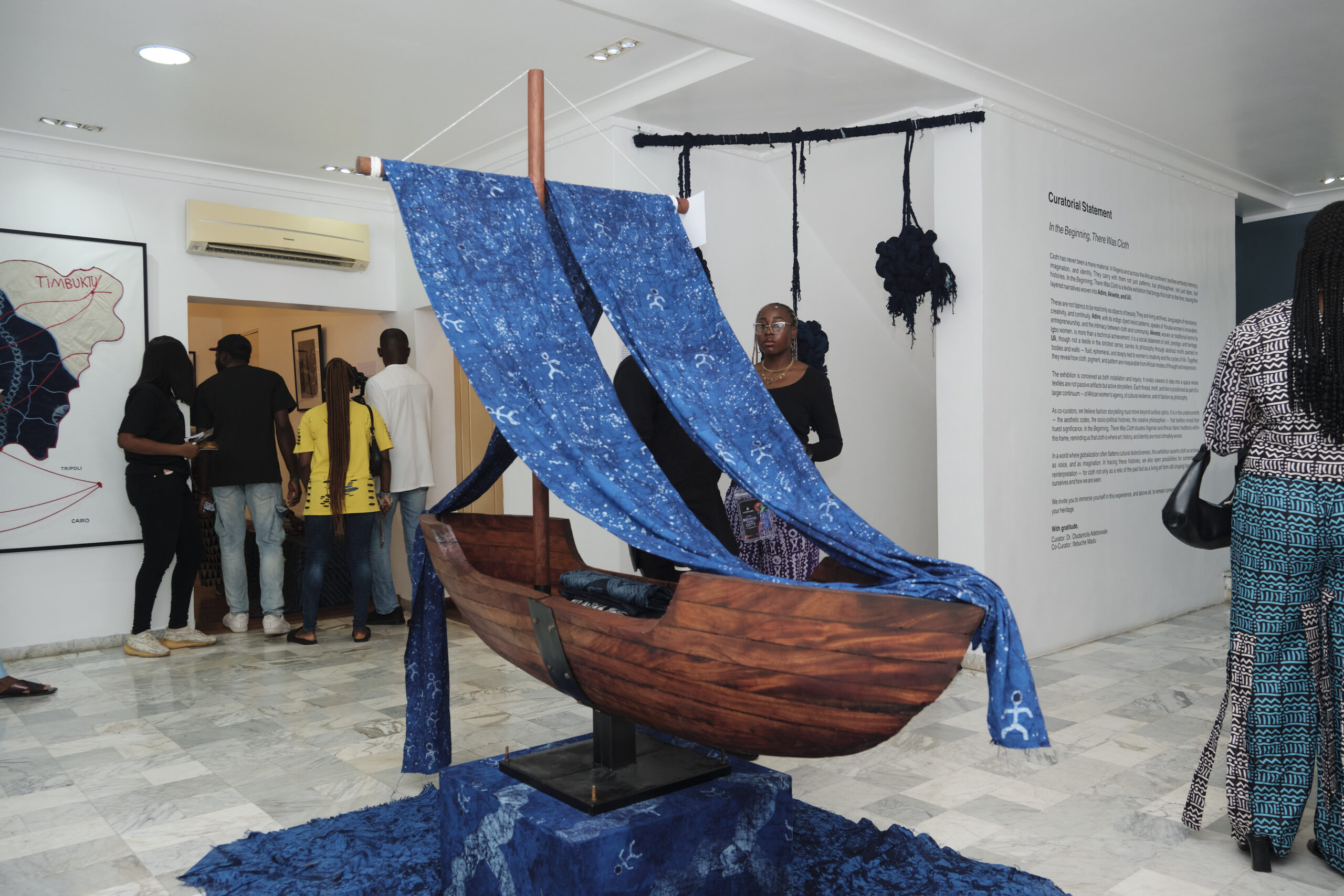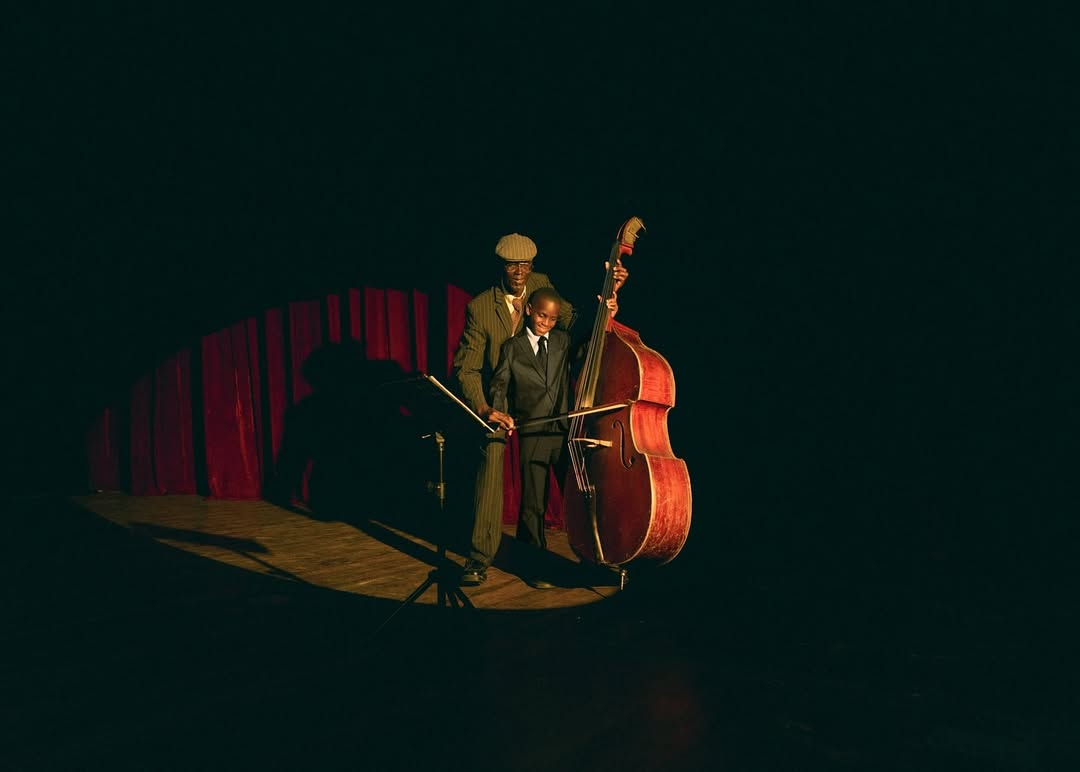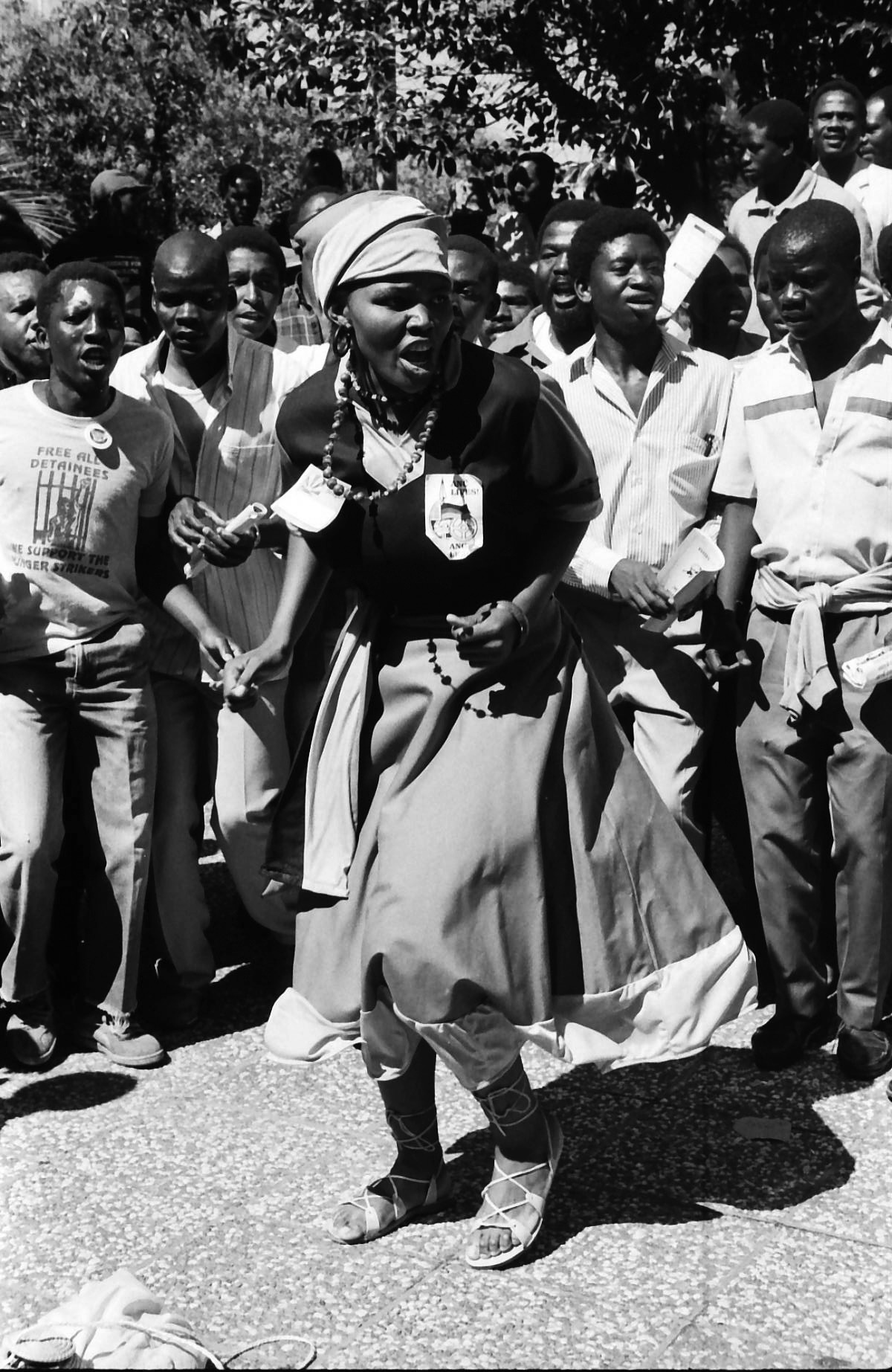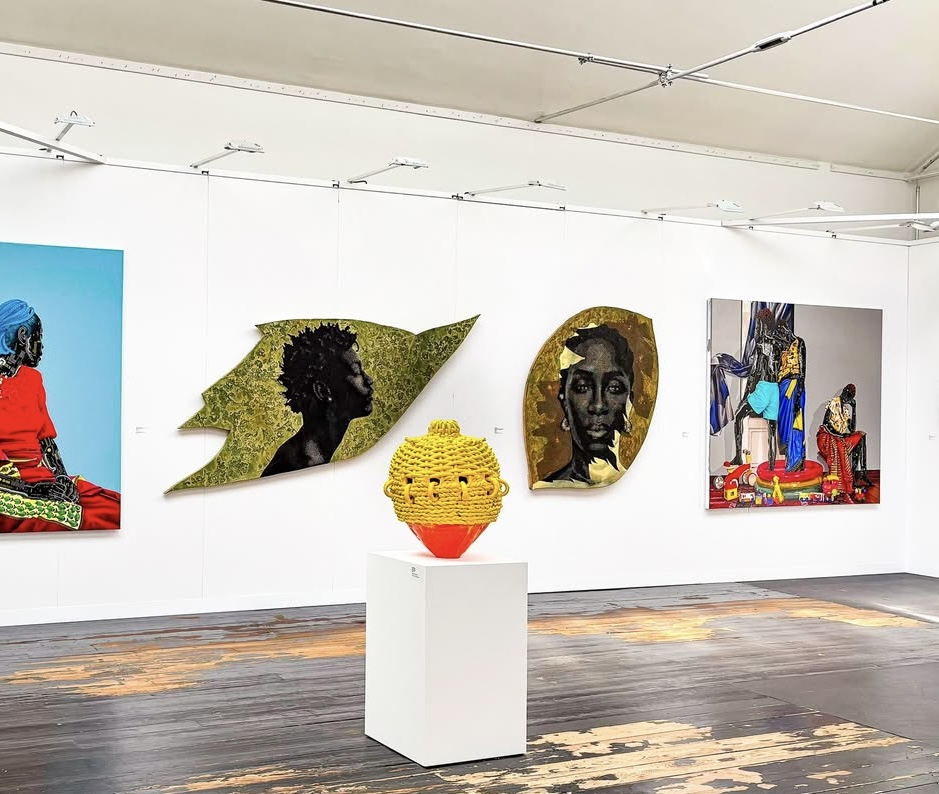
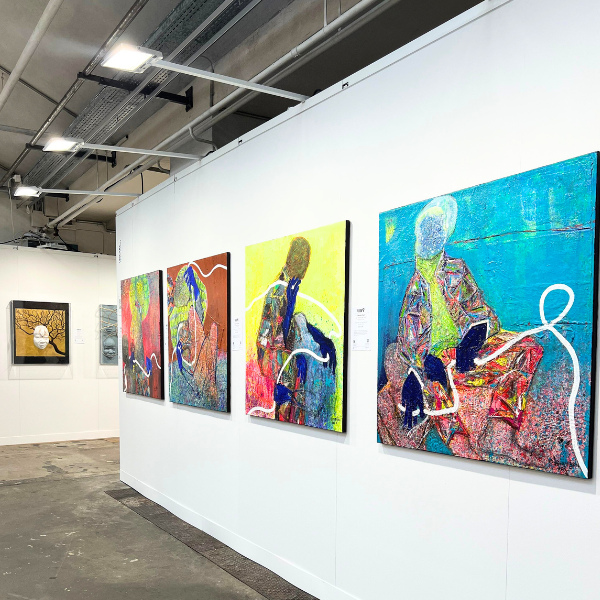
Africa Basel’s inaugural edition ran from June 18–22, 2025, alongside Art Basel, transforming the Ackermannshof courtyard in Basel’s St. Johanns-Vorstadt into a dedicated hub for contemporary African art. Nearly twenty galleries participated, offering collectors, curators, and the public an immersive look at painting, sculpture, photography, installation, and digital media.
A curated VIP preview on opening day allowed institutional buyers to view large-scale installations and mixed-media commissions, while a robust public program of talks and panels tackled subjects such as postcolonial exhibition strategies, the role of archival practice, and sustainability in studio work. This inaugural edition was all about situating African practices at the heart of one of the art world’s busiest weeks, amplifying under-represented voices, and establishing a new, context-specific platform within Europe’s leading art-fair calendar.
A Pan-African Art Conversation
The fair was established in 2025 by art entrepreneur Sven Eisenhut-Hug and cultural curator Benjamin Füglister to fill a gap in Basel’s crowded art-fair calendar. Both founders brought complementary expertise: Eisenhut-Hug had previously launched Photo Basel, Switzerland’s premier photography fair, while Füglister founded the CAP Prize for African photography and organized numerous exhibitions focused on the continent’s visual culture.
They identified that, despite growing global interest, galleries representing African and diasporic artists lacked a dedicated, sustainable forum during Art Basel week—a context-specific venue that could elevate African practices without being subsumed by larger commercial fairs.
Beyond its physical setting, Africa Basel was conceived as a corrective to the “mega-fair” model, which can overwhelm emerging artists and galleries with volume and expense. Its boutique scale allows for tailored dialogues between artists, curators, and collectors, and the programmatic layers—talks on postcolonial exhibition strategies, archival practice, and sustainability—position the fair as a long-term infrastructure project aimed at redefining how these practices are perceived within the global cultural dialogue.
The Exhibitors List
That range of perspectives and materials was reflected in the galleries on show—from East Africa to the diaspora, from analog media to digital experimentation. Here’s a look at the booths that defined Africa Basel’s debut.
Circle Art Gallery
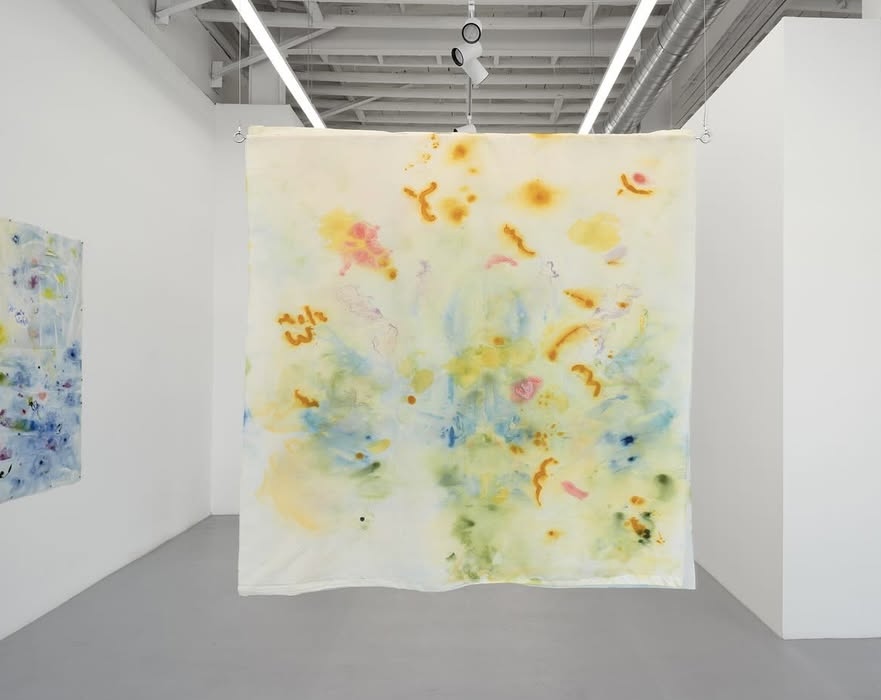
Based in Nairobi, Circle Art Gallery has built a reputation for championing East African painters and multimedia artists through both local exhibitions and international art-fair participations. At Africa Basel, the gallery presents Sea Bed by Agnes Waruguru, an artist interested in everyday materials, especially those associated with the home and daily routines.
LIS10 Gallery Hong Kong
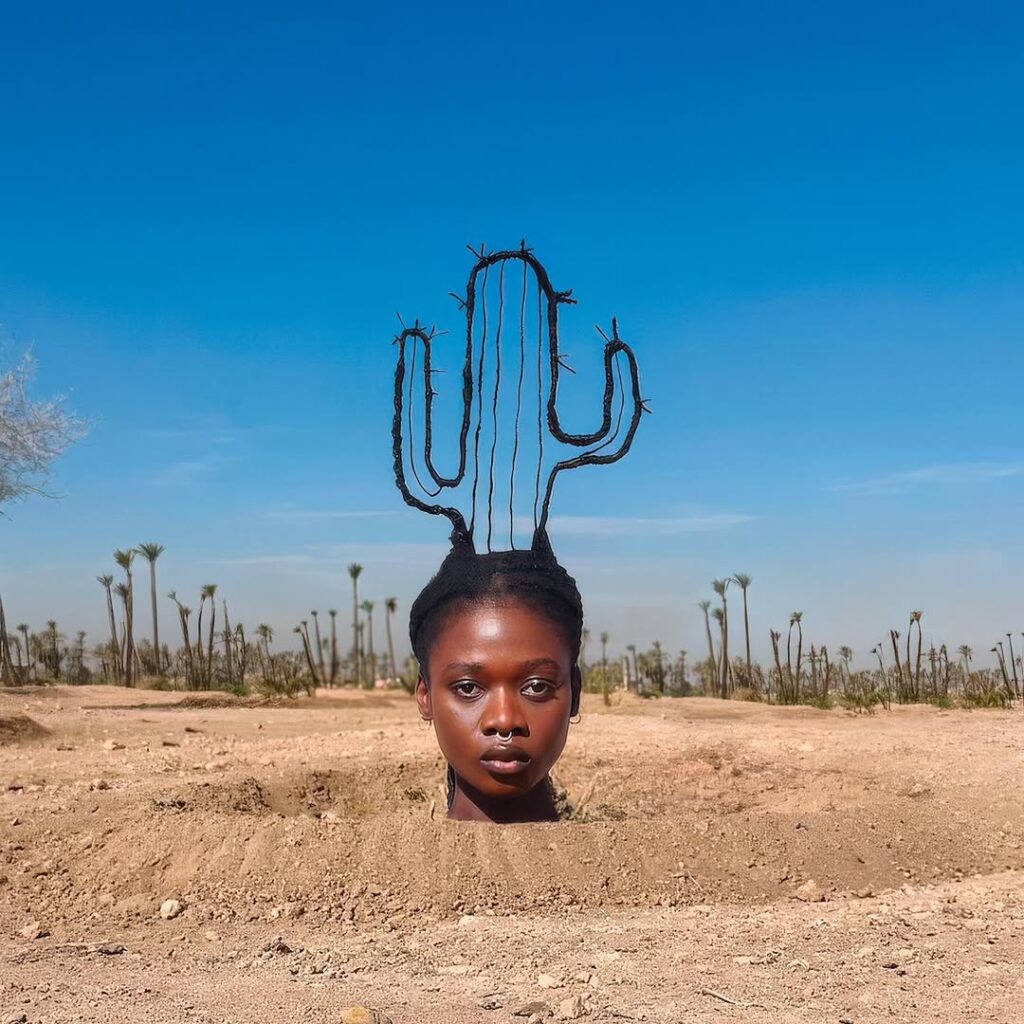
Originally established in Italy and now operating a branch in Hong Kong, LIS10 Gallery has quickly become known for amplifying African and diasporic creators within the Asian market. For its Africa Basel debut, the gallery showcases Laetitia Ky, an Ivorian artist, activist, and sculptor known for creating striking sculptures using her own braided hair—a technique she calls the “Ky Concept.”
MCC Gallery
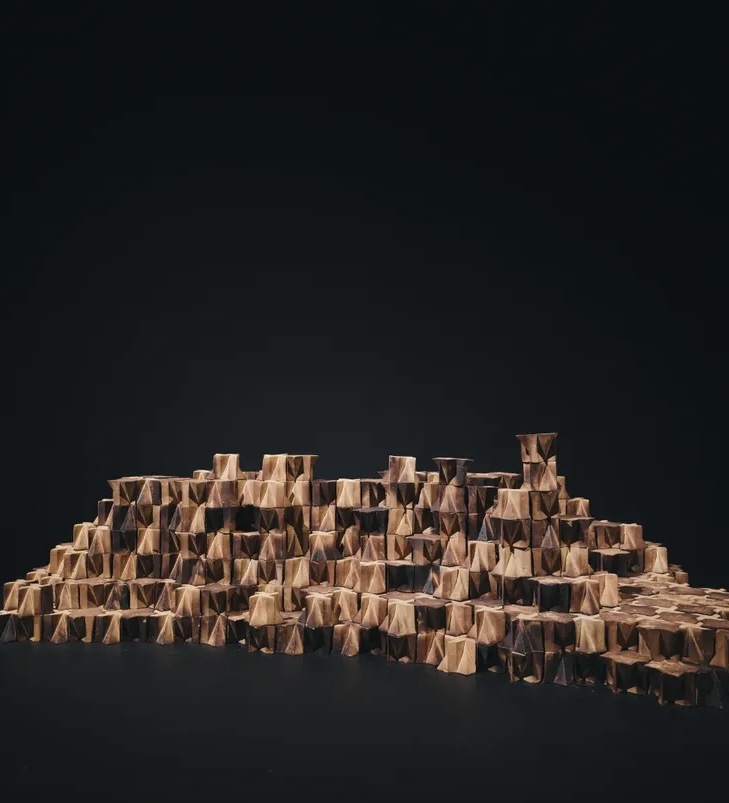
At Africa Basel, MCC reflects the vitality and diversity of the Moroccan contemporary art scene, presenting the artistic explorations of Sanae Arraqas, Amine Asselman, and Malika Sqalli.
Galerie Dix9
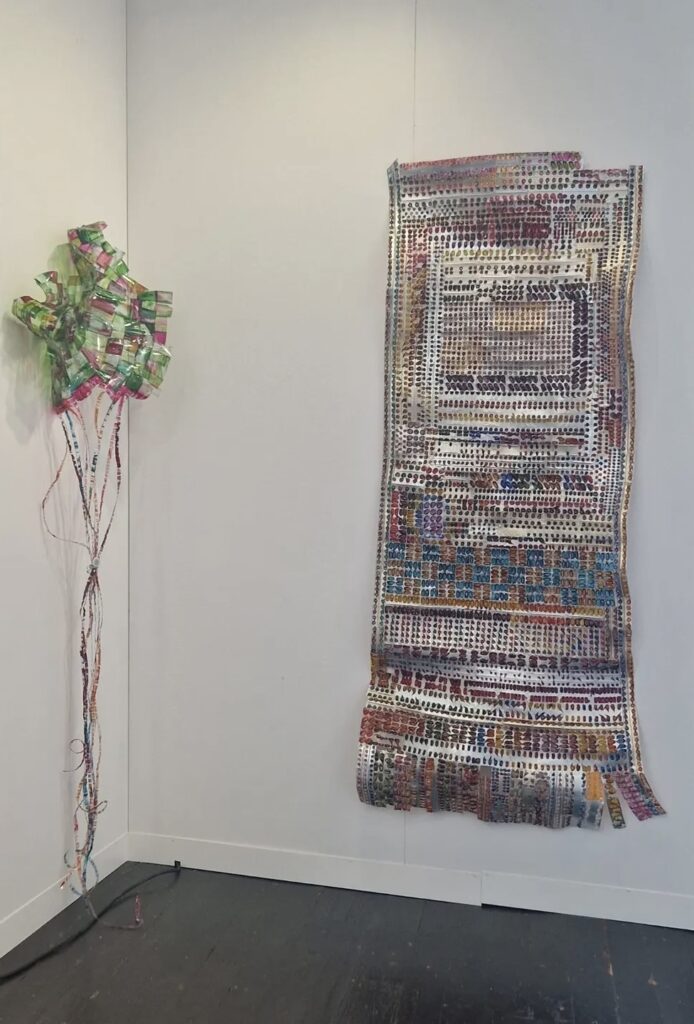
A stalwart of the Paris art scene, Galerie Dix9 represents Francophone African artists whose work navigates the boundary between narrative painting and conceptual abstraction. In Basel, Dix9 brings works by Kwame Frigaux, a French artist of Ghanaian descent whose sculptures are made of waste and challenge waste mismanagement in the country.
October Gallery

Founded in London in 1979 as a non-profit champion of the “transvangarde,” October Gallery has consistently showcased interdisciplinary work from Africa and the global South. At Africa Basel, the foundation’s booth combines textile installations, performance documentation, and mixed-media works that reflect the interconnectedness of artistic mediums, presenting captivating works by James Barnor, Eddy Kamuanga Ilunga, Alexis Peskine, Zana Masombuka, LR Vandy, Owusu-Ankomah, and Xanthe Somers—spanning photography, painting, sculpture, and ceramics.
The African Art Hub
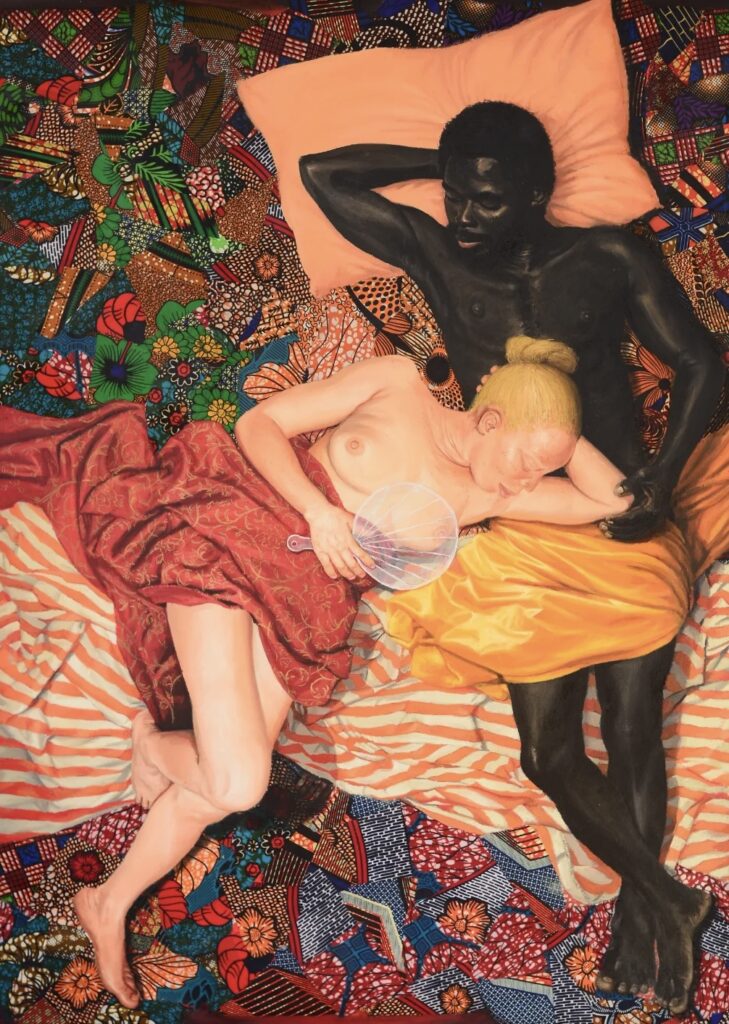
Launched in Accra, the African Art Hub is a platform dedicated to digital and time-based media. For its first appearance at Africa Basel, the Hub presents Woven Selves: Interpreting Nigerian Identity, a powerful solo exhibition by Ibrahim Bamidele.
Modzi Arts Gallery

Modzi Arts Gallery has always prioritized experimental, site-responsive sculpture and installation. At Africa Basel, the gallery unveils the works of Mwamba Chikwemba, a contemporary artist whose work draws on portraiture and figurative traditions, and Natasha Evans, a mixed-media painter influenced by abstract and figurative movements whose assemblages explore fragmentation, belonging, metaphor, absence, extraction, and identity.
AKKA Project
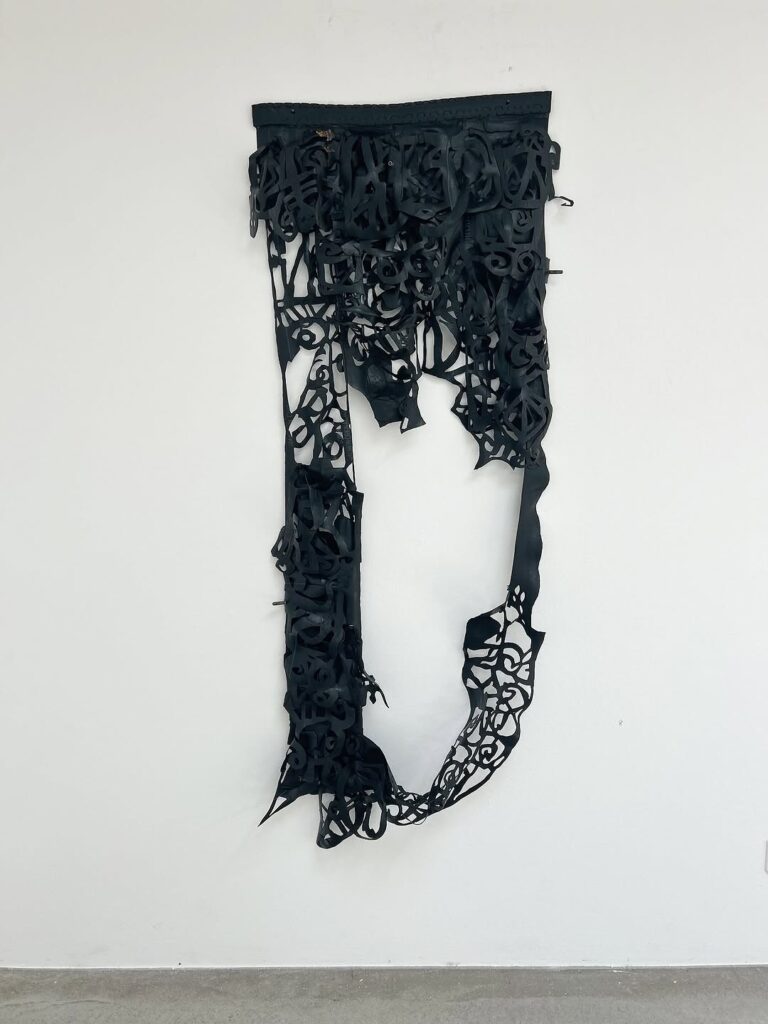
A gallery in Dubai, Lugano, and Venezia, its Africa Basel booth presents a powerful lineup of artists: Osaru Obaseki, Beau Disundi Nzazi, Alexandre Kyungu Mwilambwe, and Dzikamai Nyahunzvi. Each offers unique perspectives and compelling narratives through their distinctive visual languages, weaving identity, history, and culture with striking intensity.
Gallery Brülhart
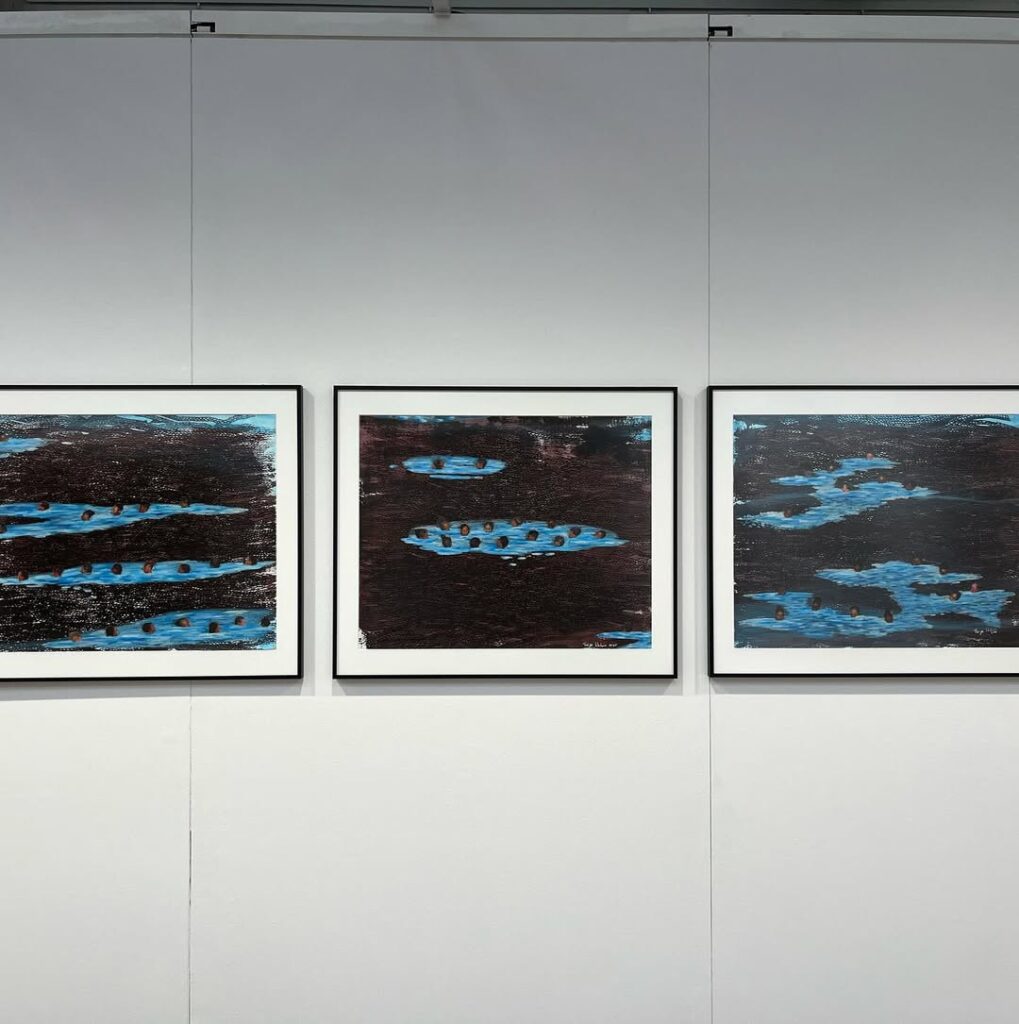
Gallery Brülhart is known for exhibiting contemporary art by African women. In its Africa Basel presentation, the gallery offers a close view of Taiye Idahor’s work, especially the Wade in the Water and I See Women as Trees series, which engage in a profound dialogue about heritage, identity, and the interconnectedness of women’s histories.
UNX Art
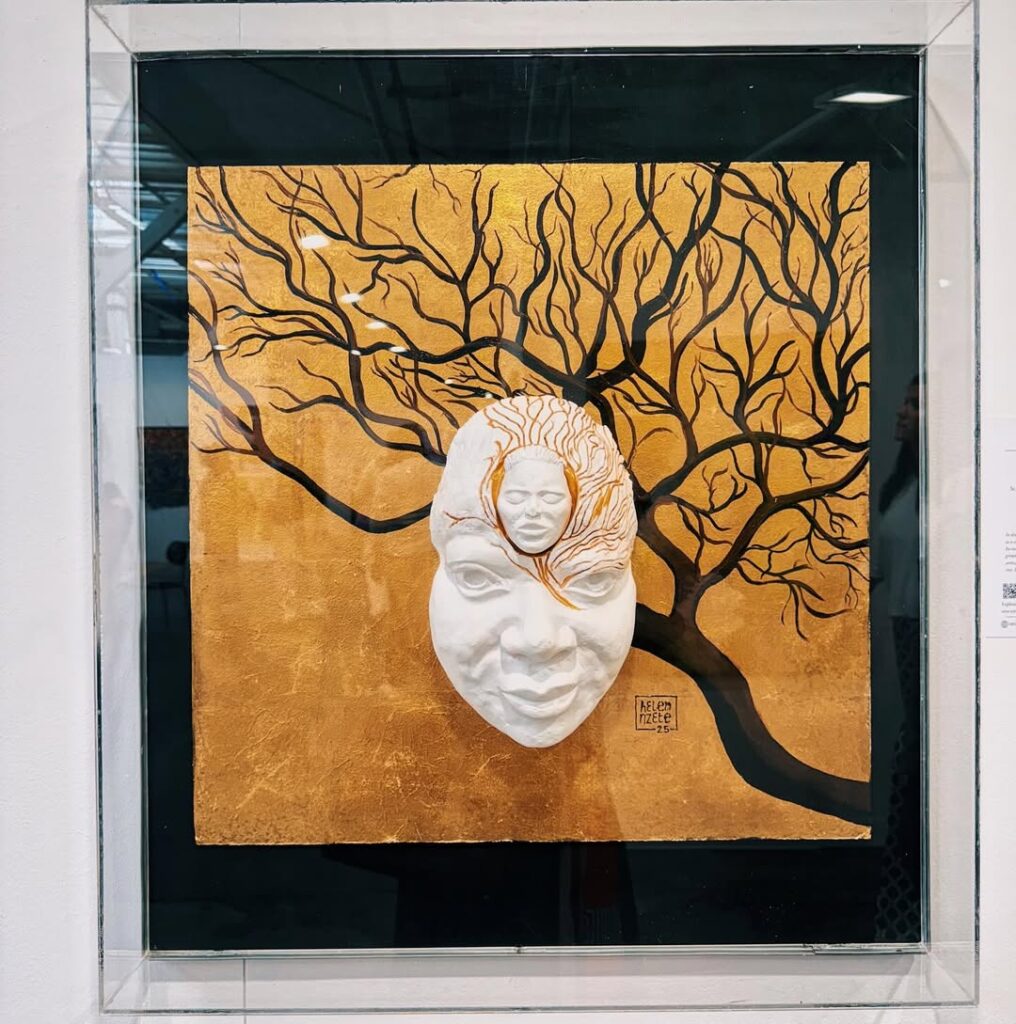
A gallery based in Freetown, Sierra Leone. At Africa Basel, UNX presents Helen Ogochukwu Nzete, whose works explore healing through unraveling knots—symbols of inherited bonds and social mending. Also featured is Clément Ayikoué Gbegno, whose works examine the boundary between life and death, presence and absence, in a continuous cycle. A profound and sensitive reflection inviting us to look beyond the surface of forms, engaging with the most intimate and universal experiences of the human condition.
The Future for Africa Basel
As its debut drew to a close, what became clear was that Africa Basel had set a new precedent. But what happens next may matter even more.
Africa Basel is quickly becoming an indispensable institution within the global art landscape because it provides African and diasporic artists with a dedicated stage during the world’s most consequential art week, Art Basel. It wouldn’t come as a surprise if, within the next five years, the roster of exhibitors expands to encompass a truly pan-African reach. Not that it hasn’t already, but the scale could grow wider and more ambitious.
What the fair’s founders must guard against is the risk of dilution—preserving their curated ethos so that each participant continues to strengthen the narrative of African artistic innovation. Institutional partnerships are also a conversation to be had. Museums and biennials worldwide may look to Africa Basel as a hub for acquisitions, residencies, and public-program collaborations. Bespoke satellite initiatives—ranging from off-cycle mini-fairs—could help build year-round infrastructure, offering mentorship labs, professional-development workshops, and investor summits that reinforce the fair’s role as more than just a marketplace.