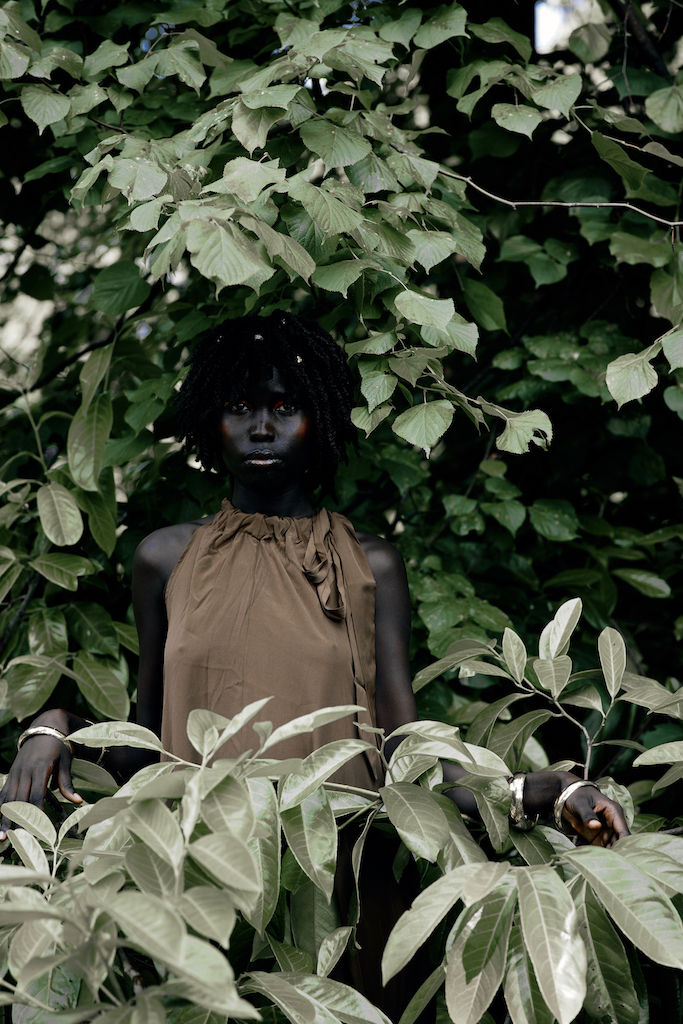
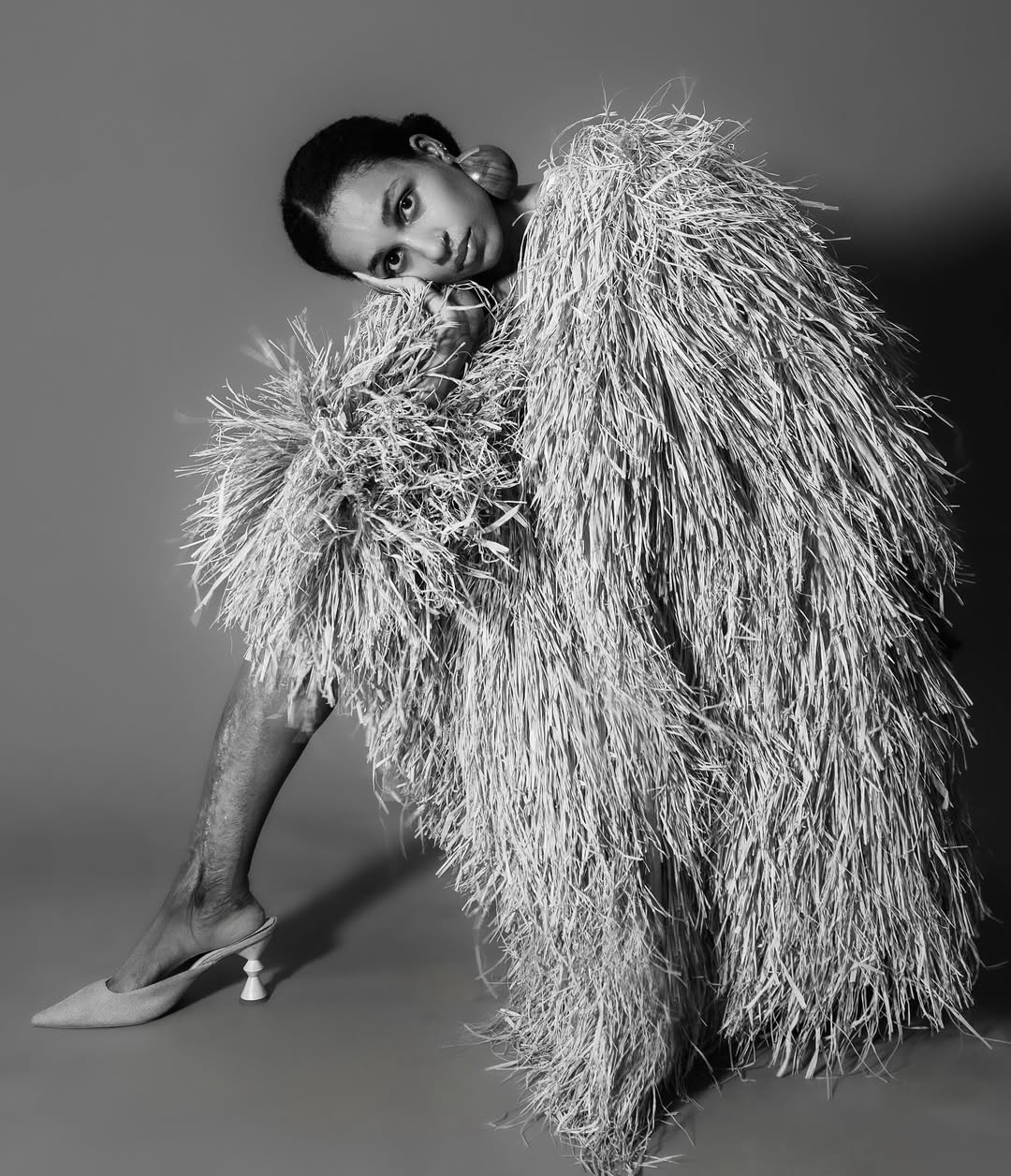
On a Saturday afternoon in Peckham, South London, Rye Lane feels like Lagos stretched across the Atlantic. Yoruba greetings ripple through the air, suya smoke drifts past the scent of jollof rice, and Ankara fabrics streak the crowd in bursts of color. This is “Little Lagos” in London, where the Nigerian community has made its mark and where photographer Adisa Olashile feels at home.
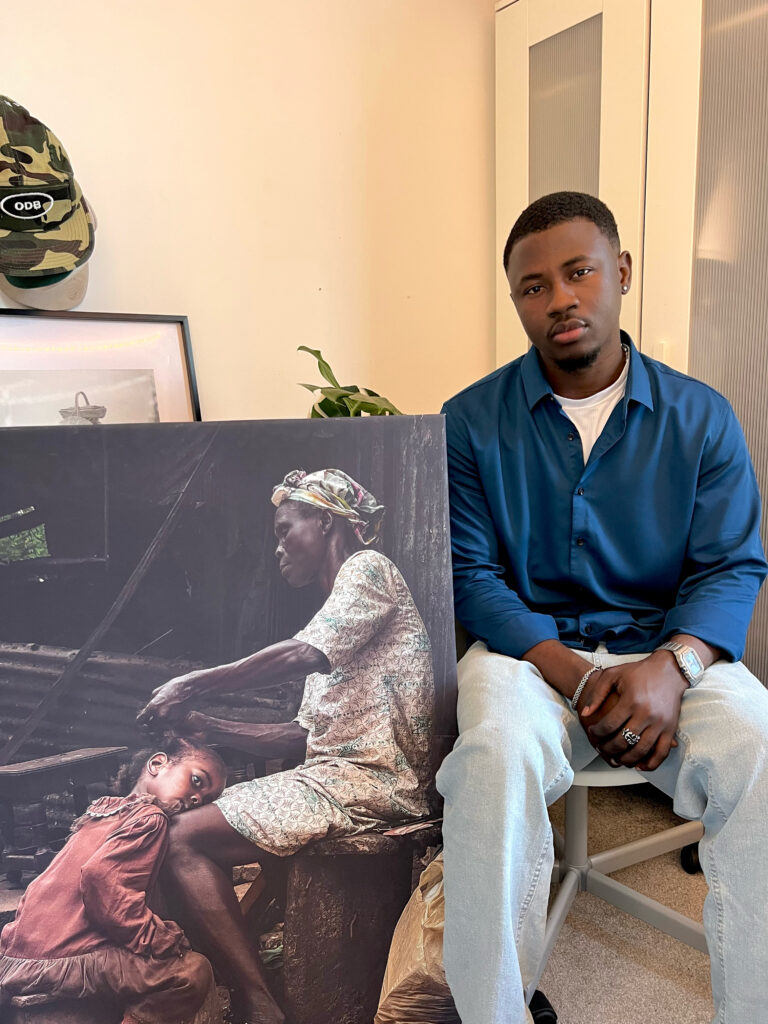
“The first time I came here, it hit me,” he says, camera slung casually over his shoulder. “The Yoruba greetings, the suya stalls — it was like Lagos had followed me across the ocean.” His new photography project, launched on Easter Sunday 2025, is his attempt to capture that feeling: a visual love letter to Peckham’s Nigerian diaspora, a story of pride, resilience, and identity told through the ordinary moments that keep culture alive.
Olashile, who grew up in Nigeria before moving to London, sees Peckham as a bridge between his two worlds. His photographs are not staged spectacles but lived encounters — traders arranging tomatoes before dawn, children running through church courtyards, women balancing gele like crowns while carrying groceries. “As a Nigerian in London, you carry this dual identity,” he explains. “Peckham feels like a place where I can be both — where I see myself in the people I photograph.”
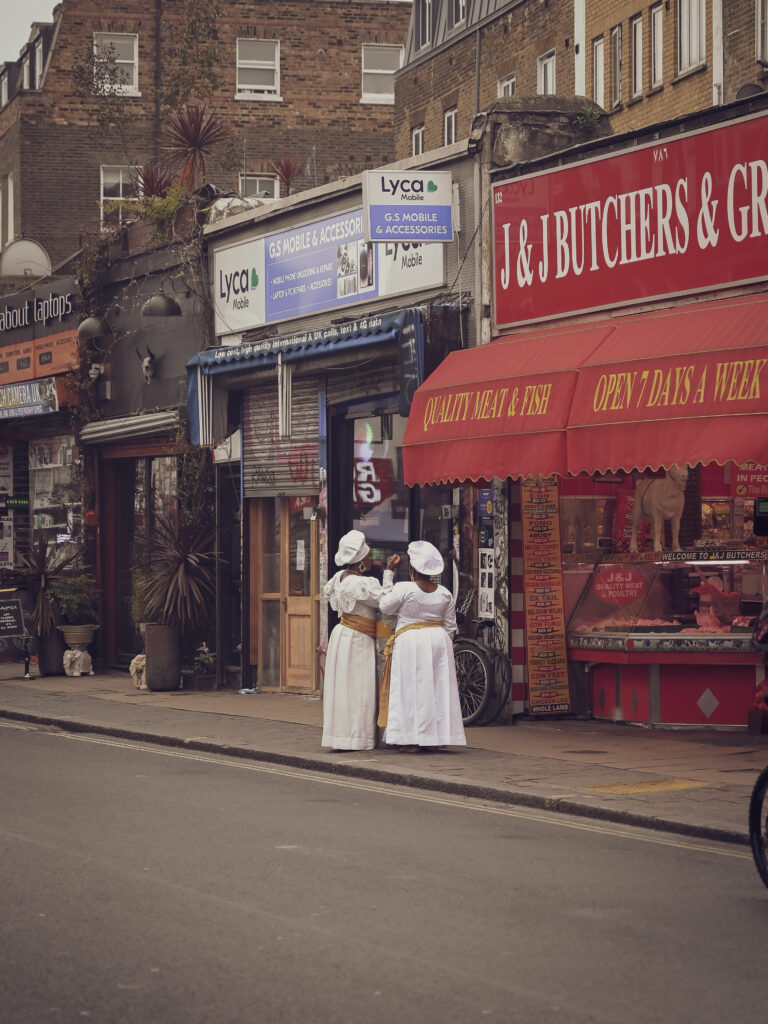
The project began almost by accident. Passing a church on Easter Sunday, Olashile noticed a group in vibrant headwraps and agbada, their voices rising with the cadence of home. “I just stopped,” he recalls. “I wanted to know who they were, what stories they carried.” That impulse grew into a mission to document the community’s heartbeat not as nostalgia, but as proof that culture breathes and evolves wherever its people settle.
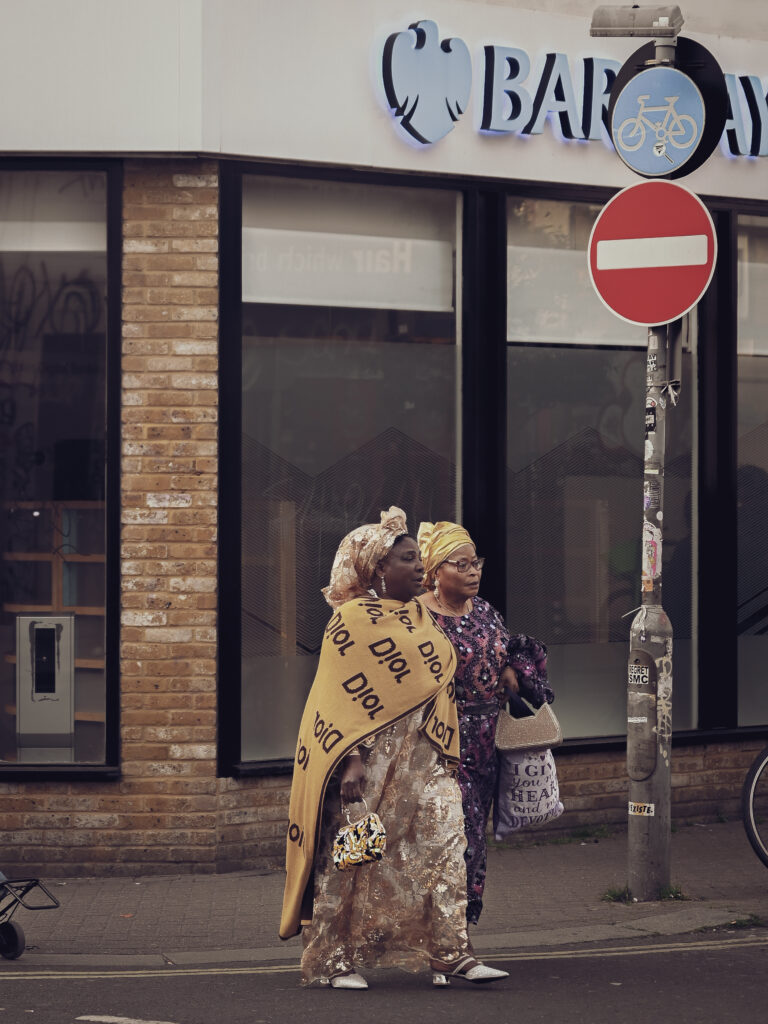
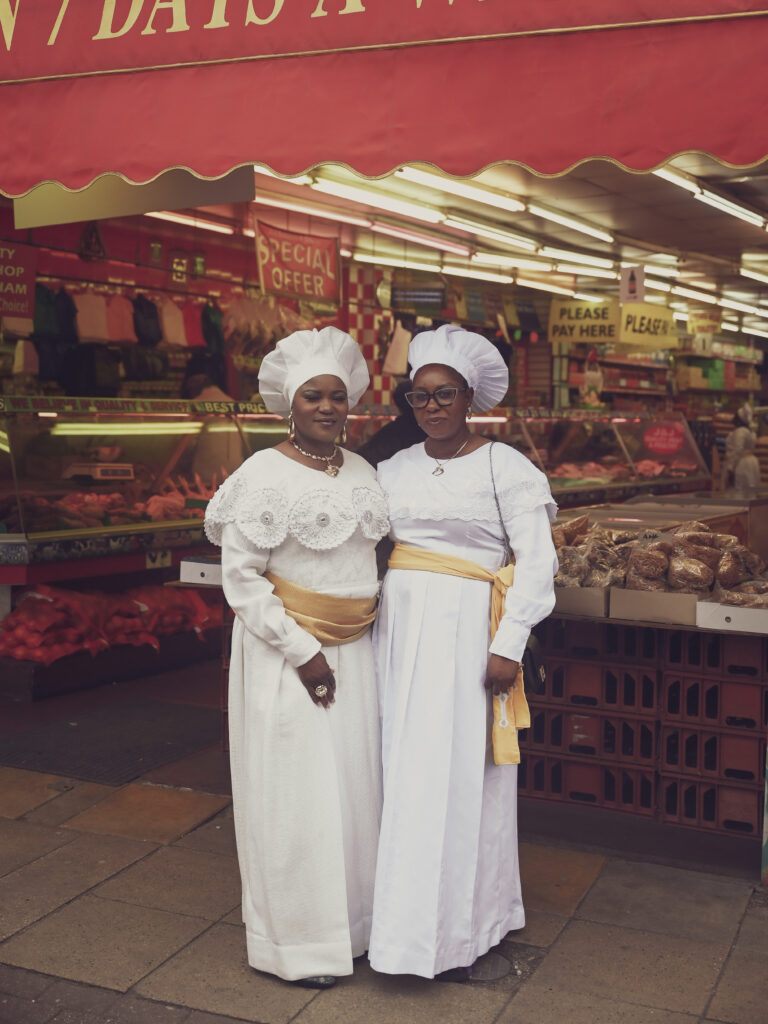
One of his favorite images, which he calls Yoruba Dior, captures two women striding down Rye Lane in flowing traditional dresses, unapologetic in their presence. Against the backdrop of London shopfronts, their confidence radiates like a declaration. “They weren’t posing for me,” Olashile says, smiling. “They were just living, carrying Nigeria’s energy through London like it was theirs to claim. That’s what I wanted to show that it is not about blending in, it’s about being seen.”
His method is patient, almost invisible. He spends hours walking through markets and churches, talking before photographing, letting his subjects’ comfort dictate the frame. His eye lingers on details others might overlook — the glint of coral beads, the crease of worn hands, laughter breaking across a face. He works mostly in natural light, framing juxtapositions: a gospel choir beneath Victorian arches, akara frying beside hipster coffee shops, sneakers bouncing to Afrobeats outside redbrick estates. “Heritage and modern life aren’t fighting each other,” he says. “They’re part of the same story.”
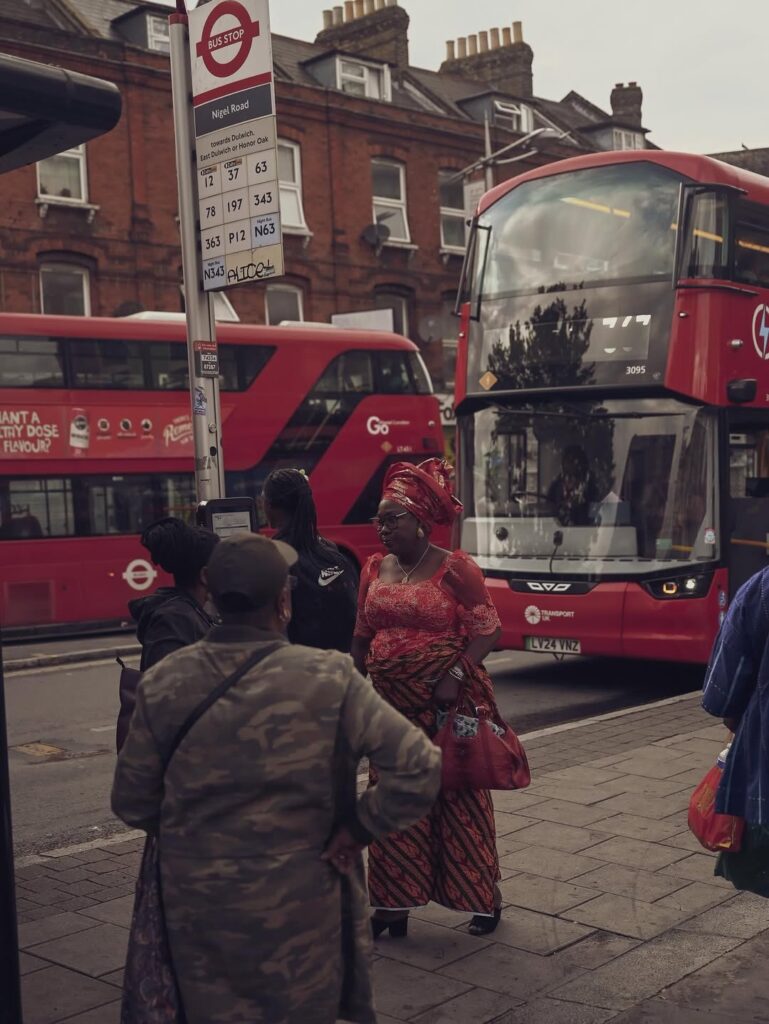
Some moments arrive unannounced. On Mother’s Day 2025, he spotted an Igbo woman crossing the street, her ichafu knotted perfectly as a London bus in the same shade of red passed behind her. “Her posture — it was tradition and love, right there,” he remembers.For him, women and mothers are the keepers of continuity, “the ones passing down our stories, our pride.”
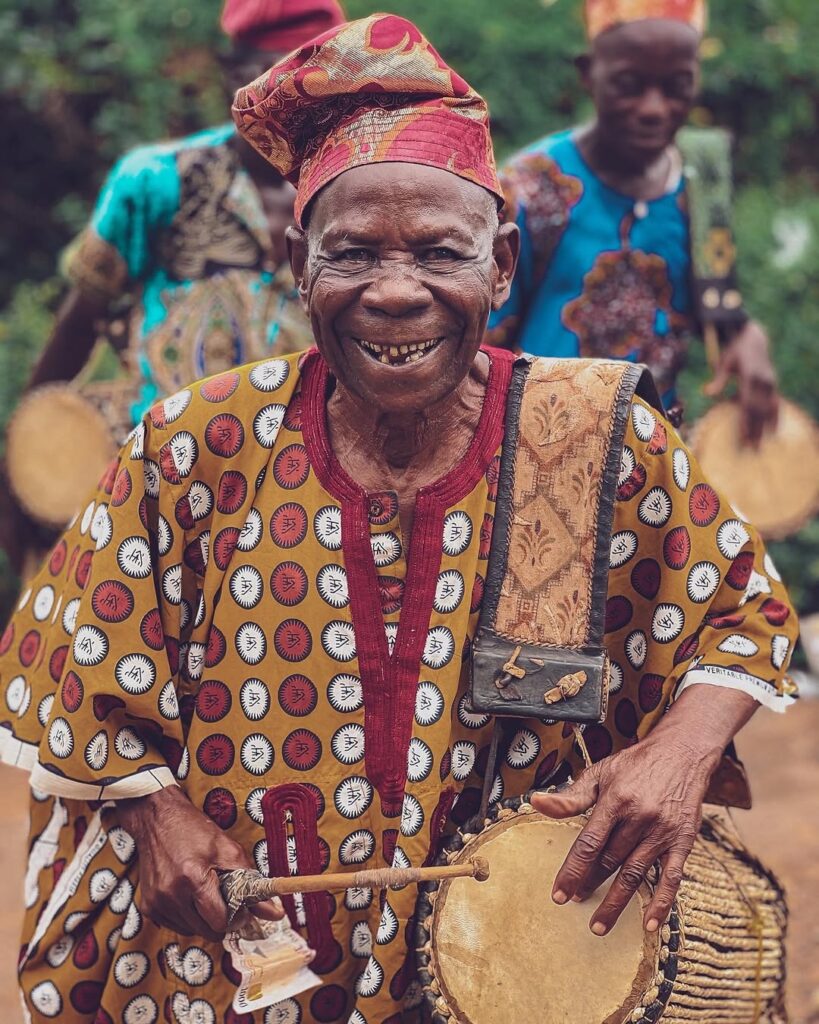
Olashile’s earlier work, like his viral NFT of an elderly Nigerian drummer, revealed how a single image can carry cultural weight across the world. In Peckham, he builds on that instinct, creating a gallery of everyday life that speaks to the complexities of diaspora. Each photograph insists on humanity first—the trader’s fatigue, the mother’s dignity, the child’s joy. “I want people to see the humanity here,” he says. “These are people shaped by culture, migration, and hope, just like anyone else.”
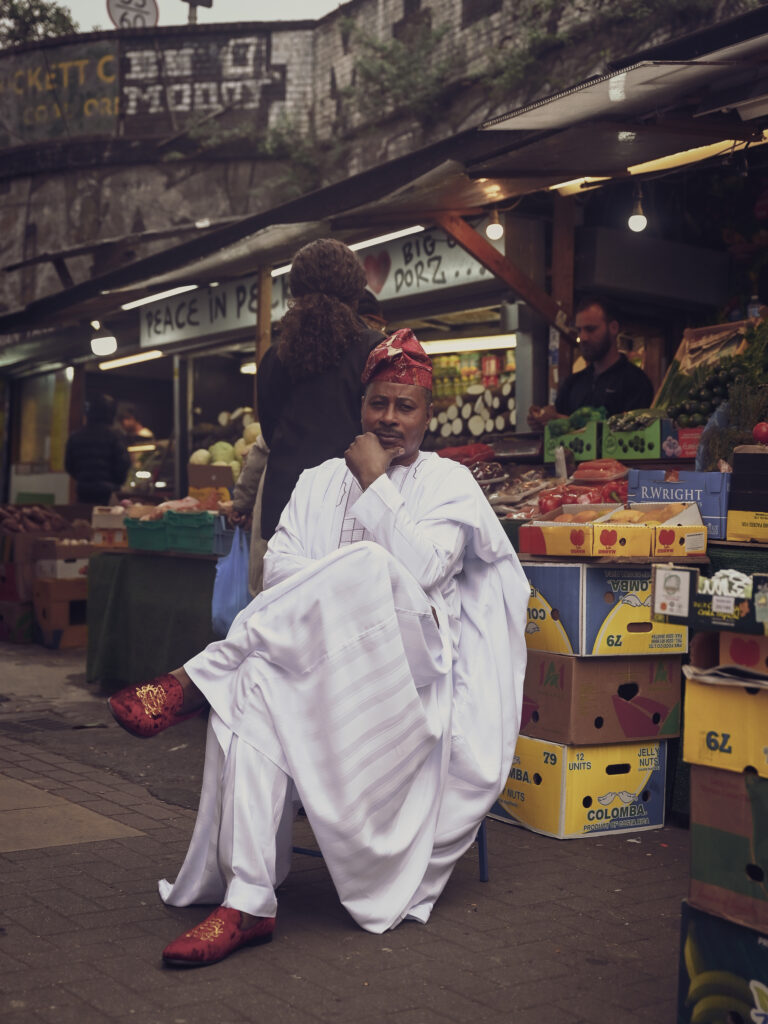
His lens turns Peckham into more than a neighborhood. It becomes a reminder that home is not fixed to geography but carried in language, clothing, rituals, and gestures. “I hope these images make people feel something,” he says quietly. “Home isn’t just one place—it’s in the way we dress, the way we laugh, the way we carry ourselves. It’s in every step we take.”
Through Olashile’s photographs, Little Lagos becomes a mirror for the global Nigerian story: unshaken, visible, and alive. Each frame is both memory and declaration, proof that identity does not fade in migration—it multiplies.