
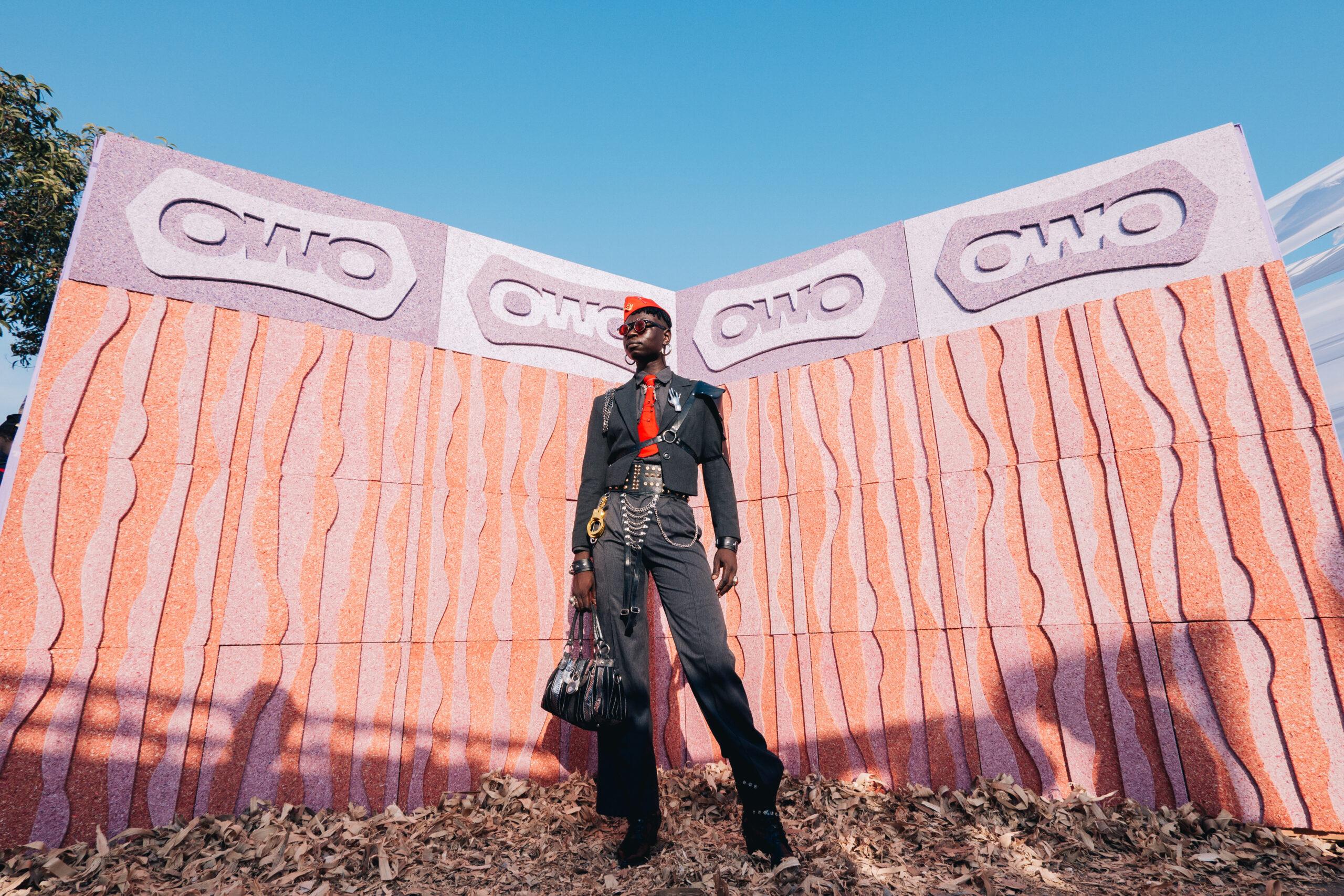
Accra’s Kantamanto Market transformed into a stage of color, ingenuity, and defiance last month. The annual festival known as Obroni Wawu October, or OWO 25, drew hundreds of designers, tailors, stylists, and thrifters into a celebration that reimagined what fashion can be when it begins with what the world throws away.
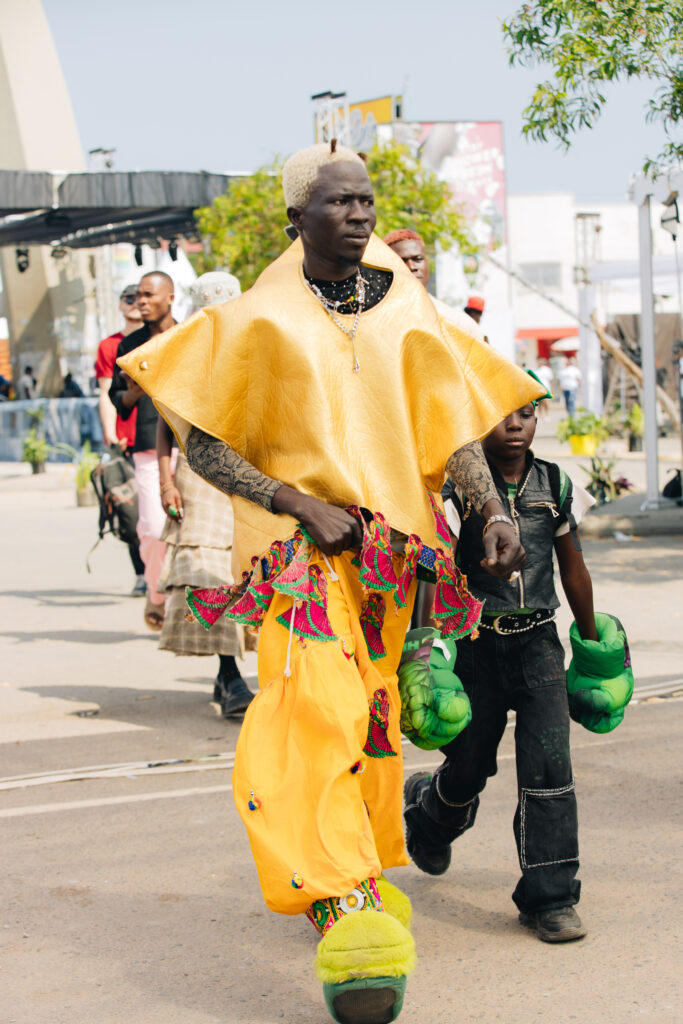
OWO 25 unfolded across the bustling lanes of Kantamanto and into nearby Rawlings Park, turning one of the world’s busiest secondhand clothing markets into an open-air atelier. The event blended fashion showcase, community gathering, and cultural protest—demonstrating how creativity thrives in the margins of the global fashion system.
Kantamanto is central to that story. Every week, millions of used garments arrive in Accra from the Global North, shipped in tightly packed bales and sold through a network of traders and repairers. For decades, this trade has sustained thousands of livelihoods while also exposing the city to the consequences of fashion overproduction. Out of that tension, OWO was born—a festival that turns a site of fashion’s excess into a platform for artistic and social renewal.
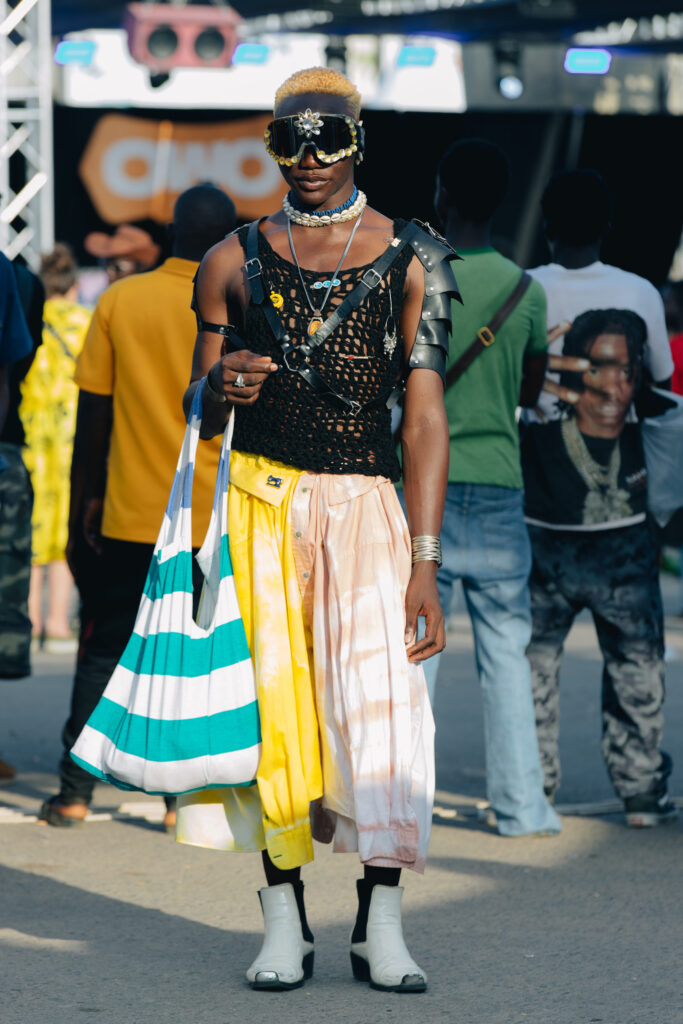
The 2025 edition was the most ambitious yet. Over several days, workshops, runway shows, and installations celebrated the skill and spirit of Ghana’s creative economy. The Drip Contest, one of OWO’s most anticipated events, invited participants to craft striking outfits made entirely from thrifted or upcycled materials. Layered denim, re-stitched silks, and vivid Ghanaian wax prints reappeared as bold, one-of-a-kind statements. The looks were playful and political—proof that sustainable fashion can deliver impact.
At its core, OWO 25 reflects the work of The OR Foundation, the Ghana- and U.S.-based nonprofit that organizes the festival. The organization advocates for environmental justice within the fashion industry and supports the people who make reuse possible—market vendors, repairers, and the kayayei, young women who carry heavy clothing bales through Kantamanto’s alleys. Earlier in 2025, when a devastating fire tore through parts of the market, the organization launched relief efforts for affected workers. The festival that followed was both a revival and a reminder of resilience.
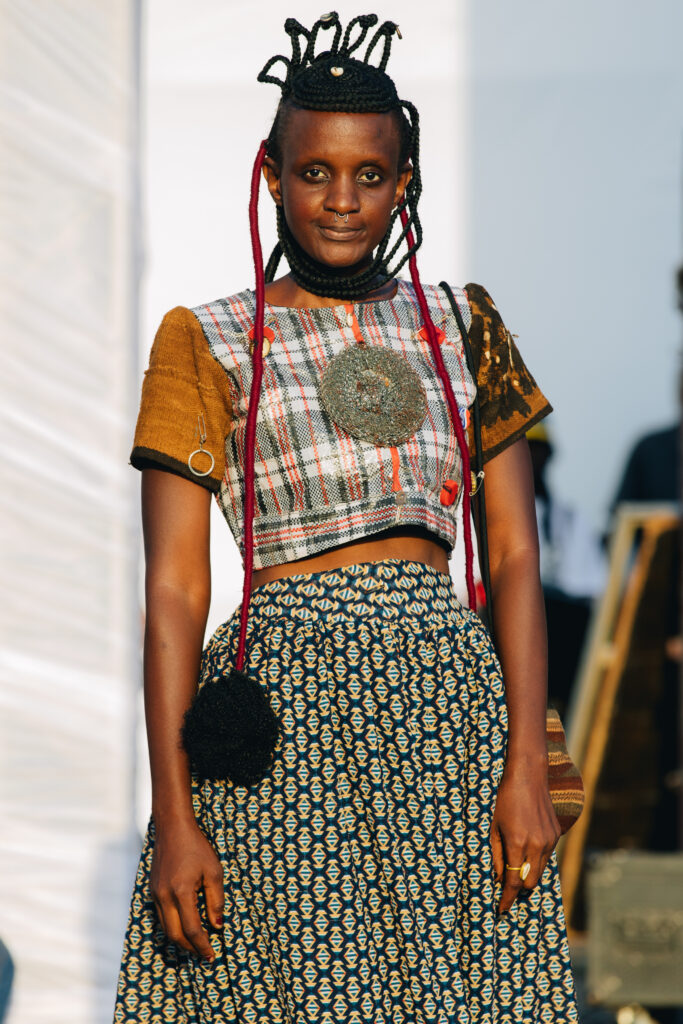
OWO 25 also reclaims language. The phrase “Obroni Wawu”—literally “dead white man’s clothes”—has long described the imported secondhand garments sold in Ghana. The festival transforms that term into a declaration of pride, reframing used clothing not as waste but as raw material for reinvention. In Accra, garments with forgotten pasts are reborn as expressions of identity and resistance.
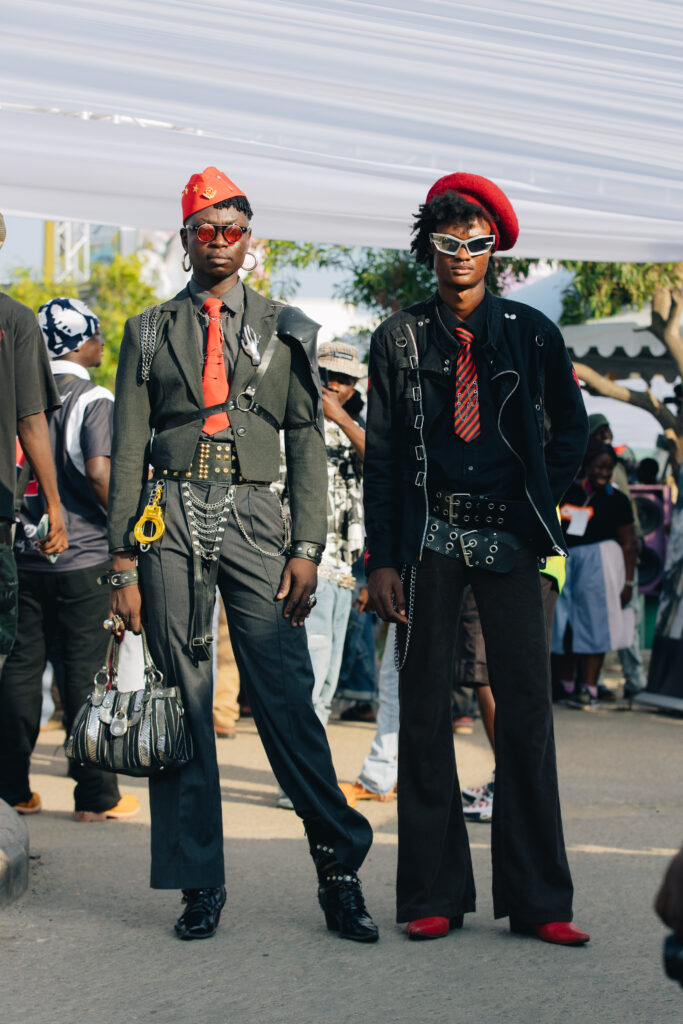
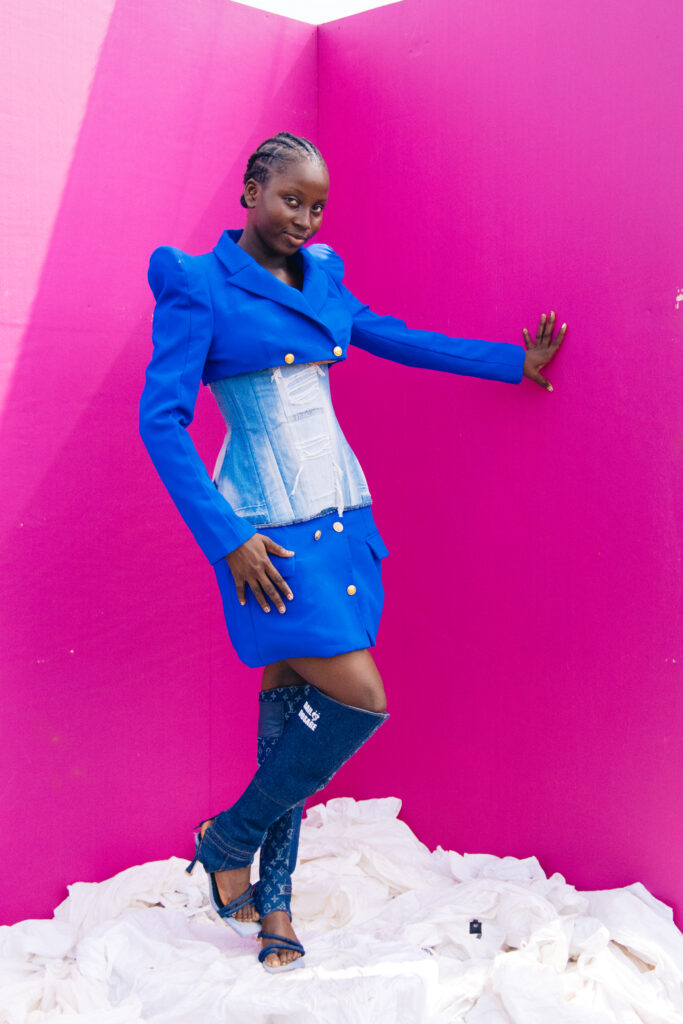
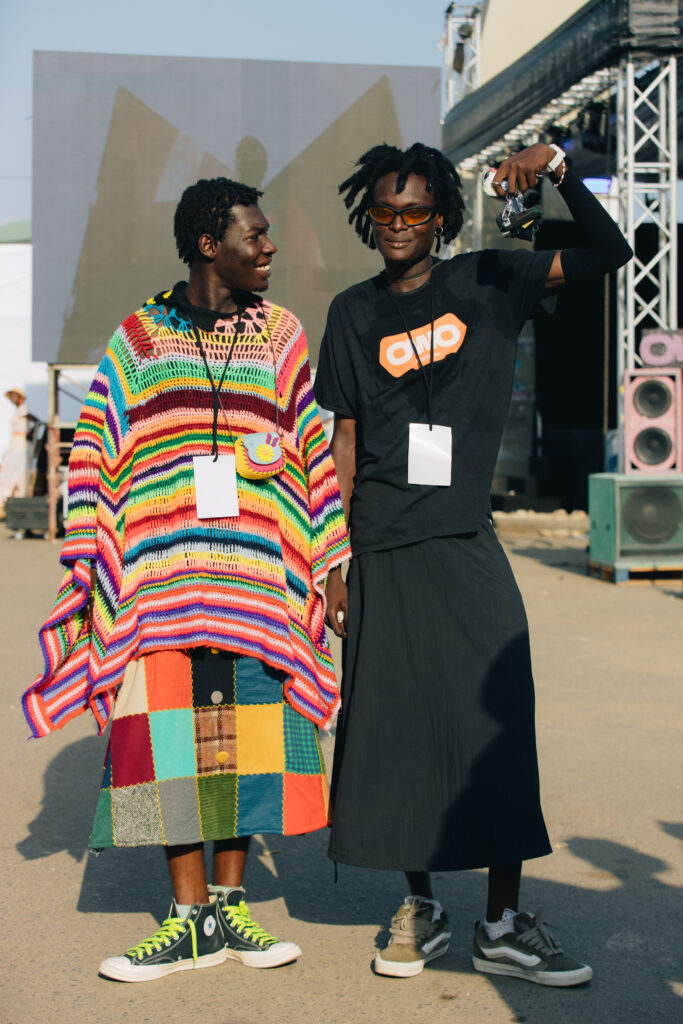
Street style during the event was electric. Photographers documented thrifters in layered patchwork, stylists in reworked blazers, and festival-goers whose ensembles combined traditional textiles with modern flair. The crowd was as diverse as the clothes themselves—vendors, students, designers, activists—all part of a shared narrative about ownership and creativity.
Beyond its aesthetic appeal, OWO 25 carried quiet urgency. The festival posed difficult questions about responsibility in global fashion—who makes, who discards, and who rebuilds. In celebrating reuse, it positioned Accra as a leader in rethinking fashion’s future, one that values repair, resourcefulness, and dignity over excess.
As dusk fell over Kantamanto, the streets shimmered with color and rhythm. The music faded, the stalls closed, and yet a sense of permanence lingered. OWO 25 was not simply a festival—it was a statement of identity and intention. In Accra, style is no longer about the new; it’s about renewal. And in that renewal, the city has claimed its place as the capital of conscious style.