
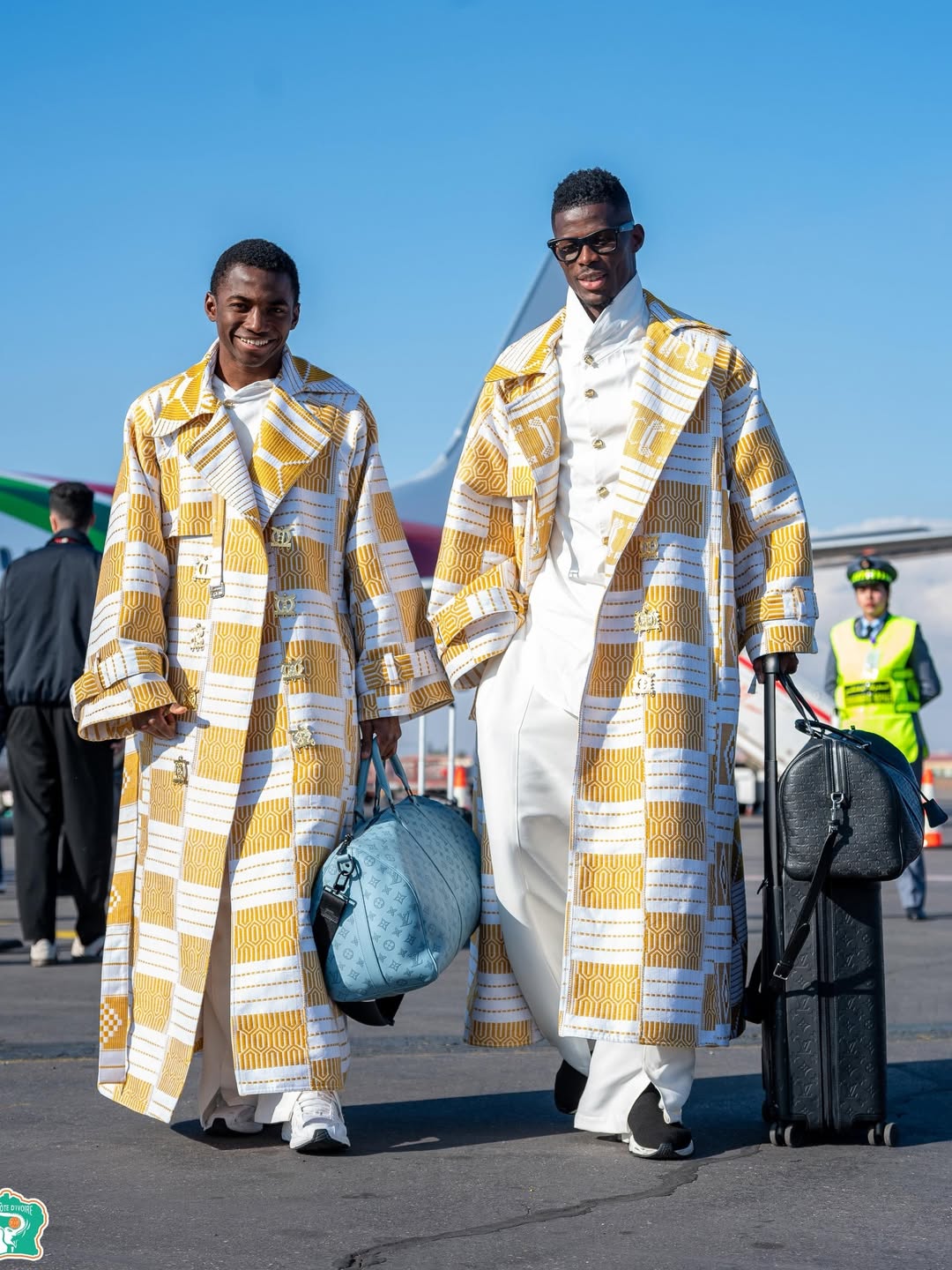
The Africa Cup of Nations is approaching its conclusion. After weeks of tightly contested matches across Morocco, AFCON 2025 has narrowed to its final contenders, with the championship scheduled for January 18.
But as the football has progressed, something else has become increasingly visible. AFCON 2025 has doubled as a cultural and economic preview of what African football will carry into the 2026 World Cup — not only in tactics and talent, but in how national identity is worn, consumed and circulated.
The numbers frame the scale: CAF projects $192.6 million in tournament revenue, with sponsorship alone contributing $126.1 million. This is African football operating as a commercial system, not merely a sporting event.
In host cities and far beyond Morocco, national jerseys have become everyday clothing. They appear in restaurants, offices, airports and watch parties — worn not just on matchdays, but throughout the tournament cycle. This has been especially evident in African diaspora communities, where AFCON functions as a focal point for public gathering and shared identity. With the World Cup less than a year away, fans are not treating AFCON kits as temporary. Purchases are being made with longevity in mind.
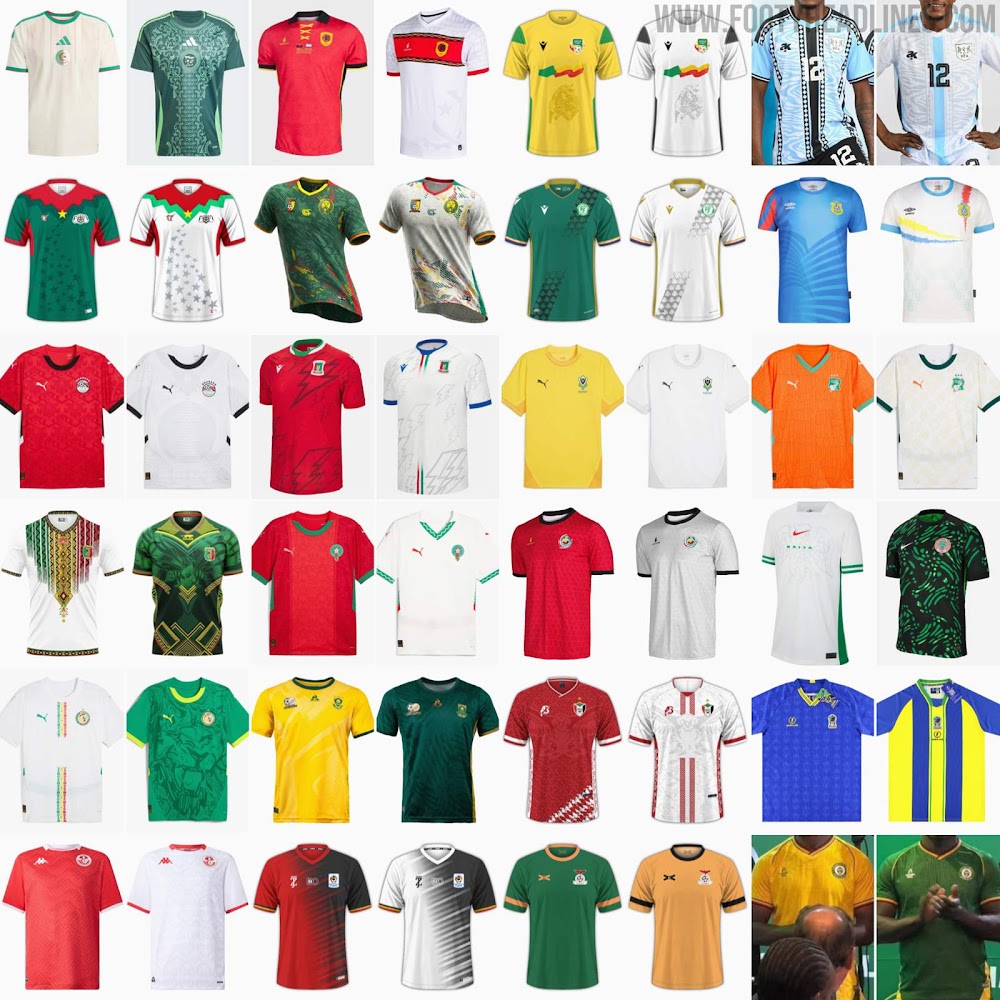
Sports dressing is no longer a side effect of football. It is a system.
AFCON 2025 features 17 different kit suppliers across 24 teams — an unprecedented diversity for a major international tournament. Puma leads with four teams, including host nation Morocco along with Egypt, Senegal, and Ivory Coast. But the real story lies elsewhere: Nike and Adidas each supply only one team. Nigeria wears Nike; Algeria wears Adidas. The global sportswear giants have been marginalized at Africa’s premier football competition.
The gap has been filled by regional manufacturers and smaller brands. Macron supplies three teams. Portuguese brand Lacatoni outfits both Angola and Mozambique. Local brands have emerged: Tanzania plays in kits from Dar es Salaam-based Sandaland. Several federations have moved kit production in-house entirely.
For consumers, the jersey has become a flexible object: part fandom, part fashion, part economic statement about who controls the visual identity of African football.
Players have played a central role in this economy, whether intentionally or not. Arrival outfits, warm-up gear, and post-match appearances have been documented as closely as goals. The message has been consistency rather than flamboyance: national colors worn with purpose, not performance. Visibility has not rested solely on star players. Squad members across positions have contributed to the visual saturation of national kits, broadening appeal and normalizing the jersey as daily clothing rather than event wear. This matters commercially. It widens the market.
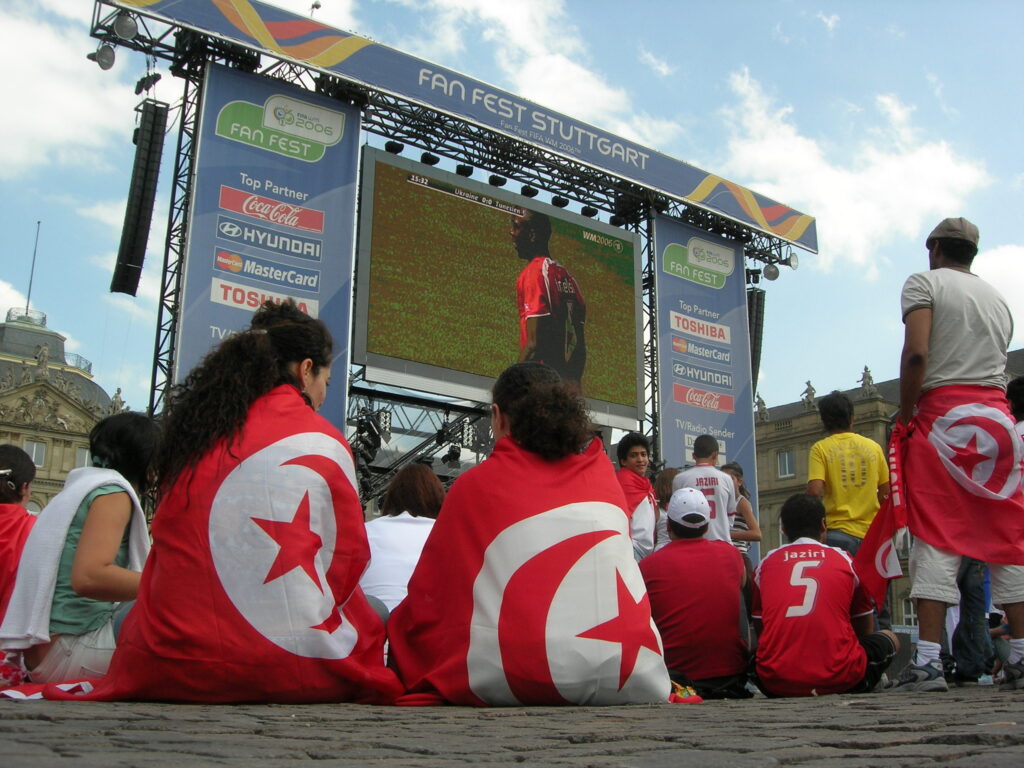
AFCON’s global reach has expanded, but its diaspora audience has become especially influential.
Ticket sales data reveals the geography: France leads overwhelmingly with over 109,000 tickets purchased — reflecting deep historical and migratory connections to North and West Africa. Belgium, the Netherlands, and the United Kingdom follow, but at a fraction of the French figure. For African communities abroad, wearing national colors during AFCON is both communal and political — a statement of belonging in spaces where identity is often negotiated. These consumers tend to purchase official merchandise earlier, retain it longer, and integrate it into everyday wardrobes.
Training tops and travel apparel have emerged as quietly important assets. These garments are less tied to results, easier to wear casually, and often produced in greater variety. For federations, they represent sustained revenue. For fans, they offer affiliation without formality.
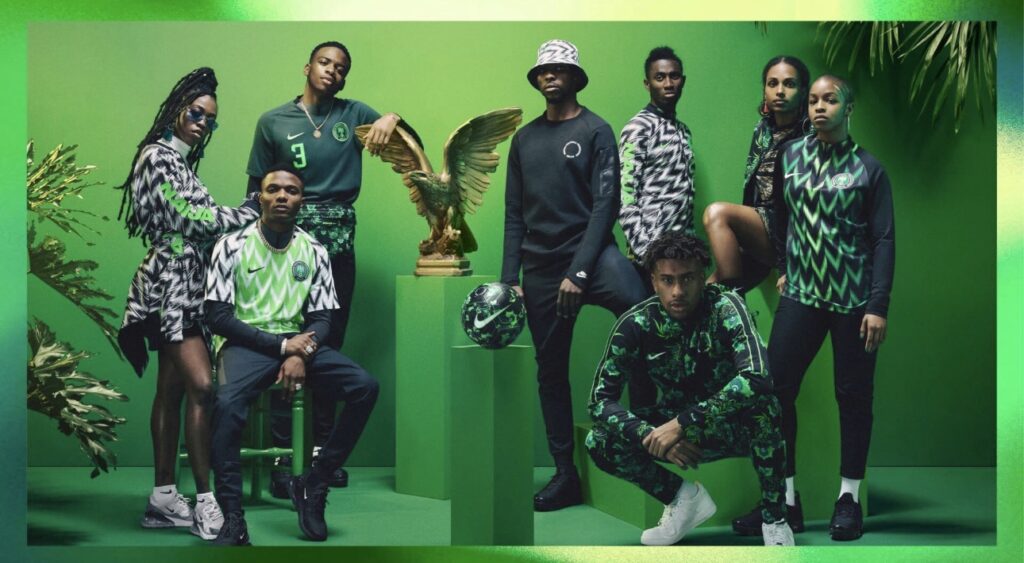
The precedent is instructive: Nigeria’s 2018 World Cup kit generated 3 million pre-orders before release — a figure that exceeded Manchester United’s global jersey sales that year. The design transcended sport to become a streetwear phenomenon, with resale prices reaching three times retail. That commercial moment demonstrated what African football merchandise could achieve when design resonates with diaspora identity. AFCON 2025 has highlighted how the secondary market of training and travel apparel now rivals match kits in cultural relevance.
Historically, AFCON has existed alongside the World Cup rather than within its orbit. This year, the distinction has blurred.
Teams have approached AFCON with one eye on 2026 — refining tactical identities, managing player workloads, and presenting coherent national images. Fans have behaved similarly, investing emotionally and financially with longer horizons in mind. With the 2026 World Cup set to take place largely in North America, this diaspora audience represents a critical bridge between AFCON and the global tournament to come.
AFCON has become less an isolated tournament and more a pre-market — competitive, cultural, and commercial — for the World Cup.
When the final is played on January 18, one team will claim the title. The celebration will be intense.
What will last longer are the images: the jerseys still worn weeks later, the colors still visible in cities far from Morocco, the commercial infrastructure that will carry African football into its next global cycle.
AFCON 2025 has reminded observers that football is never only about results. It is also about how nations choose to appear — and who captures the economic value when they do.
Best of Culture 2025
Oury Sene