
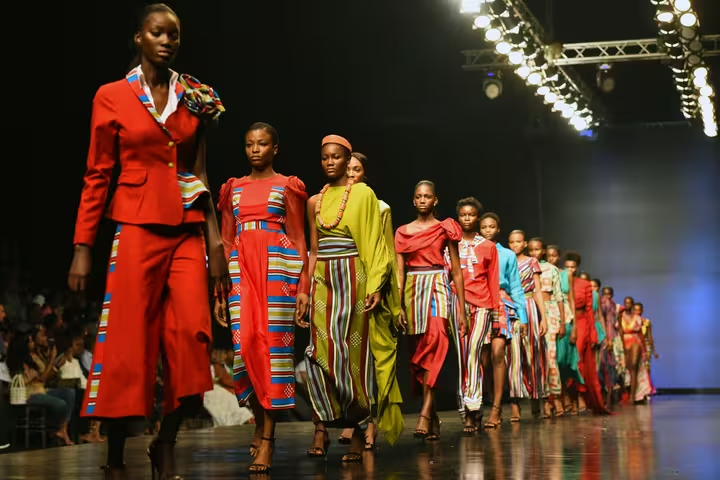
In recent years, a rising number of African fashion brands have aligned themselves with the language of sustainability. From recycled textiles and slow fashion campaigns to social impact promises and eco-conscious storytelling, African designers are, more than ever before, increasingly demonstrating a commitment to sustainable values.
Beyond individual designers, visions and strategies for sustainability are a recurring item across panel discussions and forums for African fashion. At the heart of these green narratives lies a deeper question: what is driving this shift towards sustainability, and on whose terms?
Sustainability, in itself, is not a bad thing. In fact, it is essential. But sustainability messaging has to be traced to global fashion discourse, often reflecting Western anxieties about overconsumption, climate collapse, and industrial excess. These concerns are rooted in the specific material conditions of the Global North.
As African brands increasingly position themselves within global markets, they are conforming to these expectations, often without the same infrastructural support, historical context, or autonomy.
Sustainability in Western fashion did not emerge from a neutral position or moral awakening. It came about from cultural pitchforks demanding climate accountability, a thorny mix of social movements, grassroots environmental and labour activists forcing an industry to reckon with its ecological and ethical footprints.
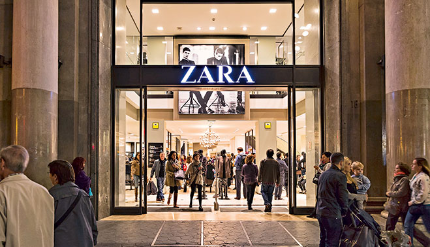
Though these efforts have largely produced cosmetic outcomes, sustainability’s origins were shaped by external pressure—and continue to be shaped by it. The fast fashion boom (H&M, Zara, etc.) of the 2000s-2010s led to enormous textile waste and landfill overflow. Catastrophic events like the 2013 Rana Plaza factory collapse in Bangladesh mobilized global outrage, exposing exploitative labor conditions and unsafe production systems.
Read the full WORN OUT series:
Part I — The True Cost of Your Donated Clothes
Part II — How African Governments Are Responding to the Textile Waste Crisis
These years were marked by overproduction, hyper-consumption, and a waste crisis that necessitated sustainability as a response from within the industry. In doing so, pockets of opportunities emerged. Enter green capitalism and greenwashing, where Western brands began to co-opt sustainability as a marketing strategy.
With EU directives and UN sustainability goals, pressure mounted on corporations to report environmental metrics. Sustainability became a compliance issue rather than a cultural or ethical transformation, tied to regulations and investor expectations.
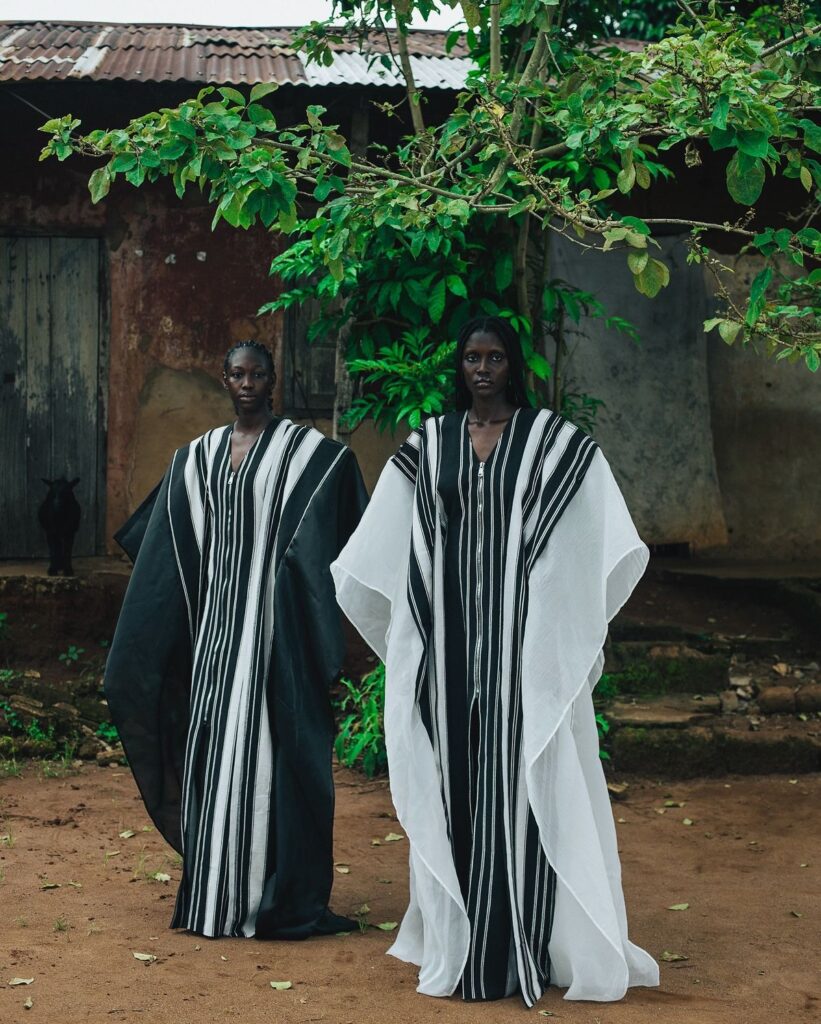
While African fashion practices have long been inherently sustainable (due to localized production, upcycling, craft traditions), African designers are now expected to be sustainable.
Sustainability technology—innovations and tools designed to reduce environmental waste—is shaping venture capital appetites towards investment in African fashion. Though demands are not explicit, African brands are largely ignored due to their lack of technological integration and scalability potential in that regard. From AI to reduce inventory waste to supply chain transparency tools, these technologies, while solution-oriented, align more with Euro-American consumer values.
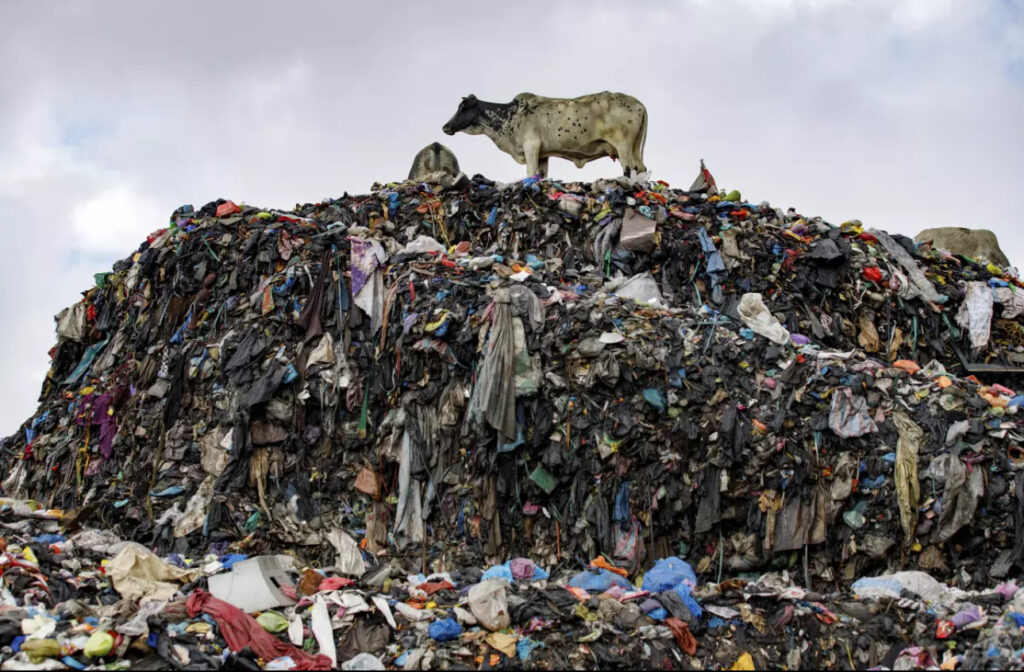
Sustainability expectations for African brands also need to be understood through the asymmetrical disposal system between the Global North and Africa within the fashion industry. Overproduction by Western countries allowed for a system whereby discarded garments overflow into African countries under the guise of “secondhand donations.”
Much of this is unwearable waste flooding markets in Lagos, Accra, Nairobi, and Kampala, undercutting local textile economies and overwhelming municipal waste systems. This material imbalance places responsibility on a continent to clean up a mess it didn’t cause while adopting eco-conscious narratives in order to access grants, international funders, buyers, and curators.
Additionally, the expectation that African fashion brands participate in sustainability dialogues often sidelines their more pressing economic needs: infrastructural development, manufacturing sovereignty, and access to regional markets.
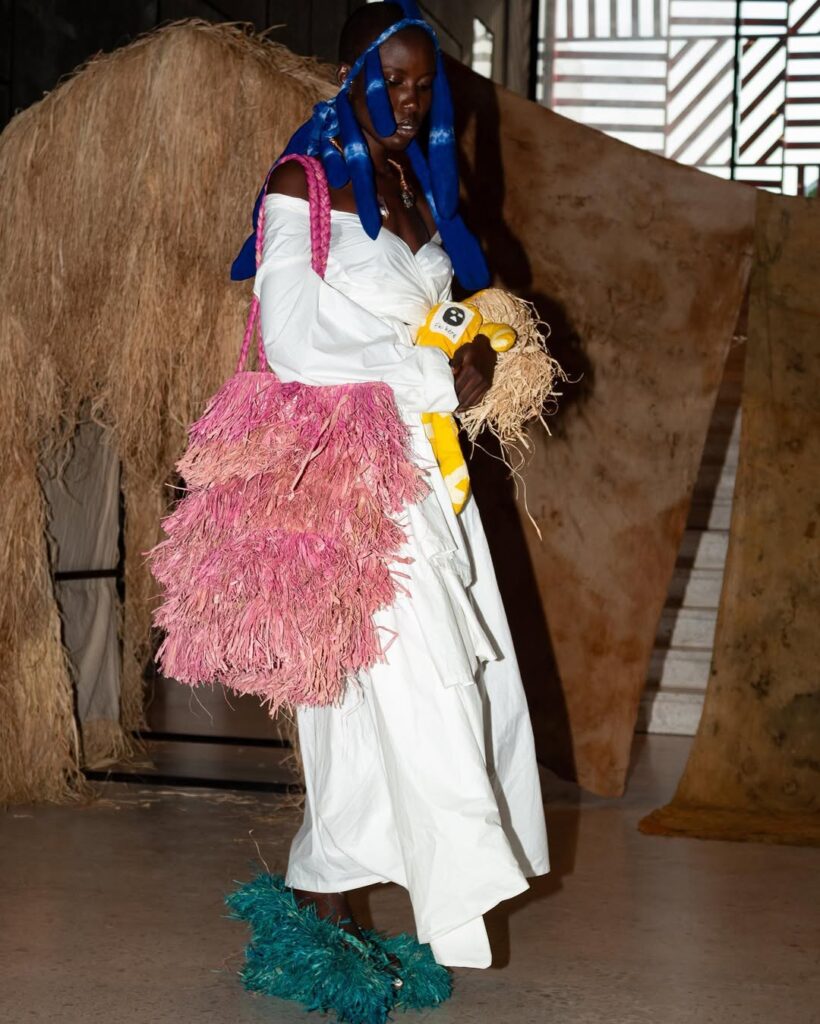
Historically, African fashion has always been rooted in sustainable practices, long before it was fashionable or hashtagged. Tailors altered and amended clothing. Fabrics were passed down, repurposed, and shared. Garments were made to last, not disposed of by season. Yet when this heritage is reframed through contemporary sustainability paradigms (like LEED-certified operations or supply chain traceability), it can feel like African fashion is being asked to prove its moral worth using tools it didn’t invent.
This isn’t to suggest that African designers shouldn’t care about sustainability. Many already do, out of necessity. But we must ask: what does sustainability mean in Lagos, Nairobi, Accra, or Bamako? In cities where electricity is unstable, shipping is prohibitively expensive, and raw materials must often be imported, the idea of “sustainable production” looks vastly different from a Copenhagen atelier or a Berlin showroom.
What’s needed is a recentering of African ecological logics: ways of making, wearing, and mending that emerge from the continent’s own environmental, spiritual, and economic realities. Sustainability should be reframed not as a borrowed virtue but as a living practice deeply embedded in African communities and textile ecologies. Otherwise, we risk turning African fashion into a spectacle of ethical compliance, forever chasing foreign validation.
If African fashion is to survive—and thrive—it must be allowed to imagine sustainability differently. Not as a checkbox on a funding application or a buzzword on a runway, but as a philosophy rooted in continuity, kinship, and care. Perhaps, African designers can build futures that are truly their own.
Read the full WORN OUT series:
Part I — The True Cost of Your Donated Clothes
Part II — How African Governments Are Responding to the Textile Waste Crisis
WORN OUT — Part III: Return to Sender