Sustainability and Ethical Fashion

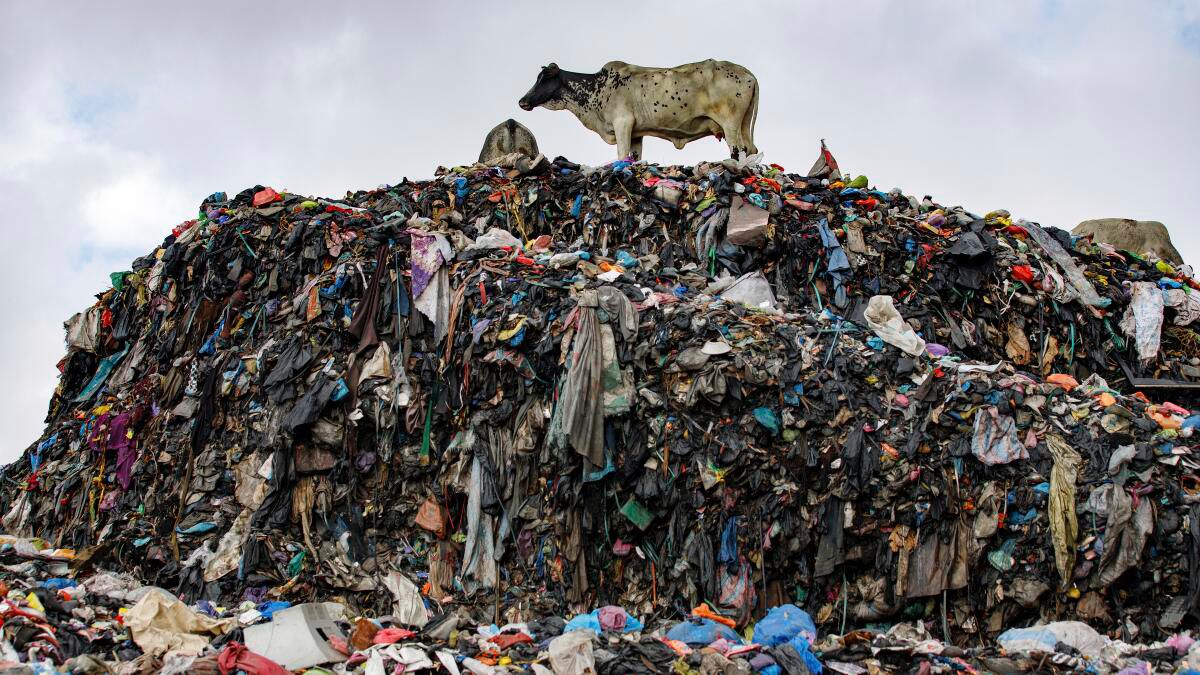
The bales arrive as they always have — compressed, labeled, shipped across oceans like cargo without conscience. They still overwhelm ports and markets, a visible symptom of a system that hasn’t stopped. But something has shifted in how they’re received.
Across Accra, Cairo, Dakar, workshops and studios are quietly changing the story. The same secondhand clothes that once threatened local economies are now being pulled apart, reworked, and sent back into the world — not as waste, but as a statement.
In Part I, we traced how colonial trade routes laid the groundwork for today’s dumping crisis. In Part II, we saw governments respond with policy and protest. Part III looks at something more radical: designers turning the problem itself into a tool for resistance.
The Third Way
Between outright bans and passive acceptance, African designers are carving out a third path. They’ve looked at mountains of discarded denim and polyester and seen more than debris — they’ve seen leverage.
This isn’t charity or survival work. It’s strategic intervention. It’s taking the overflow of overconsumption and using it to build new value on African terms. While governments debate restrictions, these creators are already on the ground, turning dumping sites into production hubs.
Their work challenges the entire global fashion hierarchy: who defines luxury, who absorbs waste, and who profits from both.

In coastal Taghazout, Mohamed Youss and Abdellah Ait Elmaalem transform vintage Moroccan carpets and jute sacks into timeless garments that feel like armor, move like memory.
Their process is intentionally slow, deliberately small-batch. Each piece carries the DNA of its past life while being reborn into something entirely new. It’s fashion as archaeology—digging into the discarded to uncover what endures.
“Transforming textile waste into beauty isn’t just our craft, it’s our protest against mass consumption. Upcycling allows us to tell new stories through old fabrics, rooted in Moroccan and African resilience and creativity.”
—Mohamed Youss & Abdellah Ait Elmaalem
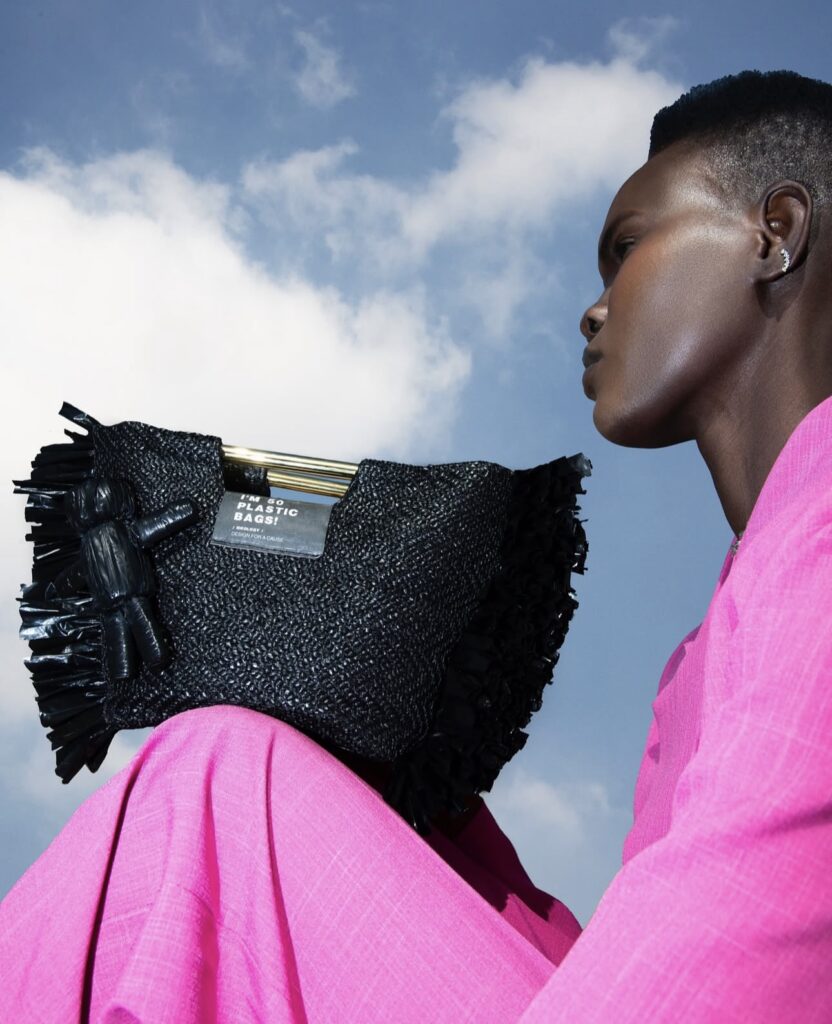

In Cairo, Mariam Hazem and Hend Riad have accomplished something that sounds like science fiction: they’ve taught plastic bags to become textiles.
Plastex, their signature material, emerges from traditional Egyptian looms transforming discarded plastic bags into something beautiful and functional. Since 2012, Reform Studio has proven that waste isn’t about what you throw away—it’s about what you fail to see.
“For us, working with waste is our way of designing for a cause, designing for a bigger purpose. Reform has always been an umbrella of many ‘Re’s: we see design as a re-creation of existing ideas, a redevelopment of objects, a reusing of materials, a reviving of cultures, and ultimately, a reforming of our world.”
—Mariam Hazem & Hend Riad
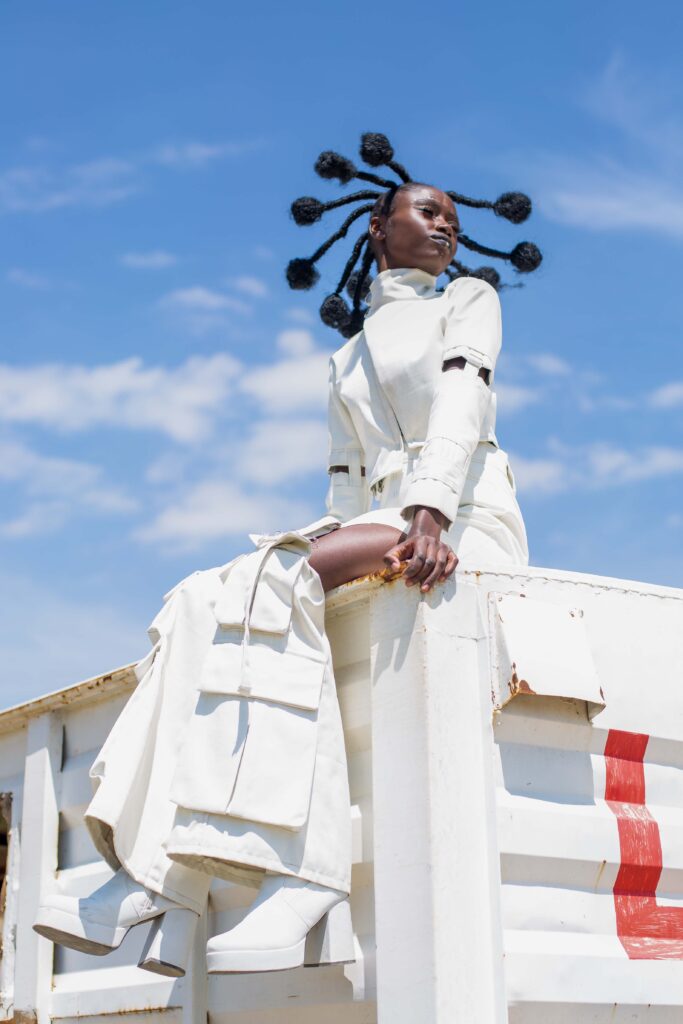

Near Lake Elementaita, Nur M’nasria has created something that defies categorization. Maisha by nisria is part design studio, part social enterprise, part revolution.
The name gives it away: Maisha means “life” in Swahili. And life flows through everything they do—breathing new purpose into secondhand clothing while teaching young women that creativity isn’t just expression, it’s economics.
“At Maisha by nisria, upcycling is a philosophy. It’s about teaching the youth we work with to see value in what they already have—in materials, in themselves, in their stories. We believe creativity is a powerful solution, not just to textile waste, but to the broader challenges of self-worth, economic exclusion, and environmental degradation. Through upcycling, we are not only reducing waste, we’re rewriting narratives and showing the world what’s possible when you choose to create instead of discard.”
—Nur M’nasria
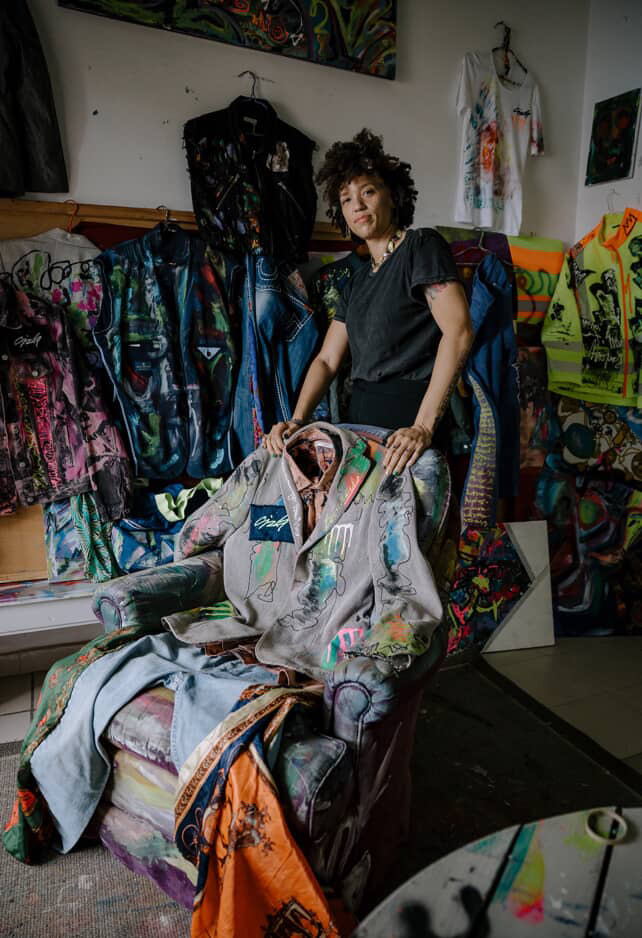
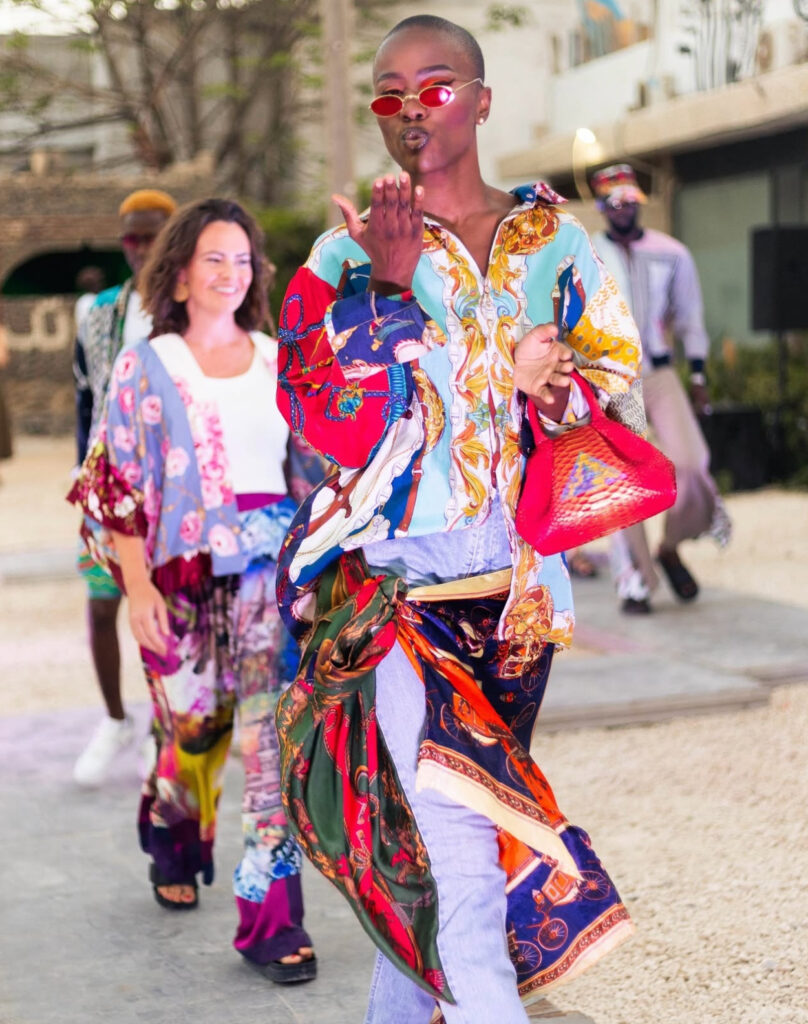
Gelisa George came to Dakar for two weeks and stayed forever. Not as a savior, but as a student—learning to see waste as raw material for reinvention.
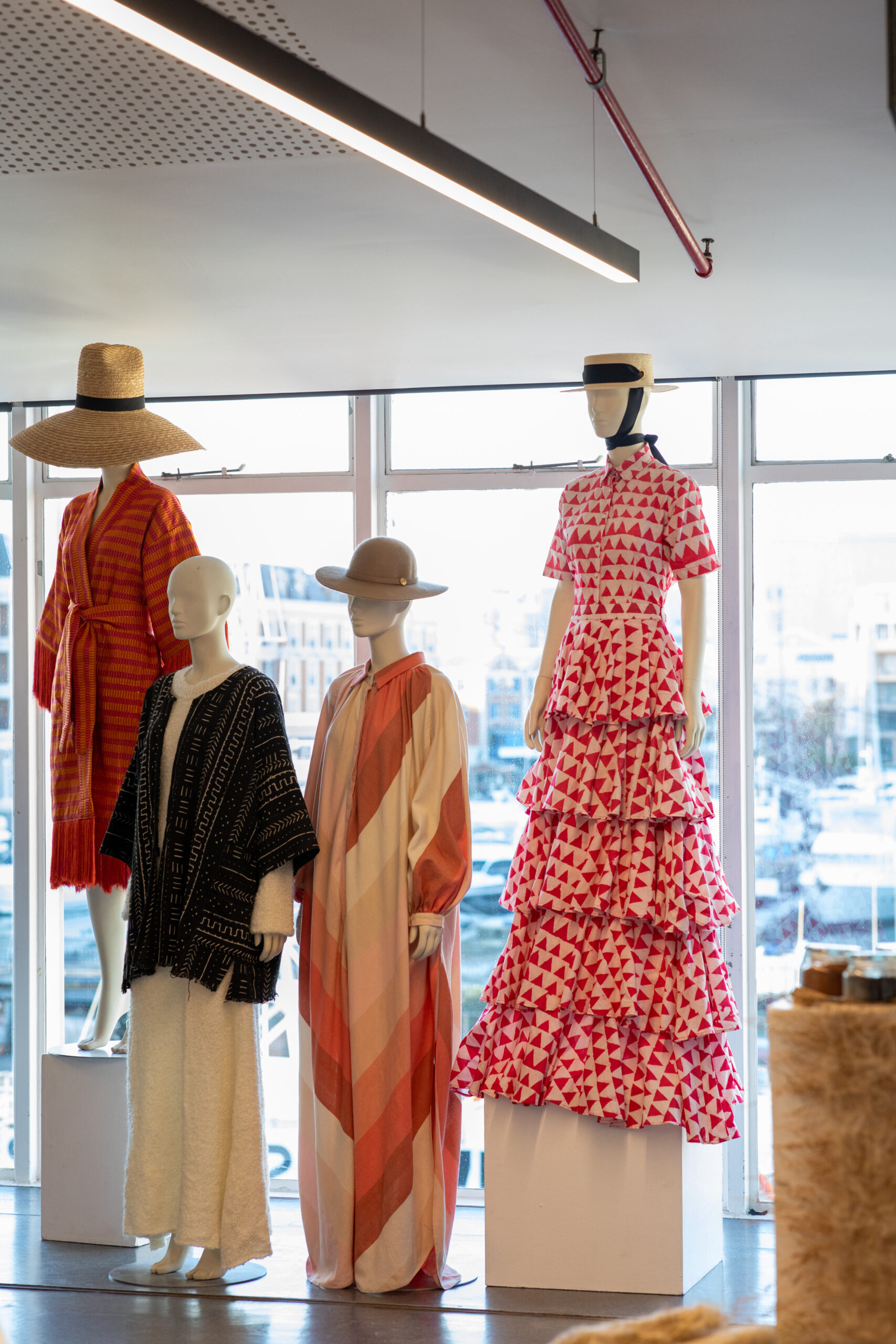
Upcycler Dakar transforms secondhand garments into wearable canvases—each piece hand-painted, reimagined, wholly unique. Her studio has become a sanctuary for mindful making in a city that pulses with creativity and resilience.
“Working with secondhand clothing and recycled textiles is essential to my brand because it reflects the power of transformation. Turning what’s been discarded into one-of-a-kind pieces through paint and art, I breathe new life into what was once overlooked. It’s about turning trash into treasure, creating consciously with what already exists, and honoring the redemptive power of art. As creators, I believe we carry a responsibility to be mindful of what we produce, why we create, and how our work impacts the world around us.”
—Gelisa George
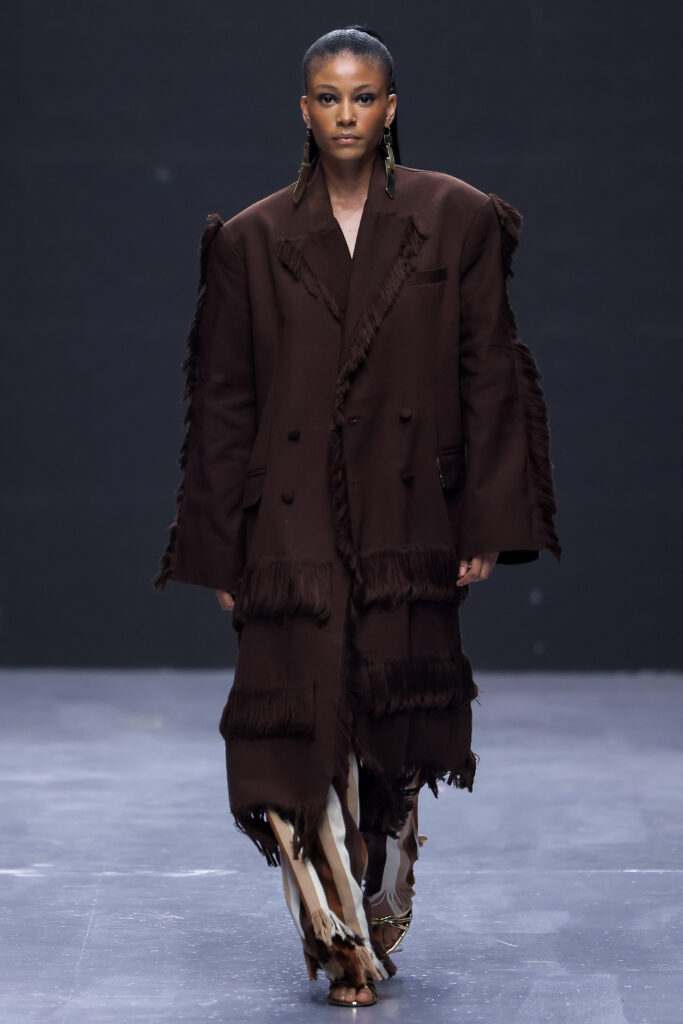
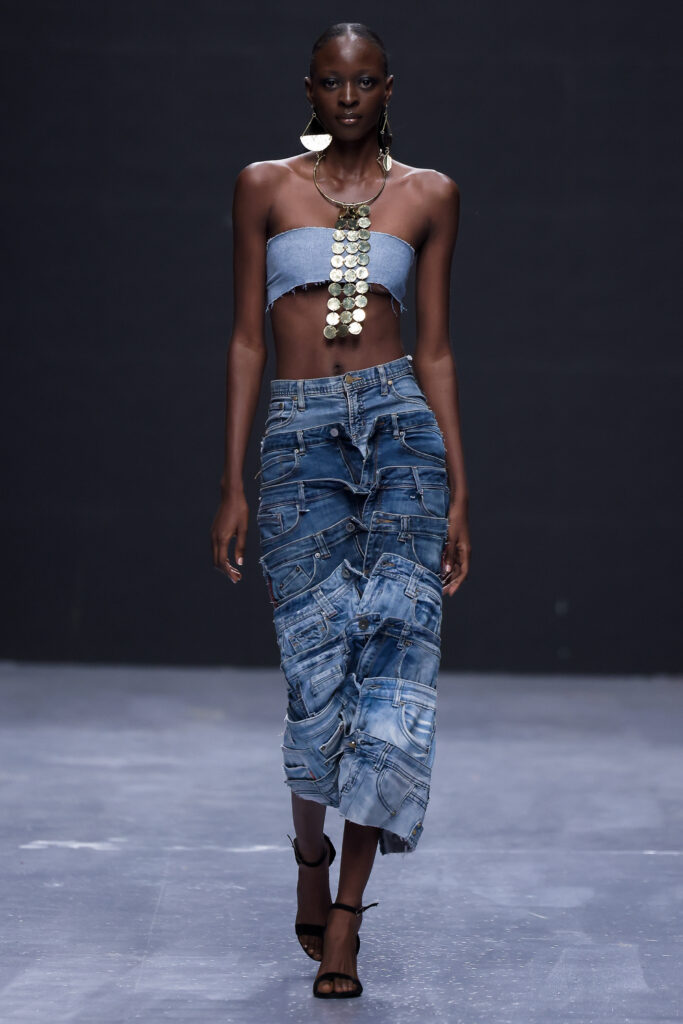
David Kusi Boye-Doe and Nana Kwadwo Duah built their brand on Sankofa philosophy: look back to move forward. BOYEDOE takes textile waste from Ghana’s overwhelmed secondhand markets and merges it with traditional smock fabrics.
This is Afro-luxury redefined. Not luxury as excess, but luxury as meaning. Each piece reflects both heritage and innovation, proving that valuable fashion isn’t made from expensive materials—it’s made from intentional ones.
“Textile waste isn’t just a material for me—it aligns deeply with my creative identity. I’m driven by a commitment to preserve the continent’s heritage, creativity, and future, and I believe true craftsmanship must go hand in hand with environmental responsibility. Within the discarded, I see not waste but the possibility for reinvention, resistance, and radical beauty.”
—David Kusi
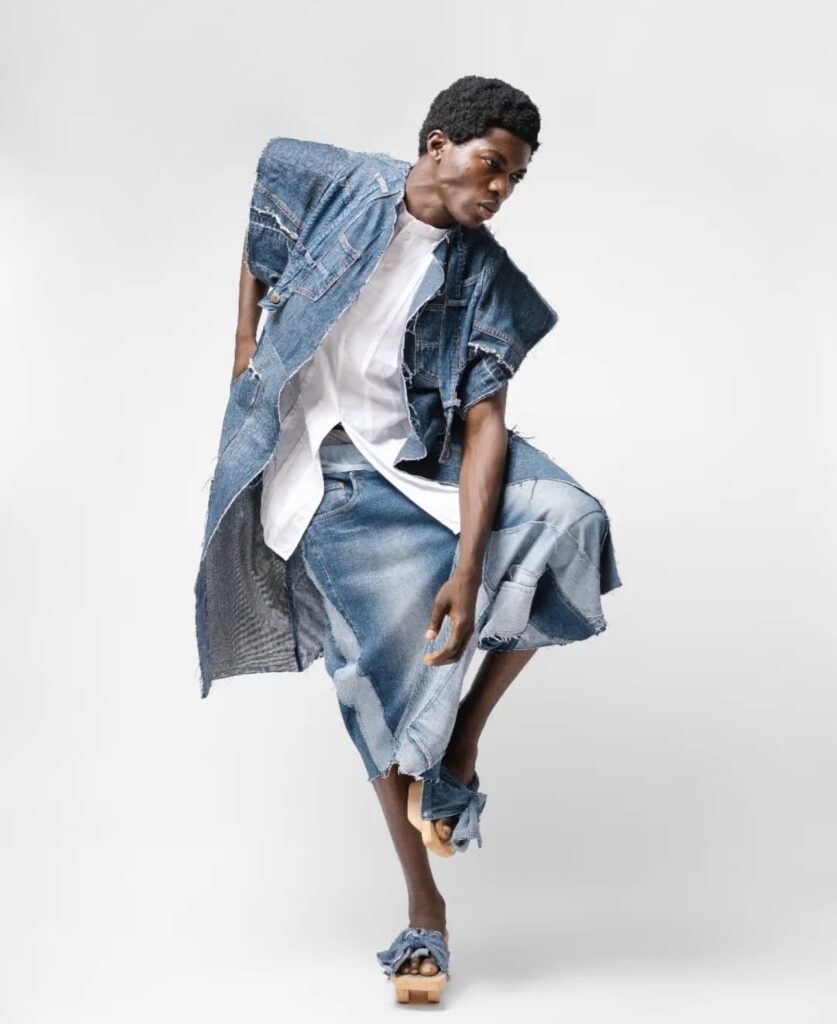
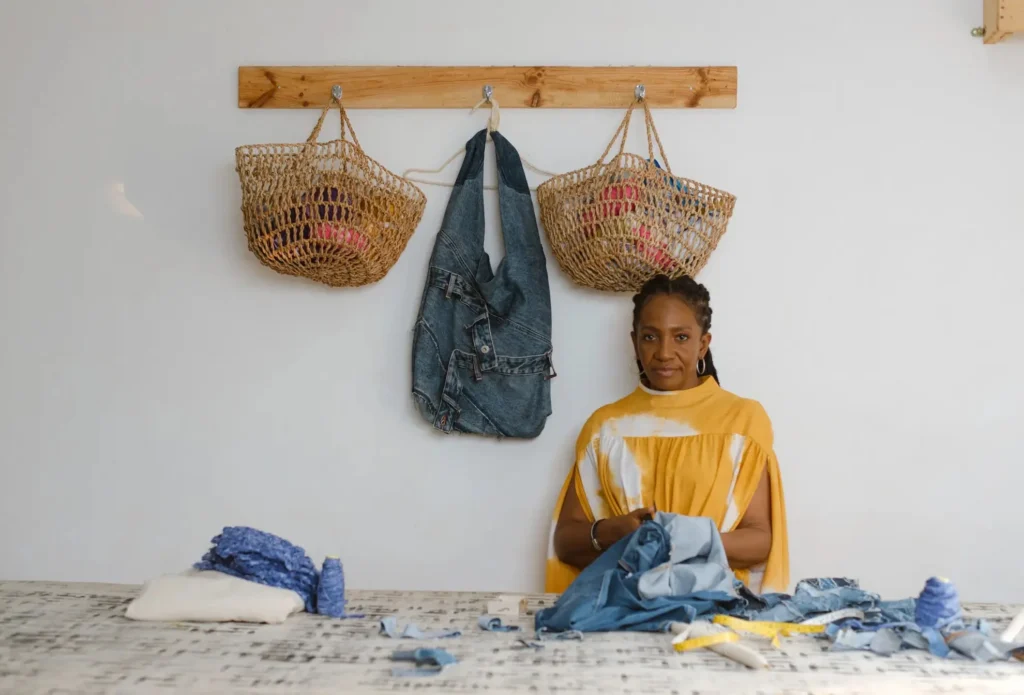
Nkwo Onwuka didn’t just create a fashion brand—she created a philosophy. NKWO operates on the principle of less: fewer pieces, more meaning. Lower impact, higher intention.
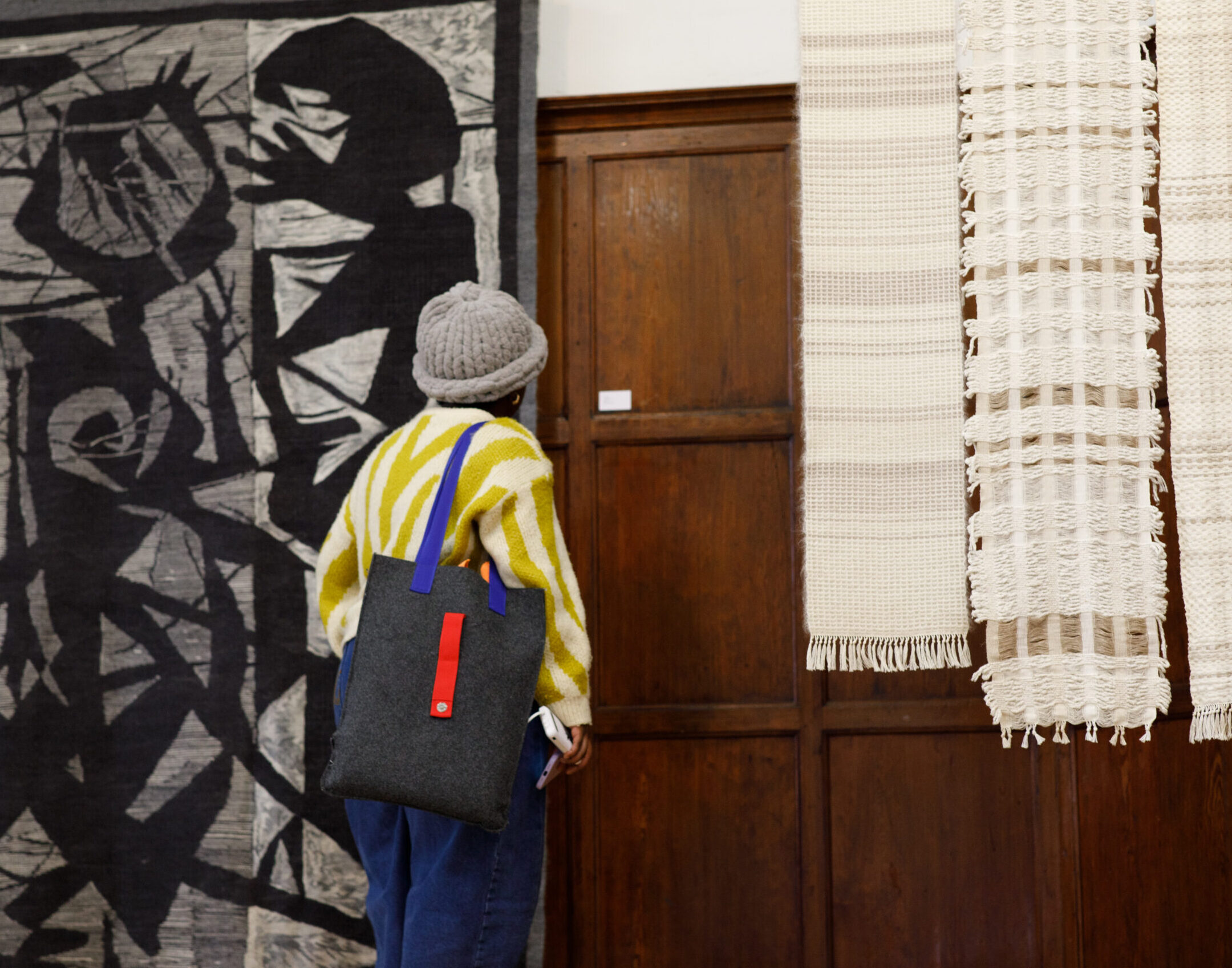
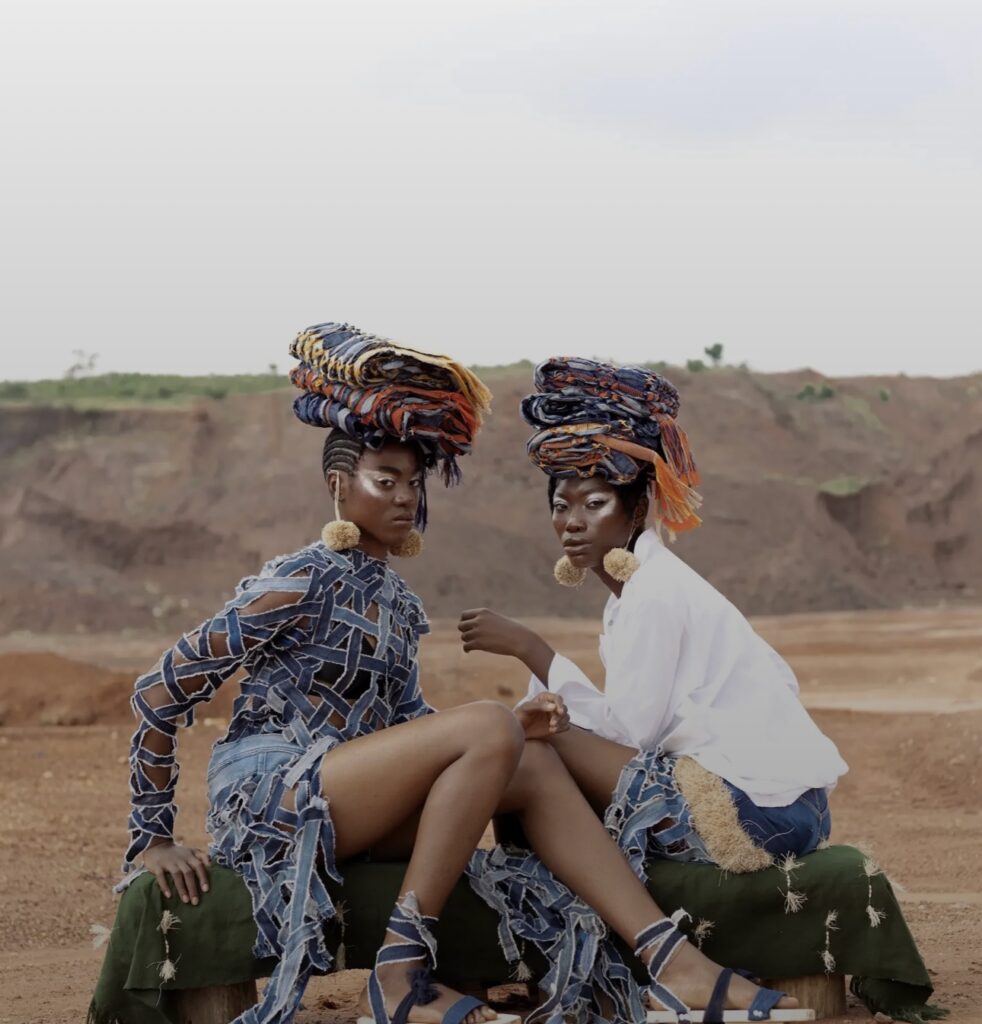
At the heart is Dakala™ Cloth — handwoven textile made from shredded denim and cotton waste, using indigenous techniques to address contemporary problems. The Transform Project trains vulnerable women in circular design, offering pathways to creative and economic independence.
Beyond Survival: Building Power
What these designers are building isn’t a workaround. It’s a shift in power. They are moving beyond managing waste into defining what value looks like in fashion.
The flow mapped in Part I — excess moving from Global North to Global South — is starting to reverse. What arrives as discarded material is leaving as sought-after design, reshaping how the world sees African fashion and who controls the narrative.
Boutiques in Brooklyn, Berlin, and beyond are buying upcycled African fashion not for novelty, but because it represents a viable alternative to fast fashion’s cycle. These designers compete on principle and precision, not price.
It raises a bigger question: What happens when the Global South stops absorbing excess and starts exporting excellence?
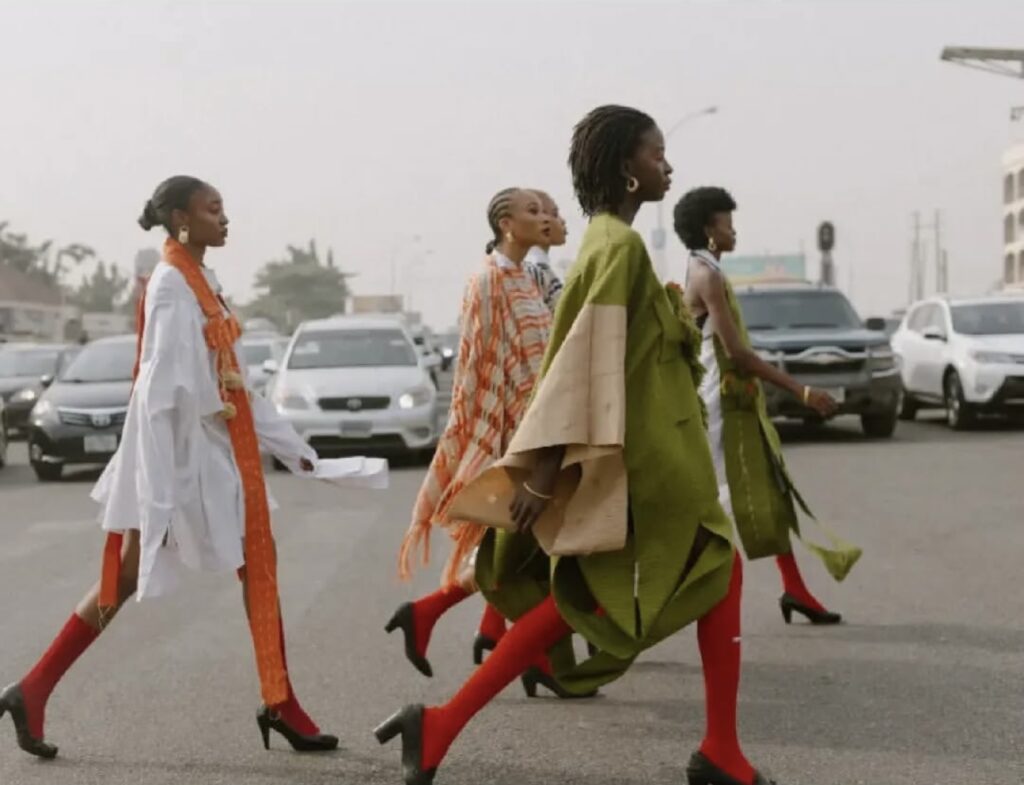
The bales still come. That remains the crisis. But what leaves African shores now carries a different weight. In the hands of these designers, waste becomes evidence of resilience, of skill, of a refusal to let fashion’s system define the continent’s future.
What’s being sent back isn’t revenge; it’s proof. Proof that discarded clothes can become currency for change. Proof that African fashion won’t be a dumping ground, it will be the ground on which a different fashion economy is built.
The story doesn’t end with these six brands. It’s part of a larger continental movement: young people learning to see value in the discarded, artisans using traditional techniques to solve modern crises.
The bales keep coming, and that’s the urgency. But now they’re met with something the system didn’t account for — a network of designers turning its waste into a warning and a blueprint.
This isn’t a story of waste becoming wonder. It’s a story of waste exposing the system, and African designers forcing the industry to answer for it.
Read the full WORN OUT series:
Part I — The True Cost of Your Donated Clothes
Part II — How African Governments Are Responding to the Textile Waste Crisis