Sustainability and Ethical Fashion

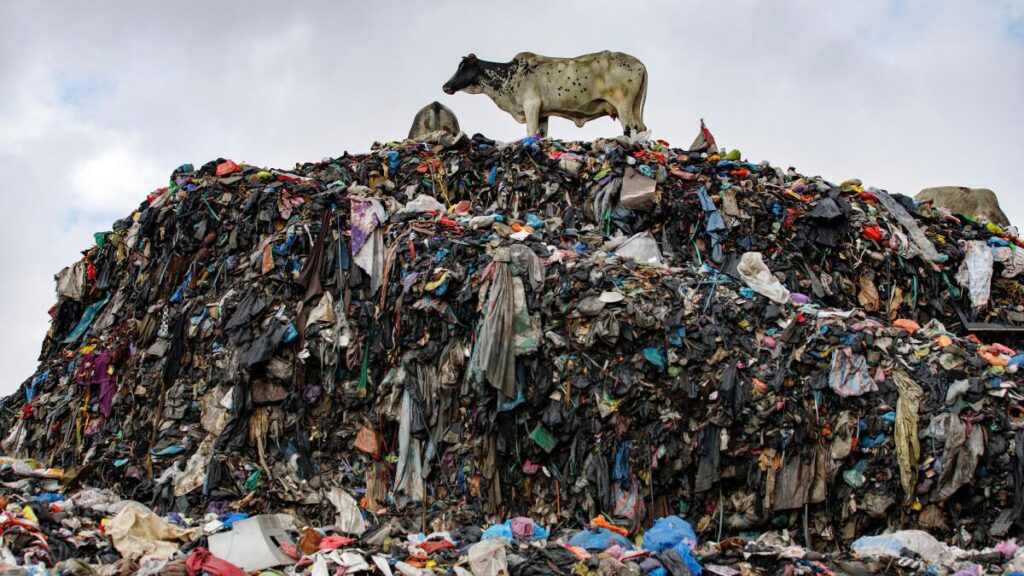
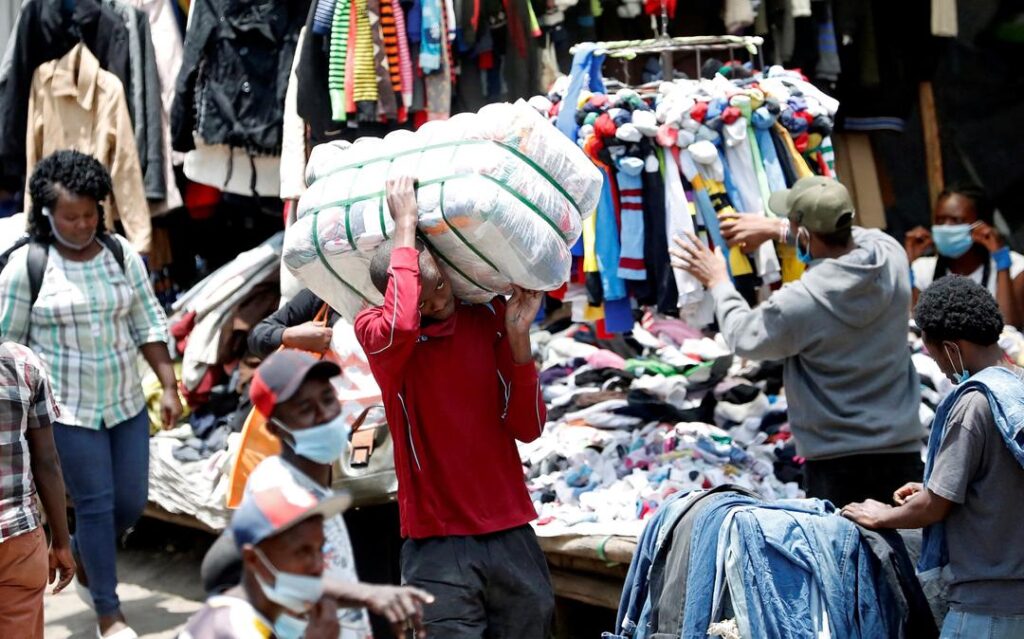
Western wardrobes don’t end in Europe or North America. They spill quietly, devastatingly onto African soil, packed into shipping containers and sold in open-air markets under the guise of “donations.” But from Accra to Kigali, Dakar to Lusaka, something is shifting.
The bales keep arriving. The markets keep choking. But across the continent, a patchwork of resistance is emerging—some governments imposing bans, others raising tariffs, many remaining dangerously silent. This isn’t just about trade policy. It’s about who gets to decide what Africa wears, who profits from that decision, and who pays the price when the system breaks down.
From the bold defiance of some capitals to the calculated silence of others, a pattern emerges: the slow, uneven march toward something that looks like textile sovereignty. But the road is treacherous, and the forces pushing back are powerful.
Burkina Faso: The Radical Break
In early 2025, Burkina Faso did something unprecedented. President Ibrahim Traoré didn’t just restrict secondhand clothing imports—he banned them entirely. “It’s time for Africans to wear African,” he declared, placing Faso Dan Fani, the nation’s signature woven cloth, at the heart of an industrial revival.
The move sent shockwaves through the regional textile trade. Here was a government willing to cut the cord completely, to risk the economic disruption that comes with severing dependency. Traoré framed it as cultural dignity, but the implications run deeper. Burkina Faso is betting that local production can fill the void left by foreign waste.
Early results are promising but fragile. Weaving cooperatives report increased demand. Fashion schools see enrollment rising. But the infrastructure to support mass textile production remains underdeveloped, and the economic transition is far from complete.
The question reverberating across West Africa: Will others follow Burkina Faso’s lead, or will they watch from the sidelines as one nation attempts the impossible?
Ghana: Tariffs, Tensions, and Half-Measures
Three hundred miles south, Ghana tells a different story. In Accra’s Kantamanto market, the bales still arrive daily. Obruni wawu—literally “the clothes of dead white people”—remains the backbone of a massive informal economy, despite heavy taxation on imports.
Ghana’s approach has been incremental: raise tariffs, impose quality controls, support local advocacy groups like The OR Foundation. But enforcement remains weak, and the fundamental system persists. Government officials speak of “managed transition,” but traders and environmental groups see managed delay.
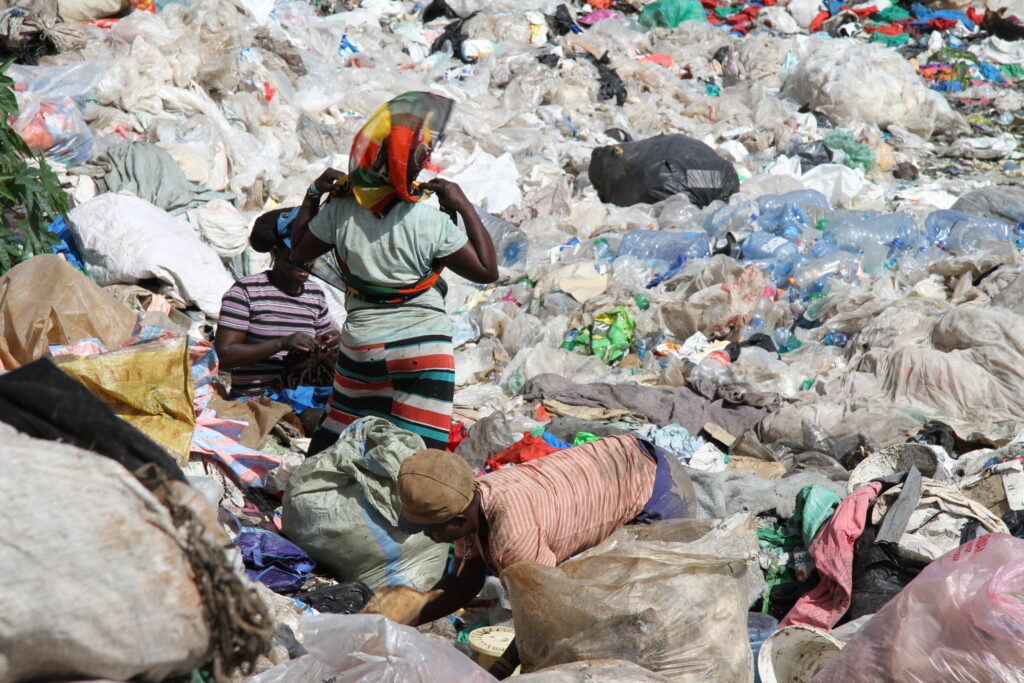
The contradiction is stark. Ghana hosts some of Africa’s most sophisticated research on textile waste impact, yet continues to accept the very imports destroying its coastlines. It’s a microcosm of the continent’s broader struggle: knowing the cost of dependency while remaining unable—or unwilling—to break free.
Nigeria: The Enforcement Mirage
Nigeria officially banned secondhand clothing imports years ago. On paper, it should be leading Africa’s textile independence. In practice, the policy is largely fiction.
Drive through Lagos, Kano, or Port Harcourt, and secondhand clothing markets thrive. The imports simply route through Benin, exploiting porous borders and weak regional coordination. Nigeria’s textile industry—once among Africa’s most robust—continues to struggle against informal competition it supposedly banned.
The gap between policy and reality reveals a deeper truth: bans without broader regional coordination, infrastructure investment, and enforcement capacity become political theater. Nigeria learned this lesson the hard way, watching its domestic industry collapse even as it maintained the pretense of protection.
Senegal: The Silent Market
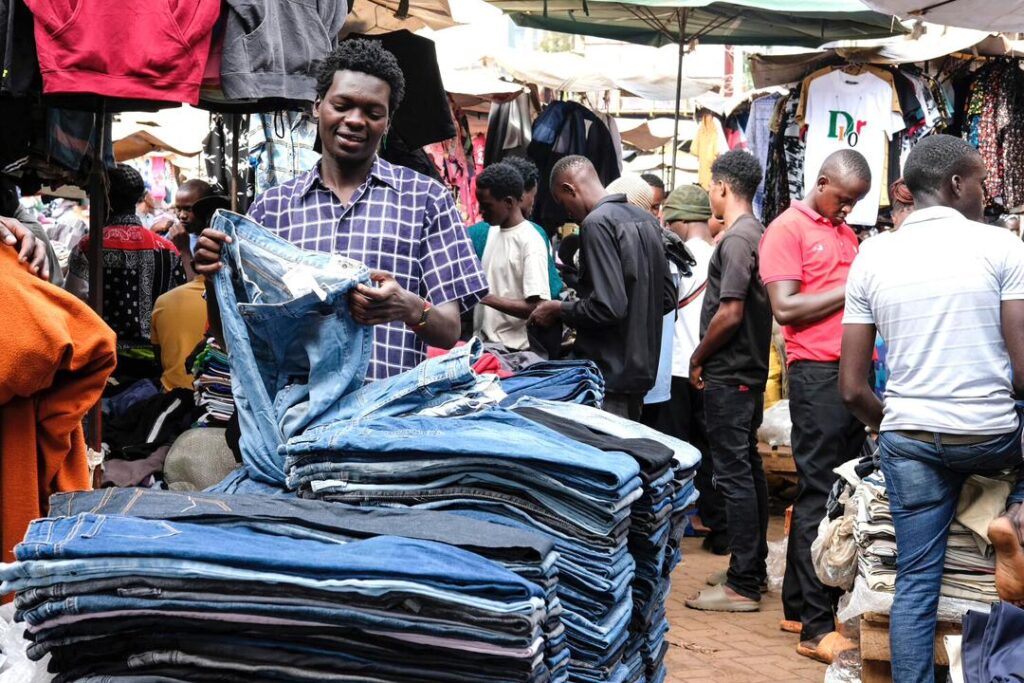
In Senegal, silence speaks volumes. The government neither bans nor heavily regulates textile imports. Dakar’s Sandaga and Colobane markets pulse with secondhand trade, and no major policy shifts appear on the horizon.
Friperies—as used clothing shops are known locally—operate in a regulatory vacuum. Fashion activists and designers call for government action, but political will remains absent. It’s a stance that reflects broader West African ambivalence: the problem is acknowledged, the solutions debated, but decisive action deferred.
In 2016, the East African Community made a promise that sent shockwaves through the global textile trade. By 2019, Rwanda, Kenya, Uganda, Tanzania, and their regional partners would ban secondhand clothing imports entirely. It was ambitious, coordinated, and ultimately doomed by external pressure.
Rwanda: Holding the Line
Rwanda kept its word. Despite losing access to the US African Growth and Opportunity Act (AGOA)—a trade deal worth millions in potential exports—the government held firm. By 2018, high tariffs became an outright ban.
The economic cost was real. AGOA revocation meant reduced market access for Rwandan goods, potentially costing jobs and investment. But President Paul Kagame’s administration calculated that long-term textile independence outweighed short-term trade benefits.
Results have been mixed but encouraging. Local fashion cooperatives report growth. Cultural events celebrate traditional textiles. A small but growing fashion economy has emerged. Rwanda proved that political will, even in a small market, can drive meaningful change.
The question is sustainability. Can a landlocked nation of 13 million maintain textile independence while neighbors flood their markets with cheap imports?
Kenya, Uganda, Tanzania: The Retreat
Facing the same AGOA pressure that Rwanda absorbed, Kenya, Uganda, and Tanzania chose differently. The potential loss of trade privileges, especially for Kenya’s significant textile exports to the US, proved too costly.
One by one, they softened their positions. Kenya negotiated delays and exemptions. Uganda cited economic hardship. Tanzania emphasized gradual transition. The united front that had seemed so promising in 2016 crumbled under external pressure and internal economic reality.
The retreat revealed a harsh truth: for most African governments, the cost of independence—measured in lost trade deals, reduced investment, and potential unemployment—remains higher than the cost of continued dependency.
Across Central Africa, formal policy responses remain sparse. Countries like Cameroon, Democratic Republic of Congo, and Central African Republic continue importing used clothing with minimal restrictions. But in the absence of government action, cultural resistance is stirring.
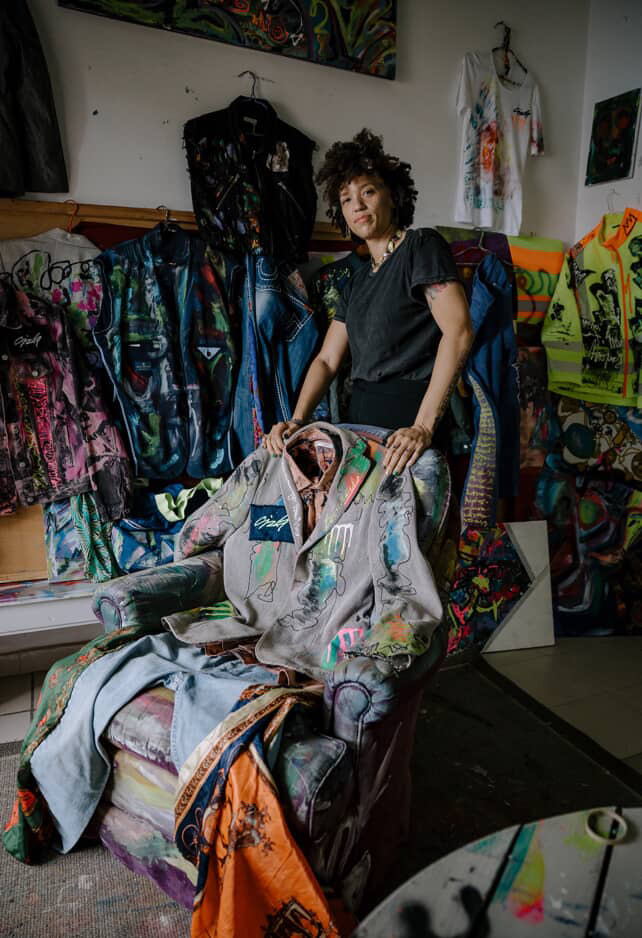
In Douala, Brazzaville, and Bangui, young designers are transforming textile waste into raw material for artistic and political critique. Without state support or formal industry backing, they’re building alternative economies through upcycling, circular fashion, and social commentary.
This grassroots movement represents something different: resistance that doesn’t wait for policy permission. But it also highlights the limits of individual action against systemic problems. Creativity can transform waste into art, but it cannot stop the flood at its source.
North Africa occupies a unique position in the continental textile economy. Countries like Morocco, Tunisia, and Egypt serve as transit hubs for goods entering sub-Saharan markets, but they avoid the market saturation seen further south.
These nations focus primarily on export-oriented textile production rather than domestic secondhand consumption. There are no major import bans because there’s no perceived crisis. Instead, North African designers work to reclaim traditional textile techniques through haute couture and fashion week presentations.
This relative insulation from the secondhand flood provides perspective on what African fashion might look like without external waste overwhelming local production. But it also raises questions about regional solidarity and shared responsibility for continental problems.
Southern Africa presents perhaps the most complex policy landscape. South Africa officially bans commercial secondhand clothing imports, yet enforcement remains challenging. Garments enter through neighboring Lesotho and Eswatini, exploiting regional economic agreements and porous borders.
Countries like Zambia, Zimbabwe, and Malawi view secondhand imports as economic lifelines rather than threats. In Lusaka and Harare, the resale economy isn’t just commerce—it’s survival for millions of urban poor. Governments hesitate to restrict imports that provide both affordable clothing and employment opportunities.
This creates a regional paradox: the most industrialized nation (South Africa) attempts protection while its neighbors embrace dependency. Without coordinated regional policy, national restrictions become nearly meaningless.
The Deeper Game
What emerges from this continental survey isn’t just policy fragmentation—it’s evidence of a rigged system. When African governments attempt independence, they face immediate economic retaliation. When they accept dependency, they face environmental and industrial decline.
The US revocation of Rwanda’s AGOA privileges wasn’t accidental—it was strategic pressure designed to discourage other nations from following suit. The message was clear: textile independence comes at a price most governments cannot afford to pay.
This reveals the true nature of the secondhand clothing trade. It’s not just about waste disposal or market access. It’s about maintaining economic relationships that keep African nations as consumers of Northern excess rather than producers of their own alternatives.
What Real Solutions Look Like
Piecemeal national policies cannot solve a continental crisis. What Africa needs now is structural, coordinated, and sustained action that matches the scale of the problem.
Real solutions would include continental trade protections that prioritize African textile production, Pan-African recycling hubs that transform waste into raw materials for local manufacturers, and massive investment in cotton farming, textile education, and manufacturing infrastructure. They would also require holding Global North exporters accountable through waste taxes, import restrictions, and potentially reparations for environmental damage.
Most importantly, they would demand something African governments have rarely possessed in this sector: the political courage to absorb short-term costs for long-term independence.
The Unfinished Revolution
 Africa’s response to the textile waste crisis remains fractured, reactive, and incomplete. From Burkina Faso’s radical break to Senegal’s studied silence, from Rwanda’s costly defiance to Kenya’s strategic retreat, the continent is negotiating its future one policy decision at a time.
But patterns are emerging. Where governments act decisively, alternatives begin to flourish. Where they remain passive, waste continues to accumulate. The question isn’t whether change is possible—Rwanda, Burkina Faso, and others have proven it is. The question is whether enough governments will choose the difficult path of independence over the familiar comfort of dependency.
Because this isn’t ultimately about clothing. It’s about sovereignty. It’s about who gets to decide what Africa produces, consumes, and becomes. And it’s about whether a continent rich in cotton, creativity, and cultural heritage will continue accepting the world’s discards or finally demand something better.
The revolution is incomplete, but it has begun. In government offices and grassroots movements, in design studios and policy debates, a new generation is refusing to accept textile colonialism as inevitable.
They’re not waiting for permission. They’re not accepting excuses. They’re building the future one thread at a time.
—
In Part III, we follow the artists, artisans, and visionaries building beauty from the rubble—the cultural resistance, design innovation, and aesthetic rebellion reshaping Africa’s fashion future.
Because the story doesn’t end in the markets. It begins in the hands of those who dare to transform what the world threw away into something sacred.
Missed Part I?
Read WORN OUT — The True Cost of Your Donated Clothes