Sustainability and Ethical Fashion

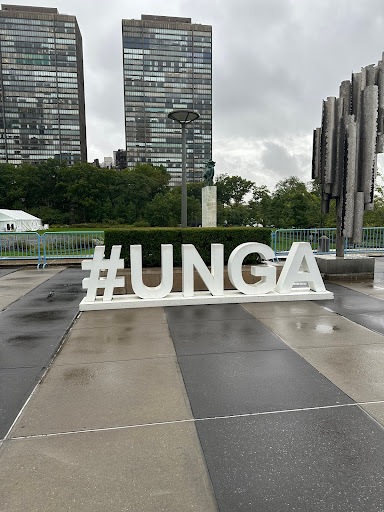
At this year’s 80th United Nations General Assembly in New York, fashion was not on the sidelines. In the Goals Lounge, hosted by the UN Office for Partnerships, and in the SDG Media Zone, fashion leaders, innovators, and UN officials put textiles, circularity, and culture squarely into the conversation on the Sustainable Development Goals (SDGs).
For Guzangs, attending these sessions was a chance to see firsthand how multilateral institutions are beginning to treat fashion as infrastructure for sustainability — not as an afterthought. The message was clear: fashion decisions are climate decisions, economic decisions, and social decisions.
The Materials That Matter panel in the Goals Lounge set the tone. Shannen Kaylia, founder of Kaylia Group, captured the session’s urgency: “Pairing slow fashion with tech can transform the industry from within.” She was joined by Cyrill Gutsch of Parley for the Oceans, Katie Tague of Artistic Milliners, and designer Angel Chang, with moderation by journalist Rachel Cernansky. The discussion underscored that material innovation is no longer niche. It is being positioned at the UN as a pathway toward regeneration and inclusion. For Africa, this is familiar terrain. Designers across the continent already use indigenous fibers, recycled textiles, and artisanal dyeing methods that achieve the same goals. What the UN frames as innovation is, in many African contexts, cultural continuity.
In the SDG Media Zone, the UN Fashion & Lifestyle Network hosted Designing Circular Futures, moderated by Christina Dean, founder of Redress. The panel featured Damini Mittal of Koaka Collective, Jann Bungcaras of Jann Bungcaras Fashion House, and Isabella Li Kostrzewa of Isaboko. The discussion went beyond waste reduction to address inequality and identity. Bungcaras put it bluntly: “We cannot address sustainability without also addressing social inequality and cultural erasure.”
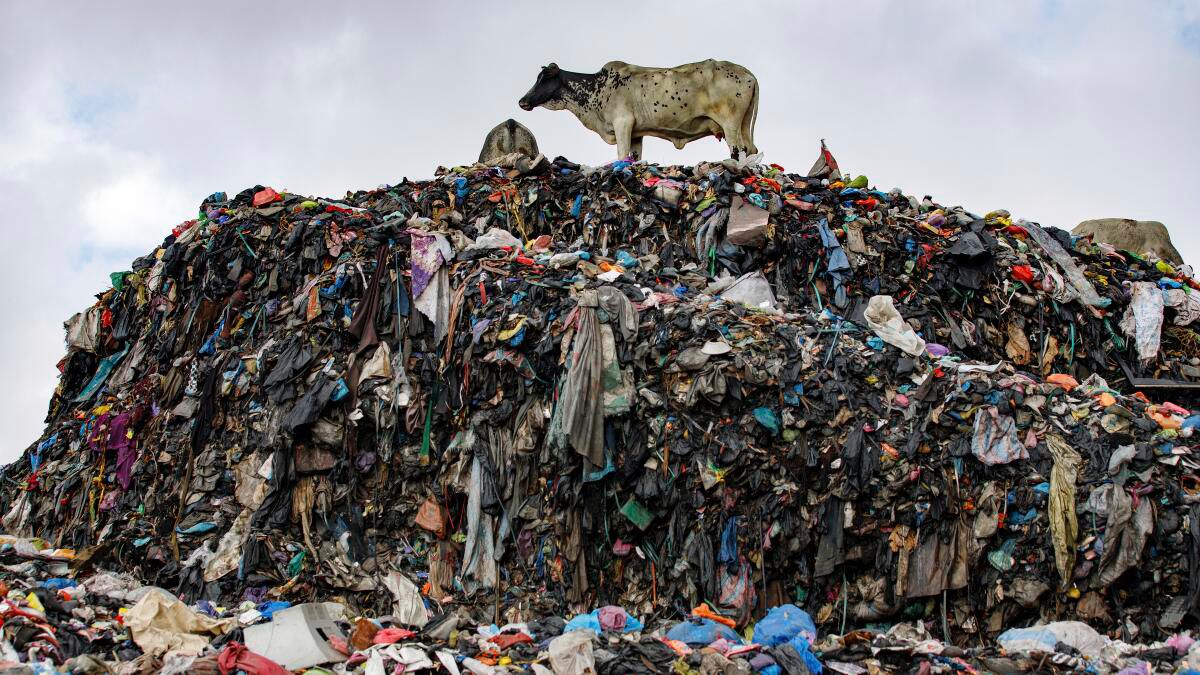
That framing matters. In Africa, circularity is not a design trend but a reality of survival and creativity. Markets like Accra’s Kantamanto, where secondhand imports arrive by the ton, are both burdened by global overproduction and alive with ingenuity. Tailors and upcyclers in these spaces create new value from discarded garments daily, offering models of circular economies that deserve global recognition.
The conversation continued in Fashion’s Role in a Global Circular Economy, opened by Kerry Bannigan, Co-Founder of the UN Fashion & Lifestyle Network. “Fashion must lead sustainable development through collaboration, accountability, and future-focused design,” Bannigan said. The panel highlighted how resale platforms and extended product life cycles can reduce fashion’s massive waste footprint. Once again, the parallels with Africa were striking. Kantamanto is one of the largest resale systems in the world, but without investment in infrastructure, it operates under strain. Recognizing African markets as part of the solution — rather than as dumping grounds — should be a priority in this global pivot to circularity.
Fashion’s role also reached beyond textiles and resale. In the Green Gigs: Net-Zero Events segment, speakers tied climate responsibility to music and live cultural experiences. Coupled with the announcement that Gothenburg will host the UN Sustainable Fashion and Lifestyle Hub, the sessions showed how cities and cultural ecosystems are being positioned as drivers of sustainability. For African hubs like Lagos, Dakar, and Nairobi, the lesson was clear: their creative economies already combine fashion, music, and art, and deserve to be recognized at the same level.
The UN’s growing attention to fashion reflects a broader realization. An industry worth trillions, employing millions, and producing significant waste cannot be left out of the SDG conversation. UNEP and the UN Alliance for Sustainable Fashion have called for a shift from extraction and exploitation toward regeneration and equity. Many African designers and artisans are already working with these principles. The challenge is visibility.
UNGA80 showed that fashion is gaining recognition as a lever for sustainable development. What happens next will depend on whether institutions follow through with investment, partnership, and fair inclusion. For Guzangs, the task is to ensure that when fashion is discussed in these multilateral spaces, Africa is not spoken for — but speaks.