Sustainability and Ethical Fashion

Africa has long been a destination for second-hand clothing from the West, a system often framed as charitable but one that carries serious economic and environmental consequences. At the same time, a new movement is gaining momentum across the continent: upcycling. Designers, artisans, and young entrepreneurs are transforming discarded garments into innovative, high-value pieces—reshaping the story of fashion waste into one of agency and creativity.
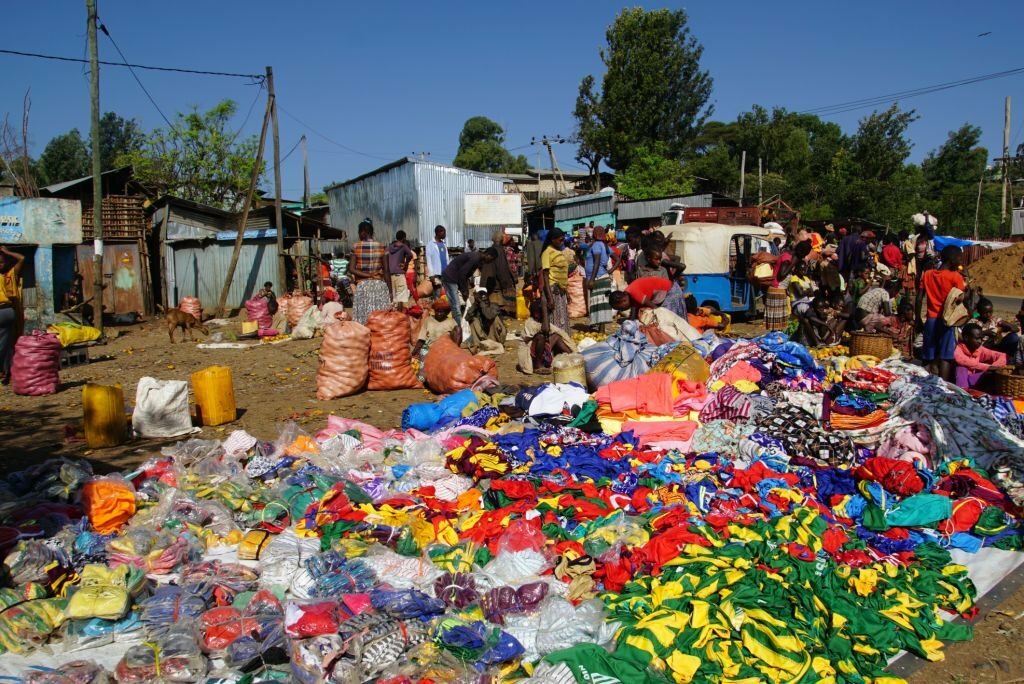
The darker side of the second-hand trade begins with scale. Shipments from the United States, the United Kingdom, and parts of Europe arrive in overwhelming quantities, flooding local markets with cheap garments that undercut domestic pricing. For textile and garment industries in countries like Ghana, Kenya, and Nigeria, this constant influx makes it nearly impossible to compete. Factories struggle, jobs disappear, and local production slowly erodes under the weight of fast-fashion waste.
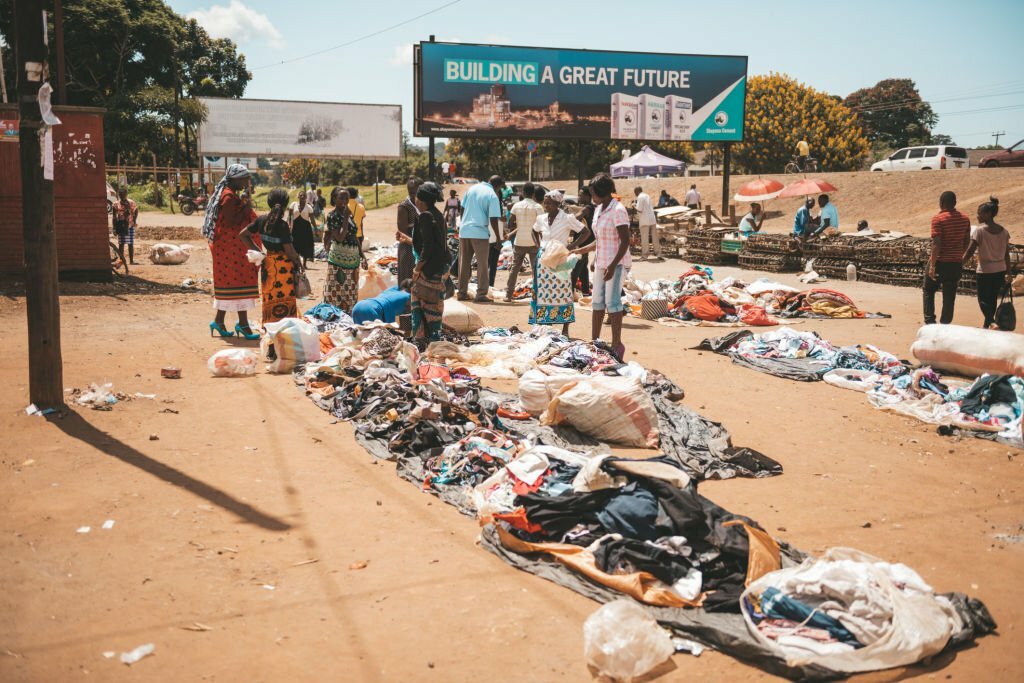 Textiles for sale on the ground at market in Mzuzu, Malawi
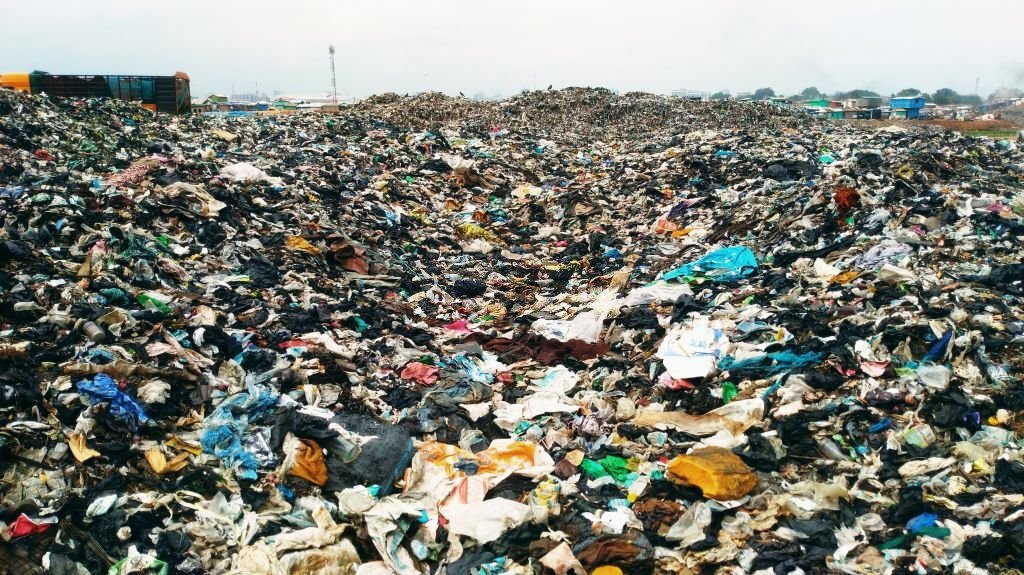
The environmental burden is equally stark. Much of the clothing destined for African markets is already low-quality and near the end of its life. Whatever cannot be sold ends up in landfills, open dumps, or waterways—straining waste systems and contributing to pollution. In both urban markets and rural areas, piles of discarded textiles become breeding grounds for mosquitoes and other hazards. What begins as a donation often ends as a disposal strategy.
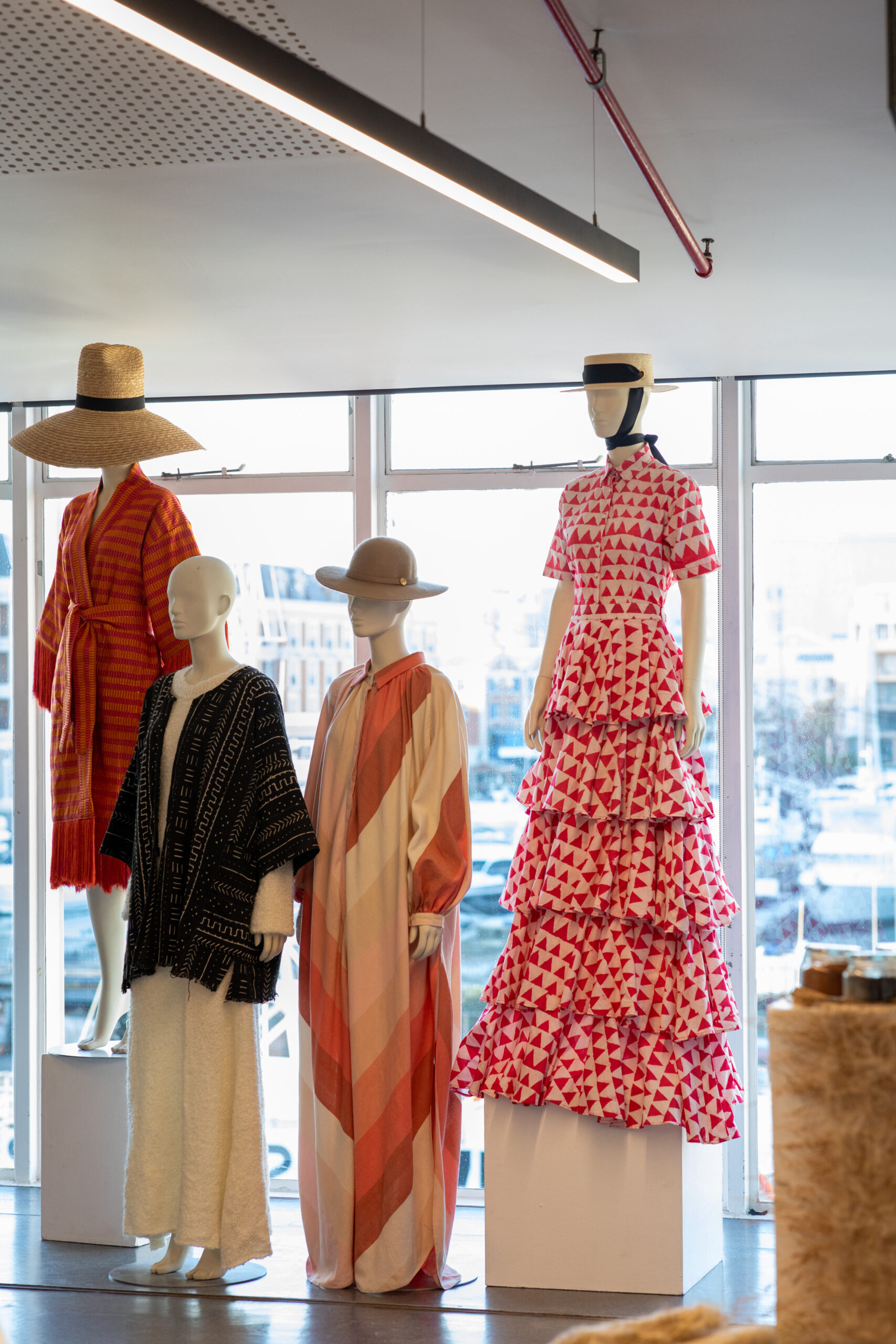
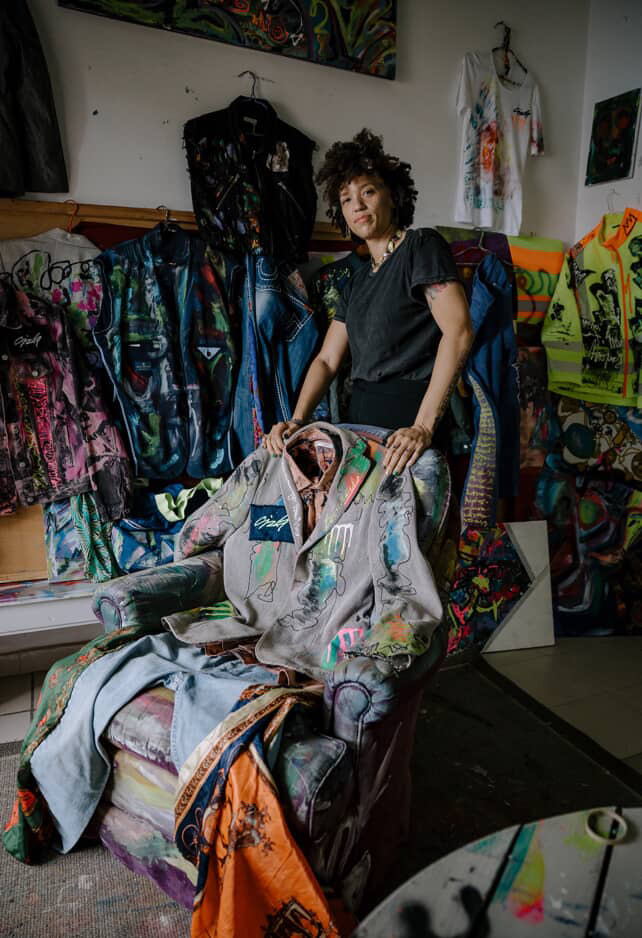
But across the continent, a different narrative is taking shape. Upcycling is emerging as a powerful counterforce—one rooted in creativity, sustainability, and self-determination. In South Africa, Rwanda, and Uganda, designers are reworking cast-off garments into new silhouettes, accessories, and textiles, giving clothes destined for landfills a second life. This shift not only reduces environmental strain but reframes waste as raw material.
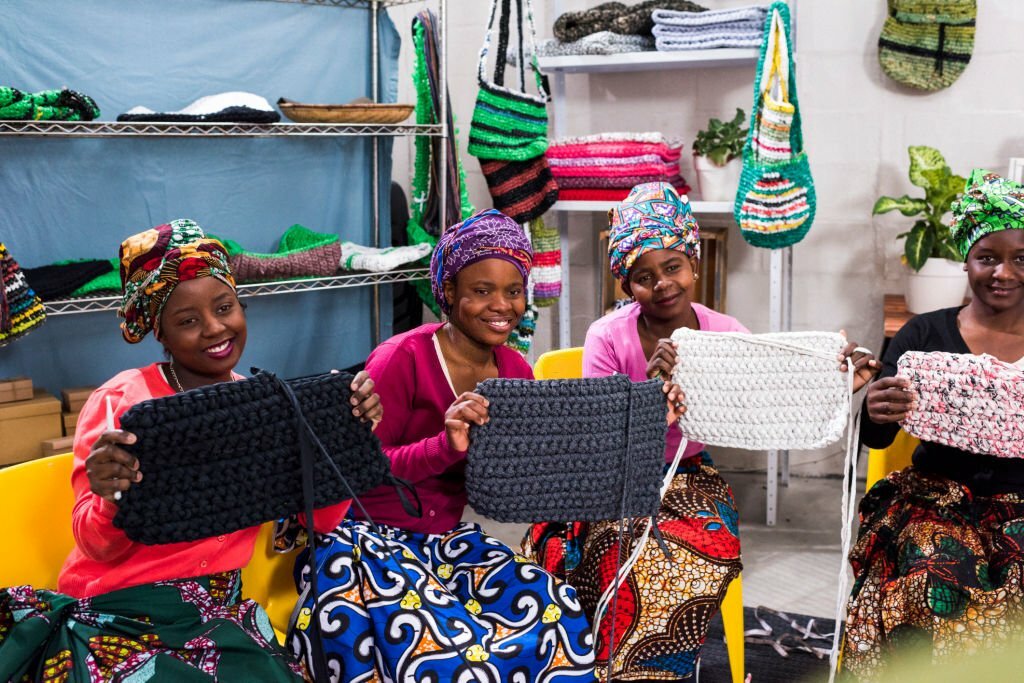
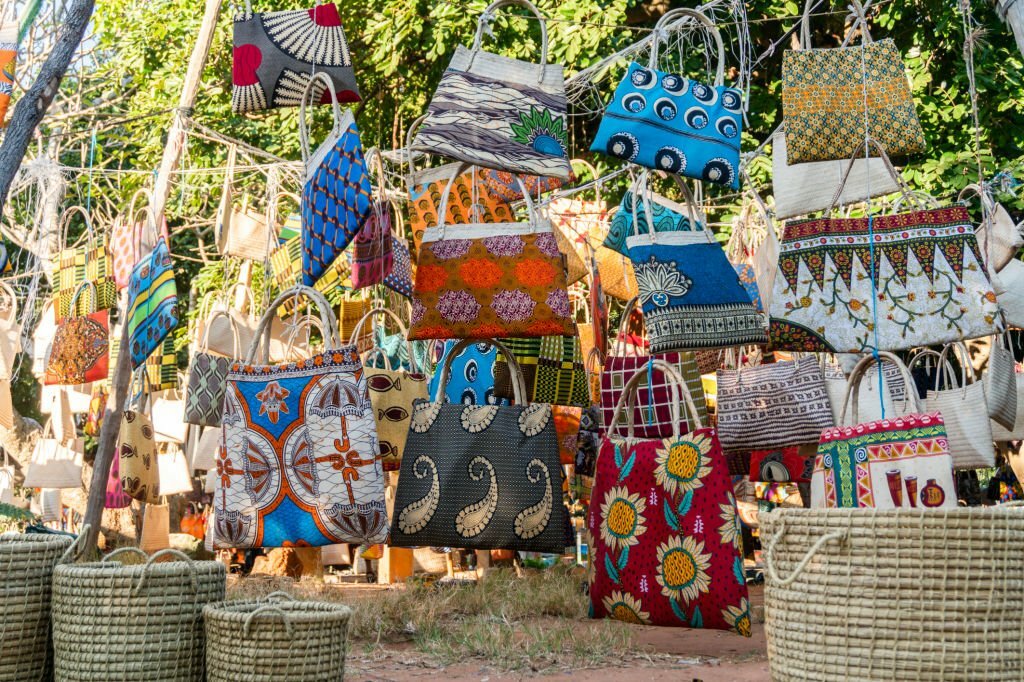
The contrast is clear: while dumping continues to undermine local industry, upcycling offers a model that empowers it. It strengthens circular economies, supports artisans, and foregrounds African creativity in a global conversation about fashion’s future.
The challenge of second-hand waste remains significant, and the bulk of these garments still originate from Western nations. But the rise of upcycling is a reminder of the continent’s ability to transform pressure into possibility. In repurposing what the world discards, African designers are not just mitigating harm—they are shaping the next chapter of sustainable fashion.