Sustainability and Ethical Fashion

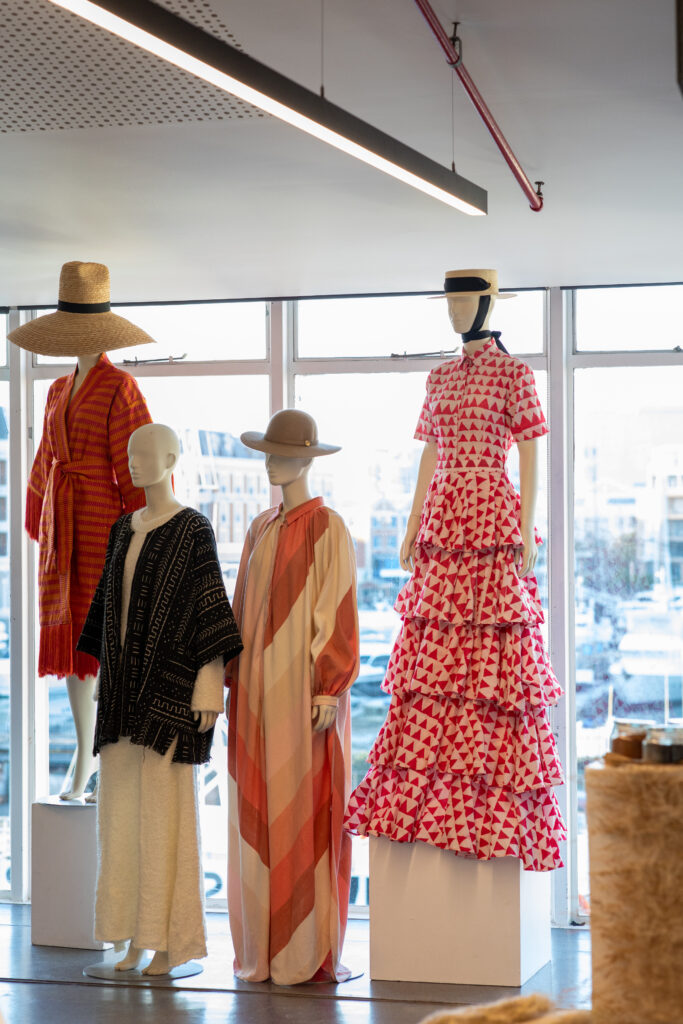
This July, Cape Town will host a major gathering focused on the future of textiles in Africa. From 28 July to 1 August 2025, Africa Textile Talks returns with a three-day summit and a five-day exhibition at the V&A Waterfront. Set between Workshop17 and Church House, the event will bring together designers, researchers, artisans, policymakers, and sustainability experts to explore how African textiles can shape cultural narratives and support more sustainable practices.
Co-produced by South Africa’s TWYG and Mauritius-based Imiloa Collective, the forum aims to bridge traditional textile knowledge with new thinking around circularity and innovation in the fashion and craft industries.
Twyg’s Journey from Blog to Benchmark
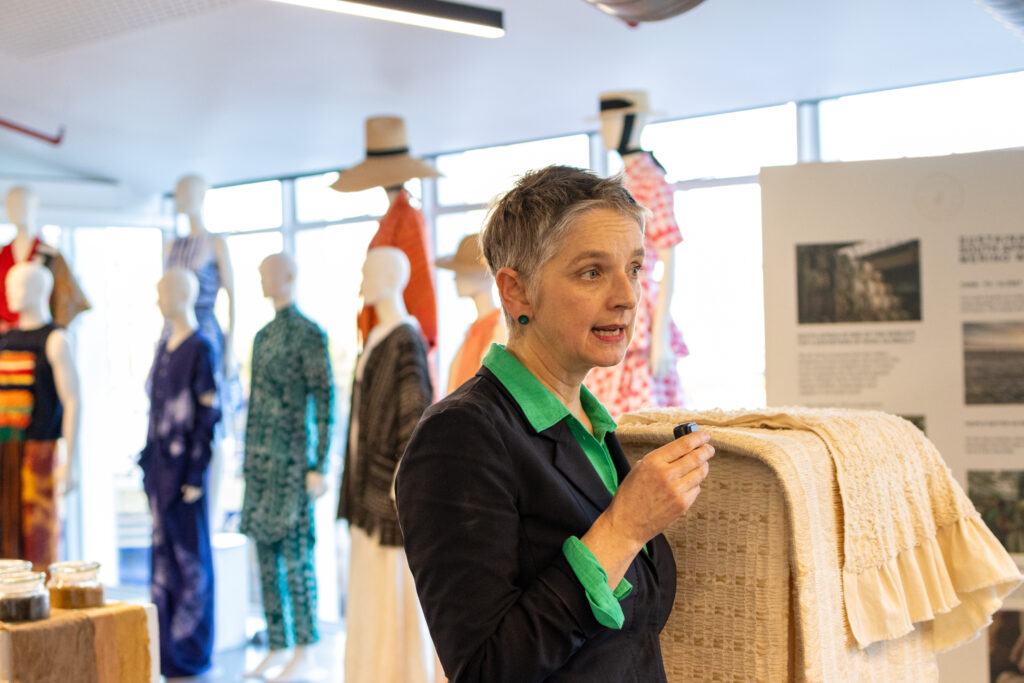
Established in 2018 by Jackie May as a digital platform advocating slow and sustainable design, Twyg quickly became a leading voice in Africa’s sustainability movement. In 2019, it launched the Twyg Sustainable Fashion Awards to honour designers pioneering eco-friendly practices.
Building on this momentum, Twyg inaugurated Africa Textile Talks—a hybrid, multi-day event that blends online panels with on-farm workshops in South Africa, setting a new standard for pan-African textile discourse.
Weaving Sustainability into Every Thread
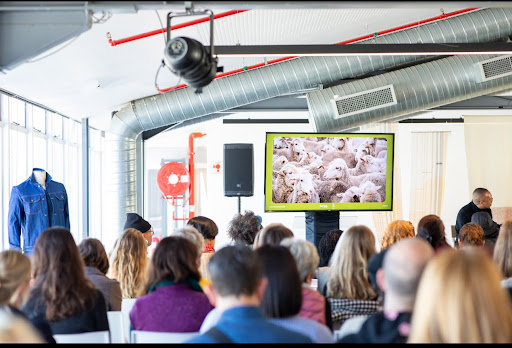
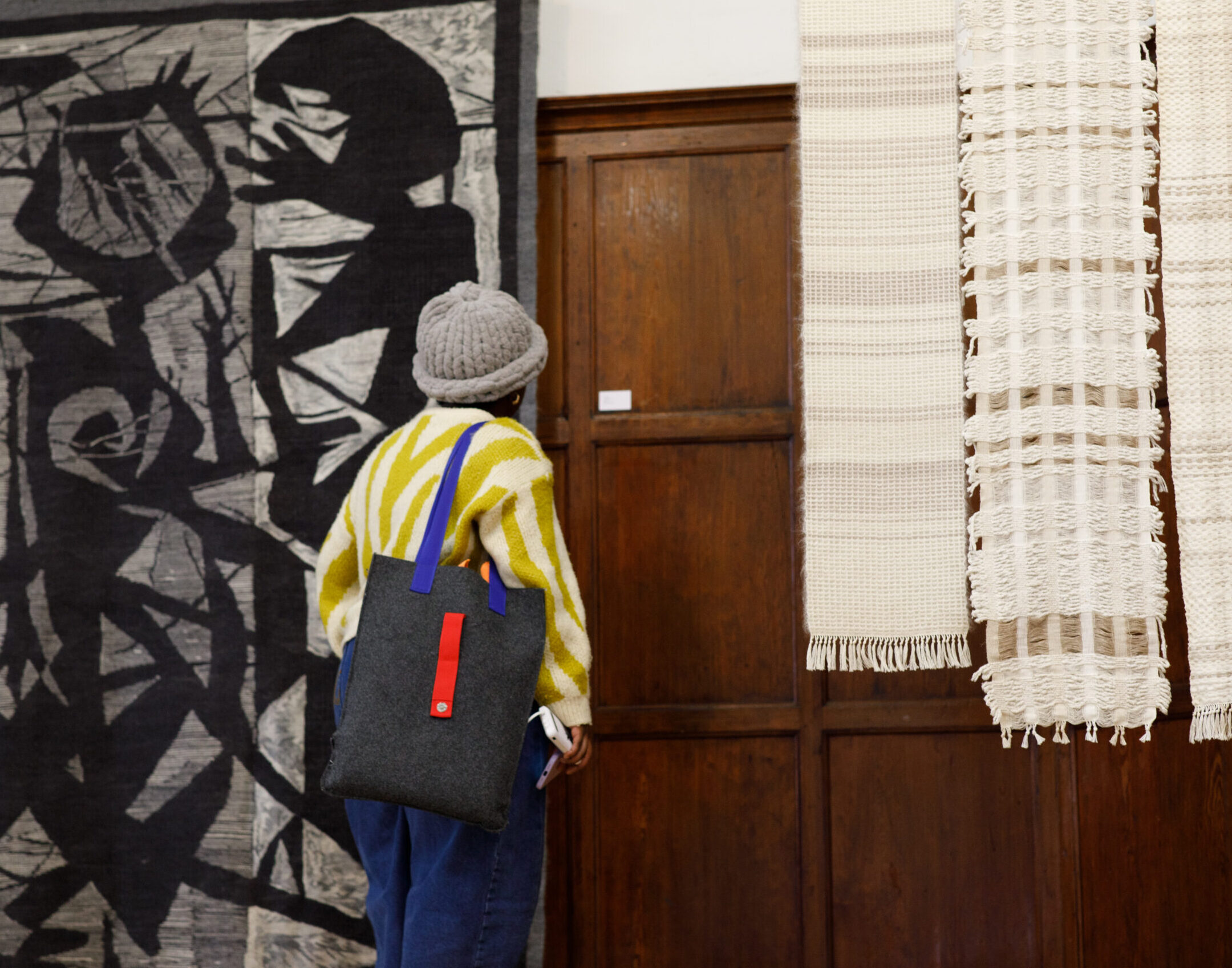
This year’s event will feature a range of programmes and conversations, including The Threads of Renewal Exhibition and Threads With Care—which underscore textiles’ capacity not only to clothe but to heal—socially, economically, and ecologically.
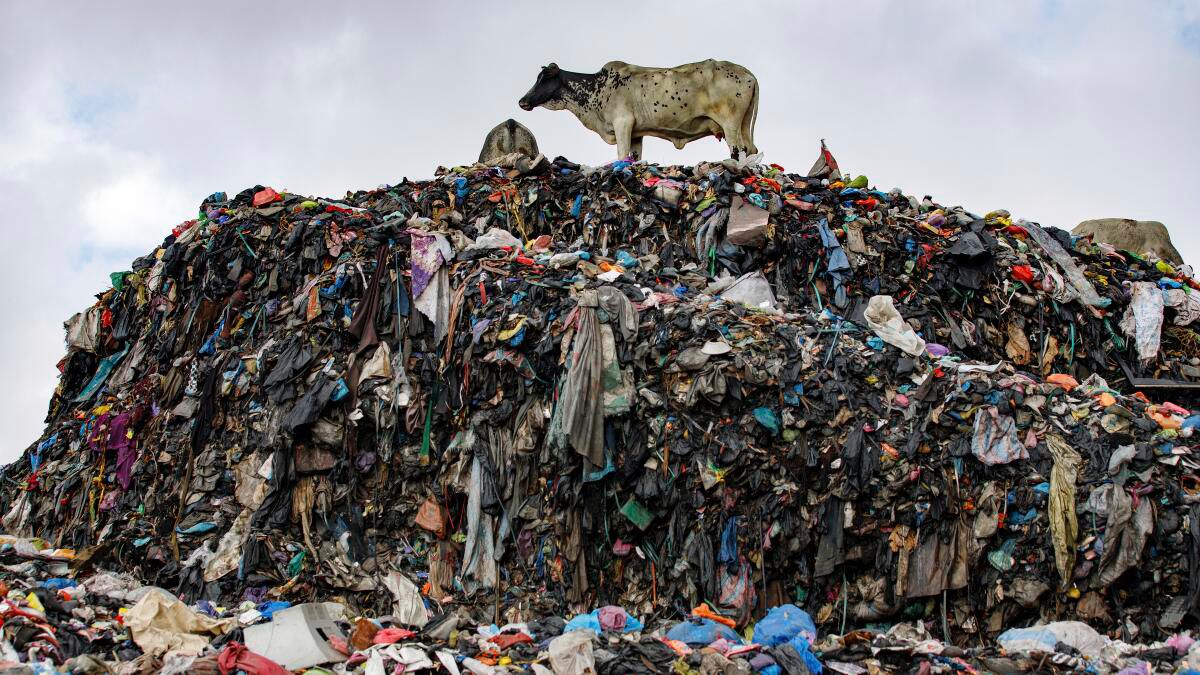
Through panels on regenerative fibres, upcycling, and low-impact dyeing, the talks spotlight practices that honour both tradition and the planet. Aligned with the United Nations’ Sustainable Development Goal 12 (Responsible Consumption and Production), Africa Textile Talks offers expert-led discussions, hands-on workshops, and policy roundtables designed to equip stakeholders with tools to build a truly circular textile economy across the continent.
Africa’s Textile Origins
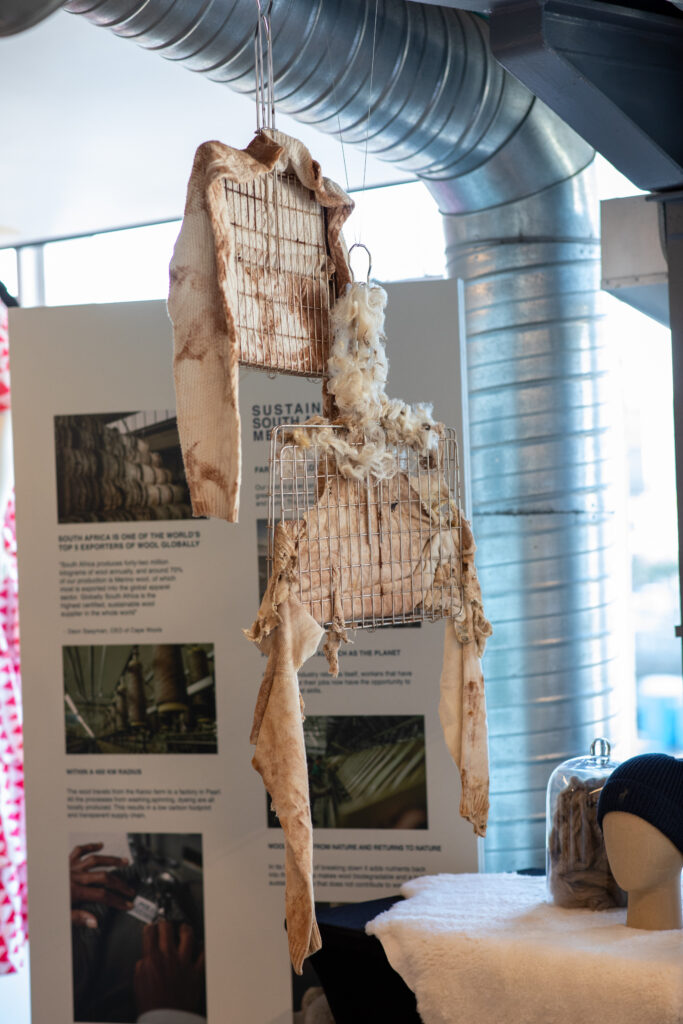
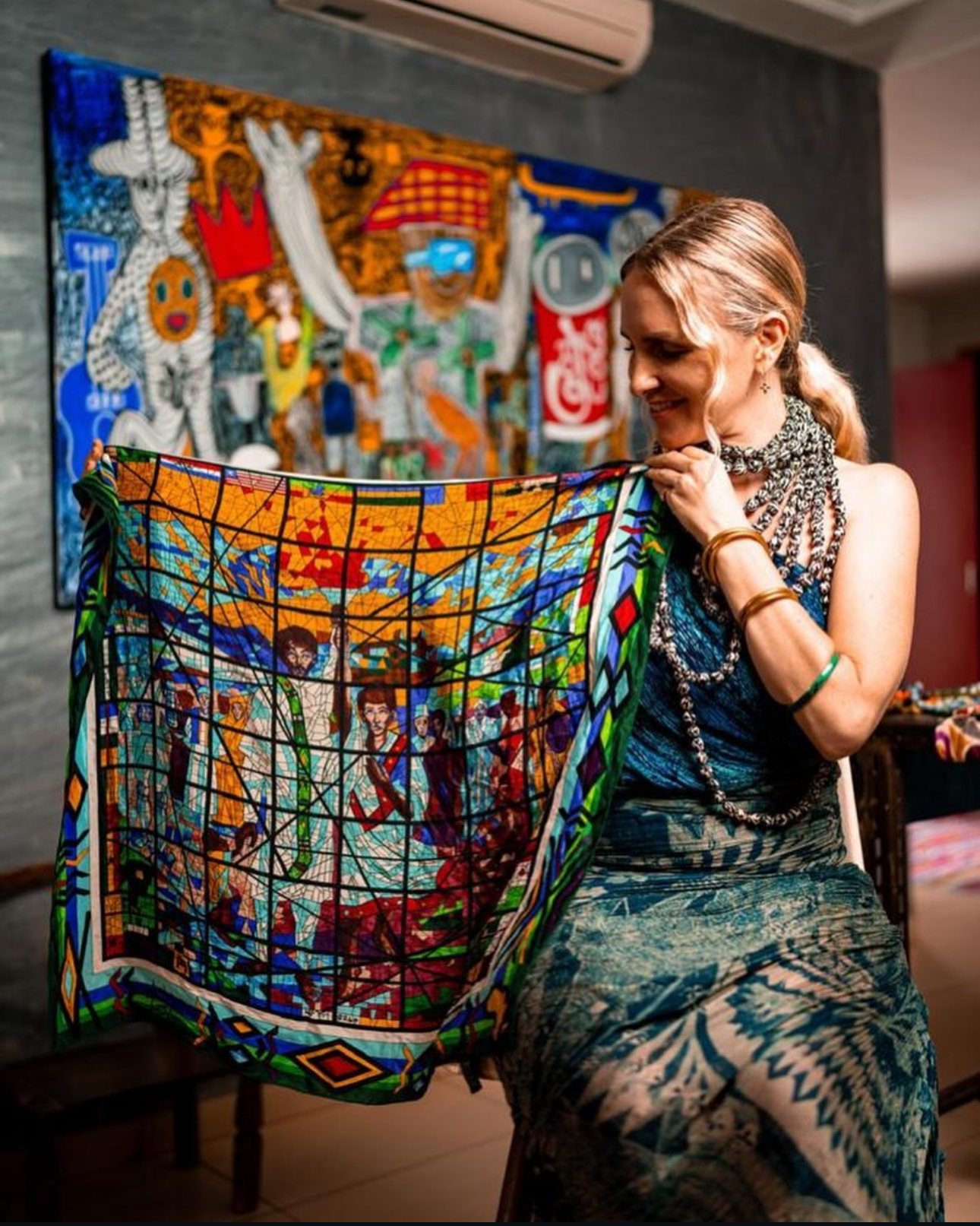
Africa’s textile story spans thousands of years, rooted in both function and identity. From the handwoven kente cloth of Ghana to the indigo-dyed adire of Nigeria and the barkcloth traditions of Uganda, textiles have long expressed social status, spirituality, and community belonging. These fabrics often carry coded language—stories told through symbols, colors, and weaving techniques passed down through generations.
Today, as global fashion shifts toward sustainability and traceability, there’s renewed interest in these traditional methods not just as heritage, but as models for a more ethical future.
That’s where Twyg comes in. Through Africa Textile Talks and related programming, Twyg creates space for meaningful dialogue between the continent’s craft traditions and contemporary design. Its work connects artisans, designers, and thinkers who are reimagining Africa’s textile future—one that honours the past while addressing the urgent need for environmental and social accountability.
Why It Matters to African Fashion Now
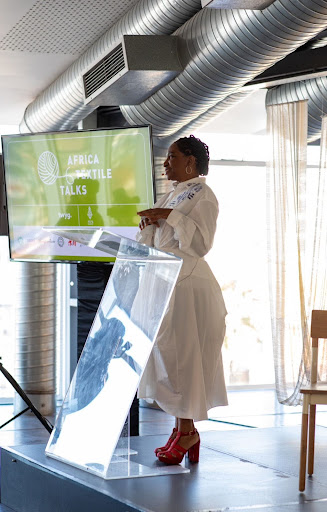
Centering African expertise and heritage is not only what Africa Textile Talks does—it also drives a paradigm shift in how the continent’s fashion industry envisions production and consumption.
It catalyzes economic empowerment for artisans and small-scale producers, strengthens local supply chains, and attracts investment into regenerative fibre sectors. Crucially, it preserves craft traditions, ensuring that techniques like natural dyeing and slow weaving endure—while inspiring a new generation of designers to innovate within sustainable frameworks.
Looking Ahead to 2025
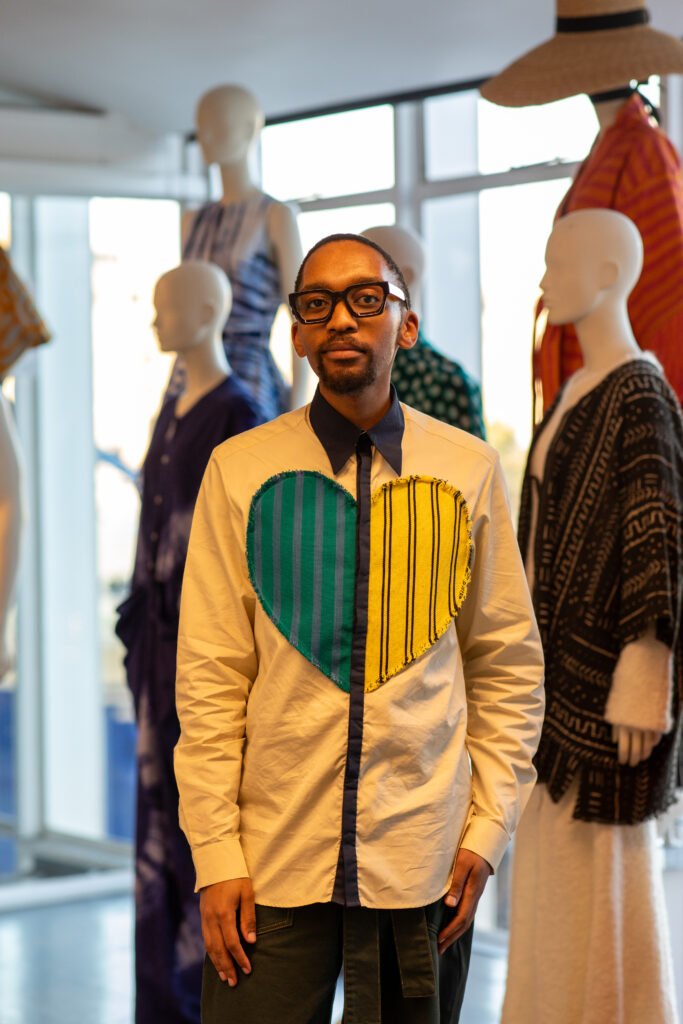
As resource pressures and climate challenges intensify, platforms like Africa Textile Talks are indispensable for weaving tradition, innovation, and responsibility into a cohesive vision for the continent’s textile future.
Whether you’re a designer, policymaker, educator, or simply passionate about sustainable fashion, this is where ideas become action—and where care for people and the planet is threaded into every fiber.
Stay tuned to Guzangs for exclusive coverage from the 2025 edition of Africa Textile Talks.