Sustainability and Ethical Fashion

“The Cape once dressed a nation. Now it’s being dressed by the rest of the world.”
— Ilse Menck, Menck Clothing
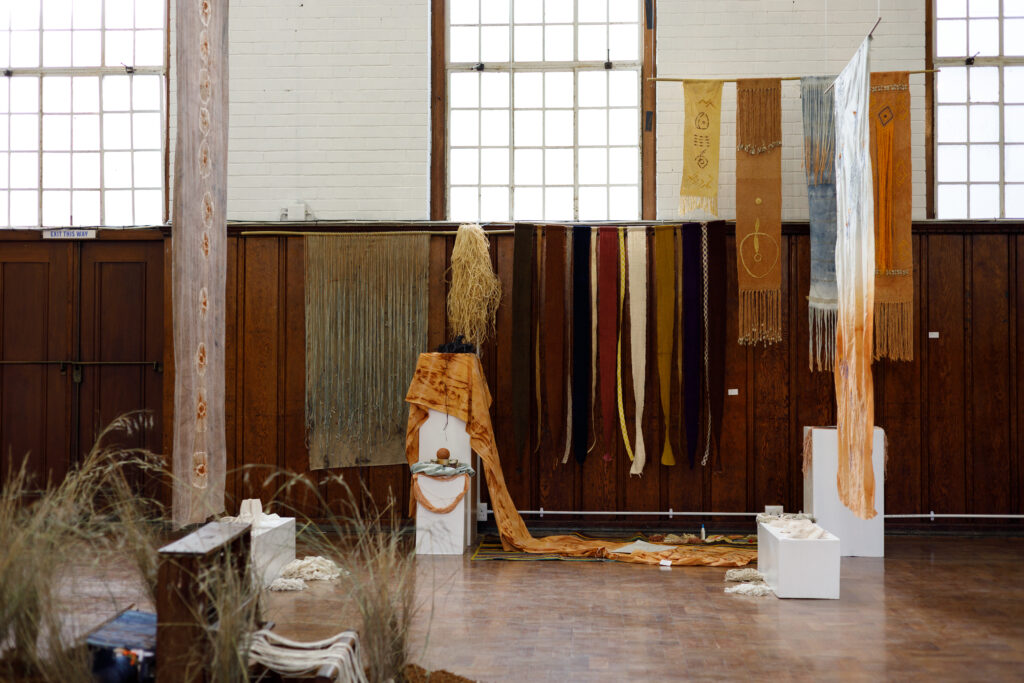
That line, delivered in Cape Town, set the tone for Africa Textile Talks 2025 (ATT). Organised by sustainability platform Twyg, ATT has grown into one of the continent’s most important gatherings on fashion, textiles, and circularity. Over three days, farmers, designers, retailers, and activists came together to ask whether Africa’s textile industry could not only be rebuilt, but reshaped for the future.
South Africa’s textile industry once powerful and the pride of the Cape has been hollowed out by global competition. The question was not whether the sector could be rebuilt, but whether Africa could show the world a different way forward: circular, decentralised, and rooted in its own culture.
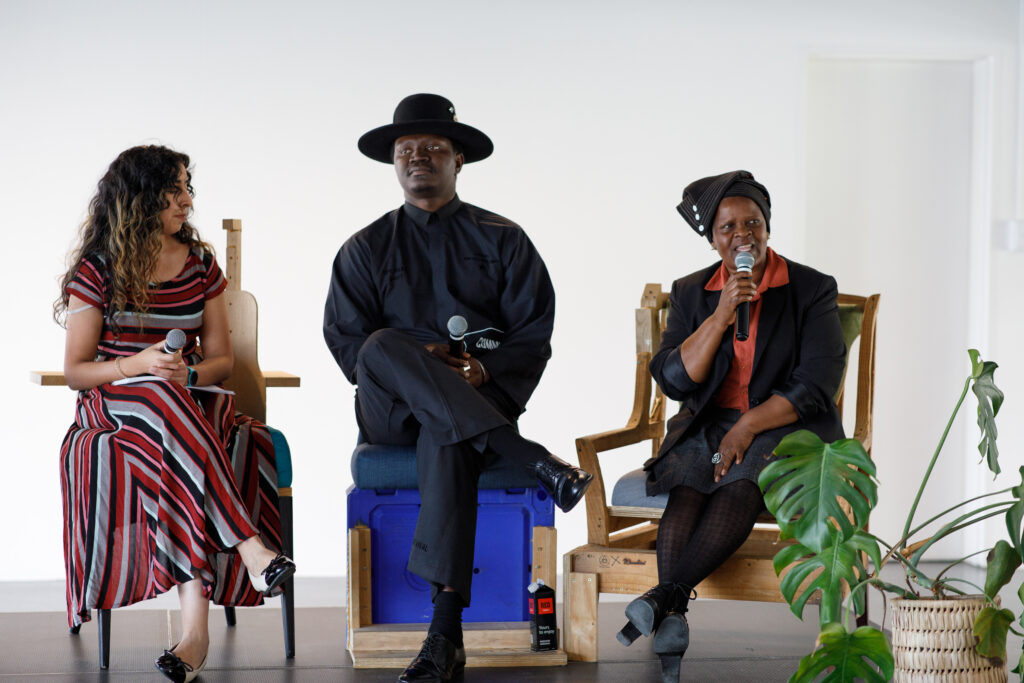
The first day confronted complexity head-on. Dr. Philippa Notten of The Green House compared a cotton T-shirt to a polyester one: polyester has the higher carbon footprint, but cotton consumes more than ten times the water and nearly double the ecosystem impact. No fibre is innocent — the challenge is knowing where to intervene.
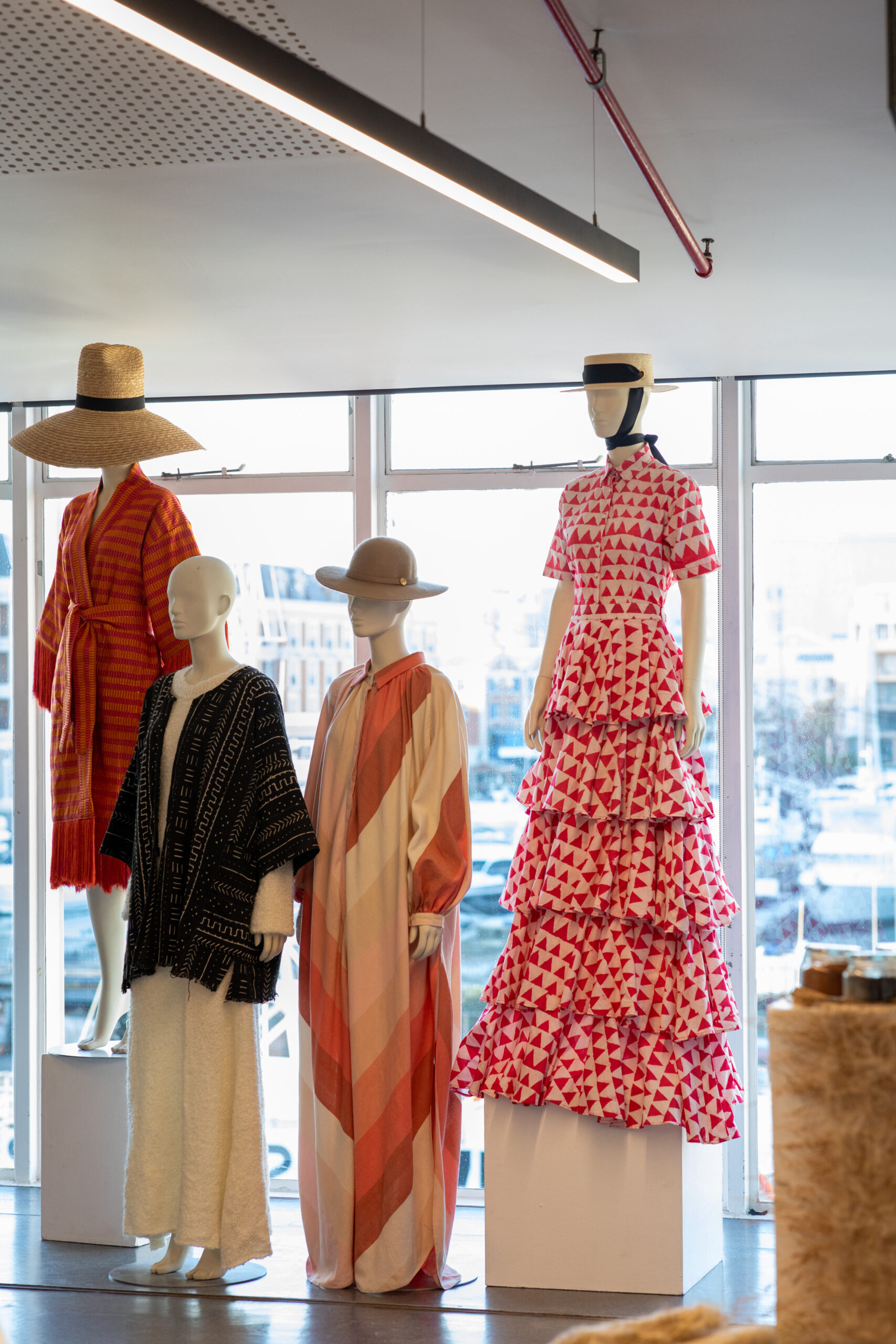
On the design side, speakers urged responsibility at the sketch stage: PFAS-free fabrics, modular garments, clothes built to endure. At scale, Luke Henning of Circ. announced the world’s first polycotton recycling plant, tackling blended fabrics that clog recycling systems, while FARO showed how it diverts unsold European stock before it hits African landfills.
Circularity also carried a social face. Connacher is turning factory waste into fibres for bedding and cars. Clothes to Good runs resale initiatives like “Clothes to Wheels,” enabling mothers of children with disabilities to build businesses. As Zaheer Patel of Pick n Pay reminded the room: “Sustainability is not just about the environment — it’s also about people.”
The day closed with policy. Kirsten Barnes, circular economy specialist, led a session with Woolworths, PETCO, Pick n Pay and others on Extended Producer Responsibility (EPR). Europe has decades of EPR experience; South Africa is still in its first steps. Concerns around clarity and accountability made one thing certain: unless industry acts, government intervention will be unavoidable.
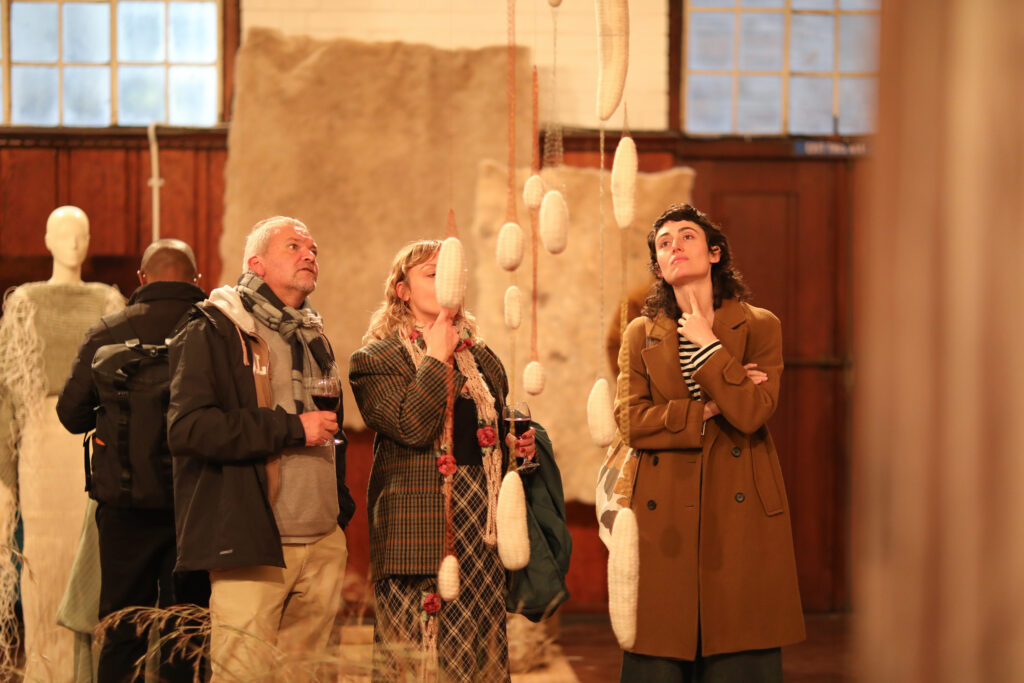
If Day One asked how to close loops, Day Two turned to a fibre that has never lost relevance: wool. Deon Snyman, CEO of Cape Wool SA, admitted WoolCycle was born “out of pure frustration” with a fragmented value chain. The conversations that followed revealed possibility.
Monica Ebert of The Woolmark Company outlined Woolmark+’s goal to go “nature positive” by 2030. Wool farmer Matthew van Lingen grounded it in local wisdom: regenerative farming is like a three-legged potjie pot — balanced on ecosystems, animals, and people. He was joined by Pavs Pillay of WWF South Africa and Caroline Nelson of H&M South Africa, who described their joint regenerative wool project in the Drakensberg grasslands. “All retailers have a responsibility,” Nelson said. Pavs urged citizens to use their power: “Your voice and your wallet are your biggest superpowers.”
A panel led by designer Lezanne Viviers of VIVIERS showcased wool’s versatility. Textile artist Ronel Jordaan, Roxanne Maddocks of African Expressions, and Jana Vermaas of the University of the Free State traced uses from insulation to wound dressings. “The style can go out of fashion,” Maddocks said, “but the fibre won’t.”
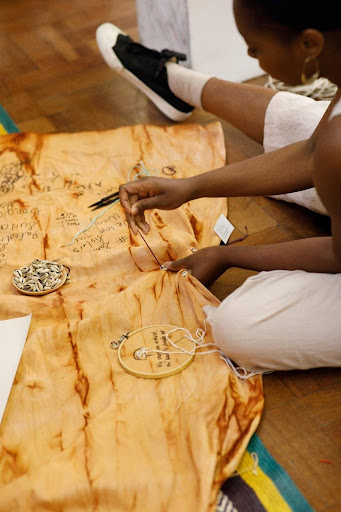
Education was framed as infrastructure. Leandi Mulder, head of department at the Design Academy of Fashion, now requires students to trace fibres back to their origins and even make their own. “They don’t need to become textile designers,” she said, “but they need to understand the impact of every choice.”
Not all stories were easy. Gugu of GUGUBYGUGU described the financial strain of committing to wool: “We can make all these beautiful products, but there needs to be a consumer at the end. Persistence will get us there.” Stefan Gerber of Gerber & Co. added a policy provocation: if government mandated 30% wool in school jerseys, it could transform the industry overnight.
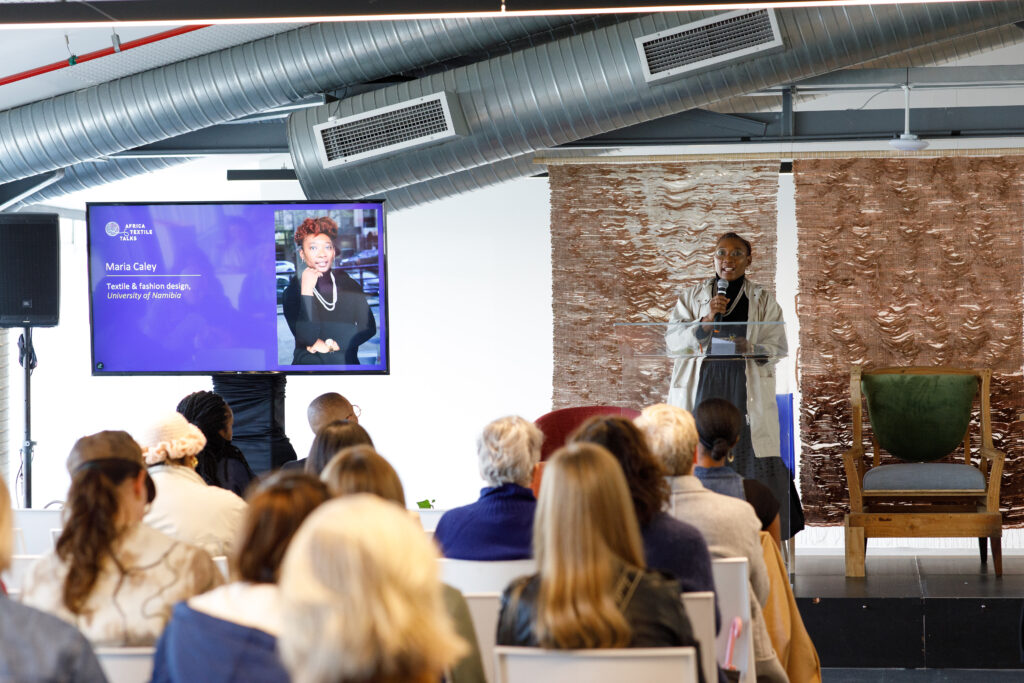
The final day — Thread With Care — shifted from fibres to meaning.
Maria Caley, designer and lecturer from Namibia, explored leather’s politics among the Vakwangali people. Idioms describe identity through cloth: a woman tying her apron with flair signals strength; a child carried in a hyena-skin sling is marked as privileged from birth. Textiles, she reminded, are languages.
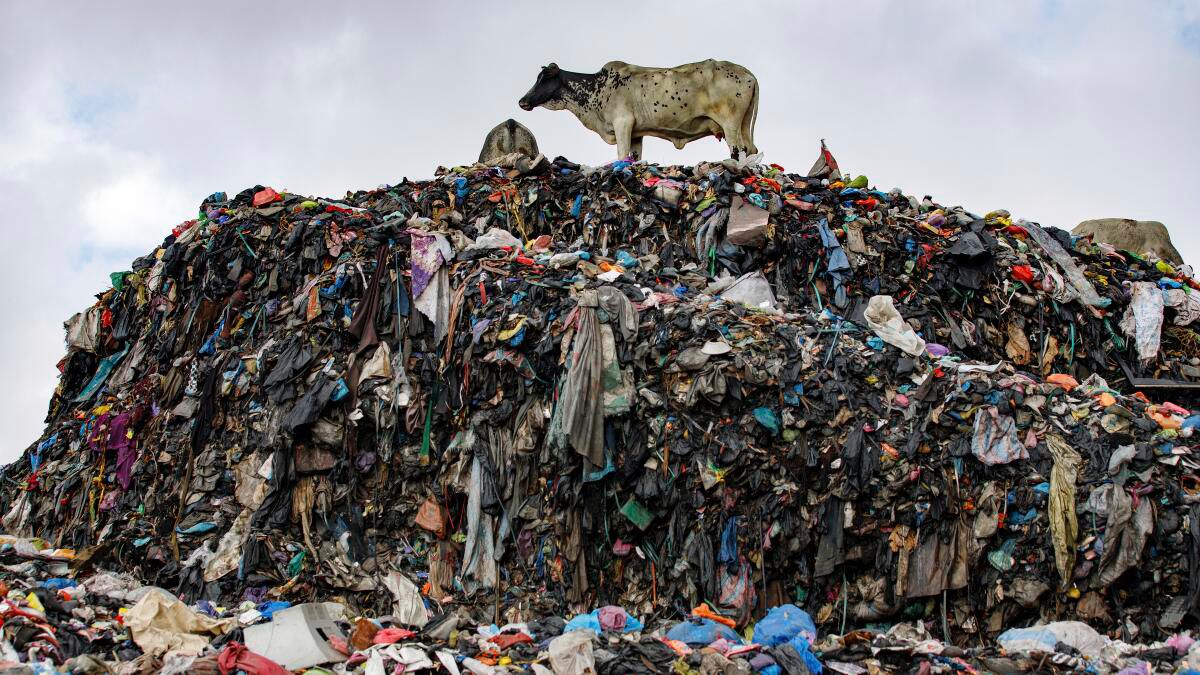
Panels showed how indigenous knowledge drives innovation. In Uganda, Muturi Kimani’s TEXFAD transforms banana waste into textiles and fuel. In Ghana, Yayra Agbofah’s Revival Circularity Lab reworks unsellable garments dumped in Kantamanto Market, winning the H&M Global Change Award. In Nigeria, THIS IS US, co-founded by Osione Itegboje, built a fully local supply chain from cotton to dyeing to sewing, despite electricity shortages.
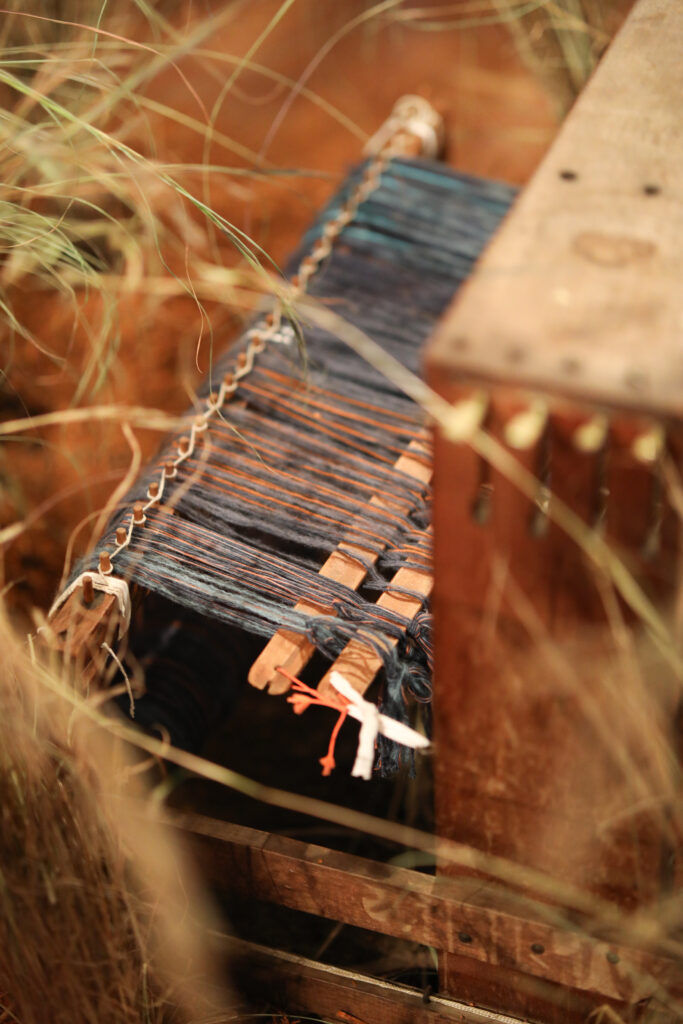
Cotton sparked debate. Tertius Schoeman of Cotton SA defended the crop as less water-intensive than maize or sugarcane. Lilitha Mahlati of Ivili Group pushed for new technologies applied to ancient practices. Courtney Barnes of Cape Clothing Cluster called for basics: fix electricity and water. Imraan Bux highlighted funding gaps and the near-impossibility of competing with Turkey and China without retail collaboration. The panel was moderated by Irshaad Kathrada, CEO of the Localisation Support Fund.
From Zimbabwe, designer Danayi Madondo made the case for decentralisation: “Zimbabweans are the ones who do the most with the least. The future is going to be decentralised because it’s the natural option.”
The conference ended with a vivid image. Aaniyah Martin of The Beach Co-Op unveiled the Hydro Rug, stitched from litter collected during beach clean-ups: coffee cups from affluent Dalebrook, chip packets from Monwabisi township. Embroidered with participants’ words and drawings, it became a tapestry of inequality and resilience. It was a reminder that environmental and social justice are never separate.
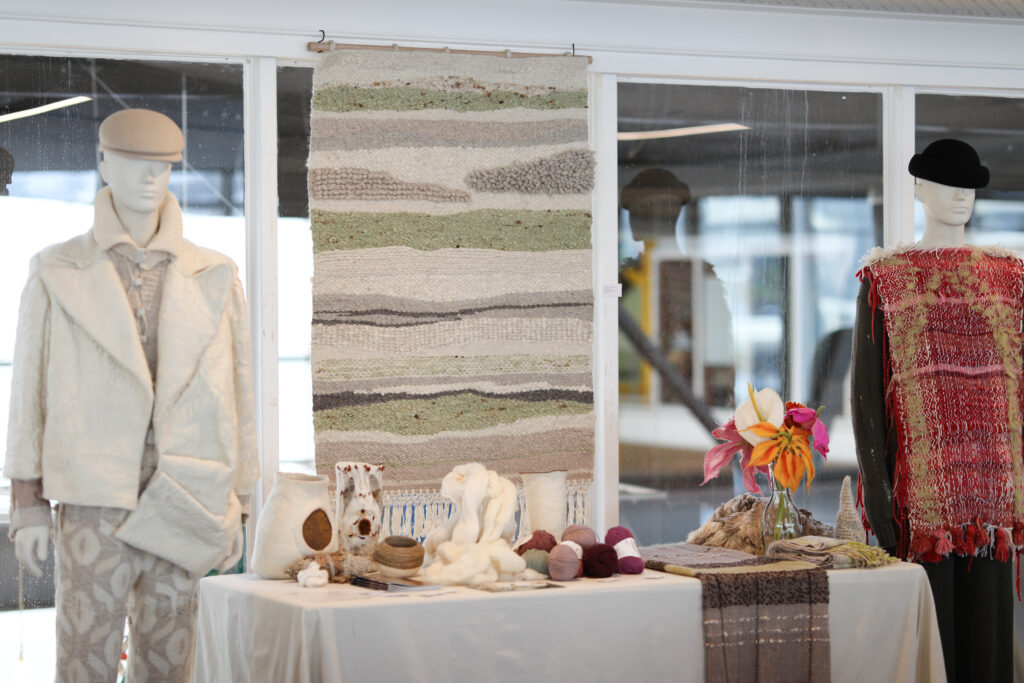
Africa Textile Talks 2025 did more than exchange ideas. It reframed Africa’s textile story. The Cape may no longer clothe a nation, but the continent is weaving a future that could yet clothe the world — this time with systems rooted in culture, in community, and in care for the earth.
All images courtesy of The Dollie House