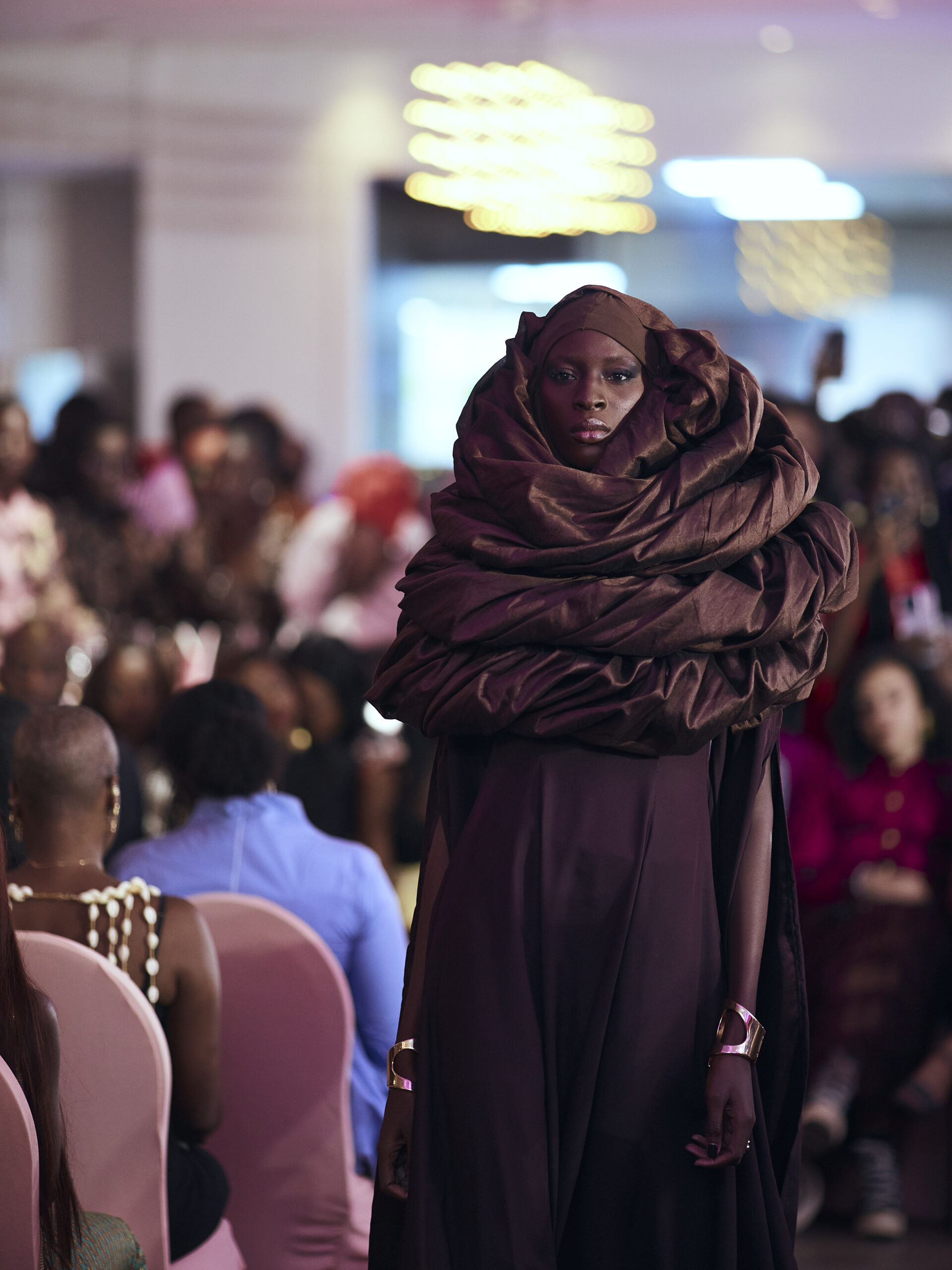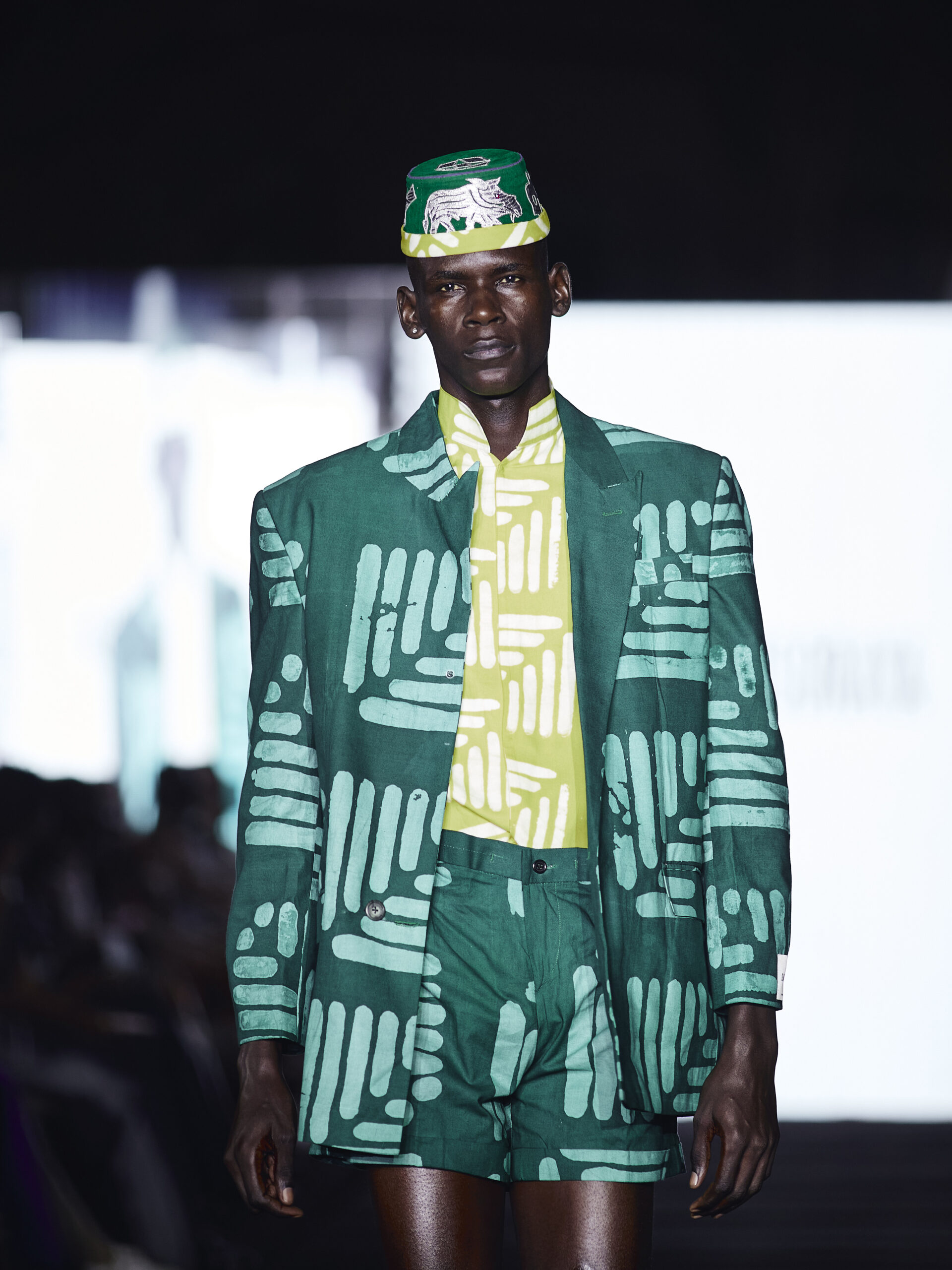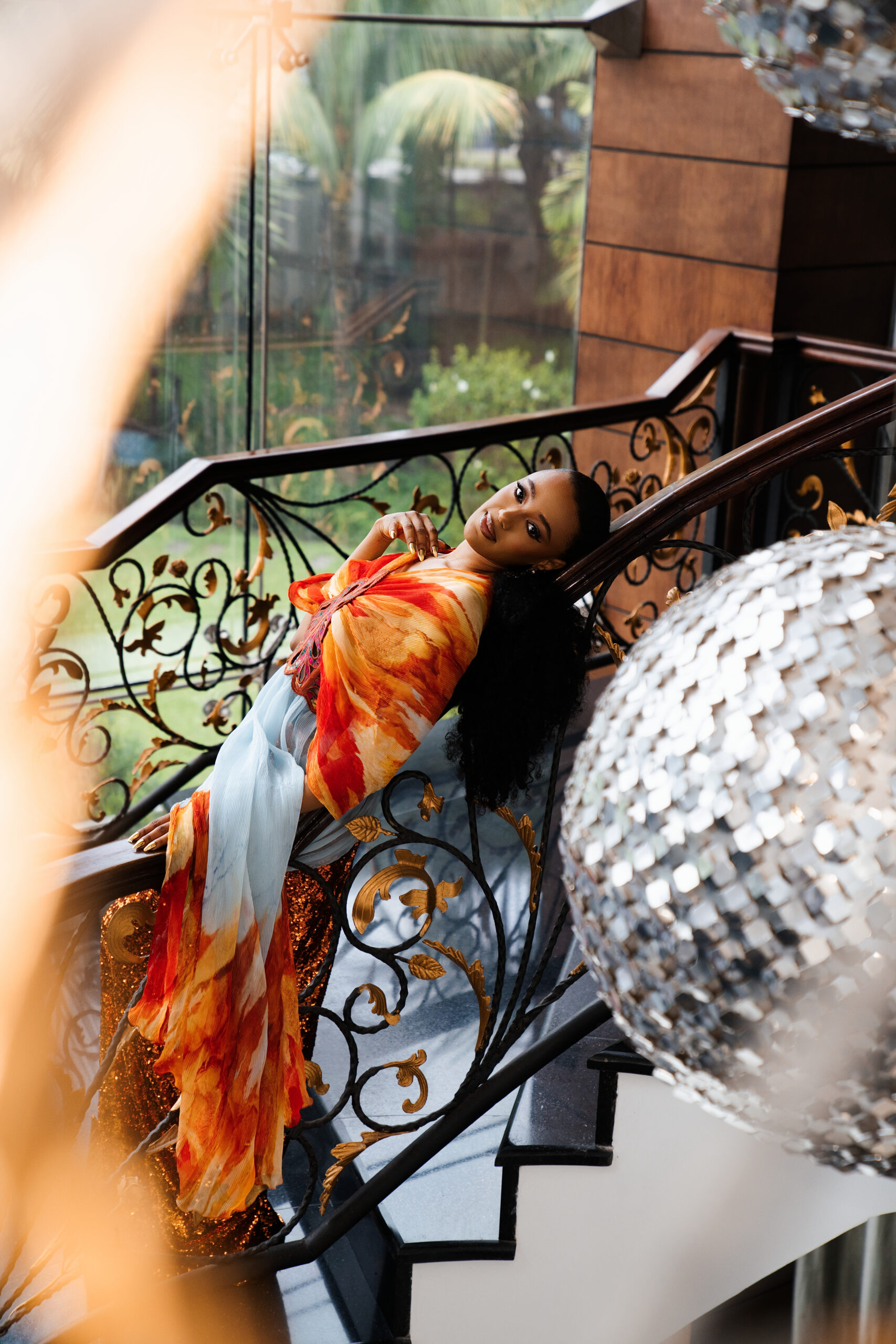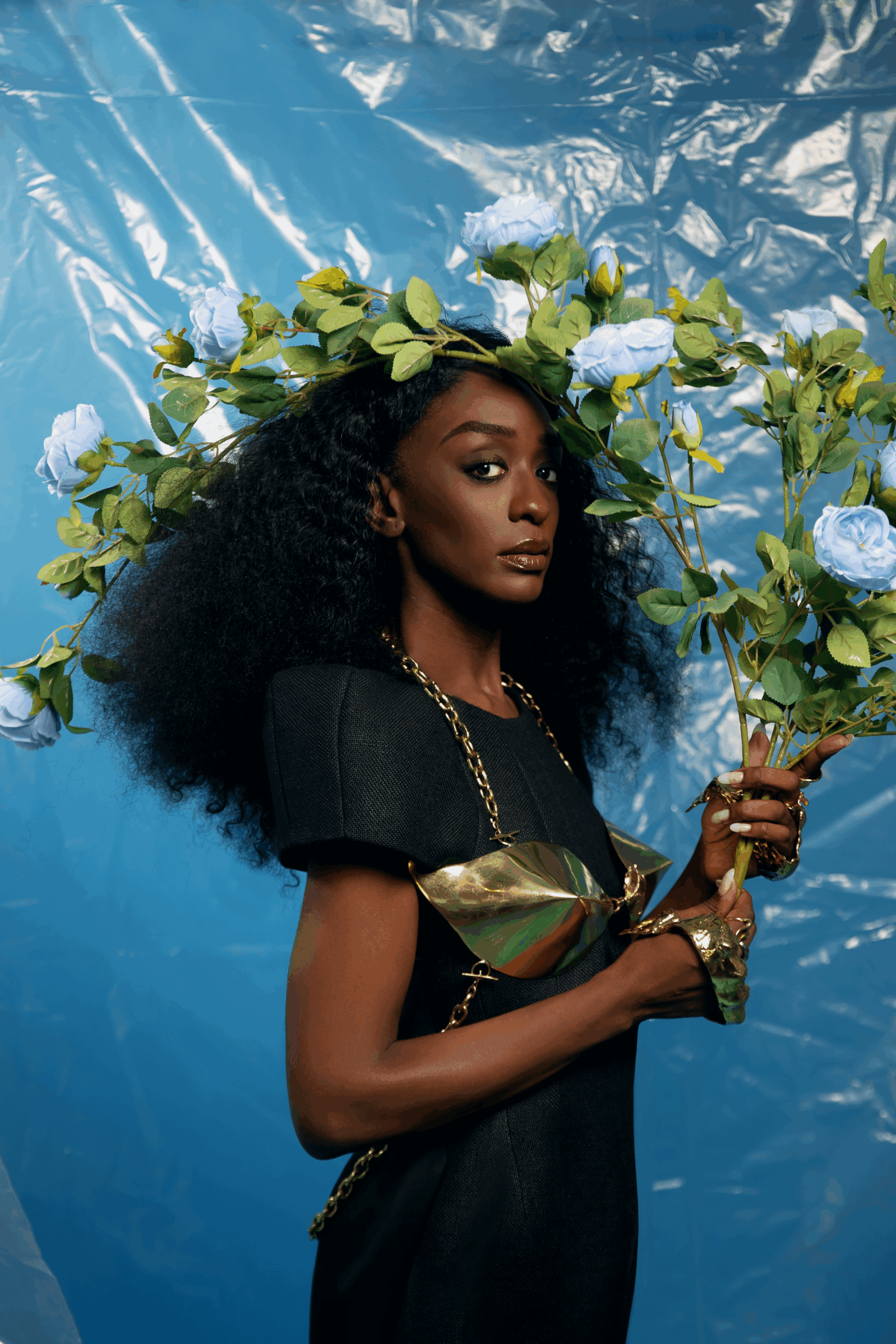
The most transformative moments in African fashion over the past decade have been defined by strategic collaborations that elevated the industry to unprecedented heights. Yet this remarkable ascent was only possible because African designers first established an unshakeable foundation: placing culture at the very heart of their creative vision.
What distinguishes African fashion from its global counterparts is not an attempt to mirror Western aesthetics, but rather a confident embrace of heritage, craft, and storytelling as the pillars of design innovation. This cultural authenticity has transformed African fashion from a regional curiosity into a formidable force reshaping the international fashion landscape.
Anchored in this authenticity, African fashion has transcended mere visibility to assume a pivotal role in defining how the world will dress and express itself in the years to come.
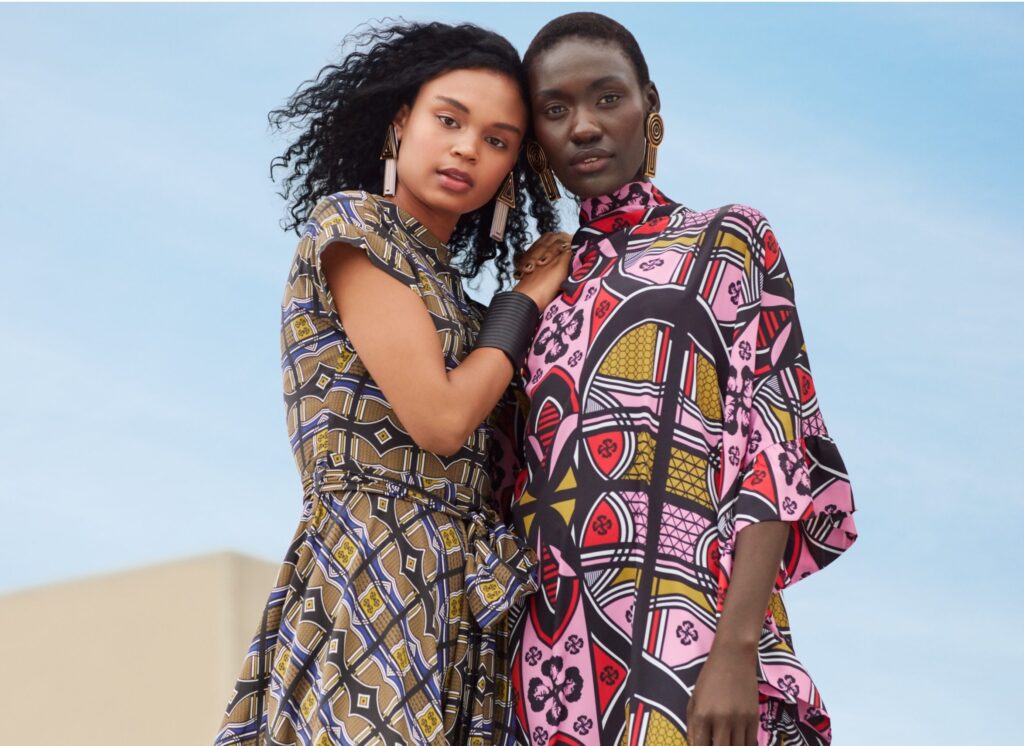
The 2019 H&M x Mantsho collaboration marked a watershed moment as the Swedish retailer’s first partnership with a South African label. Designed by Palesa Mokubung, founder of Mantsho, the collection embodied the essence of contemporary African design philosophy.
Mokubung seamlessly integrated her signature aesthetic vision throughout the line, creating a range that spanned dresses, skirts, jumpsuits, and accessories. Each piece was rendered in carefully curated palettes that spoke directly to her Johannesburg-based brand’s distinctive identity.
This collaboration proved instrumental in introducing African fashion to one of the world’s most accessible global retail platforms, exposing Mantsho to audiences far beyond the continent while demonstrating that African designers were prepared to scale globally.
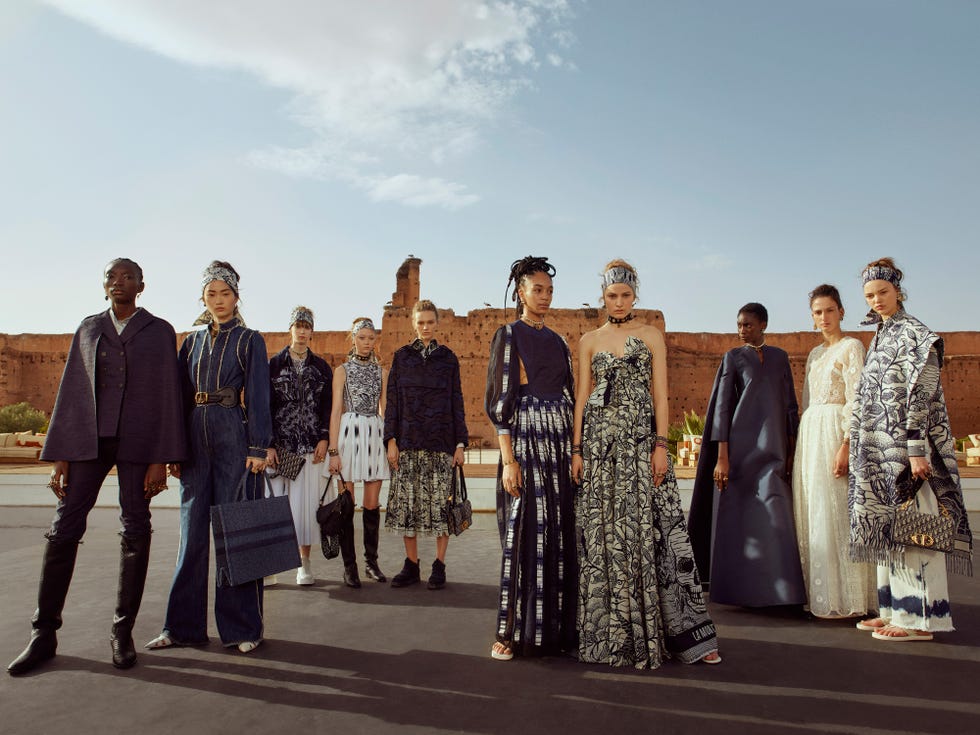
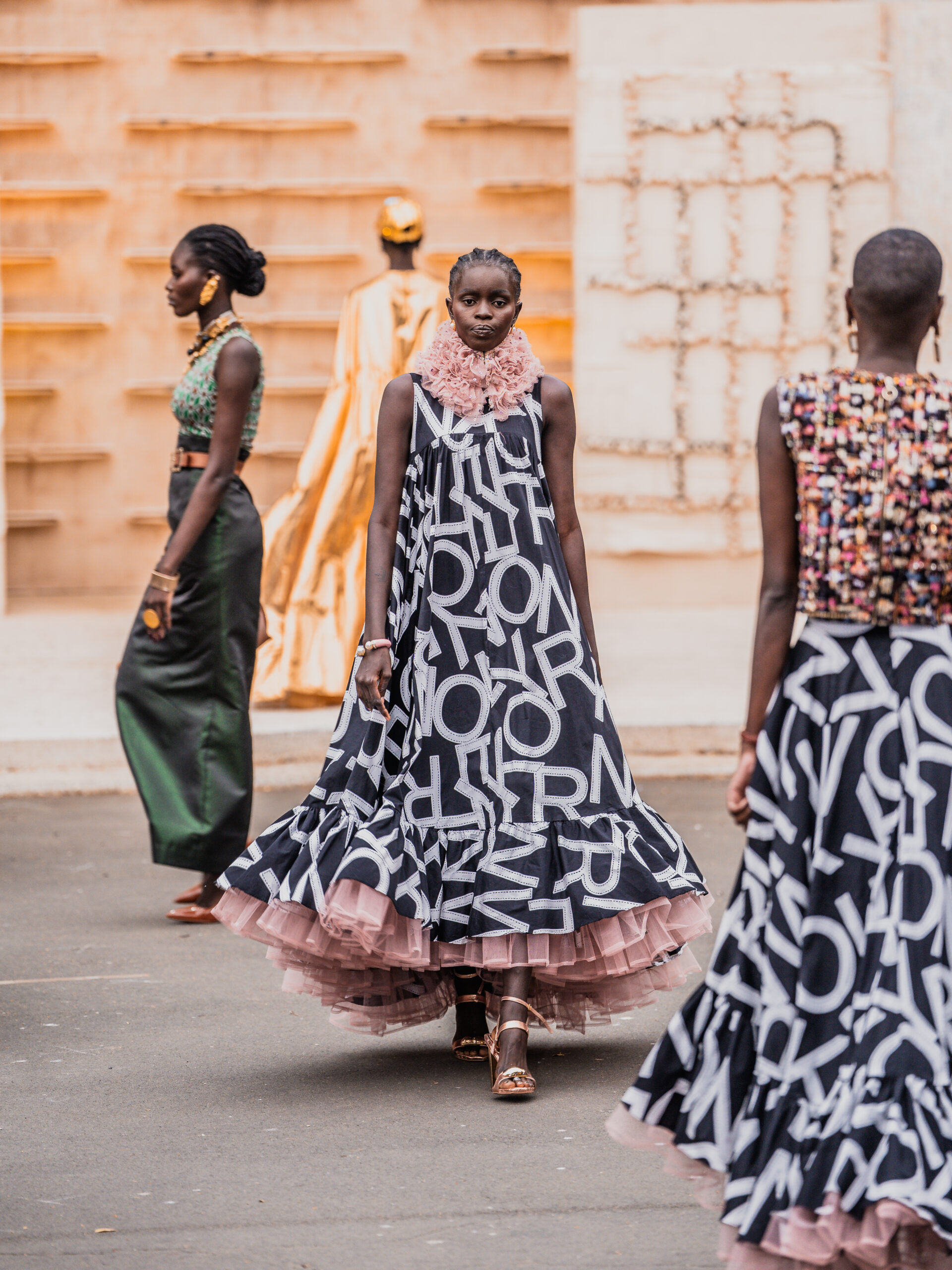
The Dior x Uniwax collaboration emerged during an extraordinary cultural moment—Dior’s Cruise 2020 show in Marrakech. Maria Grazia Chiuri reimagined the French house’s iconic motifs, including the Toile de Jouy and Dior Oblique, through the lens of African wax fabrics.
To realize this vision, Dior partnered with Uniwax, a distinguished Ivorian textile manufacturer renowned for producing authentic wax prints in Abidjan. The resulting collection masterfully merged Dior’s luxury codes with the symbolic richness of West African textiles.
Presented against the dramatic backdrop of Morocco’s El Badi Palace, the collection featured flowing dresses, precisely tailored jackets, and accessories rendered in richly patterned wax cloths that carried both European heritage and African craftsmanship.
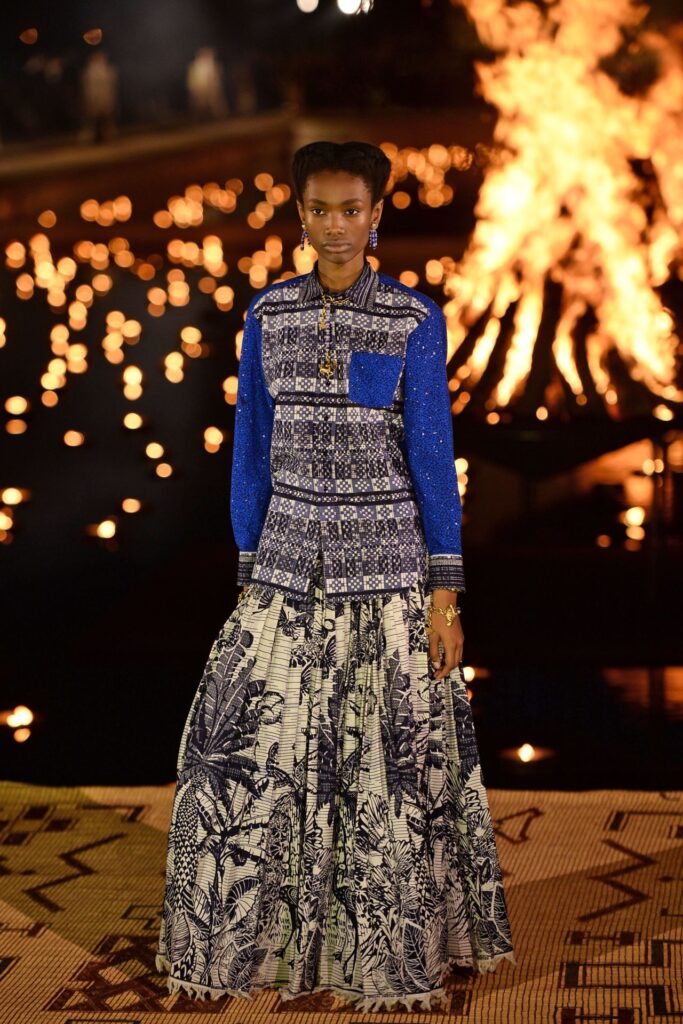
The Marrakech show also featured a profound collaboration between Dior and Pathé’O, where Maria Grazia Chiuri invited the legendary Burkinabè–Ivorian designer—celebrated for dressing Nelson Mandela—to contribute a special tribute piece.
The result was a commemorative shirt honoring Mandela, created in Pathé’O’s distinctive style and seamlessly incorporated into the Dior presentation. This moment resonated not merely for its symbolism but for its recognition of Pathé’O’s enduring cultural influence across Africa.
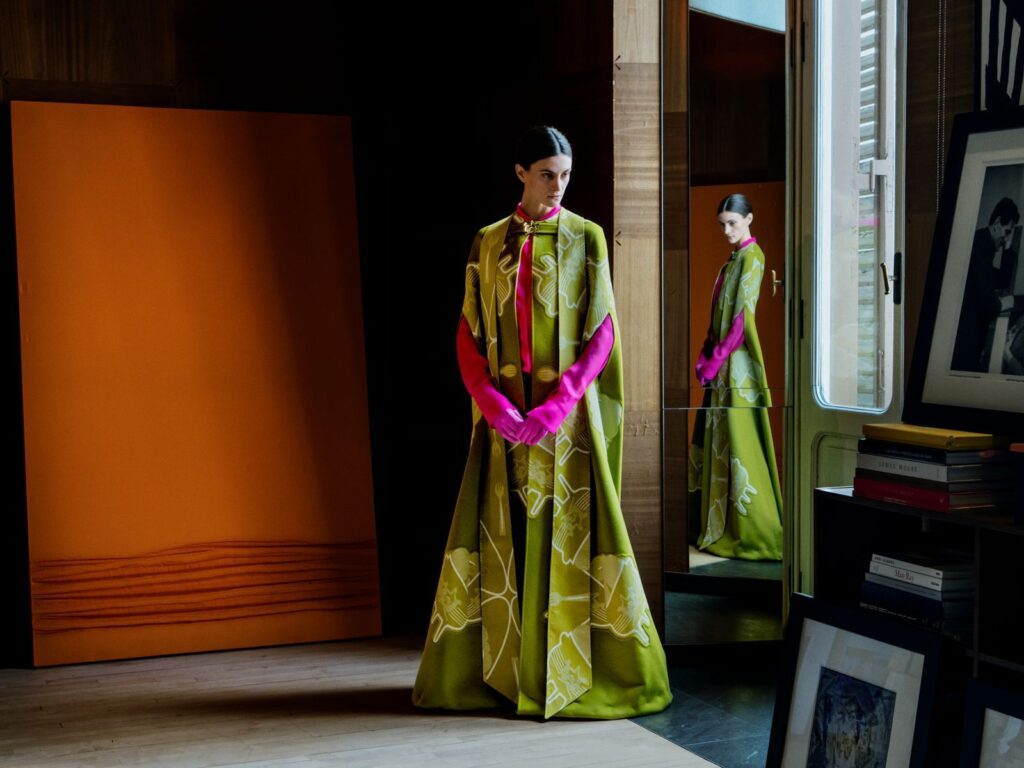
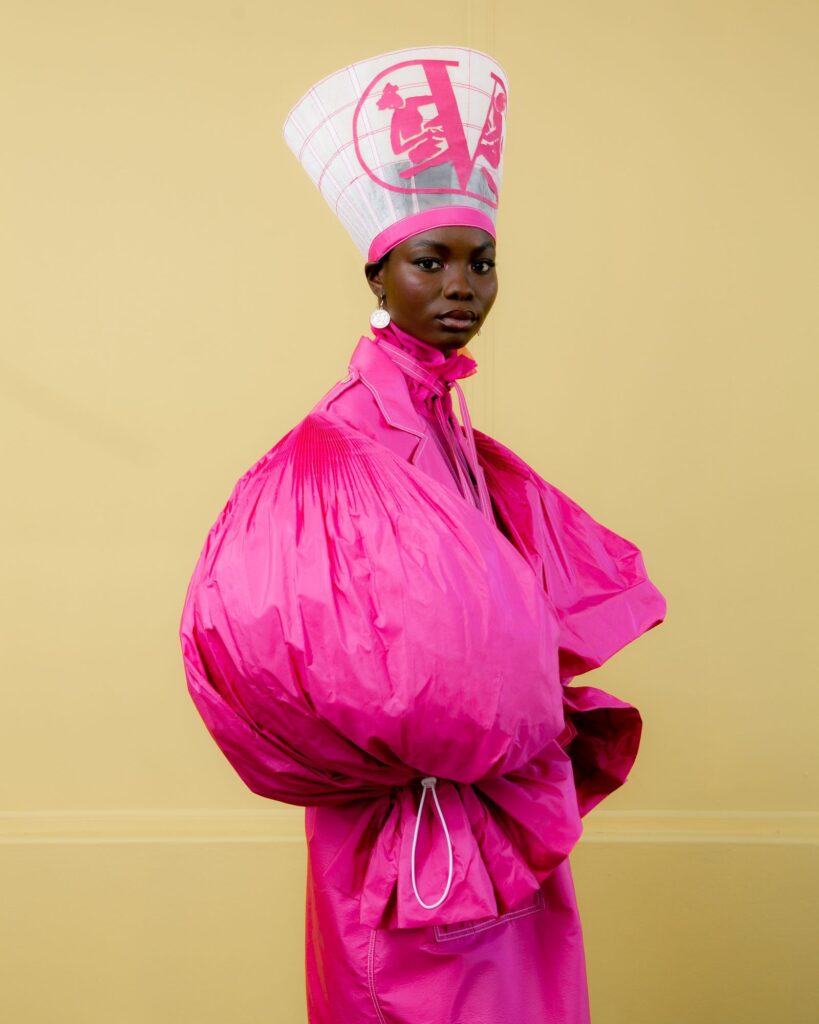
The fashion world was unprepared for the impact of the Valentino x Thebe Magugu collaboration. Unveiled in 2022 as part of Vogue’s Designer Swap project, it united Pierpaolo Piccioli’s Italian couture mastery with Magugu’s South African heritage-driven design philosophy.
Rather than producing a conventional capsule collection, the exchange saw each designer reinterpret a signature piece from the other’s archive. Magugu transformed one of Valentino’s dramatic fuchsia ball gowns into a sharply tailored trench coat, blouse, and wide-leg trousers—deconstructing grandeur into everyday elegance while preserving its essential spirit.
In response, Piccioli reimagined Magugu’s almond-green pantsuit, originally inspired by the patterned blankets of the Sotho people, into a richly embroidered cashmere cape, translating African symbolism into the language of haute couture.
The collaboration prioritized dialogue over spectacle, demonstrating how cultural heritage and identity can traverse continents without compromising authenticity.
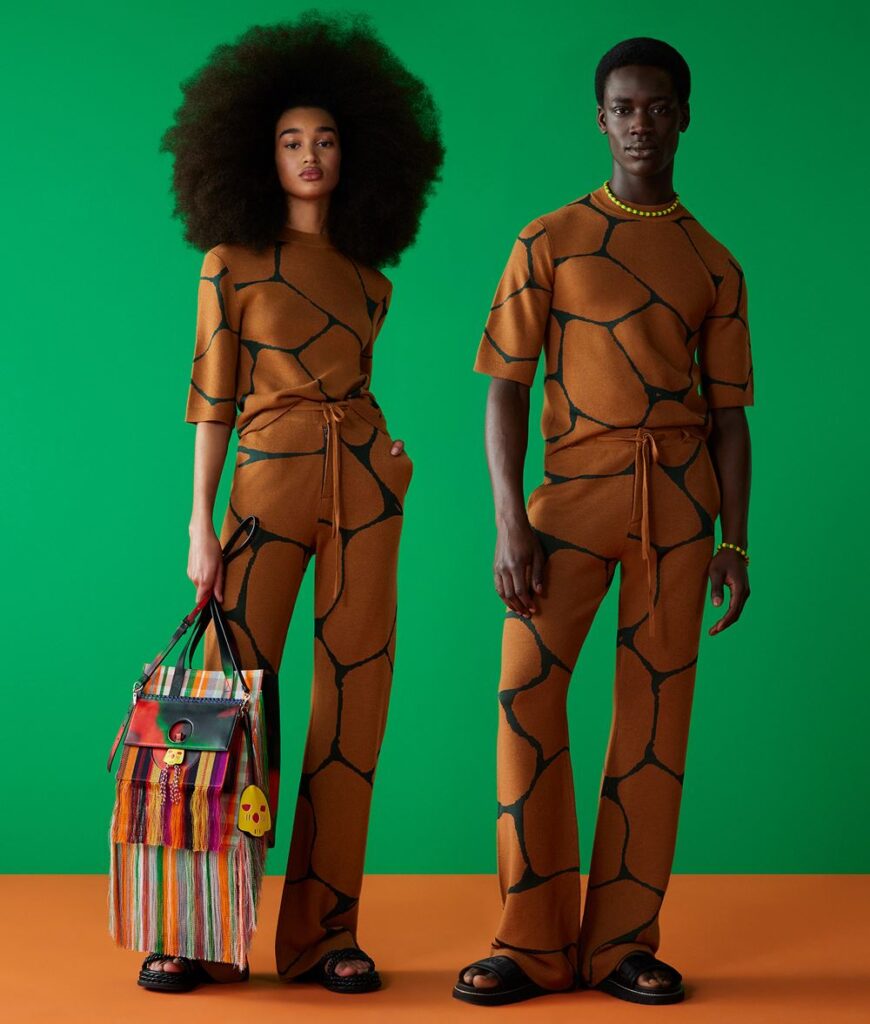
The Karl Lagerfeld x Kenneth Ize capsule, launched in 2021, represented a landmark collaboration between the Parisian fashion house and the Nigerian designer celebrated for his mastery of aso-oke, a traditional handwoven Yoruba textile.
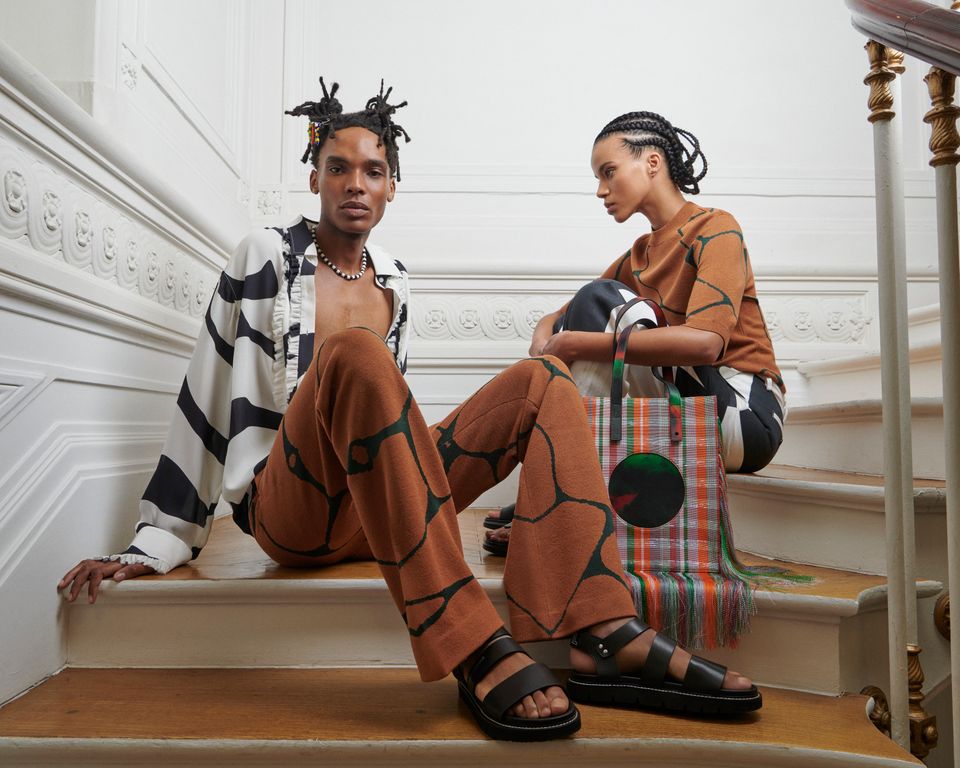
Conceived as a gender-neutral collection, it seamlessly blended Lagerfeld’s sharp tailoring and monochrome aesthetic with Ize’s vibrant stripes, tactile fabrics, and heritage-driven craftsmanship. Key pieces included swirl-print silk sets, boldly striped knits, and tailored blazers, complemented by accessories such as fringed aso-oke bags and platform sandals.
A persistent question has emerged: what altered the trajectory of these groundbreaking collaborations? At their peak, they were celebrated as revolutionary partnerships that redefined global perceptions of African fashion. Yet over time, the momentum has noticeably decelerated.
While speculation abounds, economic factors remain paramount. Legacy houses face increasingly tight margins amid global inflation, evolving luxury markets, and shifting consumer priorities toward emerging markets in China and the Middle East.
The reality is that collaborations—particularly those requiring investment in new supply chains, artisan networks, or cultural storytelling—are expensive and time-intensive endeavors. For brands accustomed to predictable returns, investing in partnerships outside established ecosystems can appear risky.
Conversely, many African designers operate with limited access to capital, manufacturing infrastructure, or distribution networks. Without this foundational support, collaborations risk becoming symbolic gestures rather than scalable partnerships, making major houses hesitant to commit long-term resources.
This slowdown does not indicate that legacy houses undervalue African fashion. On the contrary, they recognize its profound influence and global appeal. African design has demonstrated its power to shape aesthetics—from textiles and silhouettes to narrative-driven collections.
Luxury houses continue to draw inspiration from African craft traditions and source materials from the continent. What’s absent is the structural commitment to integrate African designers as equal partners in long-term business strategies.
Legacy houses are increasingly directing investments toward Asia and the Middle East, where booming luxury markets promise immediate financial returns. While Africa remains culturally rich and creatively vibrant, it represents a smaller luxury consumer base compared to these regions. Consequently, the continent’s designers are celebrated on global runways and in museums, but less frequently integrated into the business strategies of luxury conglomerates.
Paradoxically, the continued growth of African fashion has perhaps diminished the urgency for such collaborations. Designers are building global recognition independently—winning prestigious awards, showcasing at international fashion weeks, and selling directly to consumers worldwide.
African designers are increasingly telling their stories on their own terms, reducing dependence on validation from Paris or Milan fashion establishments. This independence represents a maturation of the industry and a testament to the strength of African creative vision.
For the next phase of trans-continental collaborations, the industry requires Africa’s consumer market expansion, stronger designer distribution networks, and most importantly, more equitable partnerships that have the potential to reshape the luxury industry’s power dynamics.
The pause in collaborations may not represent an ending, but rather a strategic intermission before a more balanced and sustainable future emerges.