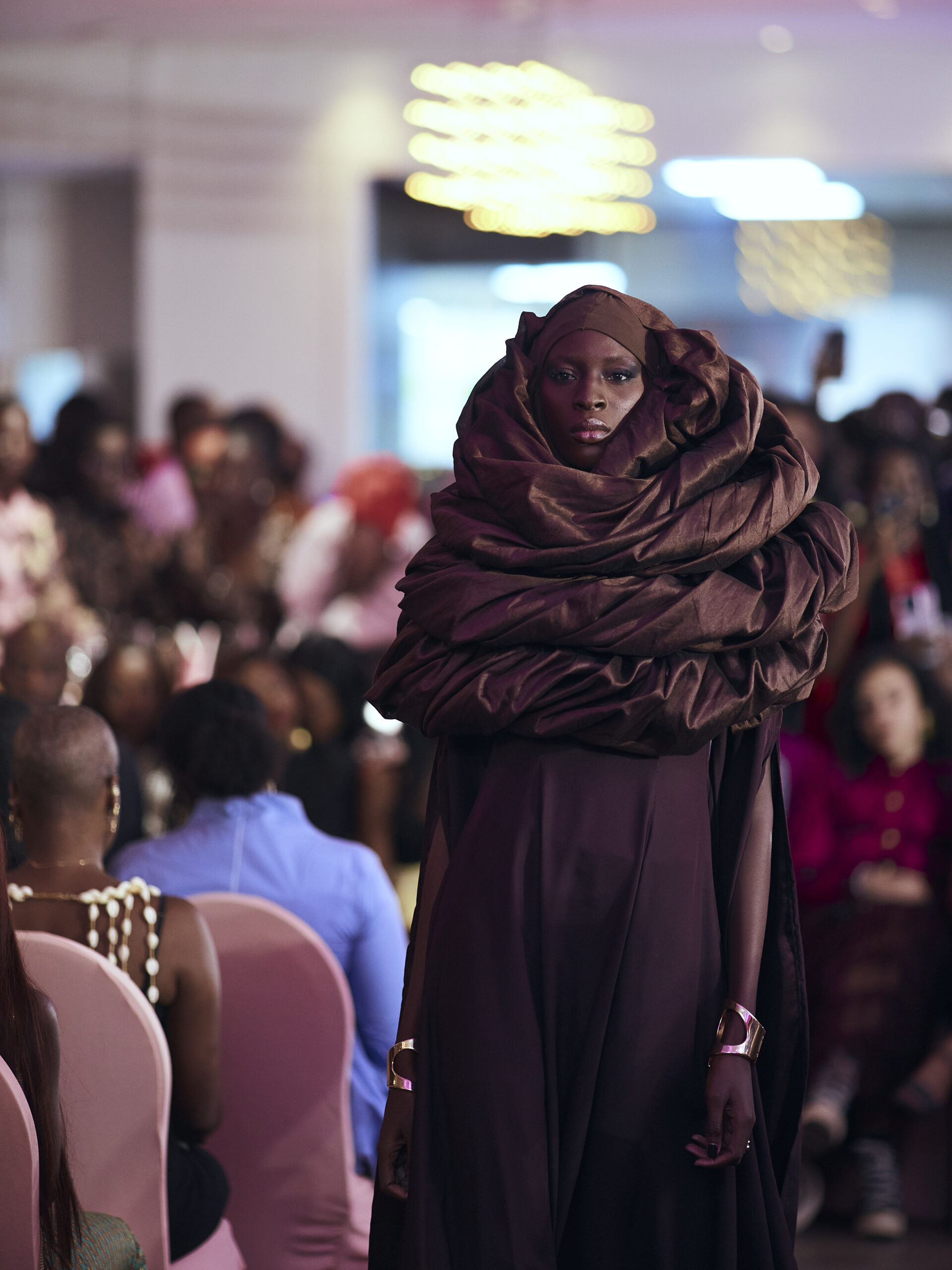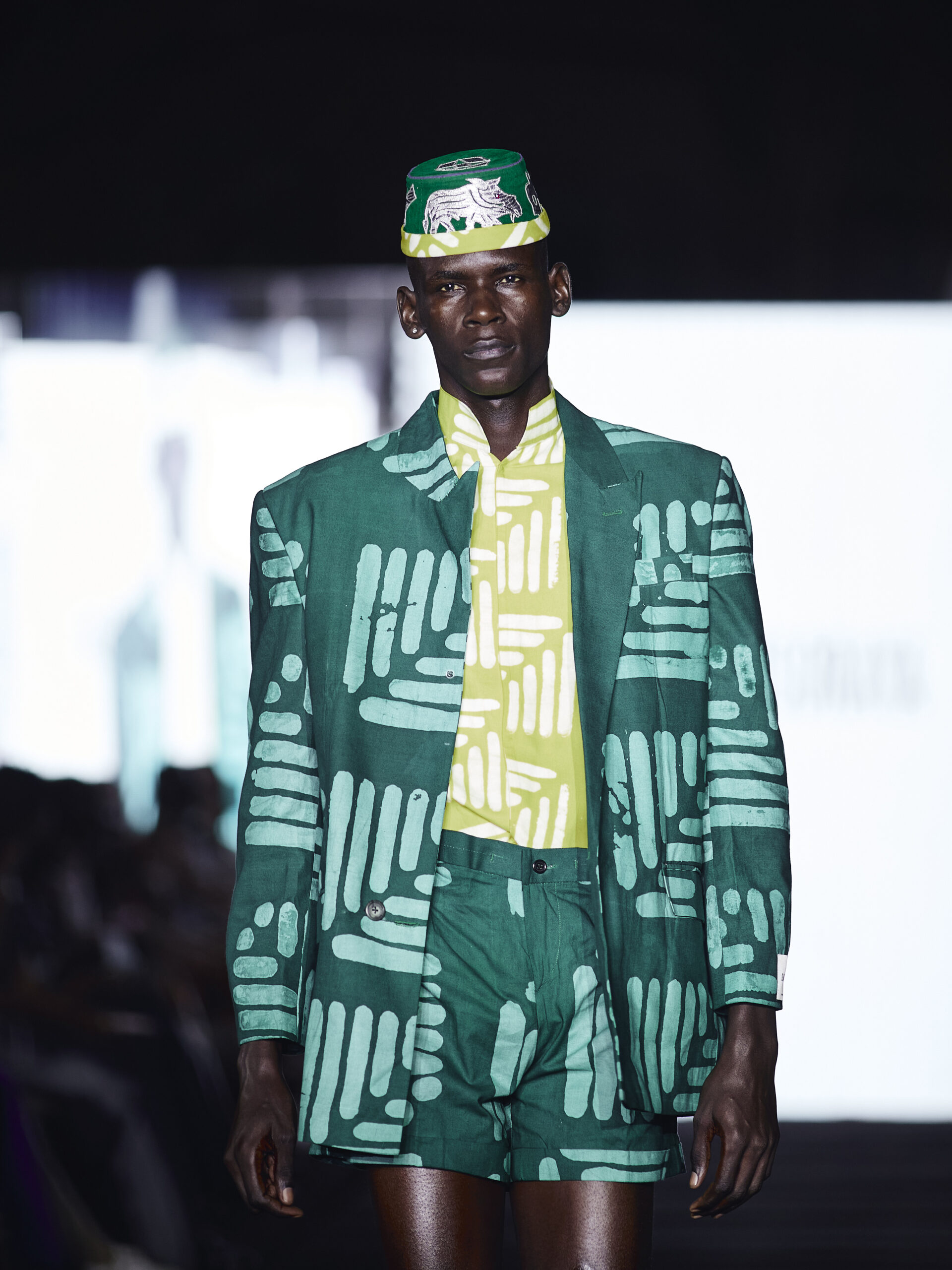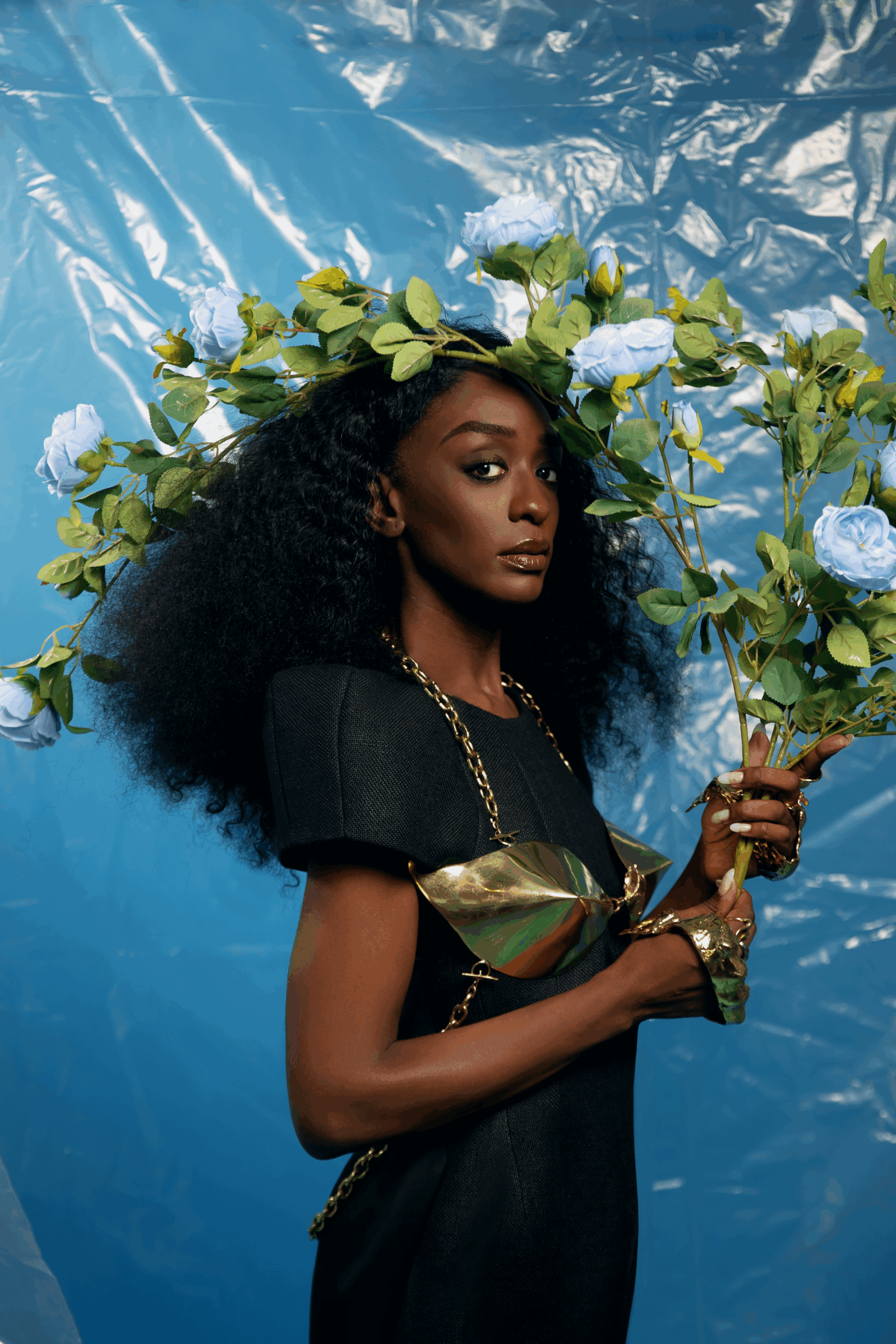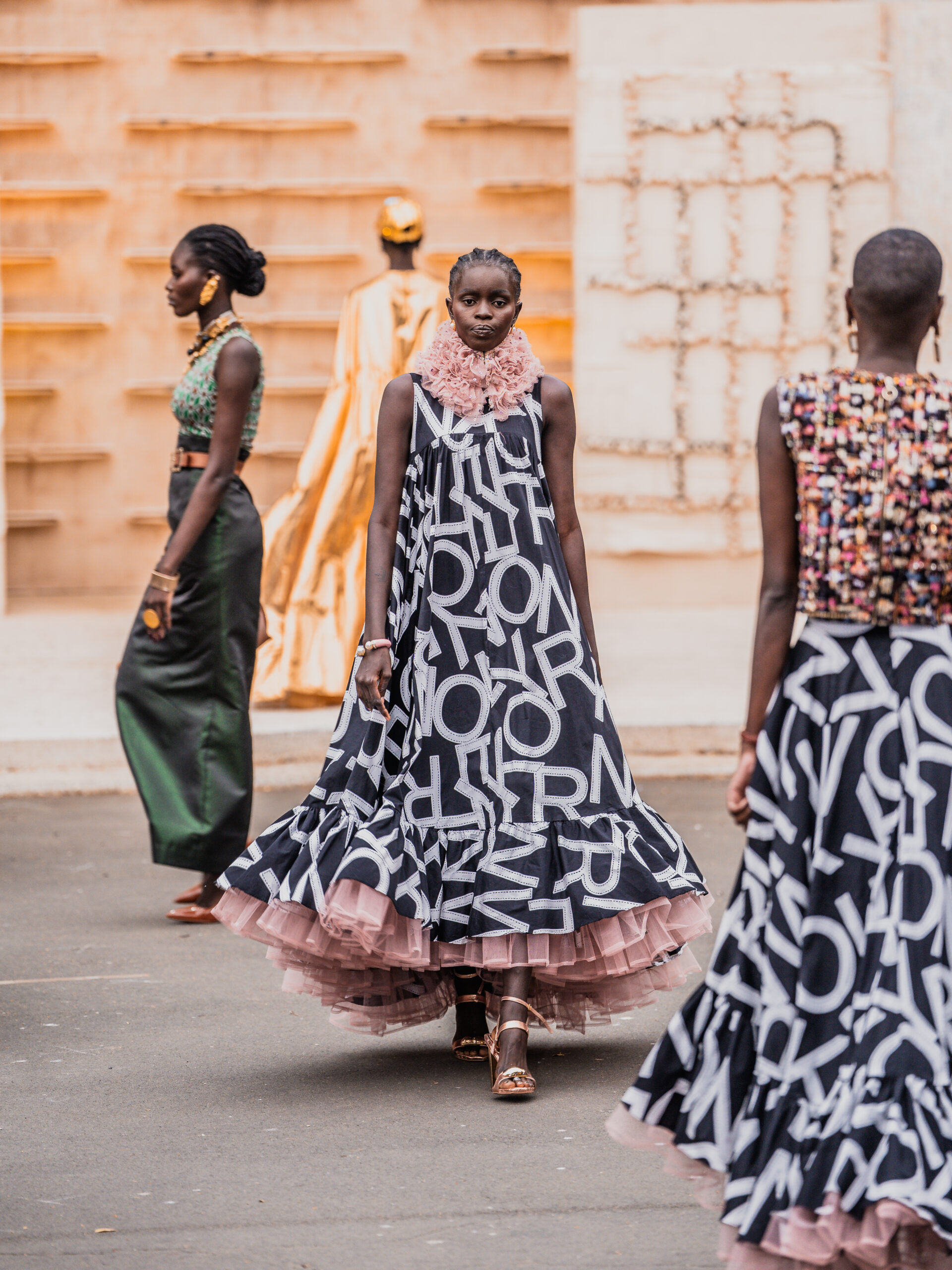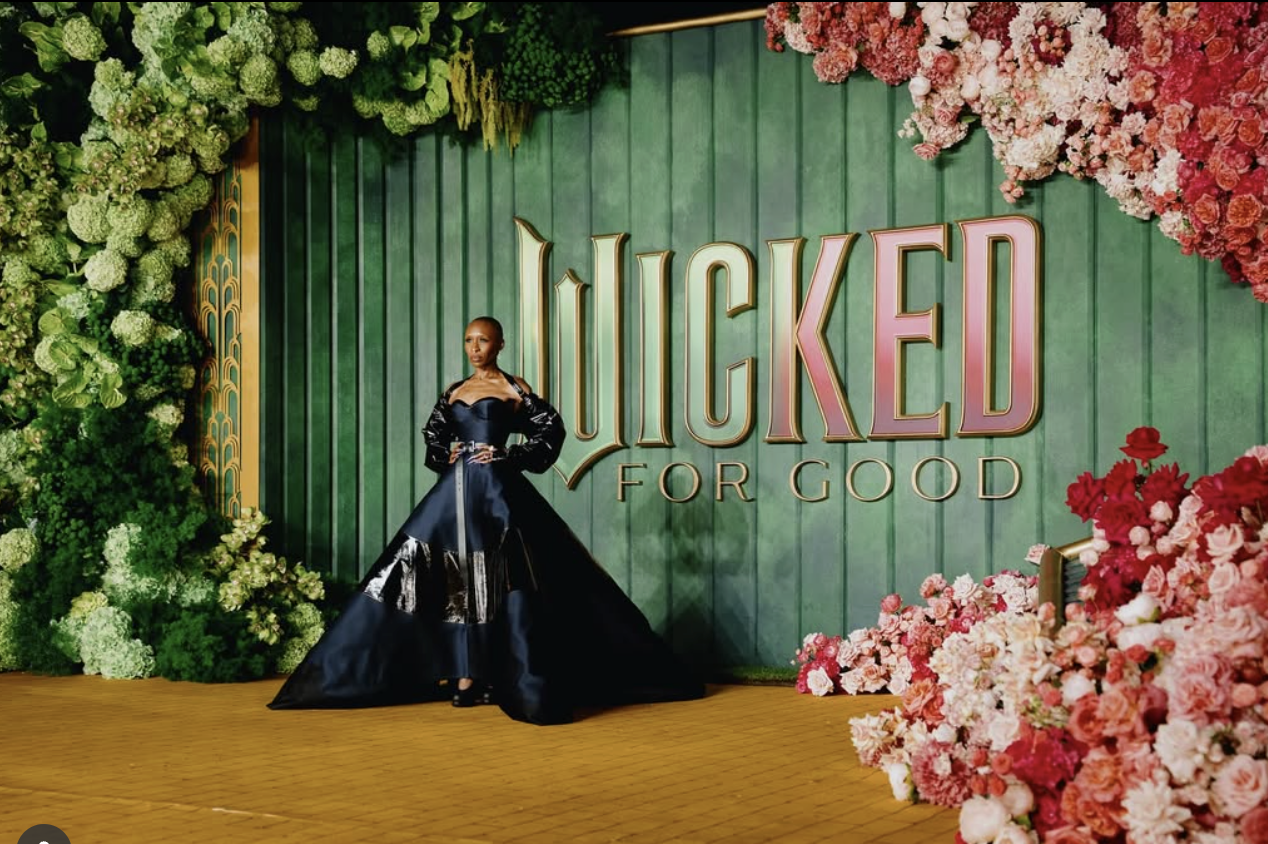
African fashion is entering a defining chapter—one shaped by confidence, cultural depth, and a growing global presence. Designers across the continent are merging heritage with modern design language, creating work that feels both rooted and radically fresh. Their influence now stretches from red carpets to major fashion capitals, where African craftsmanship is recognized not as a trend but as a force shaping contemporary style.
Sustainability is central to this evolution. Many African brands have long worked with low-waste techniques, natural dyes, recycled fibers, and handwoven textiles—practices now heralded as the future of responsible fashion. This approach supports local artisans, preserves traditional knowledge, and offers a blueprint for an industry seeking new models of ethical production.
Technology is accelerating that growth. E-commerce, social platforms, and virtual presentations are giving designers direct access to global audiences, breaking down the geographic barriers that once limited visibility. With digital tools expanding reach, African brands are scaling on their own terms.
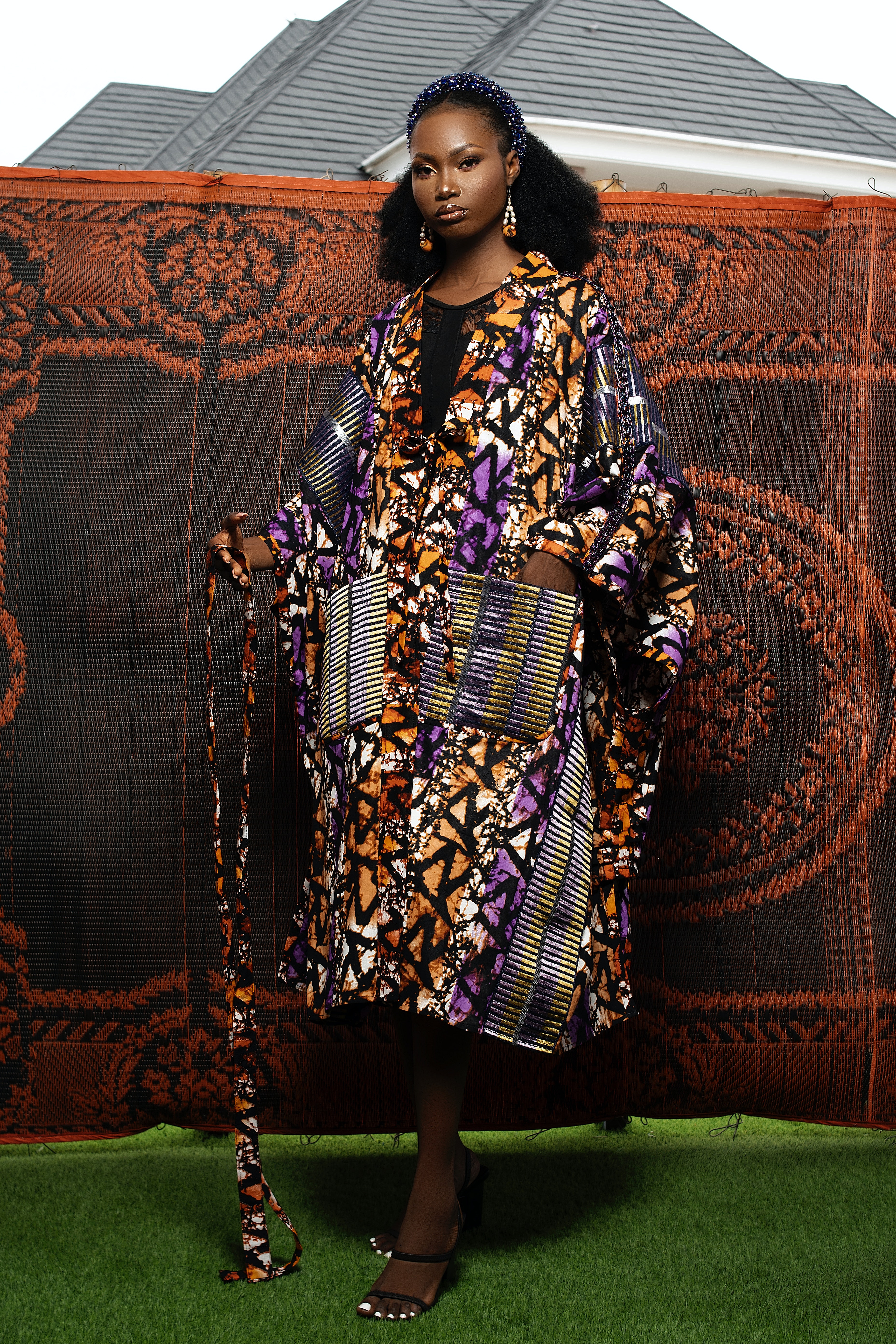
What truly distinguishes the movement is its cultural clarity. Designers are drawing from centuries-old techniques—loom weaving, beadwork, dye traditions—and translating them into crisp silhouettes and modern proportions. It’s heritage expressed with intention, not nostalgia, and it gives the work an unmistakable sense of identity.
Across the industry, this rise is accompanied by a broader shift toward representation. African designers are widening fashion’s lens through casting, sizing, and styling that reflect real communities and celebrate individuality. The result is a fashion landscape where authenticity and self-expression feel essential rather than aspirational.
Luxury, too, is being redefined. African brands are introducing a new kind of prestige—one built on craft, story, and cultural specificity. Instead of relying on European markers of exclusivity, they offer a vision of luxury rooted in meaning and meticulous handwork.
Taken together, these shifts point to a future full of possibility. African fashion is not emerging; it is expanding, innovating, and shaping the global conversation. With its blend of creativity, sustainability, and cultural integrity, the continent is not just participating in fashion’s future—it is actively leading it.