When Nigeria’s film industry surged onto the scene in the late 1990s and early 2000s, it was built on urgency and ingenuity rather than glamour. The budgets were modest, the production schedules tight, and the priorities leaned heavily toward storytelling and distribution rather than elaborate aesthetics. In those days, the idea of hiring a dedicated costume designer was, for most filmmakers, out of reach.
Instead, actors often arrived on set with their own clothes or sourced wardrobes from local markets. Wardrobe decisions were rarely curated, yet they carried an unmistakable authenticity. Characters looked like the people audiences knew: the housemaid in simple wrappers, the churchgoer in Sunday best lace and gele, the banker in an off-the-rack suit, the university student in denim and fitted tops. Without the luxury of couture, Nollywood nonetheless captured the lived reality of Nigerian life through fashion that was ordinary yet deeply resonant.
It was during this time that the Y2K aesthetic emerged: Genevieve Nnaji’s boot-cut jeans, Omotola Jalade-Ekeinde’s flowing dresses, and Ramsey Nouah’s fitted suits. While iconic, these weren’t the work of fashion houses that would emerge in modern times—they were simply reflective of the curated style trends of the early 2000s.
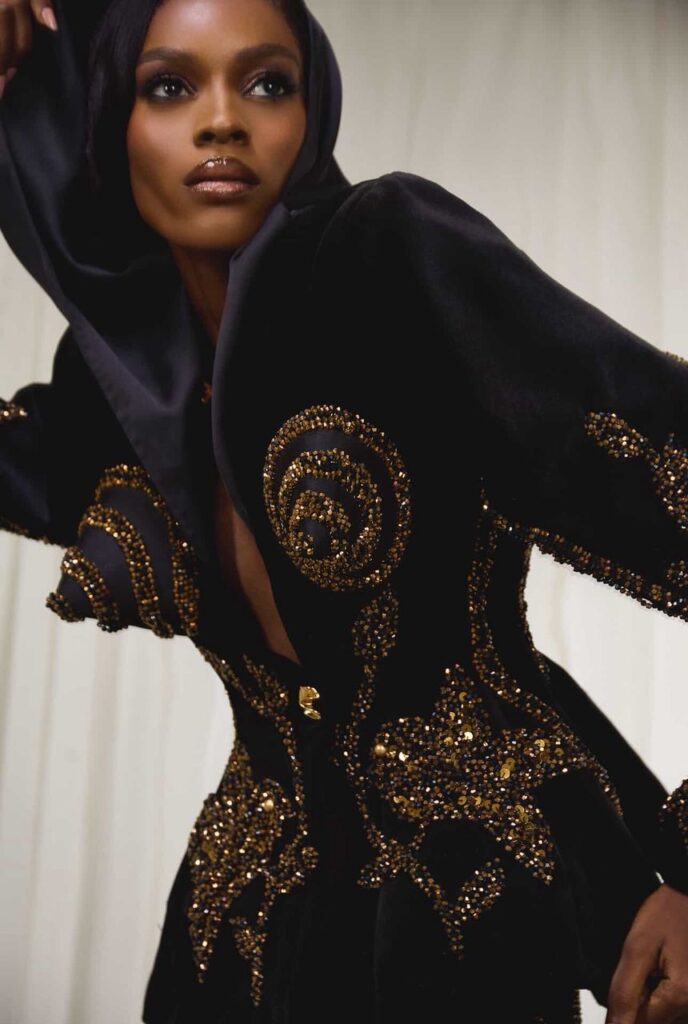
The biggest shift today lies in intentionality. Stylists are now purposefully crafting wardrobes to embody and elevate character narratives, rather than simply selecting clothing to fill scenes. This transformation has been made possible, in part, by increased budgets. Where the average production of the early 2000s ran on tens of thousands of dollars, recent Nigerian blockbusters command six- and seven-figure investments. The 2023 film “The Black Book,” for example, was produced with a reported $1 million budget — one of the highest in Nollywood history — while other titles like “Tòkunbò” have crossed the $200,000 mark. These figures, modest by Hollywood standards, represent a quantum leap for Nollywood, translating directly into the ability to hire stylists, commission bespoke costumes, and collaborate with leading designers.
Equally transformative has been the influx of international streaming platforms. Netflix, Amazon Prime Video, and Showmax have not only expanded global access to African films but also raised production value expectations. Netflix’s “Made by Africans, Watched by the World” strategy placed Nollywood in a new cultural conversation, while Amazon Prime Video’s first African Original, “Gangs of Lagos,” set a precedent for scale and ambition. Partnerships between international distributors and local studios, such as Inkblot Productions’ multi-year licensing agreement with Prime Video, have further entrenched this new standard of professionalism.
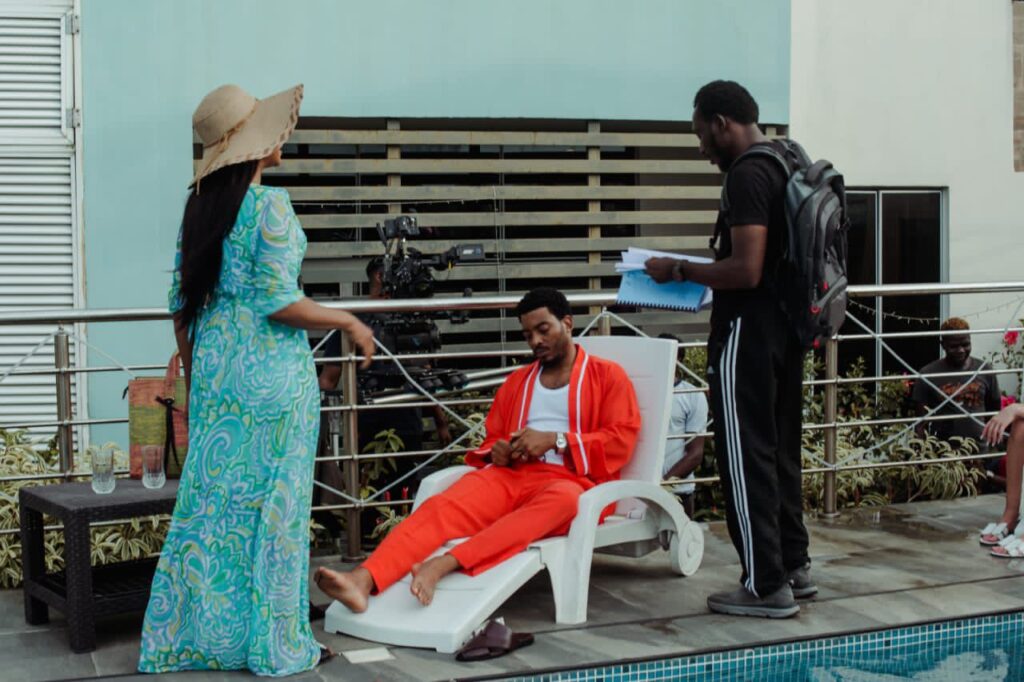
The shift toward luxury fashion in Nigerian cinema didn’t happen overnight. It’s the product of two converging forces: the arrival of global streaming platforms with larger budgets, and the willingness of local filmmakers to see clothing not as afterthoughts but as core elements of character and story. A milestone in this evolution was the 2024 Prime Video original “A Christmas in Lagos.” For the production, filmmaker Jade Osiberu brought in Dahmola, a stylist known for bridging high fashion with pop culture storytelling. Rather than sourcing generic costumes, Dahmola curated a wardrobe that deliberately showcased Nigerian luxury designers such as Emmy Kasbit and Lisa Folawiyo. Their pieces — renowned for intricate handwoven textiles and playful embellishments—served as visual signifiers of Lagos itself: modern, ambitious, and unapologetically stylish.
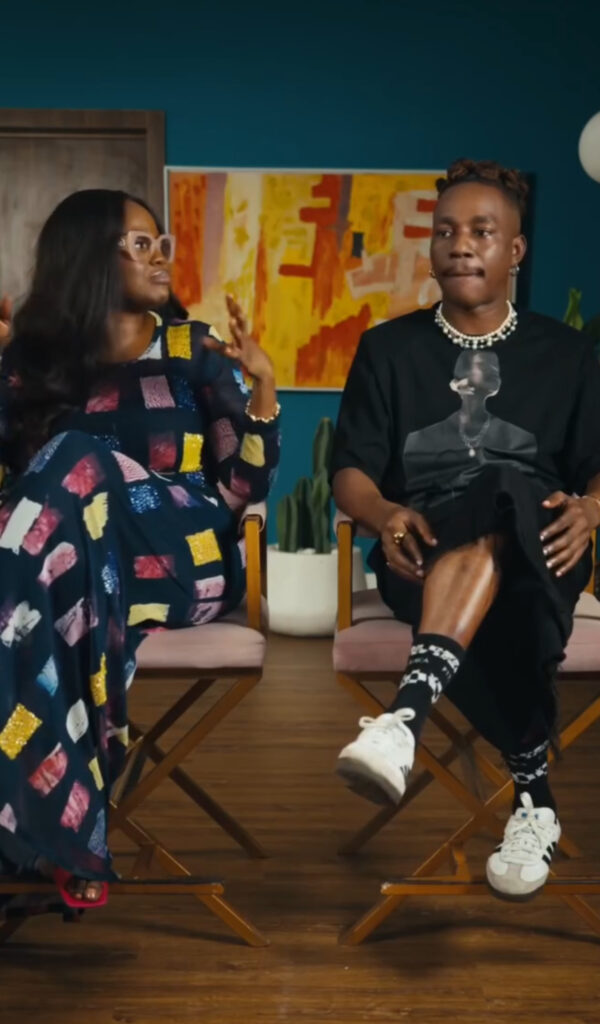
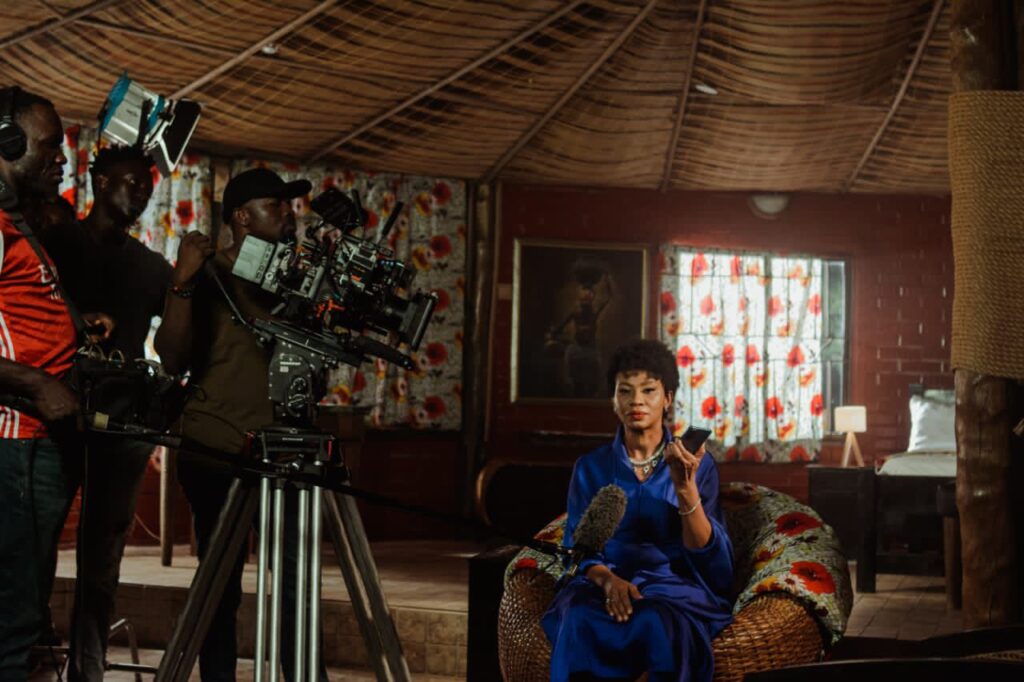
The collaboration didn’t end there. Dahmola and director Jade Osiberu sat down for an interview breaking down each look and explaining why they were planned for specific scenes — a deep dive into the psychoanalysis of fashion styling that has become a deliberate trend we now see playing out across the industry.

For Sodiq Ayinde, known as The Style Pundit, being a stylist has been an incredible journey. He began his career at a talent management company where his boss noticed his flair for styling and urged him to work with their talents. Since then, he has styled actresses including Jemima Osunde, Sophia Alakija, and Eku Edewor for red carpets, magazine editorials, and TV commercials. He describes his portfolio as a masterclass in creative range and elevation.
“Each project I’ve worked on carries its own weight, audience, and emotional texture, and I’ve styled them all with precision and flair,“ he tells Guzangs.
The recent Netflix film “Devil Is A Liar” is one of his ten film styling projects. The movie features Nse Ikpe-Etim delivering a searing performance as Adaora, a wealthy real estate mogul whose seemingly idyllic romance with Jaiye (James Gardiner), a rising star in Lagos’ fashion world, turns sinister. What begins as a fairytale love story soon unravels into a tale of manipulation, deceit, and psychological control, forcing Adaora to fight for both her independence and her sanity.
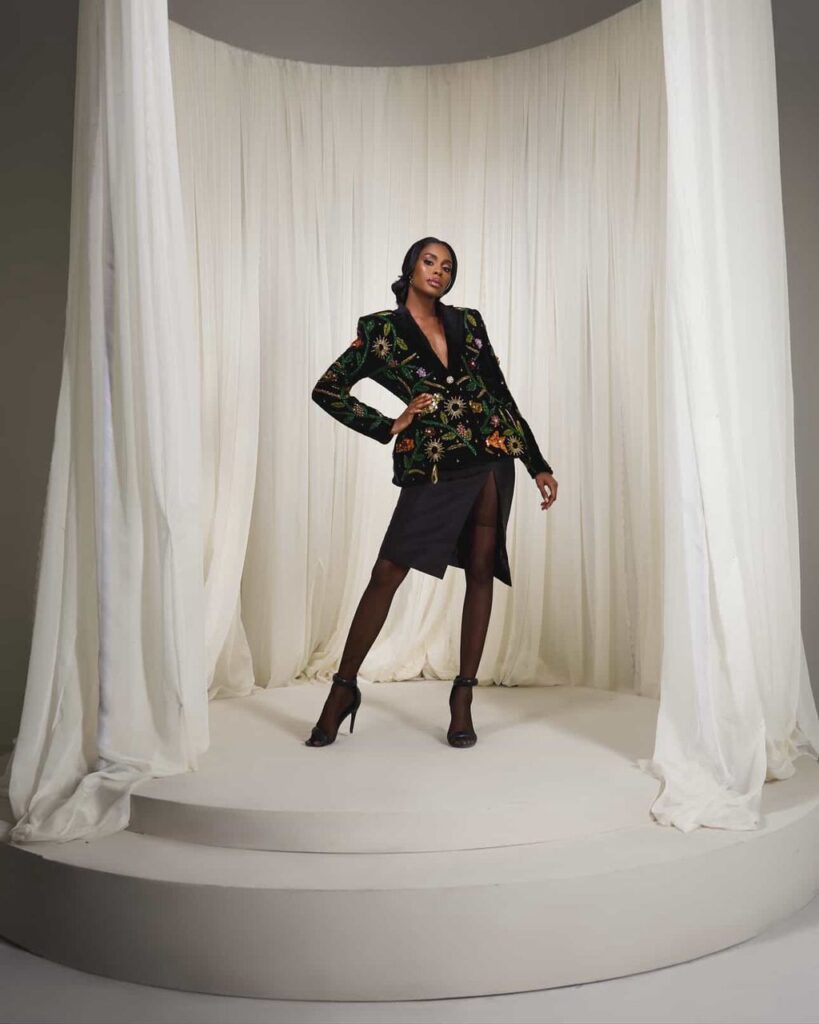
“My work on the film is a brilliant example of costume design as emotional architecture,” he notes. “I began by dissecting the script, mapping emotional arcs, power shifts, and psychological transitions. Adaora’s journey from confident mogul to emotionally devastated woman required a wardrobe that evolved with her. Early scenes featured structured silhouettes and luxe fabrics to reflect Adaora’s success and control. As her world unraveled, I softened the palette, introduced looser fits, and used texture to mirror vulnerability.”
He collaborated with designers like Flat16studios, SEVON Dejana, Ambaosa, Julyet Peters, Emagin by Bukola, and Micheal Dino, who individually contributed balance to every scene. Balancing style with story can be tricky, but Sodiq approached the film with a clear vision. Even in its most glamorous moments, he ensured the style served the narrative. Every look was intentional, from Jaiye’s designer-inspired persona to Adaora’s post-trauma wardrobe. For him, working on the film was emotional, and he wanted the audience to feel that connection.
When asked what it meant to work with the cast and designers, he says, “Working with powerhouse talents like Nse Ikpe-Etim and Nancy Isime meant curating wardrobes was crucial to the film’s success. It was a thrill, I must say.”
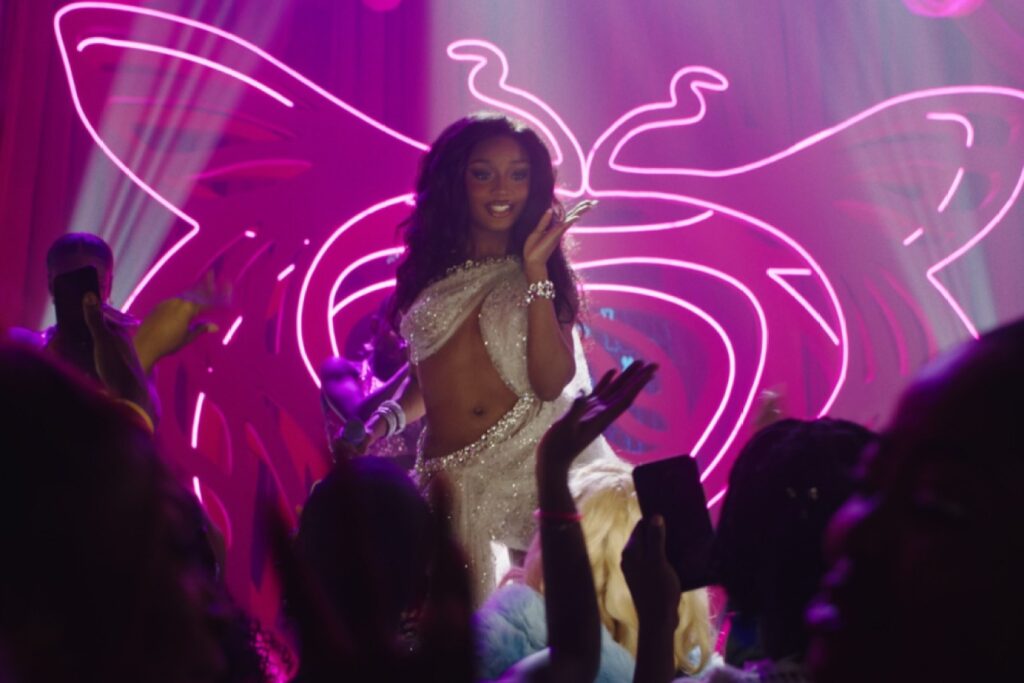
As Nollywood increasingly embraces fashion as central to its visual storytelling, the natural question becomes: where does it go from here? The current wave marked by collaborations with stylists, luxury designers, and international streaming platforms has undeniably raised standards. Yet the future will hinge on how the industry navigates two competing realities: ambition and sustainability.
While it might seem far-sighted, it would be exciting to see the industry create more visually dramatic looks — think sci-fi films like the costume design in Apple TV’s “Foundation” or Prime Video’s “The Wheel of Time.” Recent projects such as “Devil Is A Liar” and “A Christmas in Lagos” haven’t hinted at this direction yet, but it’s worth imagining the possibilities. However, the industry needs a solid, profitable market to sustain such ambitious changes.
One thing is clear: fashion is never backing down, and what the industry needs most are visionaries who can imagine this future and work toward building a value system that helps the market develop further. As Nollywood continues to evolve, the marriage of luxury fashion and compelling storytelling promises to reshape not just how Nigerian stories are told, but how the world sees them.