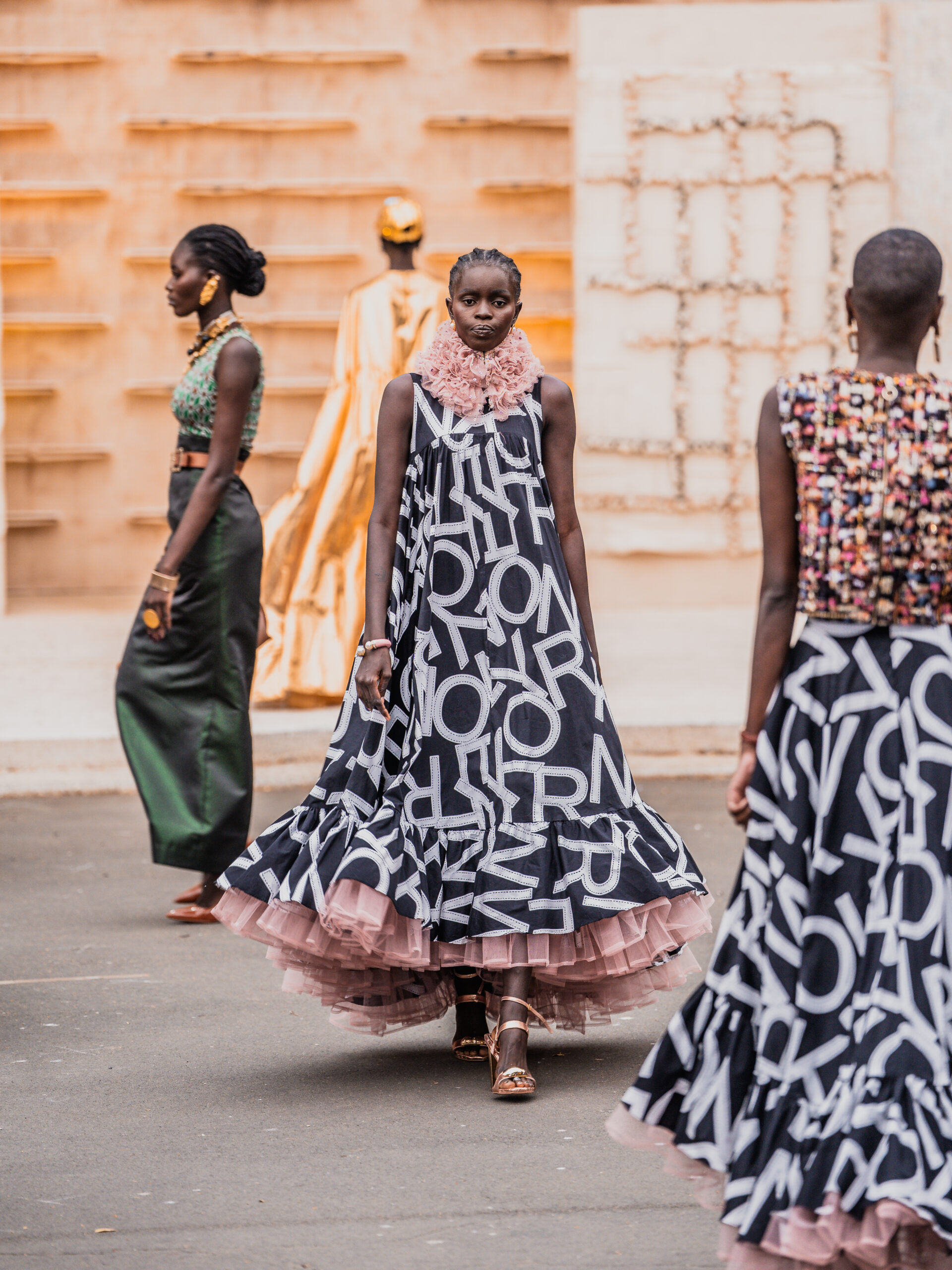
Fashion across the continent has always been rooted in craftsmanship, talent, and boundless creativity—and nowhere is that more evident than in the pioneering legacy houses that rose to prominence from the 1980s onward. These houses wove an African narrative that resisted reductive stereotypes and demanded global recognition for its innovation and cultural depth. Their ateliers became training grounds where local artisans preserved centuries-old techniques, while their international showcases inspired a new generation of designers.
Today’s rising talents stand firmly on the shoulders of these trailblazers, ensuring that African fashion remains ever-evolving—fiercely proud of its roots and boldly shaping the future. Shining a spotlight on these legacy houses and the visionary designers behind them is essential not only for honoring the architects of Africa’s sartorial renaissance but also for preserving a living archive of craft, innovation, and cultural storytelling.
MAXHOSA AFRICA
Founded in 2011 by South African designer Laduma Ngxokolo, MAXHOSA AFRICA has redefined contemporary African luxury through knitwear inspired by Xhosa initiation traditions. Originally conceived as a way to reinterpret the ceremonial dress of amakrwala (young Xhosa men), the brand now serves as a global ambassador of heritage craft—infusing merino wool and mohair with vibrant geometric motifs drawn from Xhosa beadwork. With showings in New York, Paris, and Milan, and a fiercely loyal fanbase that includes Michelle Obama and Beyoncé, MAXHOSA has become one of Africa’s most influential legacy brands. From its Johannesburg-based knitwear factory to its growing homeware line, the brand continues to push the boundaries of cultural expression, craftsmanship, and scale.
Lanre Da Silva Ajayi
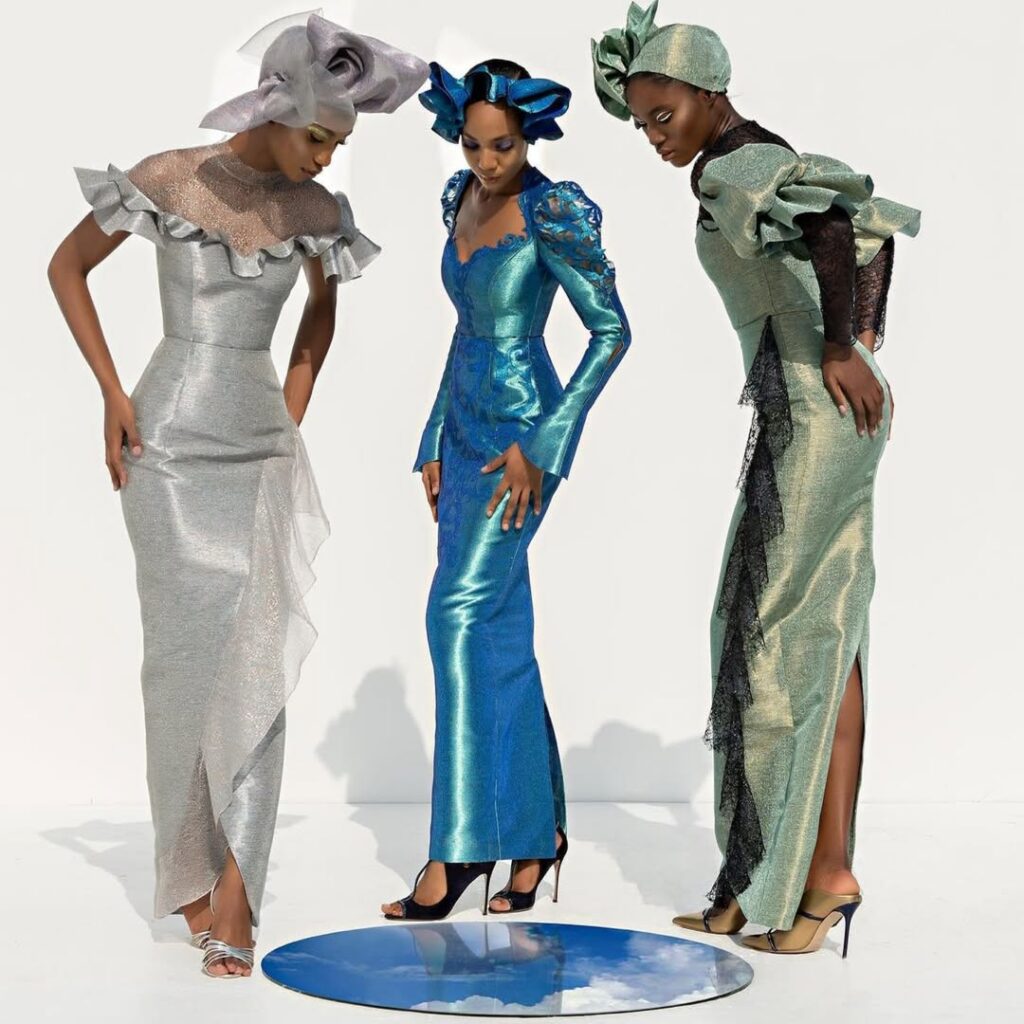
Founded in Lagos in 2005 by London-trained designer Lanre Da Silva Ajayi, this eponymous label quickly established itself as a cornerstone of Nigerian fashion. The brand fuses Western tailoring with West African textiles and motifs. It gained prominence through collections like “Eko Meets Savile Row”, and expanded into international boutiques. Worn by First Ladies and Nollywood icons, the label now focuses on sustainable, made-to-order capsules that explore biodegradable materials and versatile silhouettes—all while championing cultural heritage and community craftsmanship.
XULY.Bët

Founded in 1989 by Malian designer Lamine Badian Kouyaté, XULY.Bët has long championed sustainability and rebellion. After studying fine arts in Dakar and architecture in Strasbourg, Kouyaté launched his first boutique in Paris’s Les Halles district. There, he transformed recycled jerseys, stretch bodysuits, and deadstock fabrics into high fashion. His guerrilla-style runways and fearless layering became a visual manifesto. Nearly four decades later, XULY.Bët remains a symbol of eco-conscious design—its ethos echoed across today’s global fashion landscape.
Deola Sagoe
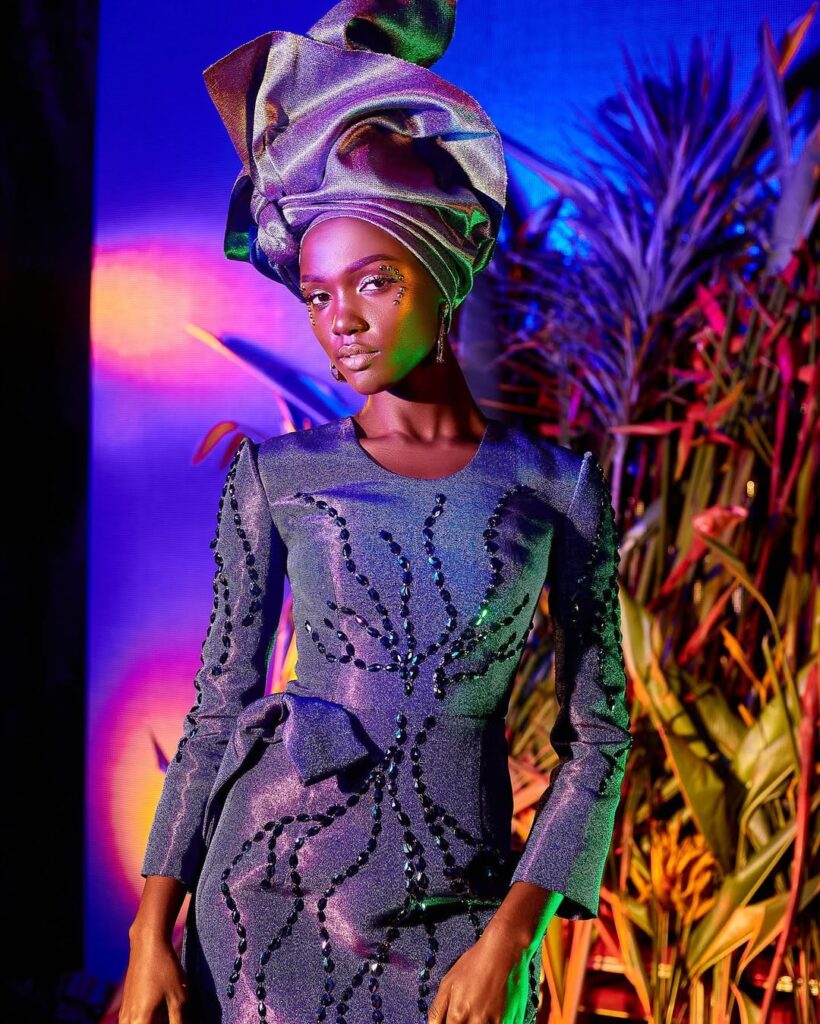
Founded in 1989 by Adeola Ade-Ojo, Deola Sagoe is one of Nigeria’s most iconic fashion brands. Known for bold silhouettes and intricate embroidery, the brand elevated Yoruba traditions with its luxurious couture vision—most notably through the signature Komole bridal line. Deola Sagoe has shown at international fashion weeks and worked with the UN on initiatives like “Catwalk the World.” In 2024, the brand announced a shift away from bespoke couture, signaling a new era of broader accessibility and creative evolution. Long before African fashion became a global trend, Deola Sagoe was defining it on its own terms.
Tiffany Amber
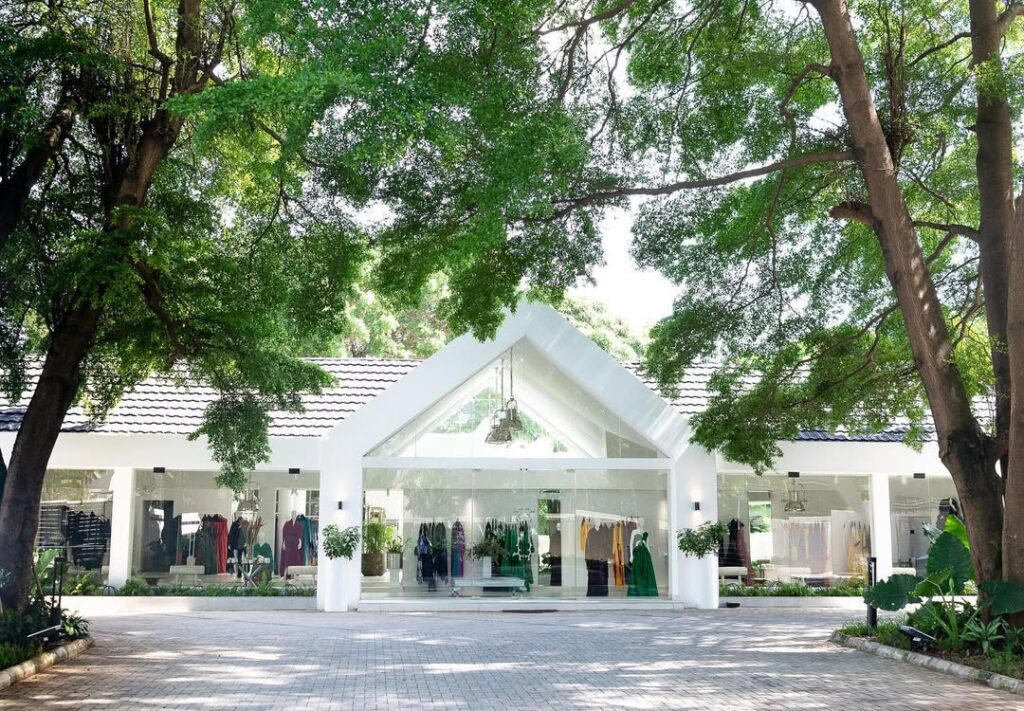
Founded in Lagos in 1998 by designer and creative entrepreneur Folake Coker, Tiffany Amber broke new ground by combining architectural tailoring with heritage-inspired prints. From its debut at Nigeria Fashion Week in 1999 to its showcases in London and New York, the brand garnered international acclaim. Each piece is produced in its Lagos atelier, where seamstresses, pattern cutters, and textile artists collaborate on intricate detailing—beadwork, appliqué, and hand embroidery. Through its community workshops, Tiffany Amber invests in the next generation of makers. After more than 25 years, it continues to reimagine cultural motifs for the modern woman.
MUDI Africa
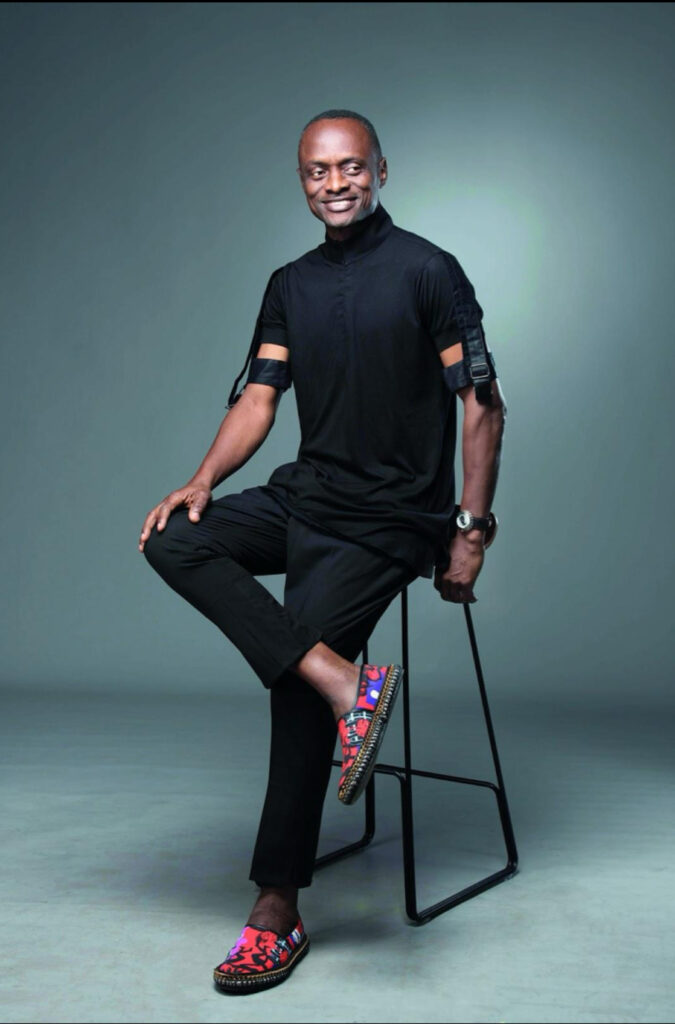
Founded by Clement Mudiaga Enajemo, MUDI Africa pioneered Afrocentric menswear by combining tailored silhouettes with traditional motifs and premium fabrics. By the early 2000s, it became the first Nigerian menswear label to open boutiques across Ghana, Kenya, Senegal, and South Africa—establishing its reputation as a truly pan-African brand. Heads of state, celebrities, and business elites have all worn MUDI’s creations. The Lagos atelier remains the creative heart of the brand, producing every garment with artisanal precision. After more than three decades, MUDI Africa stands as a symbol of excellence in modern African menswear.
David Tlale
Since launching his namesake brand in 2003, South African designer David Tlale has carved out a legacy built on theatricality, craftsmanship, and unapologetic glamour. Known for bold silhouettes, baroque detailing, and a flair for drama, Tlale was the first South African designer to showcase solo at New York Fashion Week. His Johannesburg atelier remains a production hub for his collections, and through his mentorship program, The Intern by David Tlale, he’s invested in the next generation of African designers. With over two decades at the helm of his brand, Tlale has cemented his status as a legacy house redefining African luxury.
KikoRomeo
Founded in 1996 by Kenyan designer Ann McCreath, KikoRomeo (“Adam’s Apple” in Kiswahili) helped lay the foundation for contemporary East African fashion. With a philosophy rooted in sustainability and craftsmanship, the brand elevated local textiles like kitenge and hand-dyed cotton into refined silhouettes that appealed to both local and global audiences. Over the years, KikoRomeo has been instrumental in promoting fashion as an economic and cultural force in Kenya. Now led by Ann’s daughter Iona McCreath, the label has become a true intergenerational house—one that blends heritage with innovation, and continues to serve as a beacon for slow fashion and artisanal excellence on the continent.
Oumou Sy
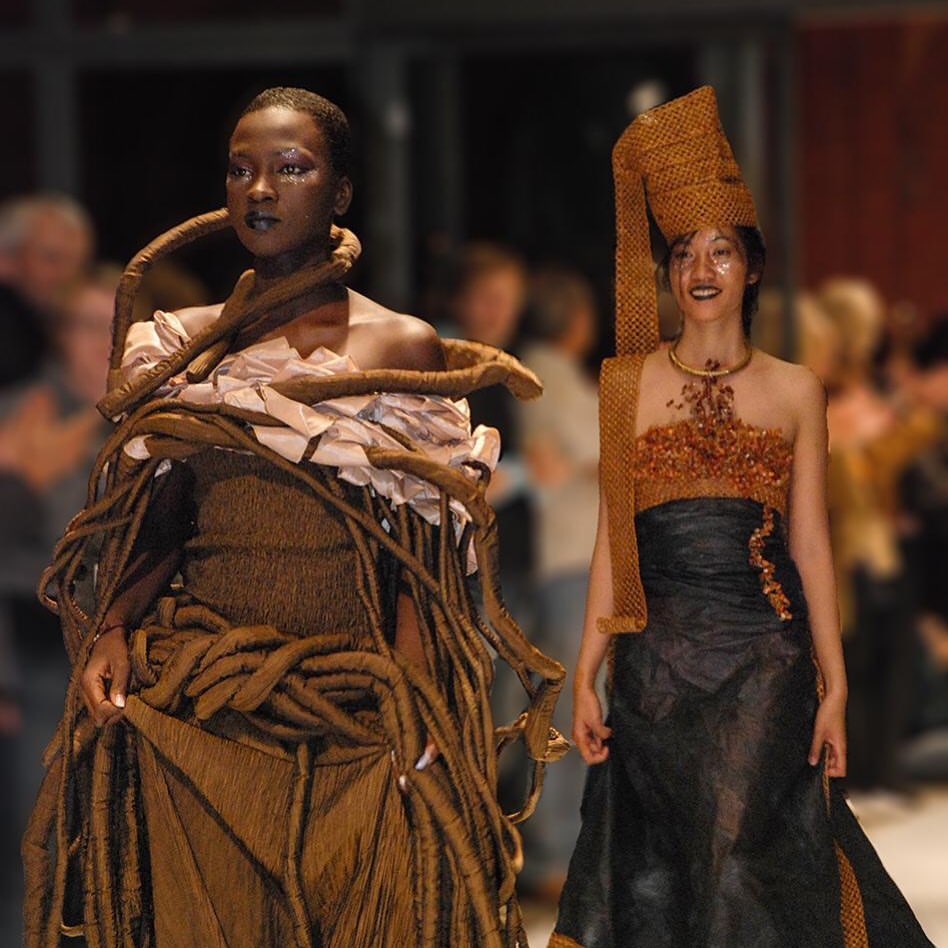
Often called “Senegal’s Queen of Couture,” Oumou Sy opened her first atelier at just 13 years old. By the 1980s, she was designing for icons like Baaba Maal and Youssou N’Dour, blending bold structure with locally sourced and recuperated fabrics. Her work garnered a Prince Claus Award in 1998 and remains a beacon of cultural pride. Today, she mentors Dakar’s next generation of designers while championing sustainable practices and expanding her influence across haute couture and cinema.
Leopard Frock
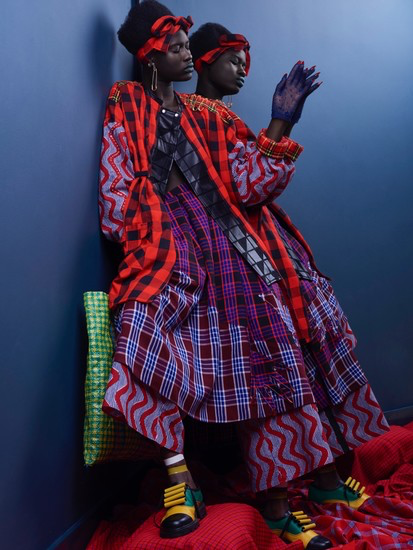
Founded in Johannesburg in 1989 by designer Marianne Fassler, Leopard Frock is known for its vibrant prints, flowing silhouettes, and unflinching individuality. From hand-drawn florals to animal motifs, Fassler’s creations combine fine craftsmanship with storytelling. The label champions slow fashion through small-batch production, in-house printmaking, and an active mentorship program for young creatives. With clients from Cape Town to Milan, Leopard Frock remains a defining voice in South African fashion.
Alphadi
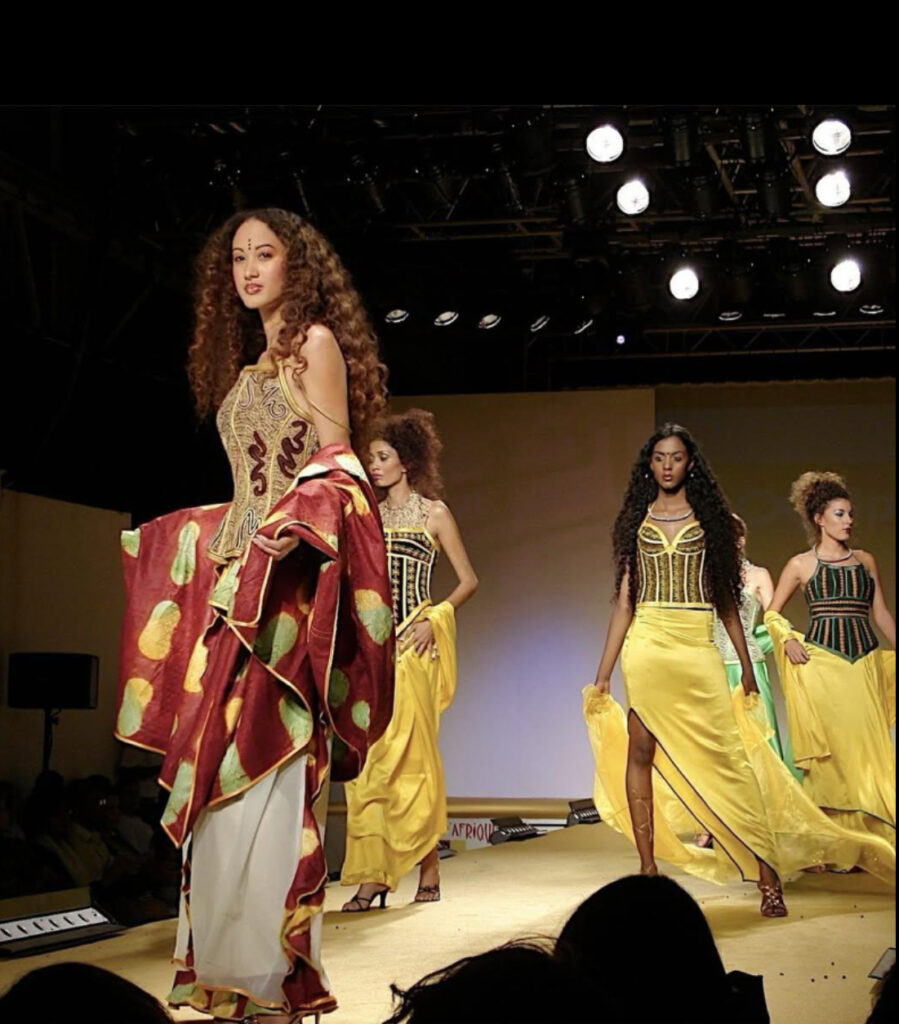
Known as “The Magician of the Desert,” Nigerien designer Sidahmed Seidnaly launched Alphadi in 1984 after training in Paris. His first haute couture collection debuted at the Paris International Tourism Tradeshow in 1985, featuring jewel-toned garments inspired by Saharan nomads. In 1998, he founded FIMA—the Festival International de la Mode Africaine—which brought global designers to Niamey and created opportunities for young African talent. Today, Alphadi balances couture showpieces for international clients with accessible diffusion lines that support local artisans, cementing his role as a founding father of African fashion.
Alaïa
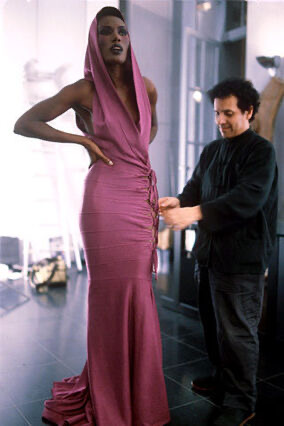
Founded by Tunisian designer Azzedine Alaïa, the Paris-based house has redefined elegance through precision-cut tailoring and body-conscious design. From his early days studying sculpture in Rome to launching his label in 1981, Alaïa crafted garments that celebrated female strength and sensuality. Drawing inspiration from North African architecture and artisanal traditions, he became known for his mastery of stretch fabrics and sculptural silhouettes. Worn by icons like Grace Jones and Michelle Obama, Alaïa’s legacy lives on in a brand synonymous with quiet luxury and architectural precision.