Growing up in Africa, you feel the streets’ pulse long before you ever hear of Paris runways. On crowded roads where roasted plantain and petrol fumes mingle, a tailor’s shop hums with life. It’s a tiny space, bursting with wax prints, bogolan, kente, and lace — colors popping like a festival. A sewing machine buzzes under a dim bulb, transforming fabric into wedding dresses, funeral robes, or outfits for naming ceremonies.
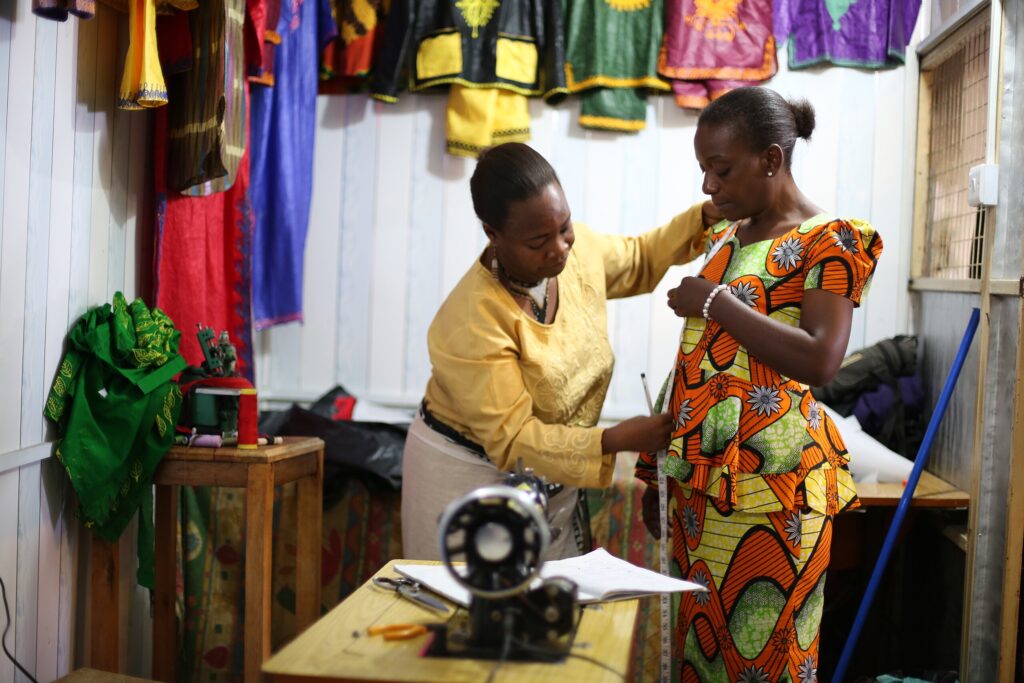
This isn’t global fashion with its glossy shows. This is African style — born on street corners and in markets, fueling celebrations worth billions.
For those of us raised here, and for the diaspora carrying this energy across oceans, this is home. It’s the tailor who understands your family’s aesthetic, the market trader who pulls out fabric like it’s gold, planning an outfit for a wedding continents away. Magazines might chase catwalks, but Africa’s fashion lives on the corners. This is couture as we know it — free, creative, and woven into every significant moment of life.
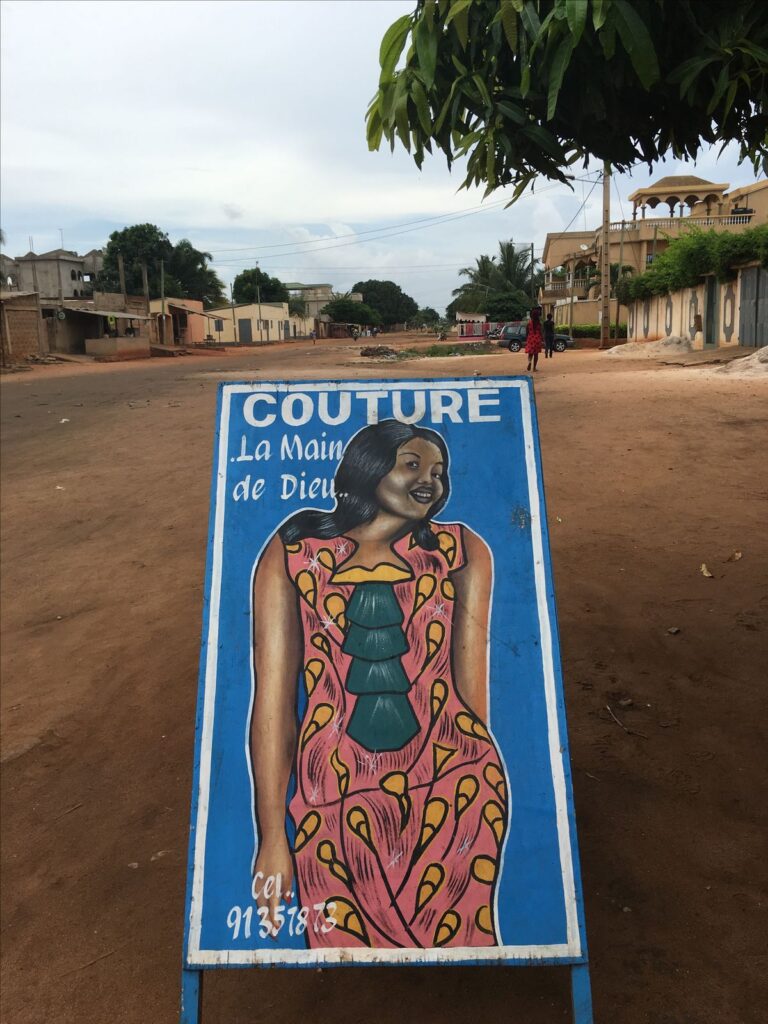
Call it “informal” if you must, but walk through a market in Lagos, Accra, Nairobi, or Dakar, and you witness a system as tight as a well-stitched seam. It’s not chaos — it’s infrastructure. Tailors on dusty streets, traders in packed stalls, and their often whimsical store names connect clients and creators. Together, they power weddings that shut down entire neighborhoods, funerals that honor ancestors with style, and festivals that burst with pride.
Step into a market, and you enter a world unto itself. Stalls overflow with wax prints, aso-oke, and shimmering silks, each bolt ready to become a gown or suit. Brides arrive with their sisters or cousins, sipping soft drinks, selecting fabrics that speak of wealth, heritage, or joy. The trader — often a woman who knows every pattern like a family story — understands the stakes: the right cloth isn’t just beautiful, it’s identity. Growing up, you’d watch your mother or aunt negotiate, not merely for a better price but for the perfect look, the fabric that would make the family shine at the next celebration. For the diaspora, it’s the memory of those market expeditions, or calling a trader back home to send fabric that carries the essence of Africa itself.
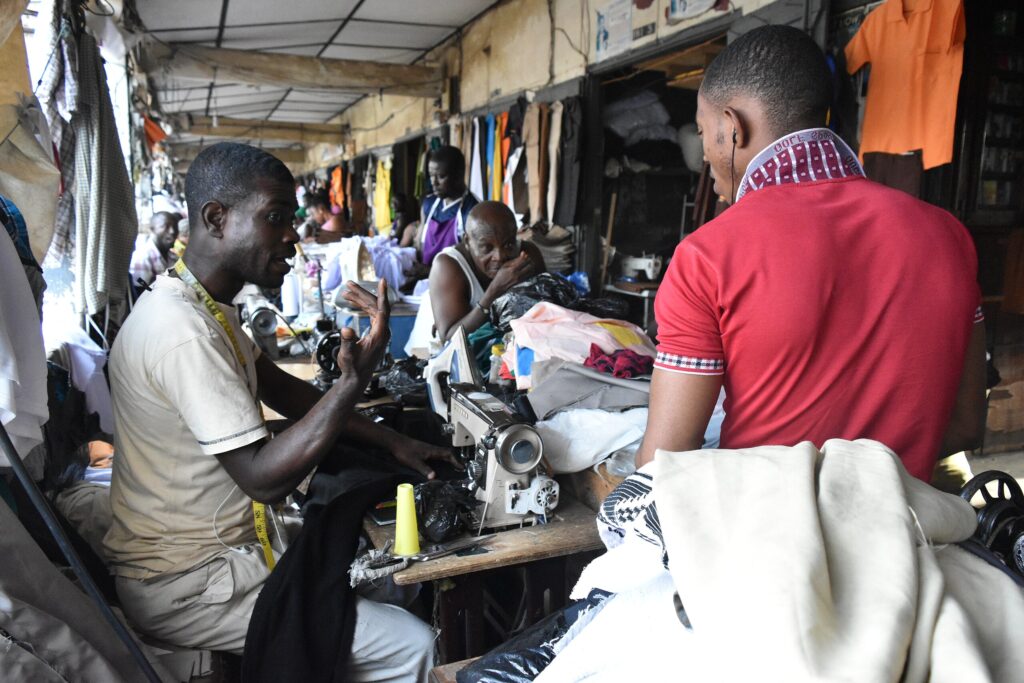
Then there’s the digital revolution. WhatsApp has become a market in your pocket. Tailors and clients exchange sketches, measurements, and ideas around the clock. A sister in a village sends her dress size via voice note; a city tailor responds with photos of lace from across the border. Growing up, you’d see tailors sketching designs on scraps of paper—now it’s screenshots and digital consultations, but the entrepreneurial spirit remains unchanged. For the diaspora, it means ordering a kaftan through a cousin’s contact in a distant city, arriving just in time for a London wedding or a New York naming ceremony. The phone has become the runway, linking rural towns to urban hubs and families abroad.
This system transcends clothing, it’s about connection. The tailor knows your family’s history, perhaps even your mother’s wedding style. The trader remembers what you selected for your sister’s funeral. Growing up, you witnessed this trust everywhere—tailors allowing deferred payment, traders reserving fabric for the right buyer. It’s a network built on relationships rather than contracts, as robust as any global brand.
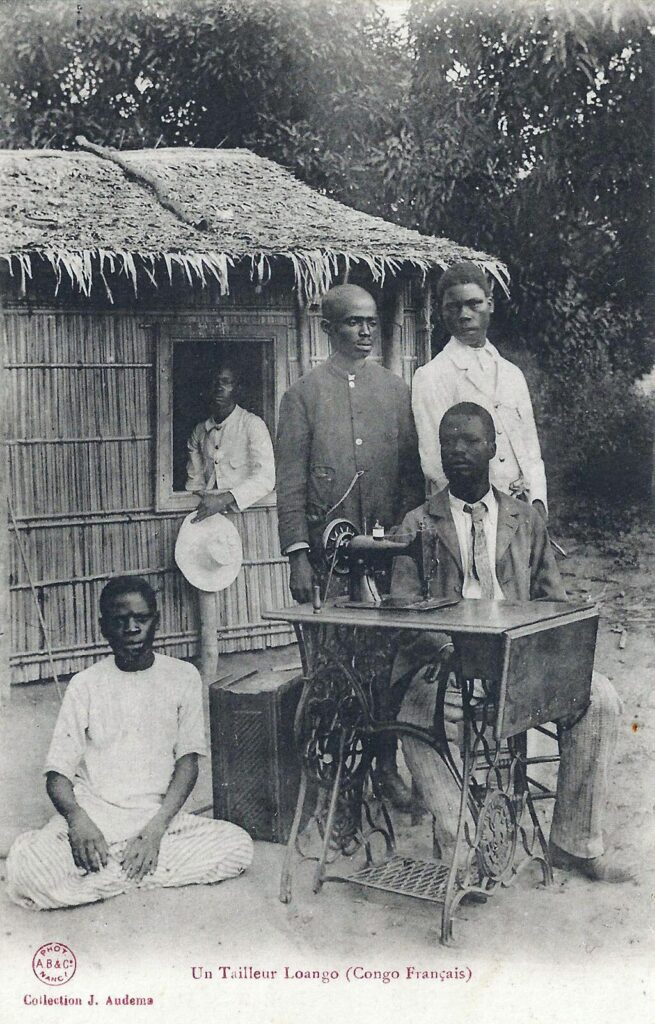
This isn’t small-scale commerce. Weddings represent massive economic engines, especially in countries like Nigeria, where the industry generates billions. Every guest wears a custom outfit, from the bridal party to the aunties commanding attention. Funerals, particularly in Ghana, carry similar weight, with families commissioning special garments to honor the departed. Naming ceremonies, religious festivals, political rallies—all demand fresh looks that communicate identity and heritage. Growing up, every significant moment required a new outfit, stitched with care and confidence. For the diaspora, it explains the packed suitcases of headwraps and agbadas for events abroad, or the urgent money transfers to tailors for rush orders—because these aren’t just clothes, they’re culture.
The scale is staggering. A single wedding can generate hundreds of outfits, each representing a collaboration between client, tailor, and trader. A funeral might clothe an entire village, every piece carrying symbolic weight. You’d witness the anticipation surrounding these events—families planning months in advance, saving for fabric, selecting styles that would turn heads. For the diaspora, it’s the same dedication: wiring money for a gown that must arrive on time, or traveling with a suitcase full of outfits for a family reunion in London. These moments aren’t merely parties — they’re showcases of a system that transforms fabric into pride.
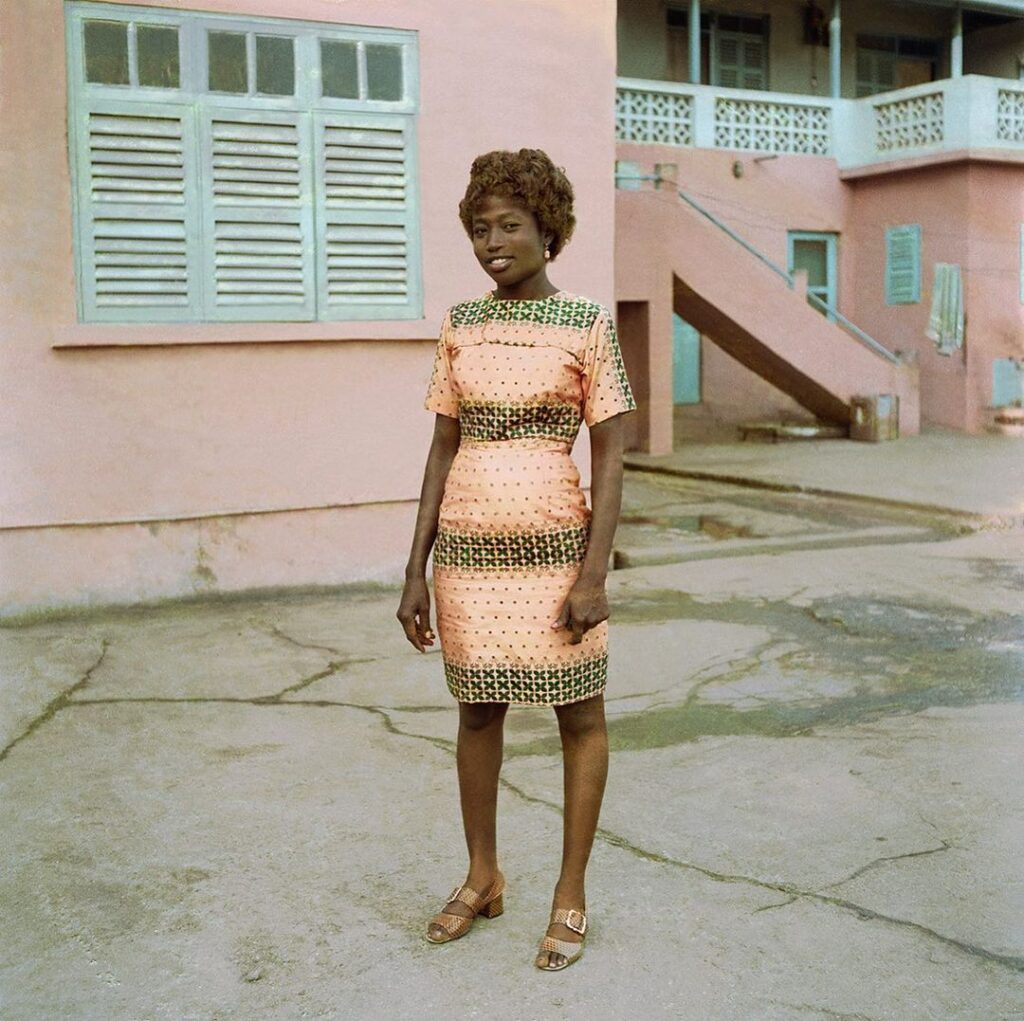
This fashion speaks a universal language among those who understand its codes. The fabric you choose — Ankara for boldness, kente for heritage, lace for elegance — communicates identity, origin, and occasion. A Yoruba bride’s gele, tied with precise folds, is a statement of excellence; a careless knot represents a missed opportunity. Ghanaian kente at a funeral carries ancestral history, each pattern honoring the departed. Growing up, you absorbed these rules by observing elders, feeling the pride of wearing a perfectly tailored outfit at family gatherings. For the diaspora, it’s donning a bespoke agbada at a Peckham wedding, knowing no one else could carry it with such authenticity.
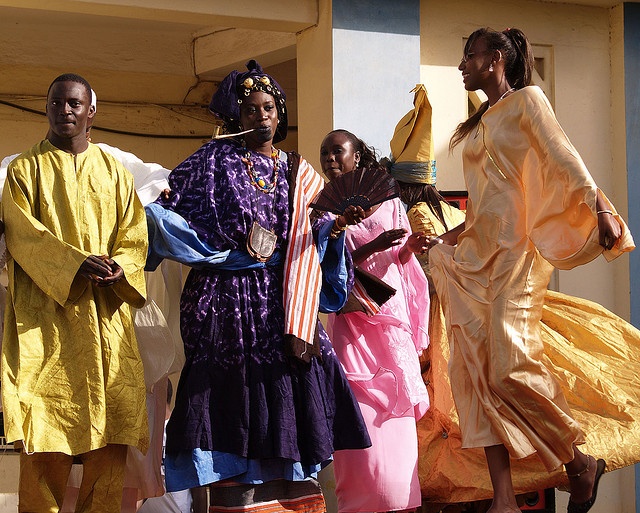
The rituals are equally meaningful. Market visits become social events — navigating hawkers, weaving through stalls while traders call out, “See this new cloth, finest quality!” You negotiate not just for price but for story, selecting fabric that feels destined for you. At the tailor’s workshop, fittings transform into social gatherings. You sip malt drinks, exchange stories, and watch your vision materialize. Growing up, these moments elevated every celebration — the conversations, the laughter, the revelation of your completed garment. For the diaspora, it’s the anticipation of opening a package from home, the outfit carrying the scent of market dust and ancestral pride.
These rituals extend beyond acquiring clothing — they’re about belonging. The market is where you accompanied your mother or grandmother, learning fabric selection and self-presentation. The tailor’s shop served as a repository of family stories, perhaps revealing details about your aunt’s legendary wedding ensemble. For the diaspora, it’s the confidence of texting a trader or tailor back home, trusting their understanding of your roots and requirements.
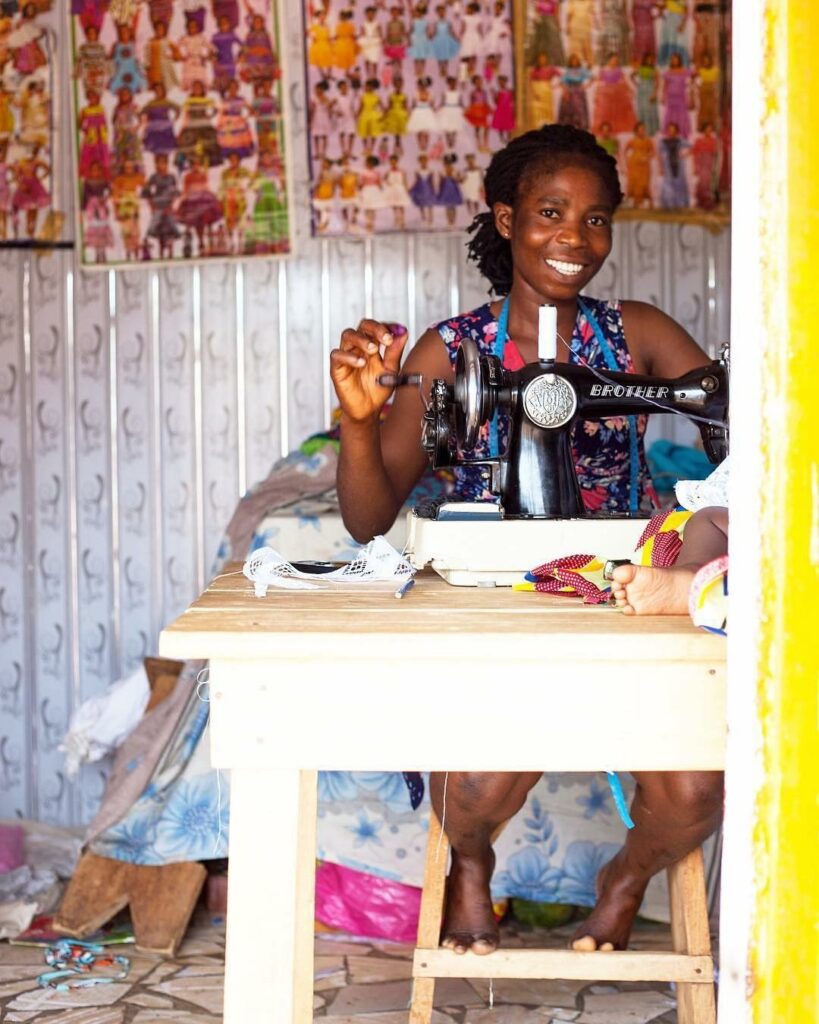
When compared to global fashion, where exclusivity means designer labels and prices that could purchase a motorcycle, African style achieves genuine exclusivity: it’s personal, built on trust, and accessible to anyone who understands its language. A dress might cost $50 or $500, but it’s unique, created specifically for you by someone who comprehends your world. Growing up, you experienced this every time you wore something crafted exclusively for you. For the diaspora, it explains the patience of waiting weeks for a package from home rather than visiting a Manhattan boutique.
However, challenges persist. Global brands appropriate African prints, beadwork, and silhouettes, transforming them into disposable trends without attribution. Fast-fashion retailers flood markets with inferior copies, undermining the artisans who originated these designs. Growing up, you witnessed the pride in a tailor’s work, knowing they created something irreplaceable. Yet the world rarely acknowledges them. Even when African designers achieve international recognition, their roots in these markets and street corners often remain invisible. The tailors and traders—the authentic creators—rarely receive deserved recognition.
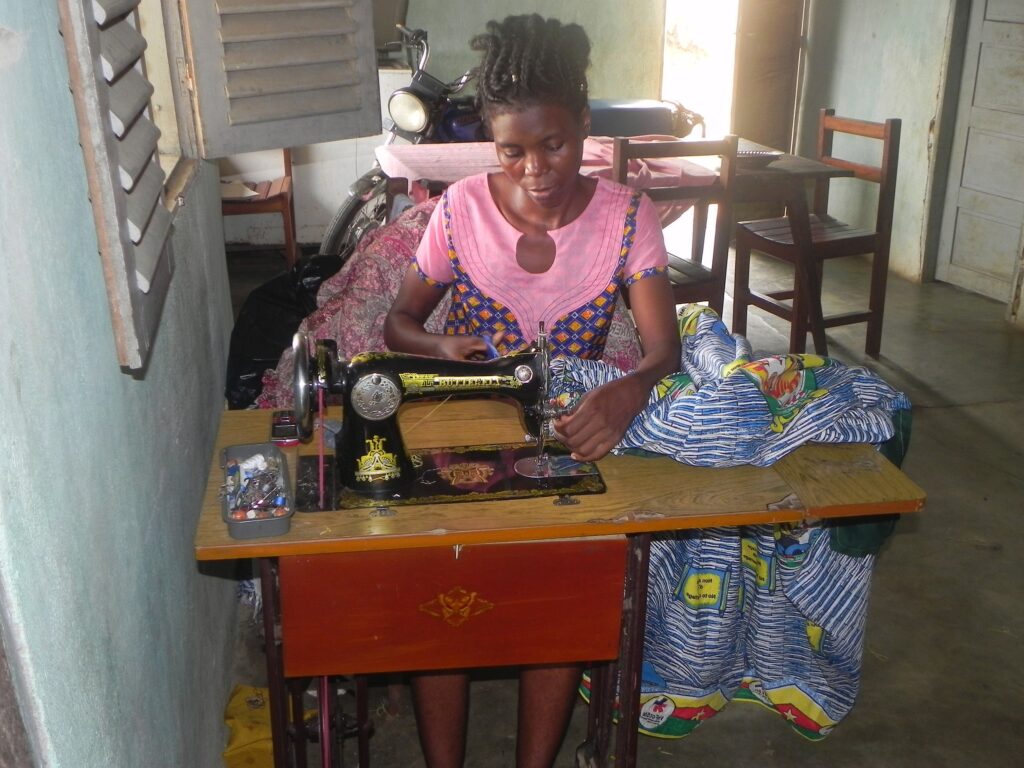
The life isn’t easy. Tailors struggle financially, hoping electricity remains stable to keep machines running. Traders navigate rising fabric costs and fragile supply chains. While WhatsApp creates opportunities, not everyone can afford data or reliable phones. Growing up, you observed the grinding reality: tailors sewing until dawn, traders counting earnings by lamplight, everyone hustling to survive. For the diaspora, it’s the same determination you engage when ordering outfits from thousands of miles away, trusting the system to deliver.
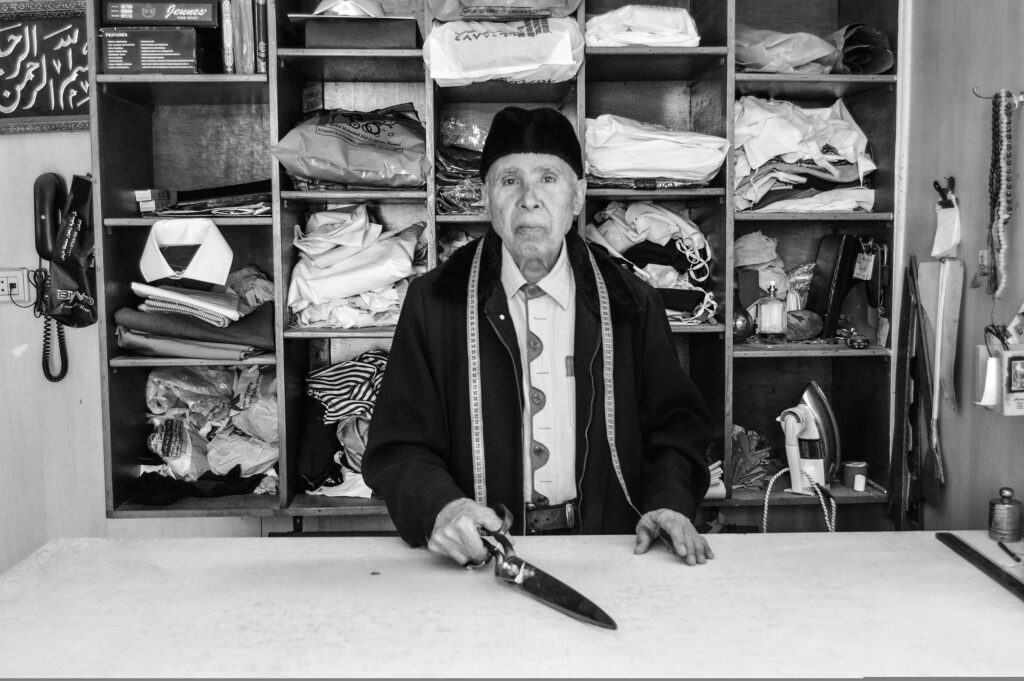
Yet resilience defines this community. Social media platforms—Instagram, TikTok—are revolutionizing the landscape. A video of hand-stitched craftsmanship can achieve viral status, generating orders from London to Chicago. Fashion weeks in cities like Lagos and Johannesburg are beginning to acknowledge street-level creativity, though they often overlook the authentic magic. Growing up, you witnessed this spirit everywhere: people creating beauty from available resources, transforming fabric bolts into legacies. For the diaspora, it represents a connection to home—the outfit that restores completeness, regardless of geography.
Growth opportunities abound. Some artisans are forming cooperatives to pool resources, purchasing fabric in bulk or sharing equipment. Others leverage social media to showcase their work globally, building followings across continents. However, this system’s foundation requires no repair—it’s already formidable. It’s the trust between tailor and client, the trader who understands your aesthetic, the WhatsApp conversation that maintains the network. You recognized this strength in every garment emerging from a modest shop or market stall. For the diaspora, it explains the continued return to these corners, even from distant shores.
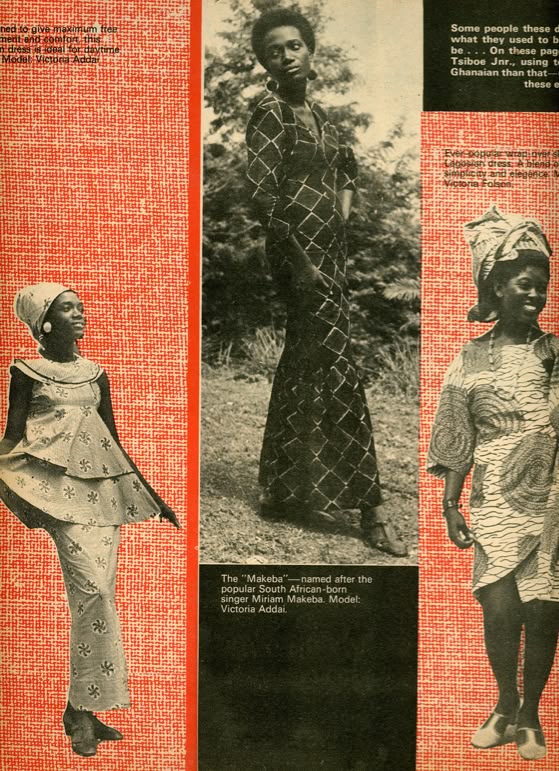
On that bustling street, a tailor completes a gown that will make a bride’s mother the celebration’s star. We grew up witnessing such moments everywhere—a dress, a suit, a robe transcending fabric. It becomes a fragment of someone’s soul, a story stitched together with precision and love. For diaspora communities, it’s the package arriving precisely on time, the outfit declaring, “I remain home, even here.”
This is Africa’s authentic couture: not merely fashion, but a network of culture, community, and creativity. While runways chase fleeting trends, our street corners weave something timeless—a style as genuine as our roots, as bold as our pride. In every thread lies a story of resilience, innovation, and the unshakeable belief that true fashion begins not in boardrooms or showrooms, but in the hearts and hands of those who understand that clothing, at its finest, is the art of becoming oneself.
This piece celebrates the vibrant ecosystem of African street fashion, acknowledging both its cultural significance and economic impact while honoring the artisans who keep these traditions alive across continents.