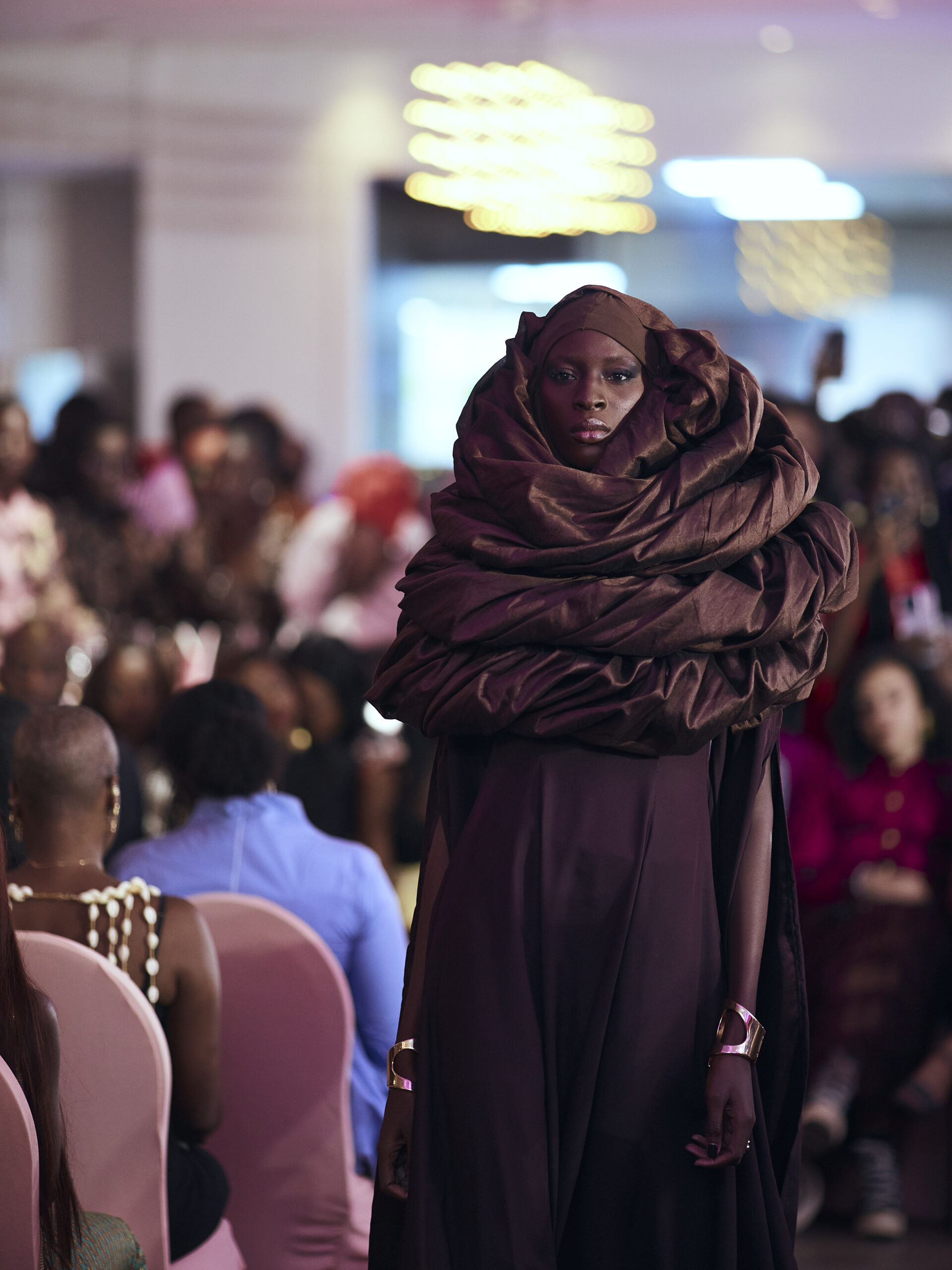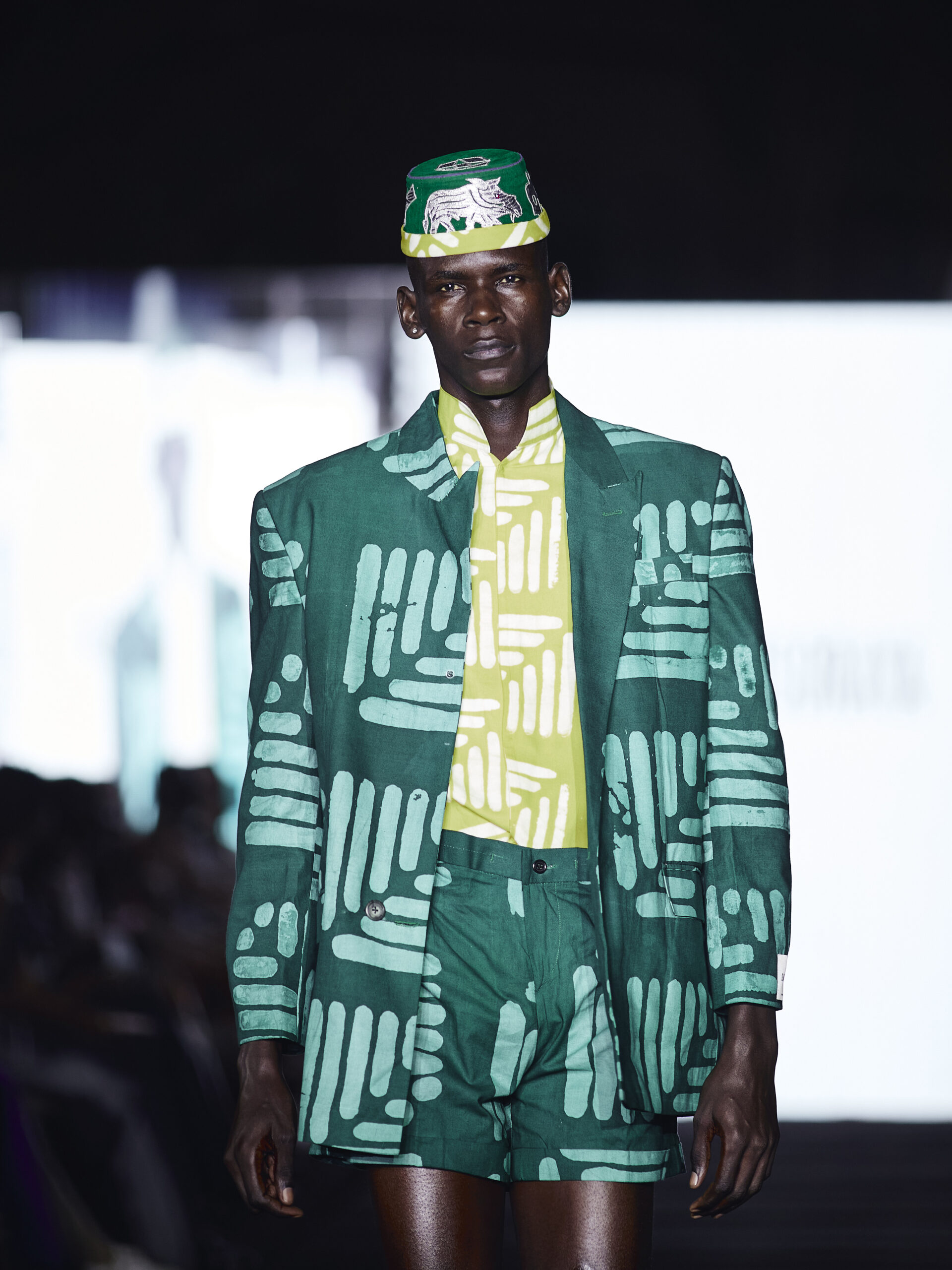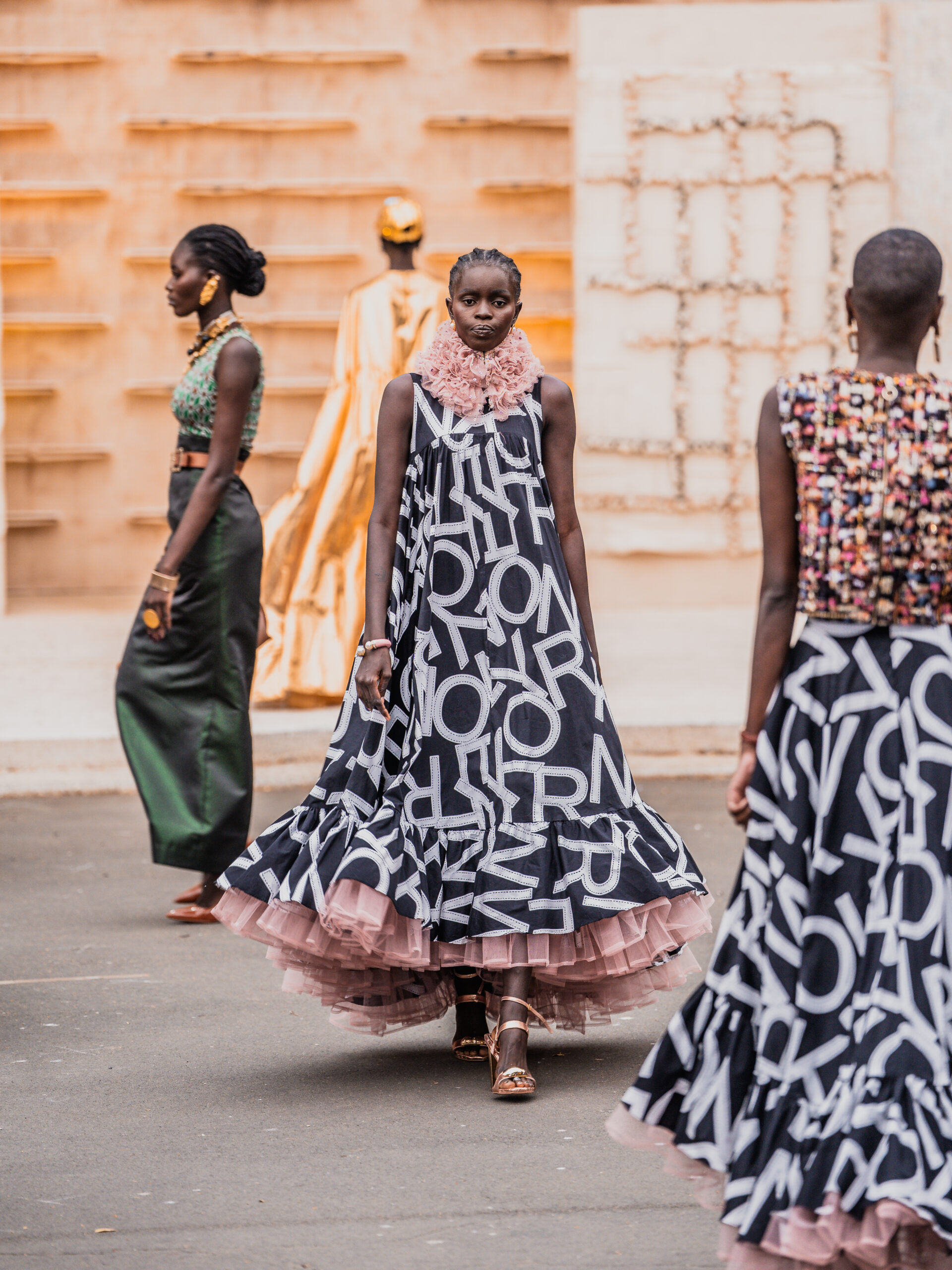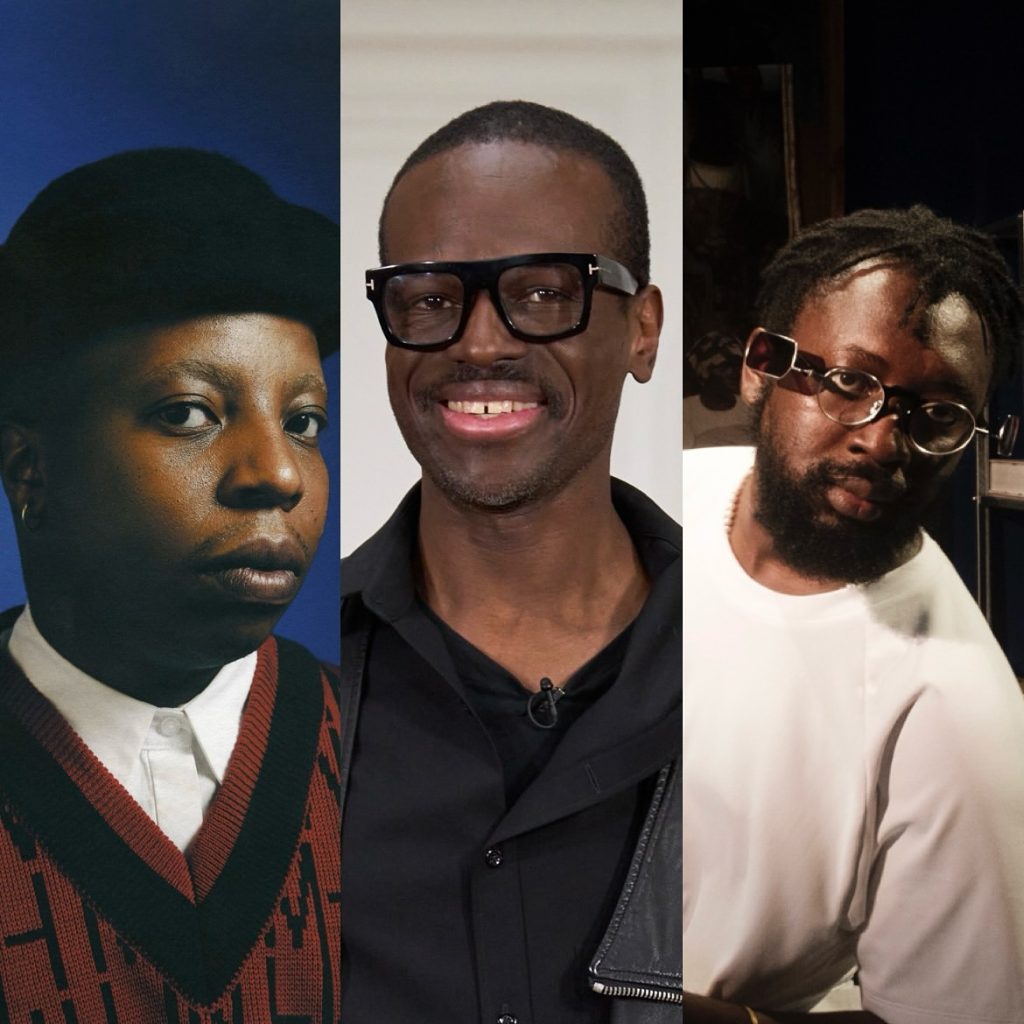
Yesterday’s Continental Swagger panel, presented by The Met’s Costume Institute, brought together three uncompromising voices — Adeju Thompson (Lagos Space Programme, Nigeria), Wanda Lephoto (South Africa), and Imane Ayissi (Cameroon/France) for an unflinching, deeply personal conversation on heritage, innovation, and the politics of where a designer chooses to stand. Moderated by Monica L. Miller, Guest Curator of Superfine: Tailoring Black Style , the discussion extended the exhibition’s global dialogue into the African continent and its diaspora.
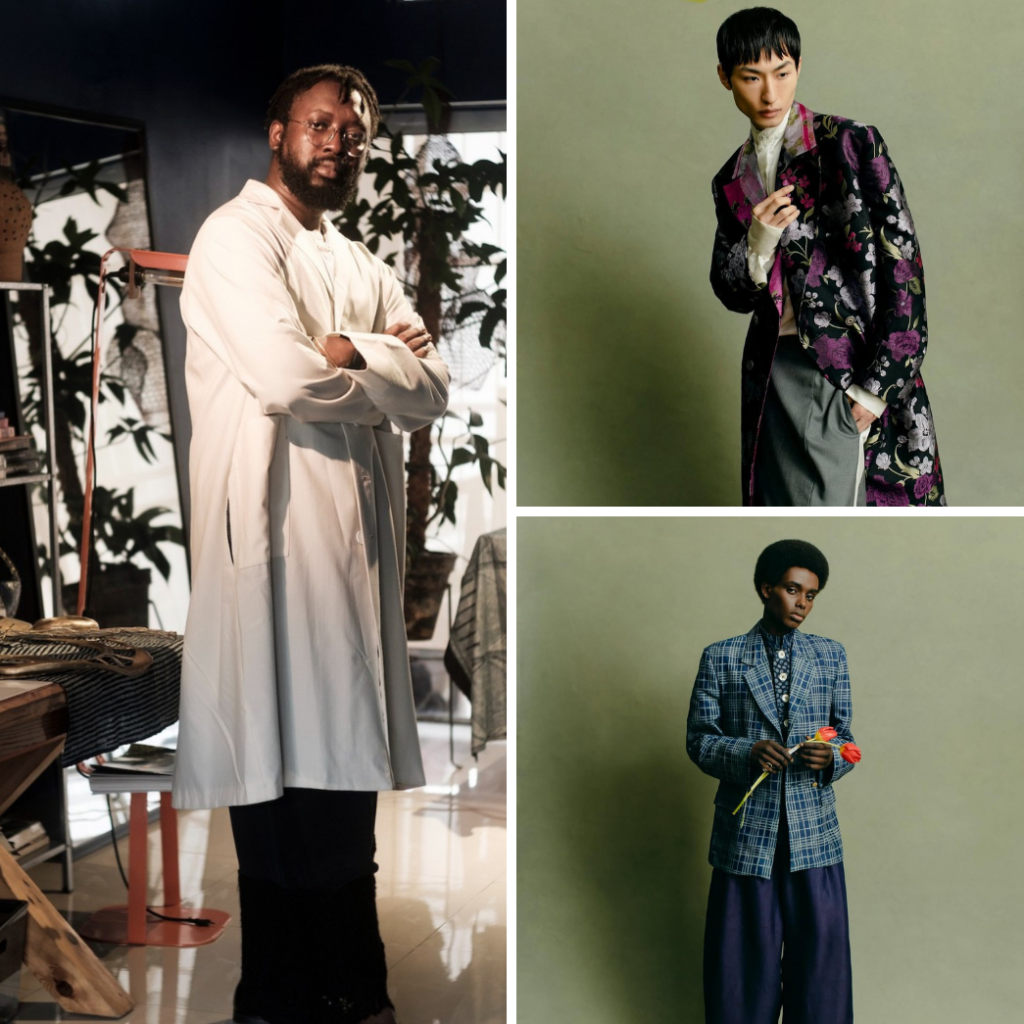
“I’m an eternal student of fashion,” Thompson began — a statement that felt both confession and manifesto. Their Lagos Space Programme is equal parts studio and research lab, where Yoruba masquerade traditions meet queer theory, and adire dye techniques are deconstructed and reimagined for contemporary wardrobes. For Thompson, authenticity means motion, taking inherited aesthetics and “moving them forward” without reducing them to museum relics.
Designer Profile: Adeju Thompson – Learn more
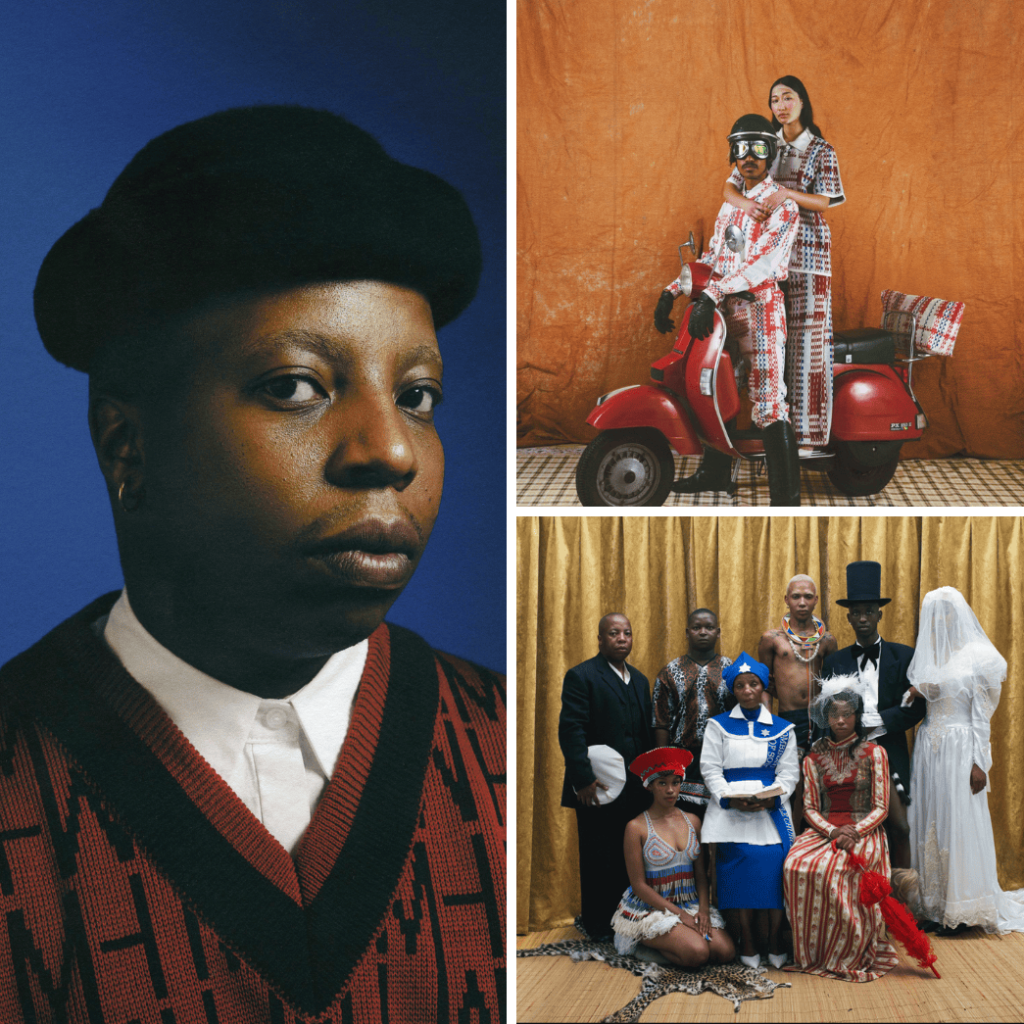
Lephoto’s practice begins with history’s absences. Growing up in post-apartheid South Africa, he understood beauty as something negotiated through both pride and trauma. His collections dissect colonial dress codes like the white shirt — reframing them as African garments through decades of lived use. “The goal,” he said, “is not to be looked at, but to be engaged with on our terms.” That ethos threads through his archival research, community collaborations, and tailoring that resists cliché notions of what African fashion “should” look like.
Designer Profile: Wanda Lephoto – Learn more
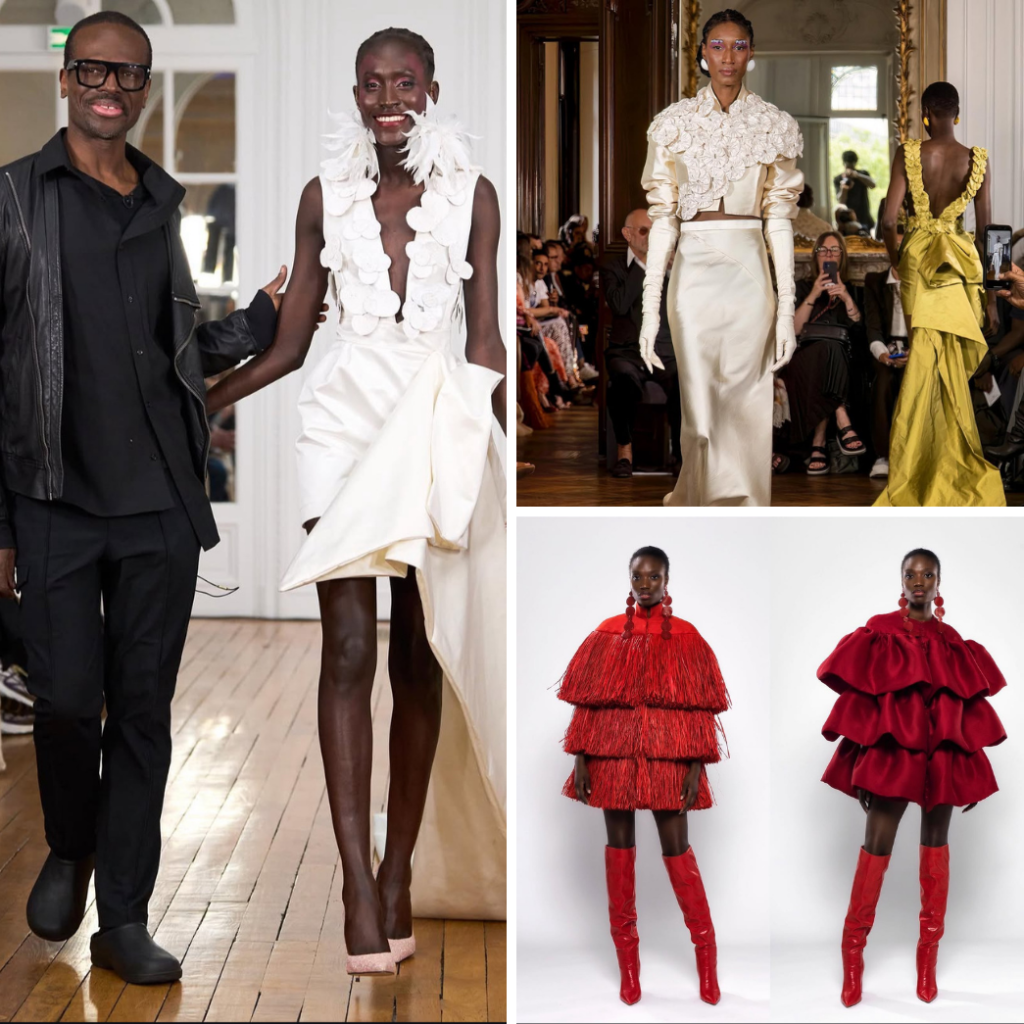
Speaking in French, Ayissi traced a couture lineage that stretches from the looms of West African artisans to the ateliers of Paris. As the first Sub-Saharan designer invited to the official Paris Haute Couture calendar, he champions natural and organic materials, ethical production, and the symbolic depth of fabrics like raffia and bogolan. His silhouettes reject tokenism, presenting African fashion not as an ornamental trend but as a design language as sophisticated as any in the world.
Designer Profile: Imane Ayissi – Learn more
The panel often returned to the friction between reverence for heritage and the impatience to reimagine it. Thompson recalled being told their work was “too African” by a buyer in Paris — a remark they countered by showing the cosmopolitan range of their influences, from rock and roll to Yoruba divination. They all conveyed the challenge lies in navigating global markets without diluting the core of their practices.
Though all have shown on international runways, Thompson and Lephoto spoke of a deliberate pivot to root their work more firmly on the continent. It’s a decision driven by community, sustainability, and the conviction that Africa should be seen not as a satellite but as a center of fashion innovation. “We want the world to participate here,” Lephoto said, “and to see what we see.”
The Takeaway: Continental Swagger read less like a postscript to the Superfine exhibition and more like a manifesto. A call to reject reductive narratives, to insist on nuanced authorship, and to design in ways that honor the local while engaging the global. Or, as Thompson put it, “African identity is expansive.” Yesterday’s conversation proved it.
Related Reading: Sartorial Groundings: African Design at the Heart of Black Elegance