African musicians have long used fashion to reflect their cultural roots and global ambitions. In the early 2000s, as genres like Afrobeats gained momentum, artists championed local designers, wearing traditional fabrics like kente, adire, and kitenge to celebrate heritage and support homegrown talent. As their fame crossed borders, many embraced Western luxury brands like Louis Vuitton and Gucci, drawn by global visibility and economic opportunities. Yet many artists continue to weave African designs into their wardrobes, balancing international appeal with cultural loyalty. This research story examines this sartorial journey, highlighting honest observations about the shift and how musicians can—and do—sustain African fashion brands.
View this post on Instagram
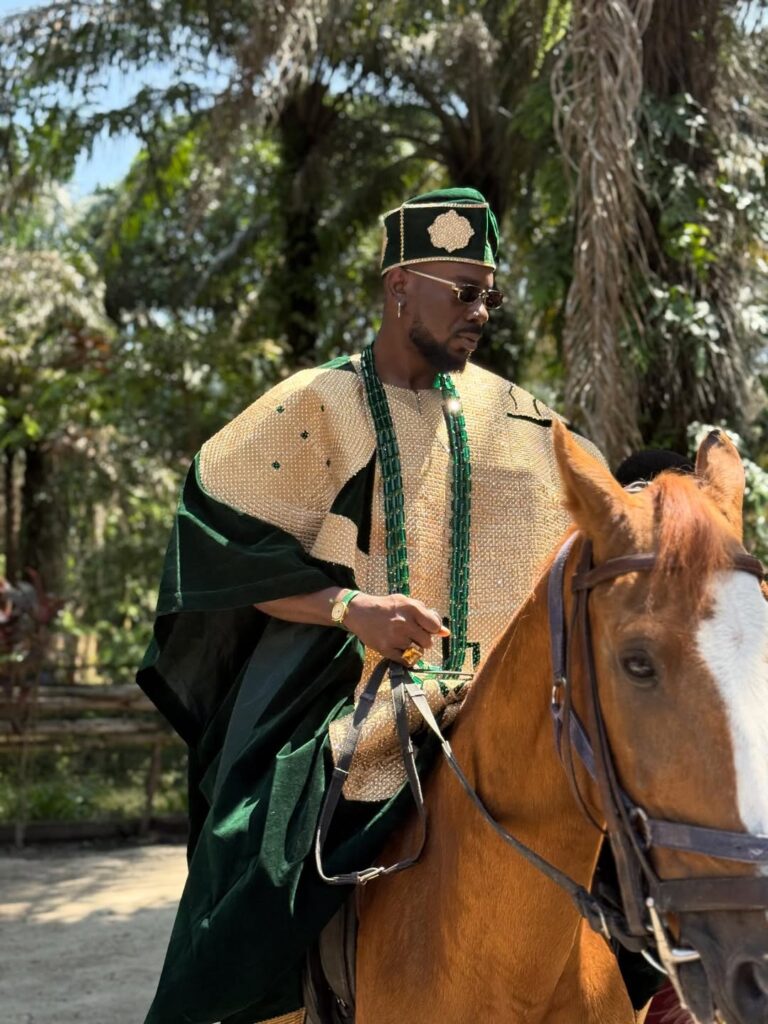
Burna Boy in Ozwald Boateng at The Met Gala 2025
View this post on Instagram
Tyla in Tolu Coker AW25
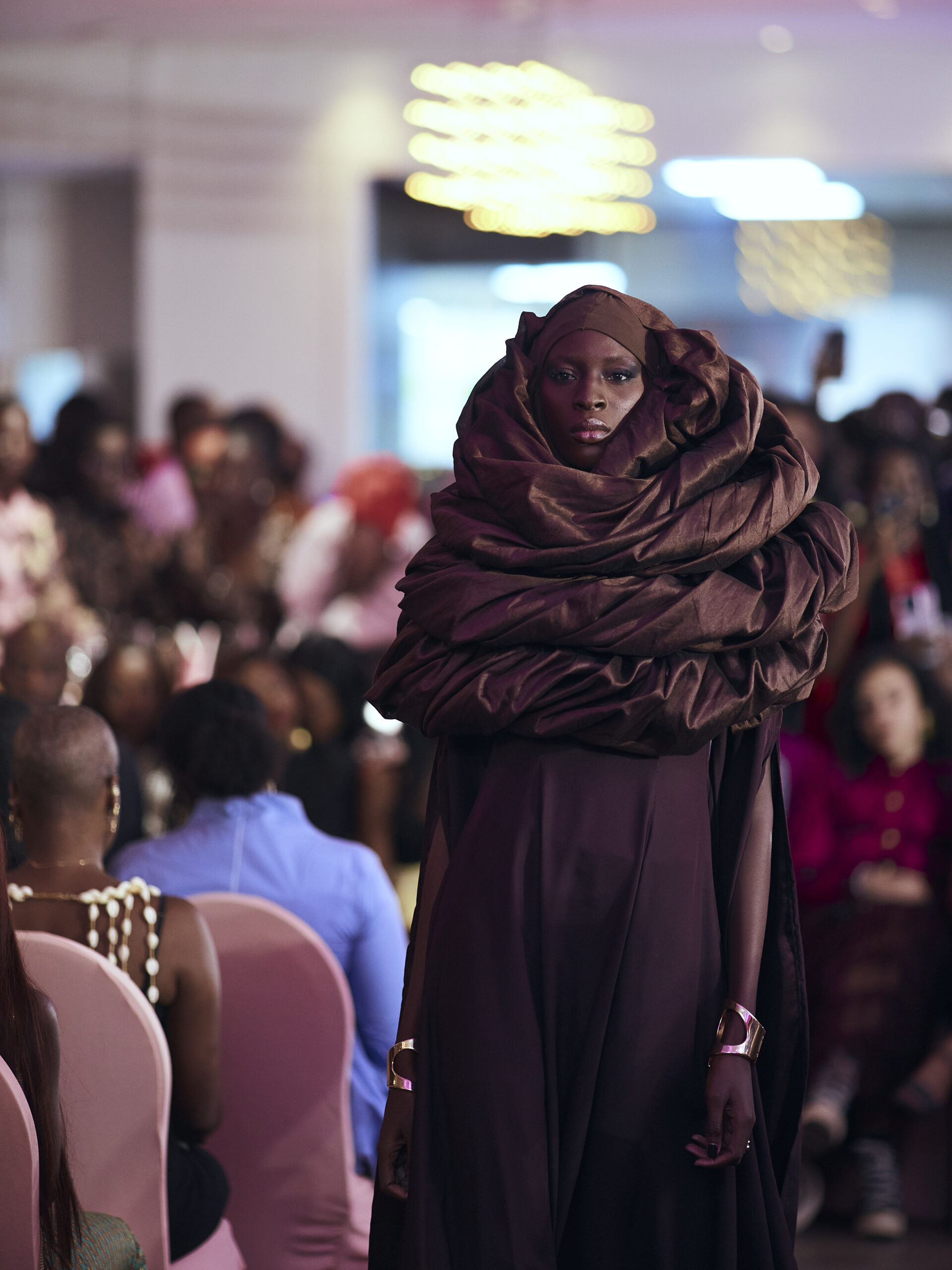
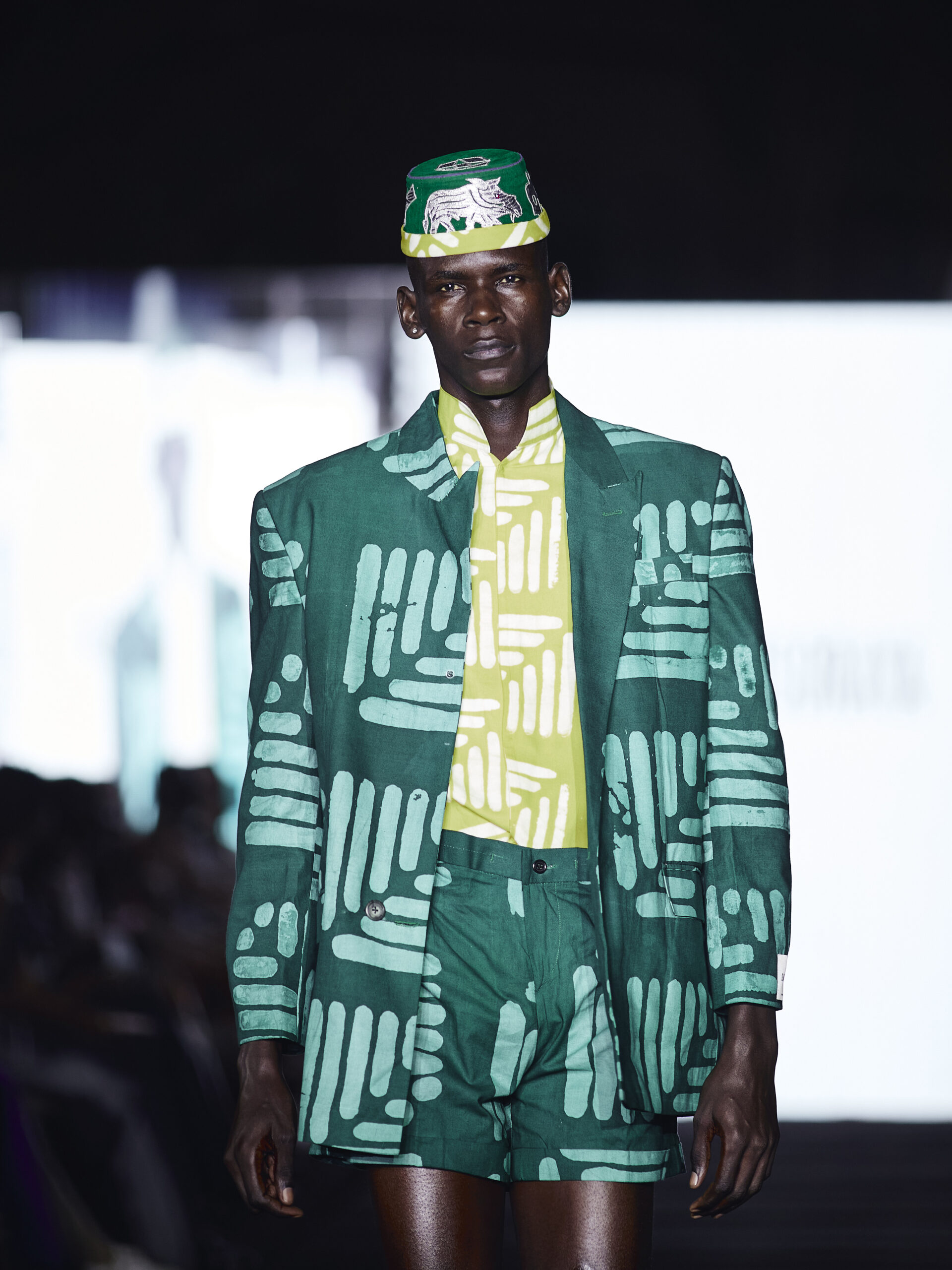
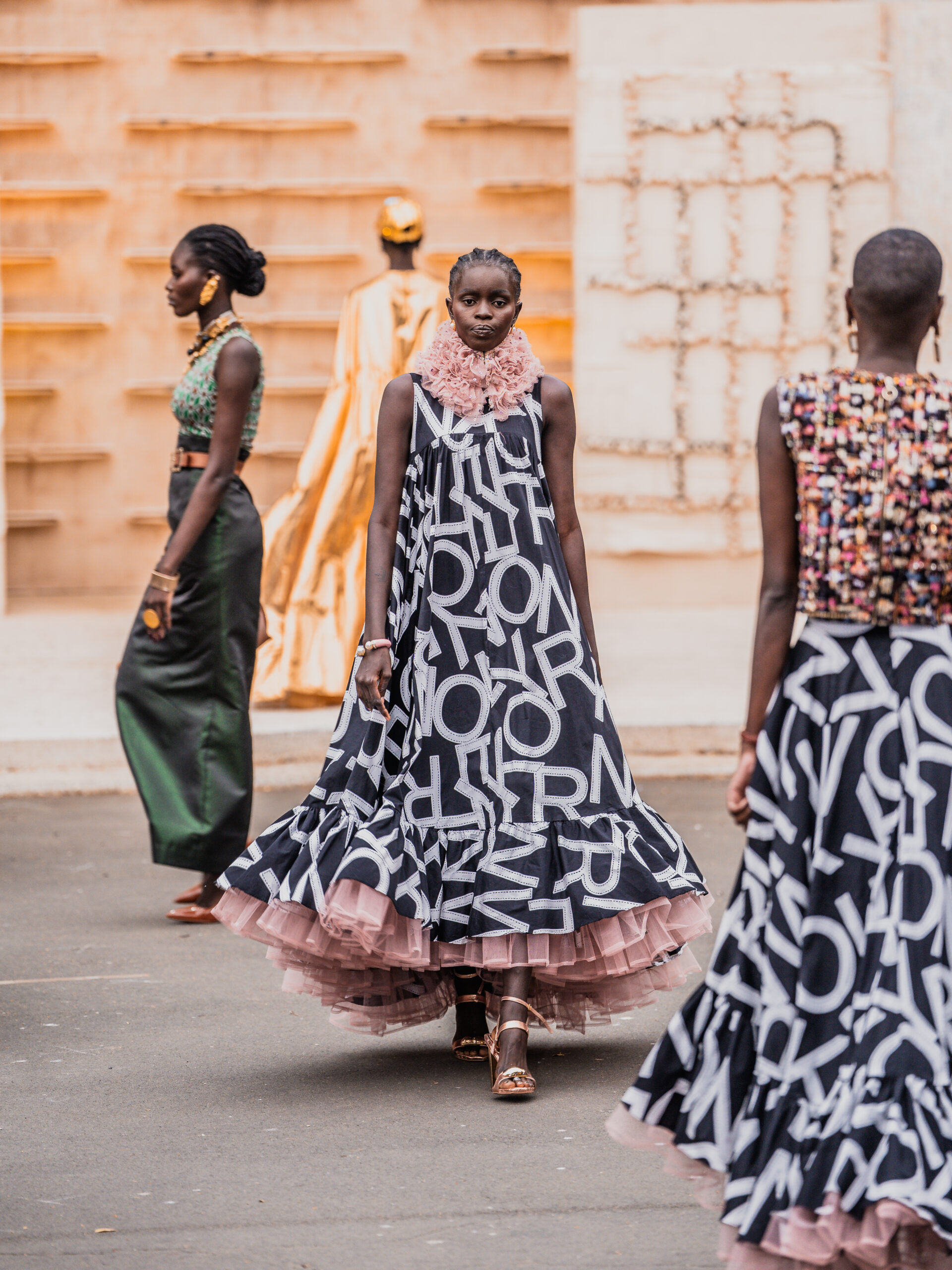
In the 2000s, African musicians turned to designers to shape their stage looks, wearing vibrant prints and traditional fabrics that reflected heritage. From Nigeria’s indigo-dyed shirts rooted in Yoruba traditions to Ghana’s kente channeling Ashanti royalty, these outfits were more than fashion—they were cultural statements, blending with urban staples like boots to create a fresh, grounded aesthetic. In South Africa, knitwear inspired by Xhosa patterns captured township energy, while East African artists rocked upcycled fabrics, emphasizing sustainability. These choices reflected pride and kept money in local hands.
This wave of homegrown style fueled a budding fashion scene. By 2011, events like Lagos Fashion Week were showcasing bold prints and intricate designs that musicians wore to shows and performances, driving demand across the continent. In South Africa, beadwork-inspired knits became a staple, gaining visibility through artists’ endorsements. Musicians served as influential style ambassadors, with designers reporting sellouts after stage appearances, proving their looks could move markets and help build a thriving African fashion ecosystem.
View this post on Instagram
Davido
As Afrobeats and other genres soared globally by the late 2010s, many musicians incorporated Western luxury brands, reflecting their international success. Burna Boy, following his 2019 Grammy nomination, performed in Burberry. Davido adopted Gucci and Louis Vuitton by 2020, his MTV VMAs appearances amplifying his global presence. Wizkid’s 2022 Fendi partnership and Louis Vuitton appearances at Paris Fashion Week marked a shift toward European luxury.
Rema was a notable attendee at Pharrell Williams’ Louis Vuitton Men’s Spring/Summer 2025 show, debuting his collection in the front row alongside other celebrities including Burna Boy, Wizkid, and Tems.
Adekunle Gold paired a ₦550m Vanguart watch with a Louis Vuitton suit at the 2025 Ballon d’Or, merging Nigerian flair with global polish.
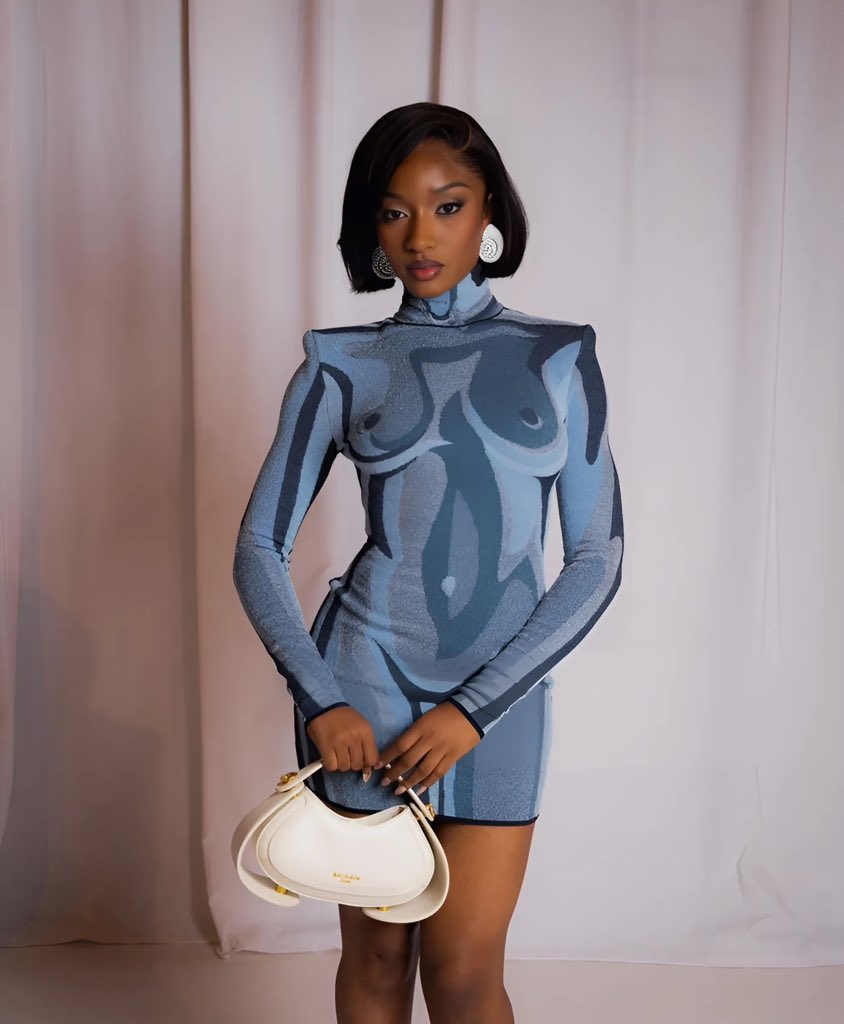
This shift is driven by opportunity. Western brands offer endorsements that fund tours and expand audiences, with labels like Balmain (dressing Ayra Starr) and Acne Studios (worn by Asake) tapping African artists to reach younger markets. Tems’ Louis Vuitton appearance at the 2025 menswear show underscored this mutual benefit, blending local roots with global appeal.
View this post on Instagram
Photo:Julien M. Hekimian
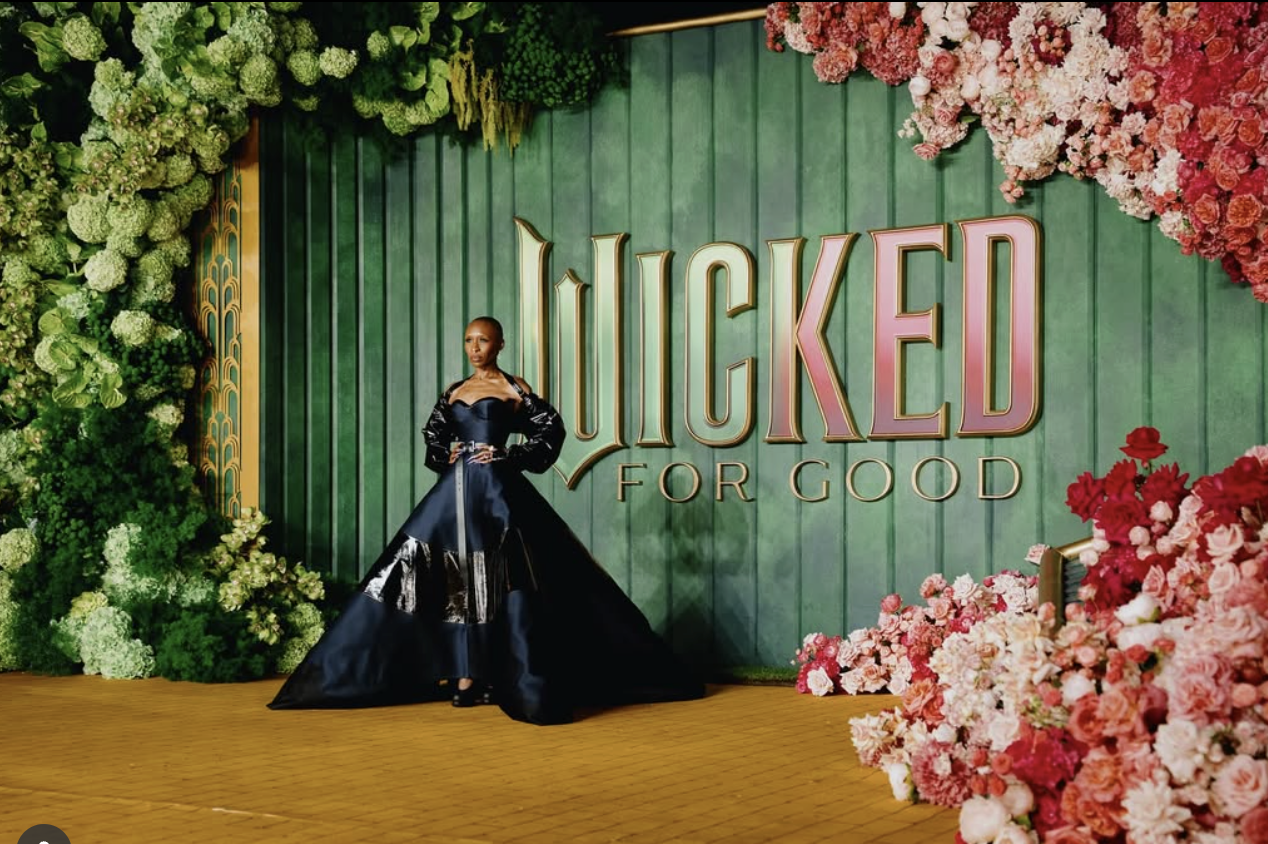
In recent years, the worlds of music and fashion have intertwined seamlessly, with African artists taking center stage in defining global style. Burna Boy led the charge in 2019, commanding the spotlight at the Grammys in Burberry—his look a statement of cultural pride and modern elegance. A year later, Davido brought bold sophistication to the 2020 MTV VMAs red carpet, turning heads in Gucci and Louis Vuitton. By 2024, Rema embodied youth and innovation, gracing Pharrell Williams’ Louis Vuitton runway and signaling a new generation of African creatives reshaping high fashion. Then came 2025, when Adekunle Gold elevated his style narrative at the Ballon d’Or, donning a striking Louis Vuitton and Vanguart collaboration that solidified his status as both musician and fashion visionary.
Despite global allure, many musicians continue to champion African fashion, either exclusively or alongside Western brands, ensuring local designers remain visible.
Davido’s 2023 pairing of Ashluxe streetwear with Louis Vuitton boosted the Nigerian label’s sales, demonstrating how global platforms amplify local brands. Beyoncé’s Black Is King (2020) featured MaXhosa knits and Tongoro gowns, elevating African labels on a global stage.
Musicians can further support African brands by:
Collaborating on Capsules: Partnering with designers to create limited-edition collections that merge music and style, such as Thebe Magugu’s work with Spotify curating African fashion playlists.
Showcasing at Global Events: Wearing local designs at high-profile events to spotlight cultural narratives.
Leveraging Social Media: Promoting both emerging and established African brands to drive direct-to-consumer sales.
Mentoring Emerging Talent: Supporting young designers to build sustainable businesses that scale globally.
In 2024, African fashion exports reached $15 billion, with musicians as key catalysts. By blending local and global, artists sustain an ecosystem where African brands thrive alongside luxury houses.