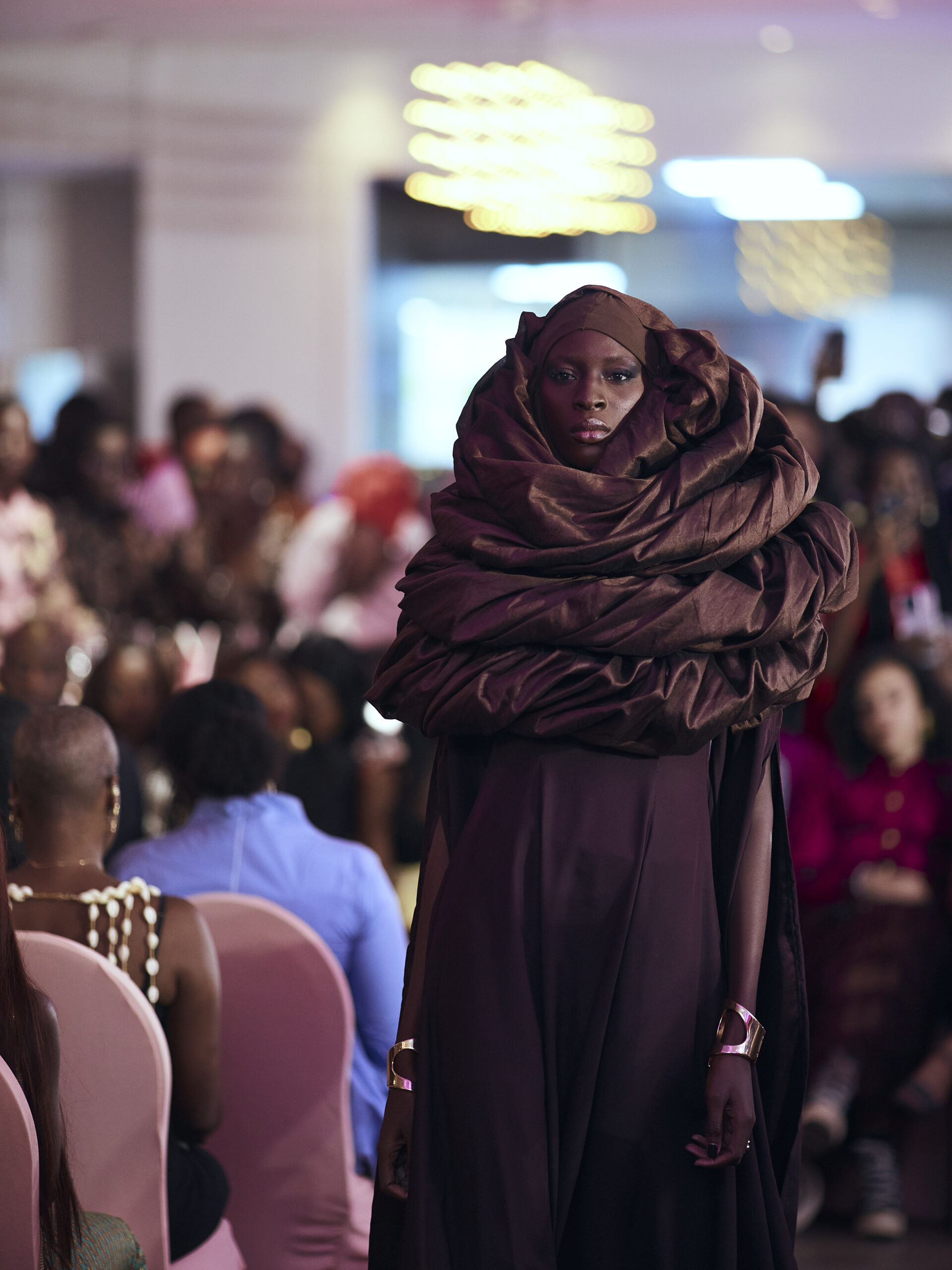
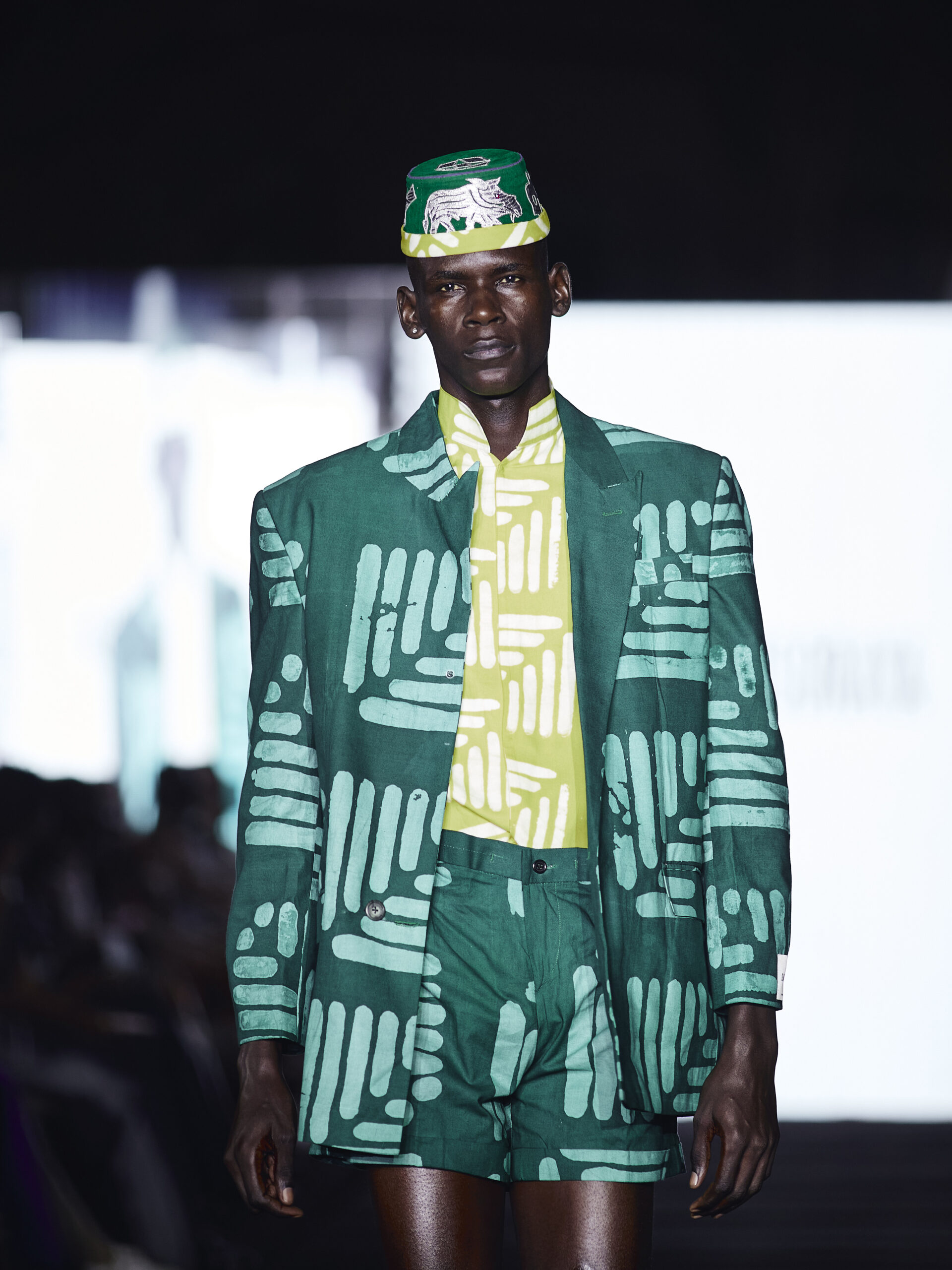
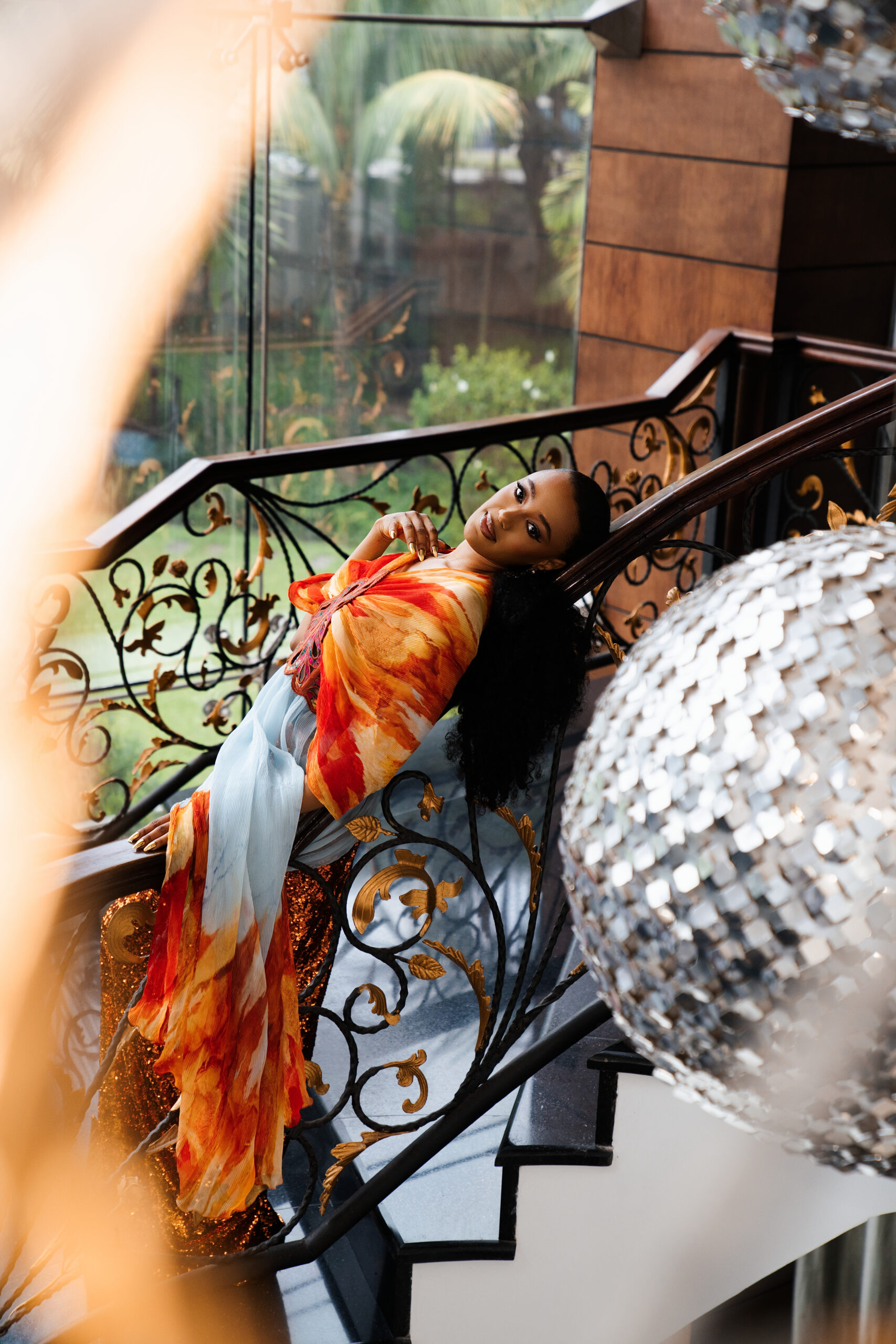
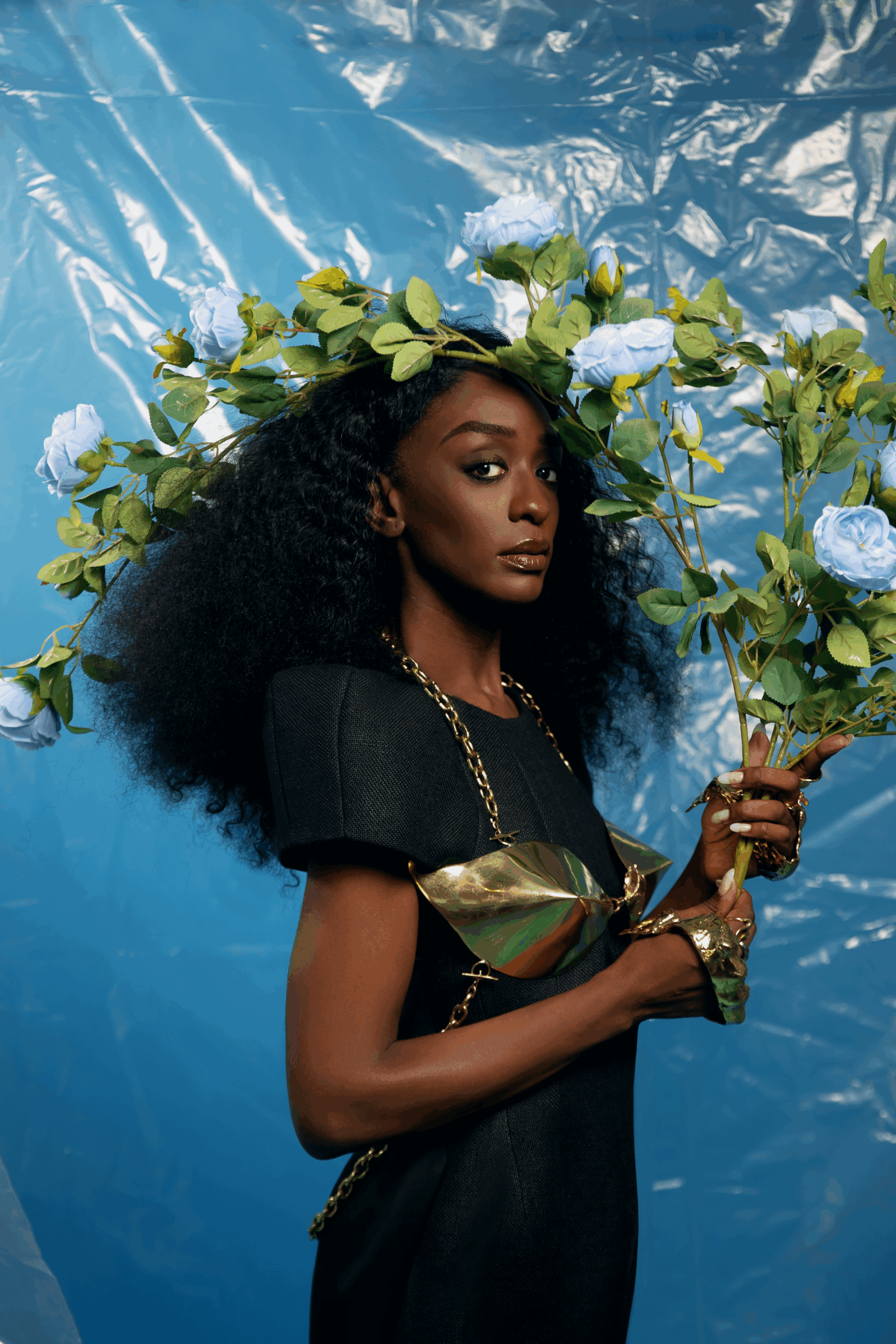
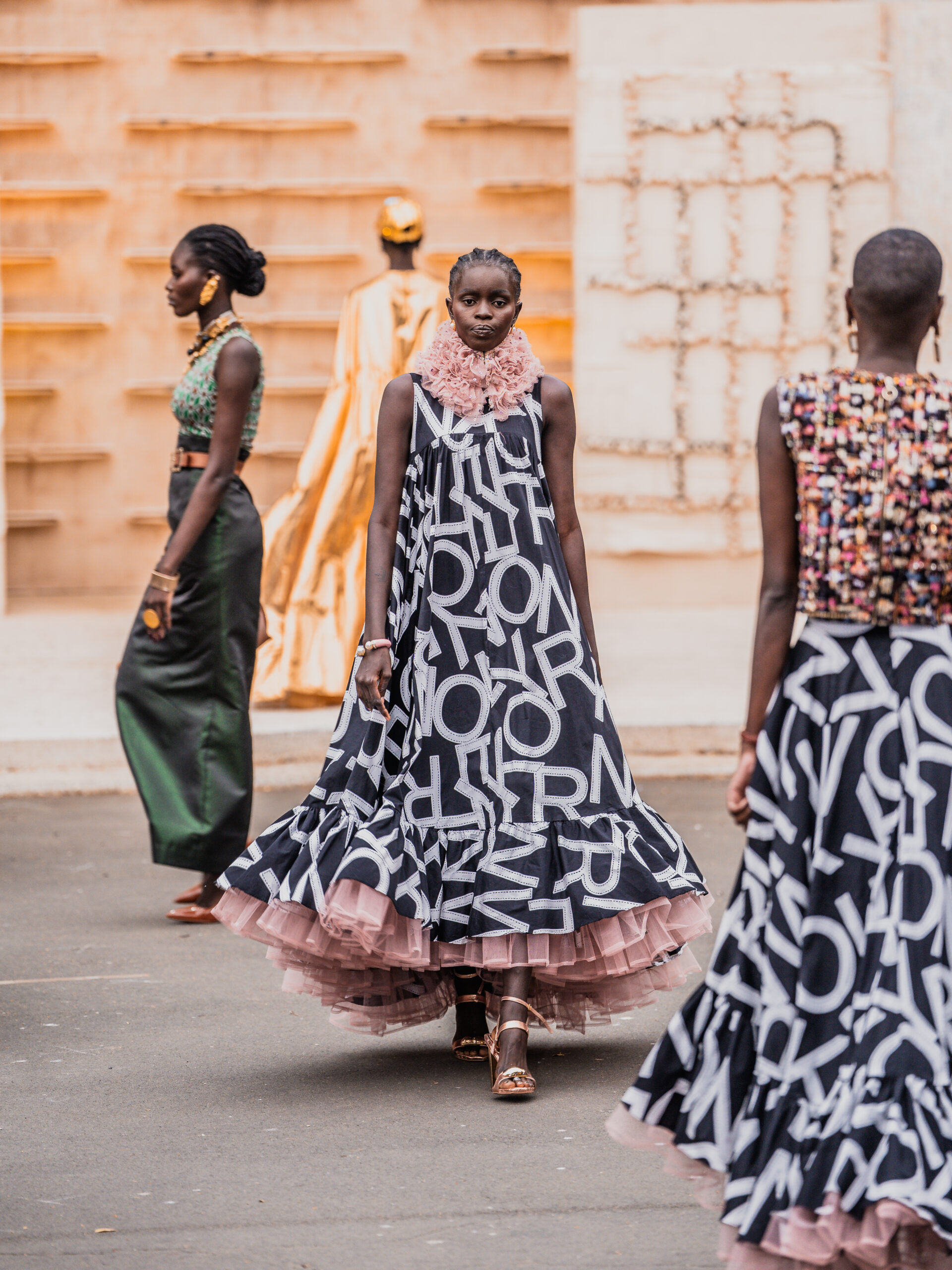
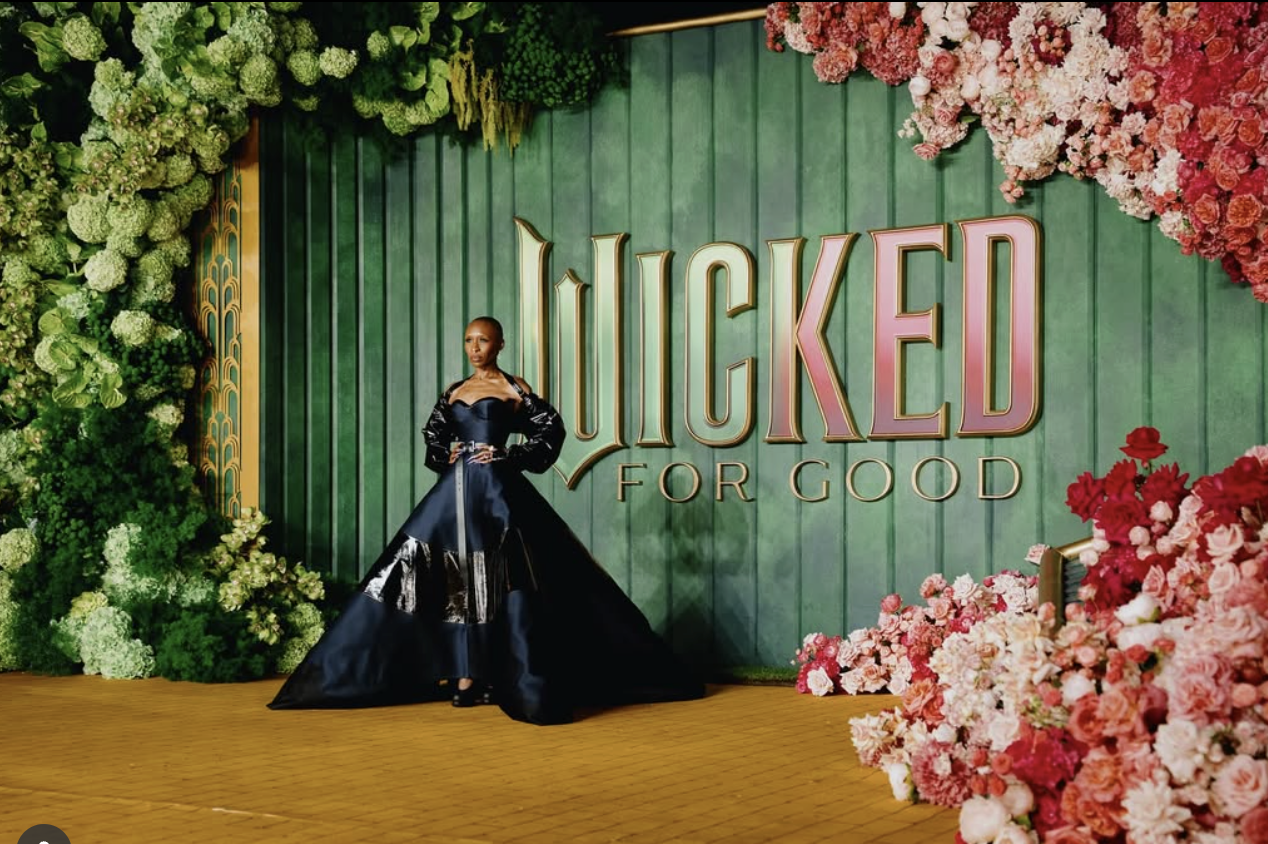
When African designers began appearing on the New York Fashion Week stage, they brought with them more than collections—they introduced perspectives that expanded the conversation of global fashion. From Nigeria’s vibrant textiles to South Africa’s bold silhouettes, these creators have steadily woven cultural heritage and contemporary vision into one of the industry’s most visible platforms. Their contributions over the years have marked NYFW with a presence that is neither fleeting nor peripheral, but increasingly essential.
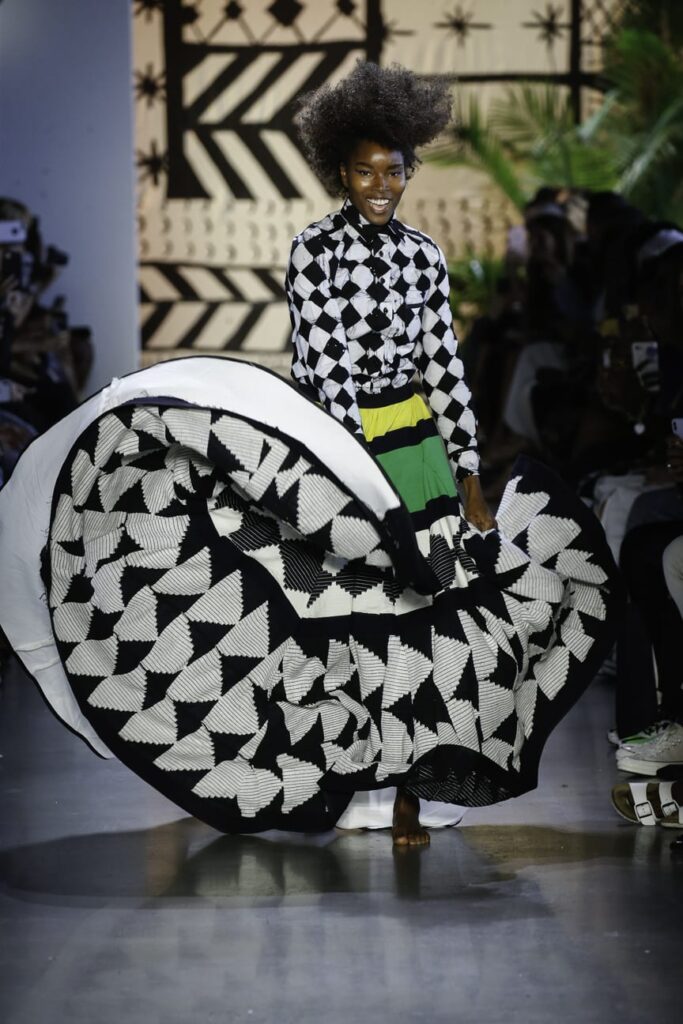
The story began to shift in earnest back in 2009, with the debut of the African Fashion Collective—a bold ensemble that brought fresh voices to the forefront. Brands like South Africa’s Stoned Cherrie, with its street-smart edge; Mali’s Xuly Bet, transforming recycled fabrics into edgy urban statements; and Nigeria’s Momo Couture and Tiffany Amber, channeling elegant vibrancy through intricate prints and tailored forms. This group arrived amid the cultural ripple of Barack Obama’s inauguration, a time when the world seemed newly attuned to stories from the continent, and their presence felt like a quiet revolution.
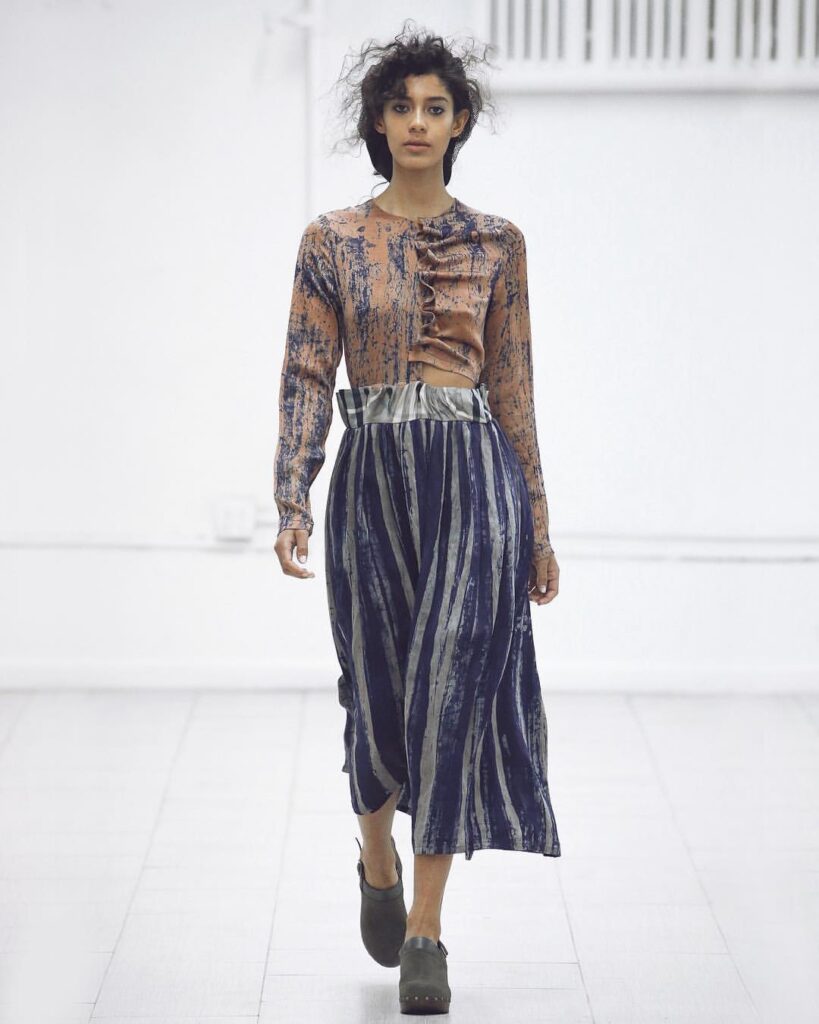
By 2012, Nigeria’s Amaka Osakwe was turning heads with Maki Oh, her debut collection marrying hand-dyed adire cloths—those deep indigo blues etched with traditional motifs—with sharp, modern lines. It was fashion that whispered of sustainability and cultural depth, drawing admirers like Michelle Obama, who slipped into a Maki Oh gown the following year, bridging from Lagos ateliers to Washington drawing rooms. Osakwe’s work felt personal, almost intimate, a reminder that true style often starts with the stories we carry.
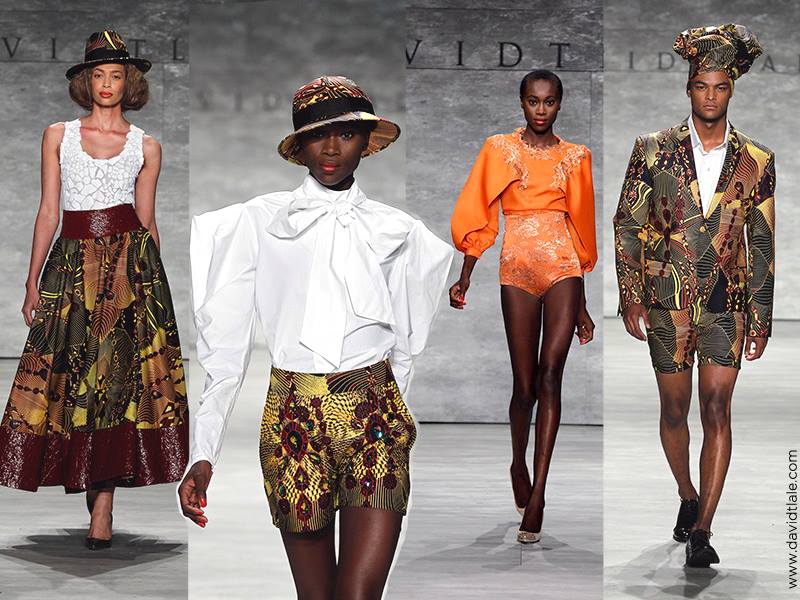
Fast-forward to 2014, and the momentum built. Deola Sagoe, another Nigerian powerhouse, unveiled designs that layered ancestral beadwork and bold palettes into sophisticated eveningwear. Her runway reimagined heritage for the contemporary eye. That same year, South Africa’s David Tlale commanded the space with his Spring/Summer 2015 show, an all-Black cast striding out in architectural gowns and prints that evoked the drama of Johannesburg’s townships. Led by supermodel Tyson Beckford, it was a statement of visibility, fierce and unyielding.
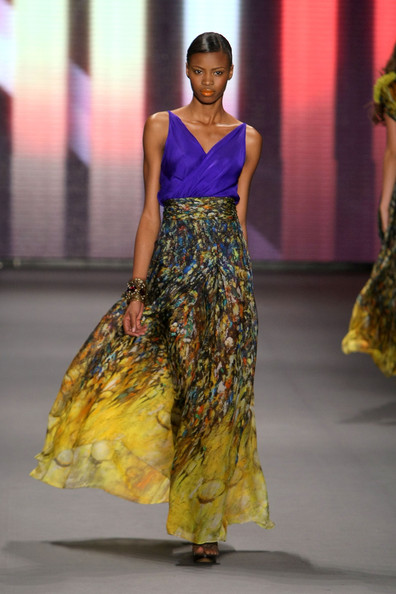
The thread continued into more recent seasons. In Fall 2023, Tia Adeola, the London-based Nigerian designer, brought her Renaissance flair to NYFW—ruffled collars exploding in citrus hues, gowns that nodded to Elizabethan excess while grounding it in African vibrancy. Emerging talents like Victor Anate followed suit in Spring/Summer 2024, his Vicnate label debuting with tailored pieces that fused Nigerian tailoring traditions with sleek, global polish.
And then there are the likes of Studio 189, founded in 2013 by Ghanaian-American Abrima Erwiah and actress Rosario Dawson, who have woven West African narratives into their collections since their early NYFW appearances, often collaborating with artisans to create pieces that honor community and craft. Sukeina, established in 2012 under Senegalese designer Omar Salam’s vision, the brand creates striking pieces distinguished by sculptural folding techniques, rich decorative elements, and commanding silhouettes. Head of State, with its focus on menswear rooted in African masculinity, rounds out this evolving roster, their sharp suits and relaxed linens speaking to a quiet confidence that has reshaped perceptions of luxury.
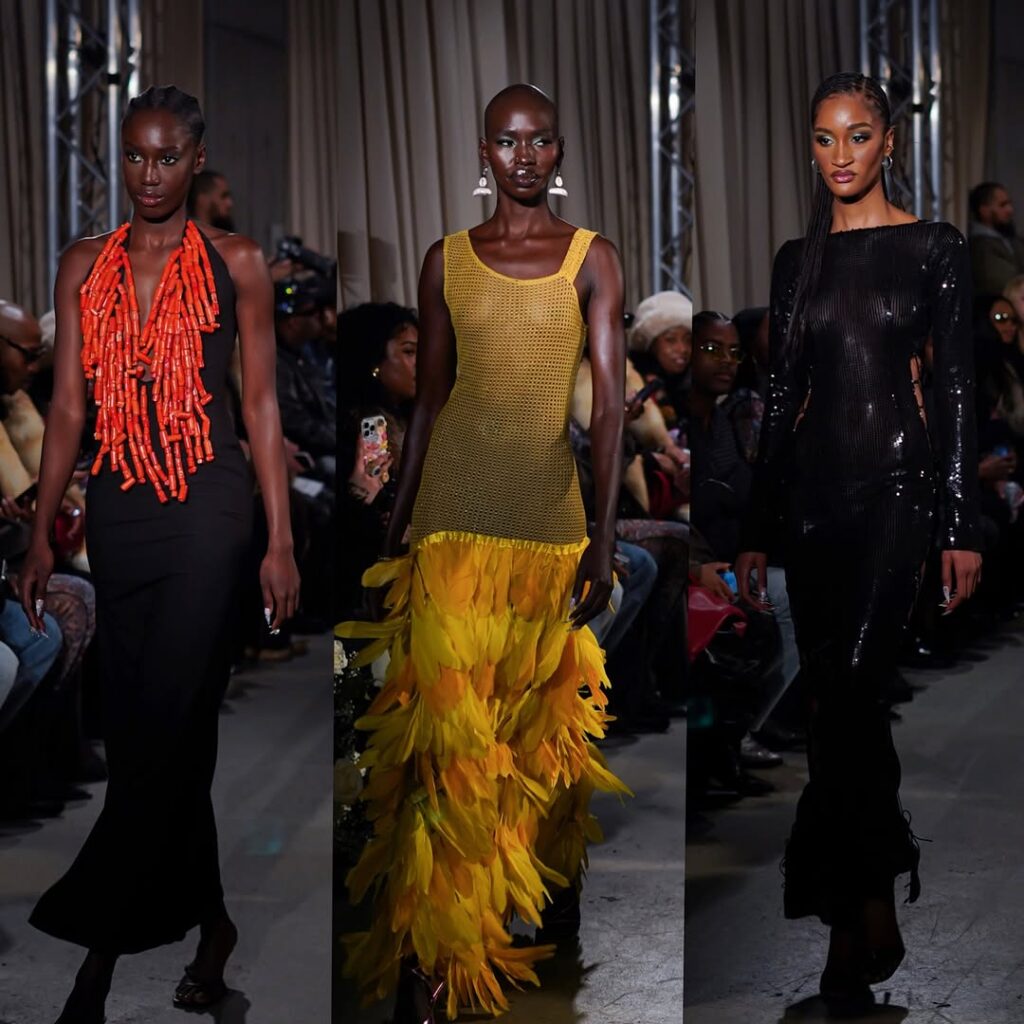
These moments—from the collective breakthroughs of 2009 to the individual triumphs of today—haven’t been without challenges. Visas, funding, the sheer logistics of crossing oceans. Yet African designers persist, their work serving as a bridge between continents, challenging the old guard of fashion week. In doing so, they’ve not only diversified NYFW’s palette but elevated it, turning runways into spaces where history and tomorrow collide. As the tents fold once more, their influence lingers, a testament to the enduring power of voices long overdue for the spotlight.
Want more stories about fashion’s global evolution? Subscribe to our newsletter for the latest on emerging designers and cultural shifts shaping the industry.”