
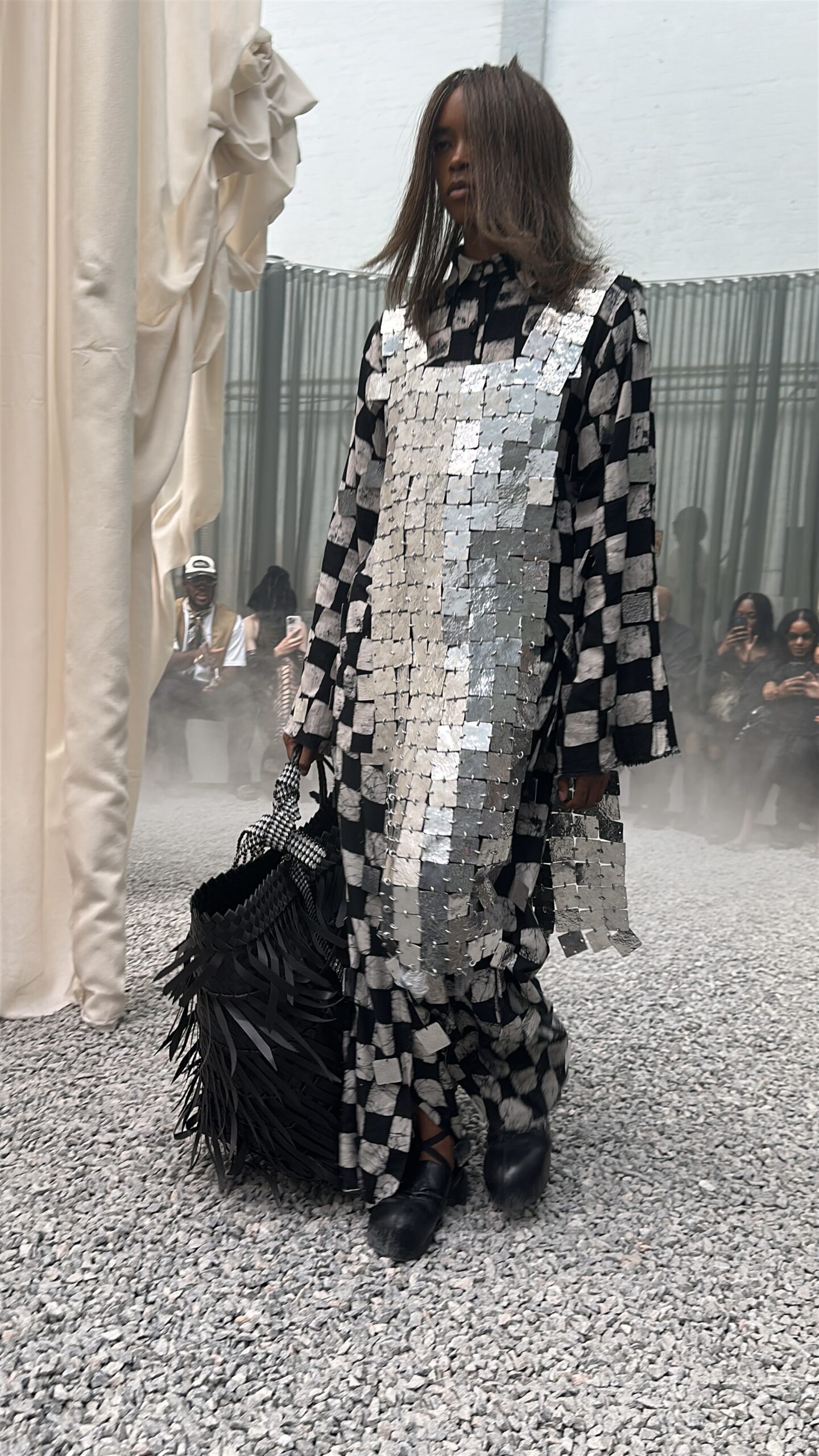
If 2025 marked a year of expansion for African fashion—designers embracing quiet luxury, soft silhouettes, craft revival, and bold prints—then 2026 is the year the continent sharpens those ideas into something more assertive.
The shift is subtle but unmistakable. Viewed against the backdrop of Lagos Fashion Week and Dakar Fashion Week SS26, the themes that shaped 2025 have reappeared, distilled with greater clarity. Minimalism is now rooted in culture rather than neutrality. Craft has elevated from artistic gesture to high-fashion language. Comfort has evolved from loungewear to elegance. And prints have moved from revival to fearless reinvention.
African fashion in 2026 won’t merely respond to global sartorial trends—it will actively reframe its own fashion front.
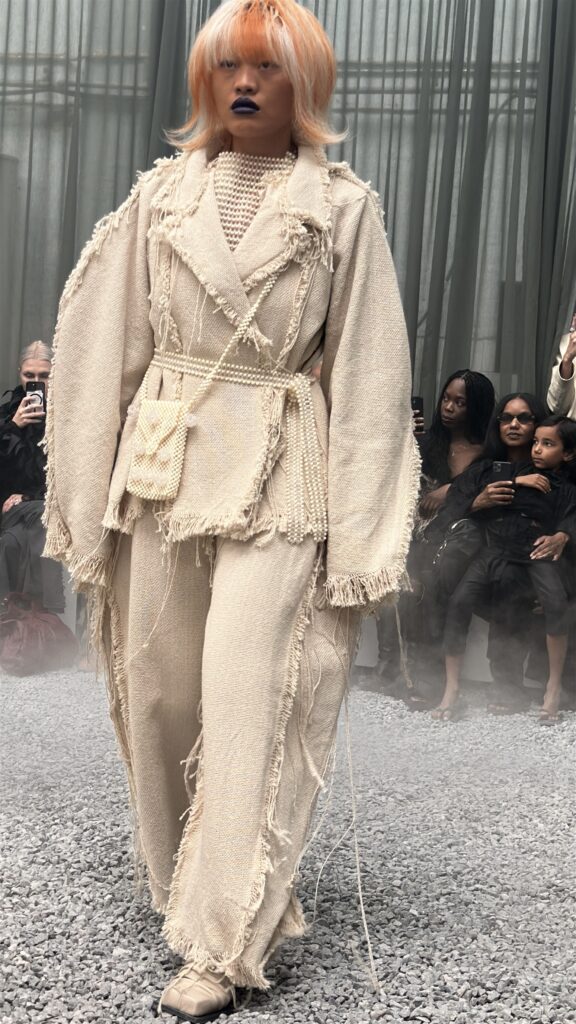
One of the clearest expressions from Lagos and Dakar was the rise of cotton yarns and earth textures as luxury materials. Designers like IAMISIGO and younger Dakar-based artisans have proven that natural fibres can communicate both sophistication and heritage. Their work represents a reclamation of materials historically overlooked by mainstream fashion.
The significance lies not only in the aesthetic shift but in the economic and cultural one: local fibres empower local artisans, reduce dependency on imported textiles, and elevate African ecology into global desirability. Raffia and hemp becoming luxury signals that African materials are no longer seen as rustic—they’re high-fashion.
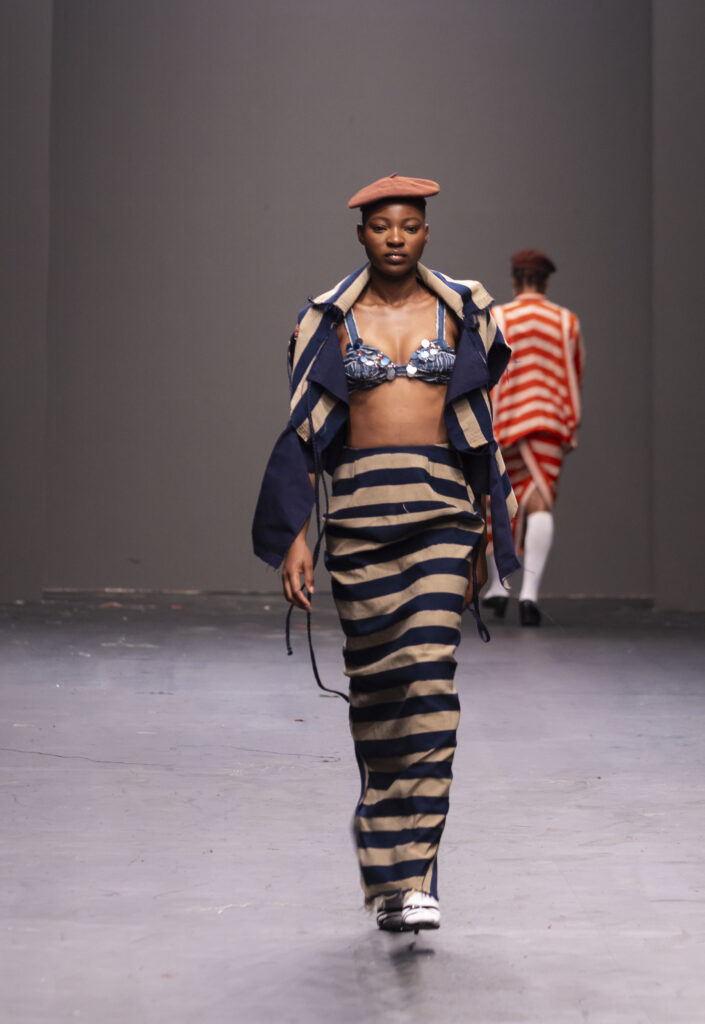
Deconstructed denim has become one of the continent’s most expressive mediums. Patchworked jackets, restructured jeans, and hybrid silhouettes seen across SS25 reflect a youth-driven desire to reimagine the ordinary. Denim, long associated with simplicity, now becomes a site of bold reinvention—expect more avant-garde forms in 2026, without leaning into camp ruggedness.
This trend democratizes creativity. Its rise reflects a youth-led African aesthetic that values expression over perfection, making fashion accessible without diluting artistry.
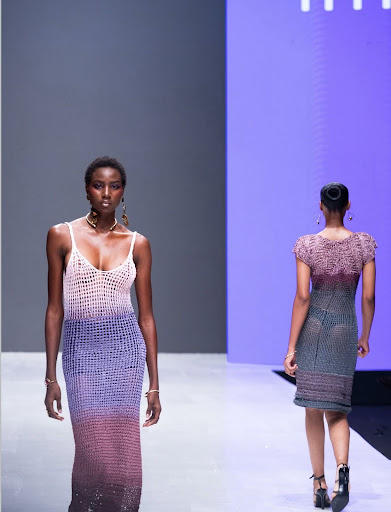
The resurgence of crochet, knit, and handcrafted textiles continues, but with far more discipline than the bohemian waves of previous years. Brands like Studio Imo lead the way, showcasing geometric, sharply defined knit dresses and tops that reframe knitwear as luxury architecture.
Handcraft moving into luxury territory validates African artisanal excellence on a global scale.
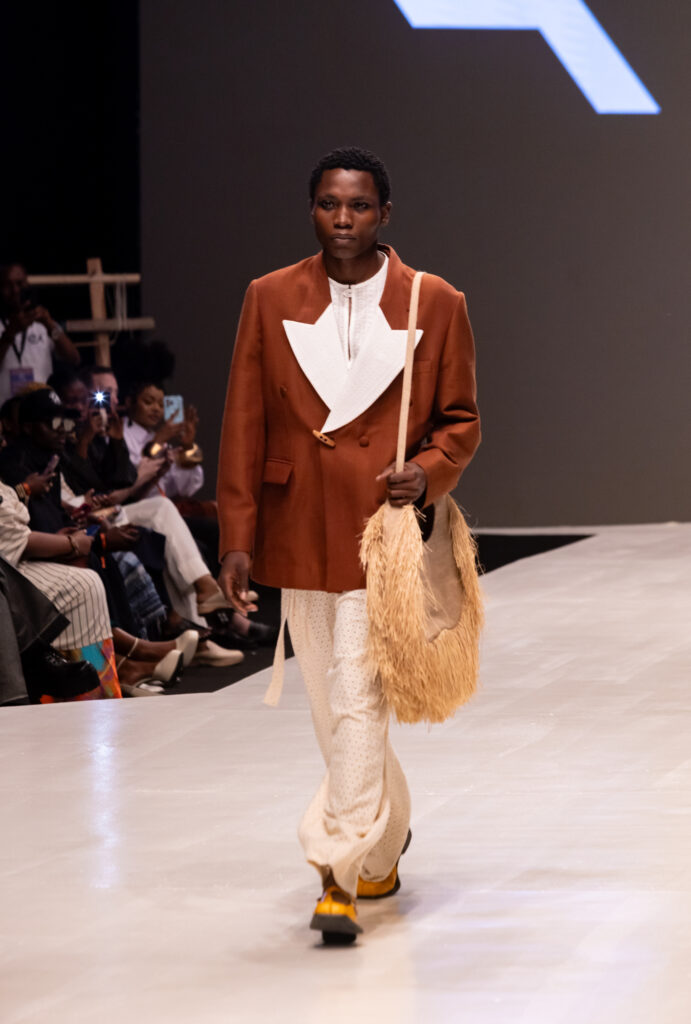
This elevation of craft mirrors the return of sharp tailoring, a trend that anchored SS25. Designers like Emmy Kasbit and Ajabeng have refined the tailored silhouette into something unmistakably African. Their work draws from professional aesthetics but rejects Western rigidity, opting instead for cultural fabrics, softer lines, and silhouettes shaped by climate and movement.
Tailoring in 2026 matters because it redefines what power dressing looks like on the continent: less corporate mimicry, more cultural authority. It roots professionalism in climate, culture, and identity rather than Western corporate templates.
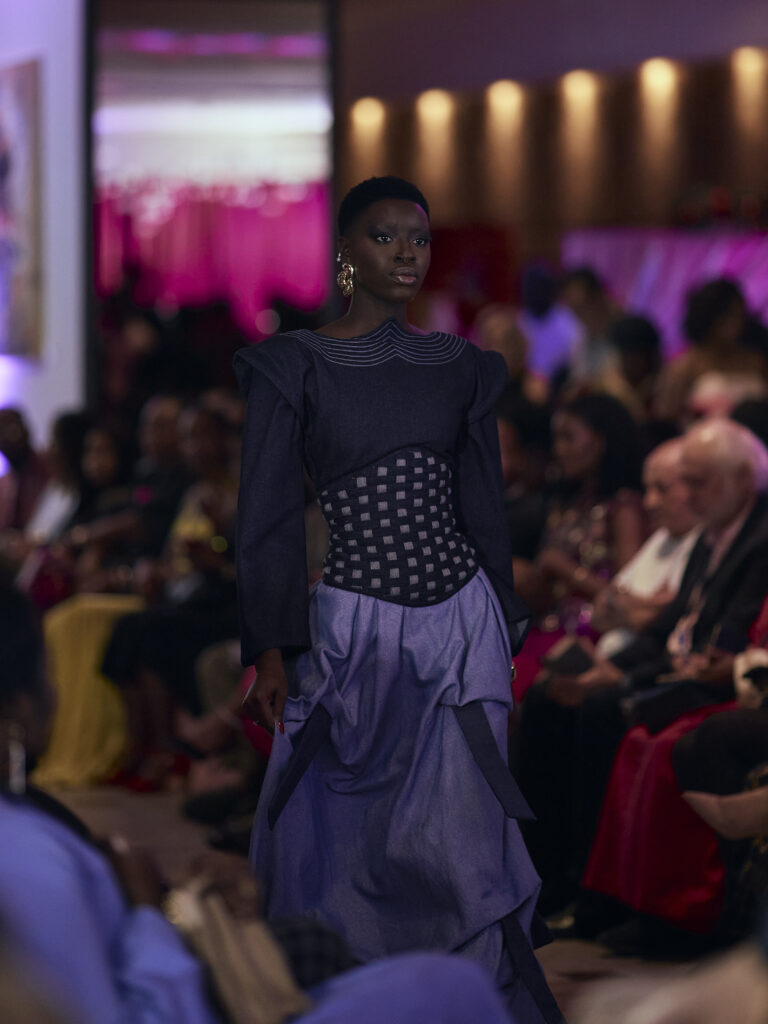
These silhouettes are complemented by reimagined proportions, which dominate runways in ways both subtle and sweeping. The drop waist, elongated torso, and cascading skirts challenge the Western hourglass archetype and embrace a freer African approach to form.
This signals a wider design movement toward rejecting inherited rules and embracing a new African geometry. The drop-waist silhouette expands the continent’s design vocabulary, prioritizing flow, ease, and cultural fluidity over Western proportion norms.
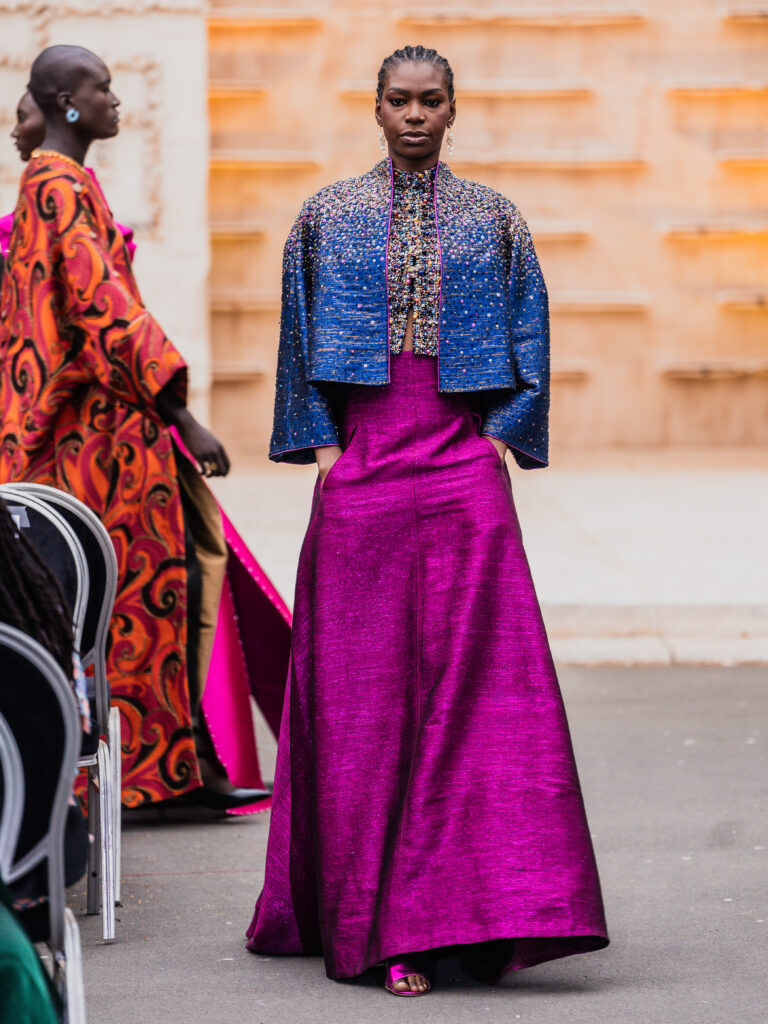
Heritage resurfaces through beads, cowries, and shell embellishment, which have expanded from accessory to design language. Designers embed shells into bodices, bead waistlines into sculptural frames, and elevate embellishment into narrative structure.
These symbols carry centuries of meaning—trade, spirituality, femininity—and their resurgence reinforces a continental desire to recover and reinterpret cultural memory. Each bead and cowrie embeds African history into garments worn in the present.
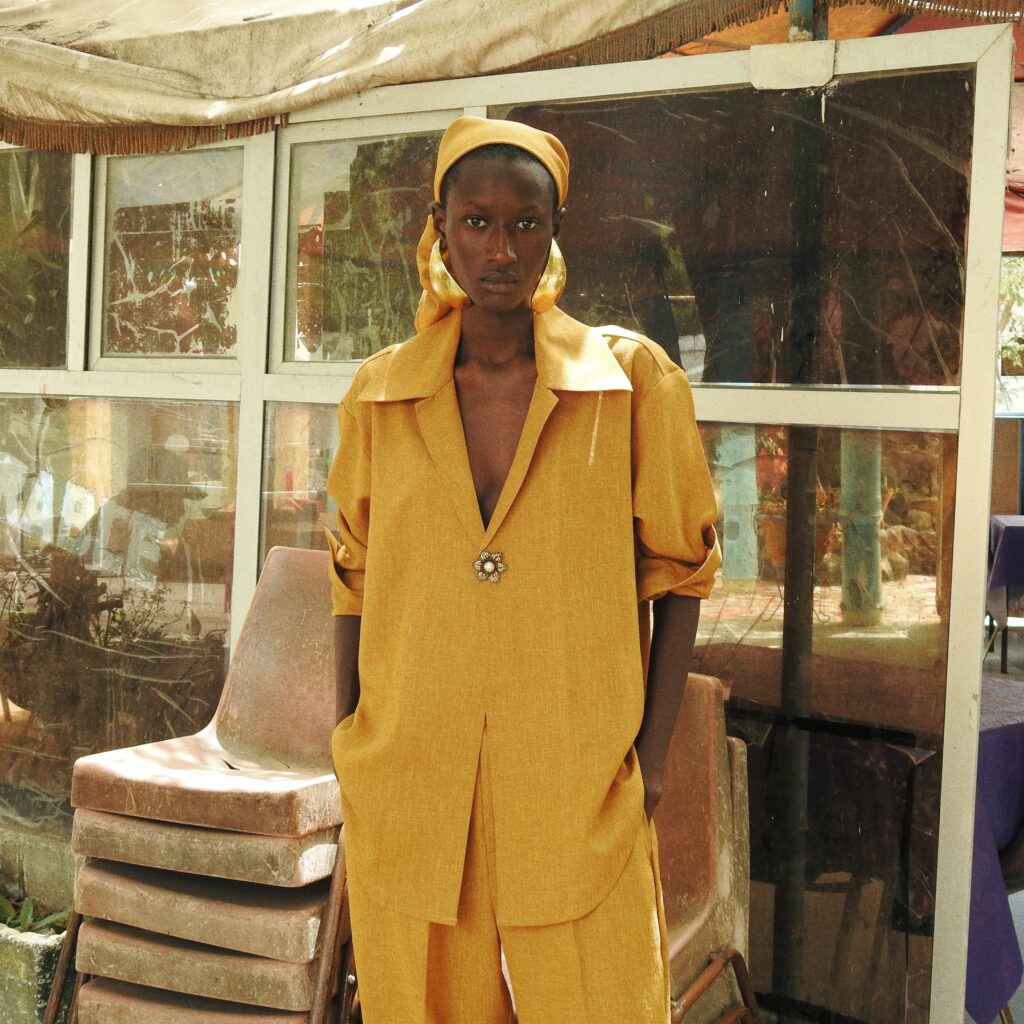
That desire also informs the rise of elevated everyday wear, where comfort merges with refinement. Soft cotton sets, oversized shirting, and clean silhouettes reflect the lived reality of African cities: heat, movement, and fluidity. Designers like Ajabeng and KikoRomeo construct clothes that work with the body, not against it.
This trend matters because it democratizes fashion—elegance becomes something wearable, breathable, and grounded in daily life. It makes fashion more inclusive and authentically situated in African reality.
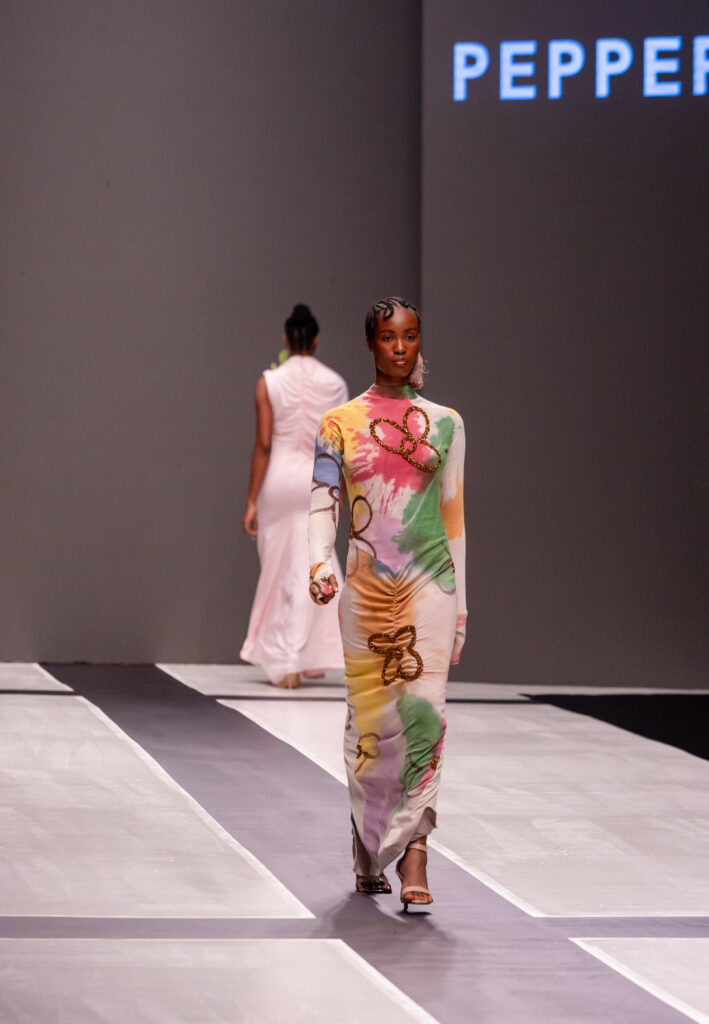
Boldness is equally alive in the continent’s embrace of colour, texture, and print. Metallics, saturated browns, fiery oranges, patchwork, and graphic textures dominate the palette. Brands like Pepper Row and MaXhosa push the boundaries of textile play, proving that maximalism in Africa is not about spectacle—it’s about cultural vibrancy.
African maximalism challenges global fashion’s minimalist bias. It asserts vibrancy as sophistication, not excess. Colour becomes a vehicle for cultural expression and emotional storytelling.
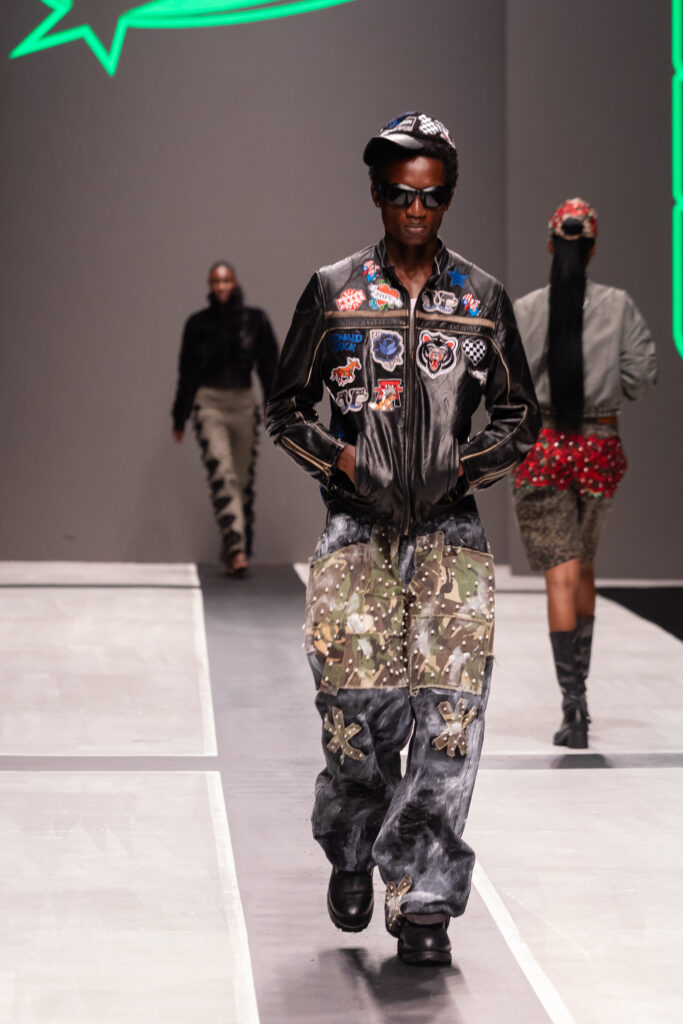
Youth culture and streetwear form the continent’s most kinetic style engine. Through platforms like Street Souk, African youth are shaping silhouettes, colour stories, and attitudes that inform runway and retail alike. Streetwear’s importance lies in its democracy: it gives everyday consumers ownership over the fashion narrative and expands the market beyond elite circles.
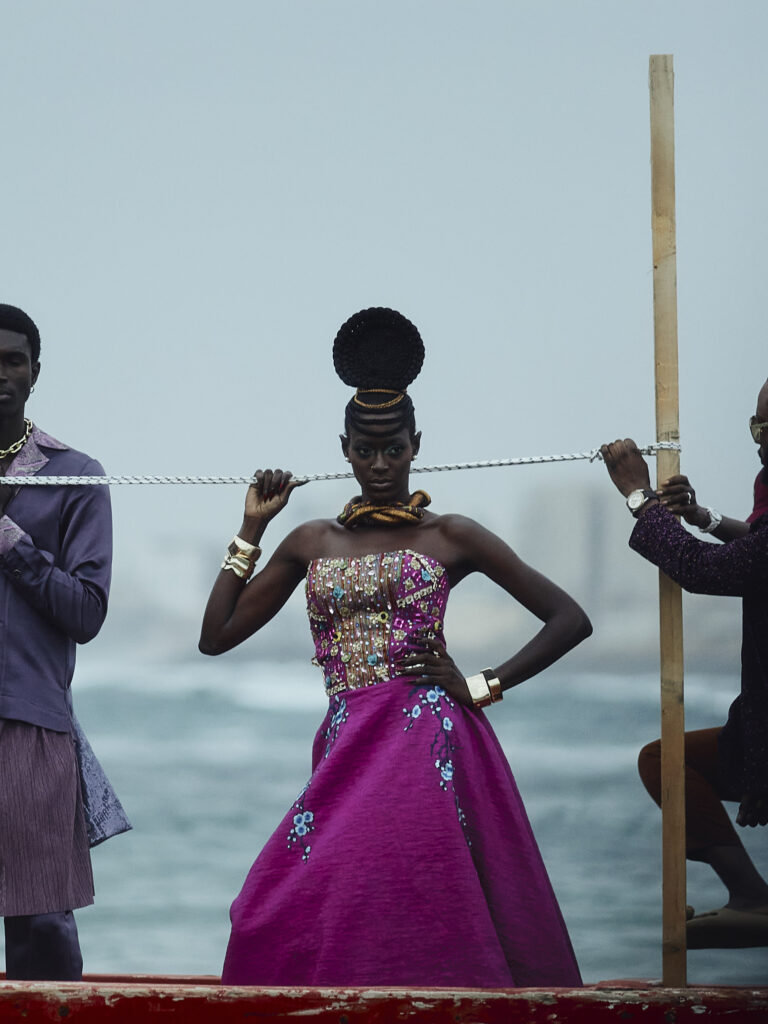
In 2026, Africa’s fashion market is defined by confidence and acceleration. Mid-luxury brands grow stronger as consumers invest in identity-driven design. Artisanal production becomes a premium resource. Pan-African collaborations intensify. Digital platforms amplify new designers overnight. And local production subtly begins to reduce dependence on imported materials.
The result is a fashion landscape that is rooted, restless, and ready—full of designers who understand that African fashion is not rising. It is already here.