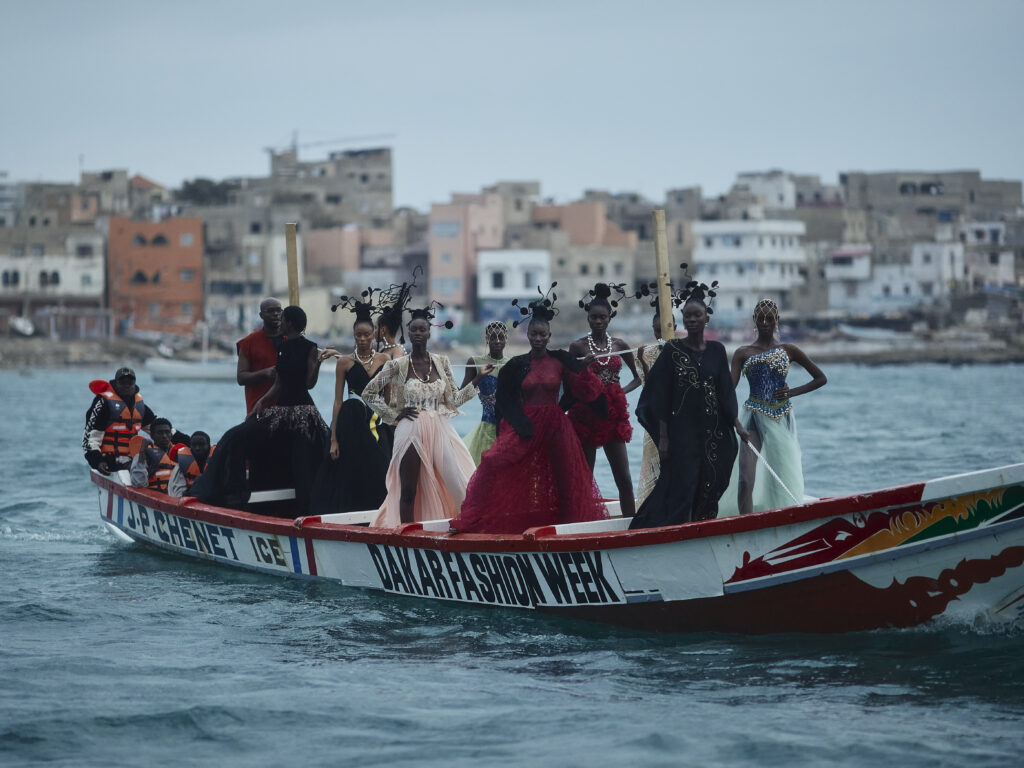

Lagos Fashion Week’s fifteenth-anniversary edition delivered on its promise to position the city as a serious fashion capital. Over five days, more than fifty designers presented collections that demonstrated not just creative ambition, but commercial viability and global appeal. The shows moved beyond Federal Palace Hotel to culturally significant venues like J. Randle Centre for Yorùbá Culture and History, signaling a maturation in how African fashion presents itself to international buyers and press.
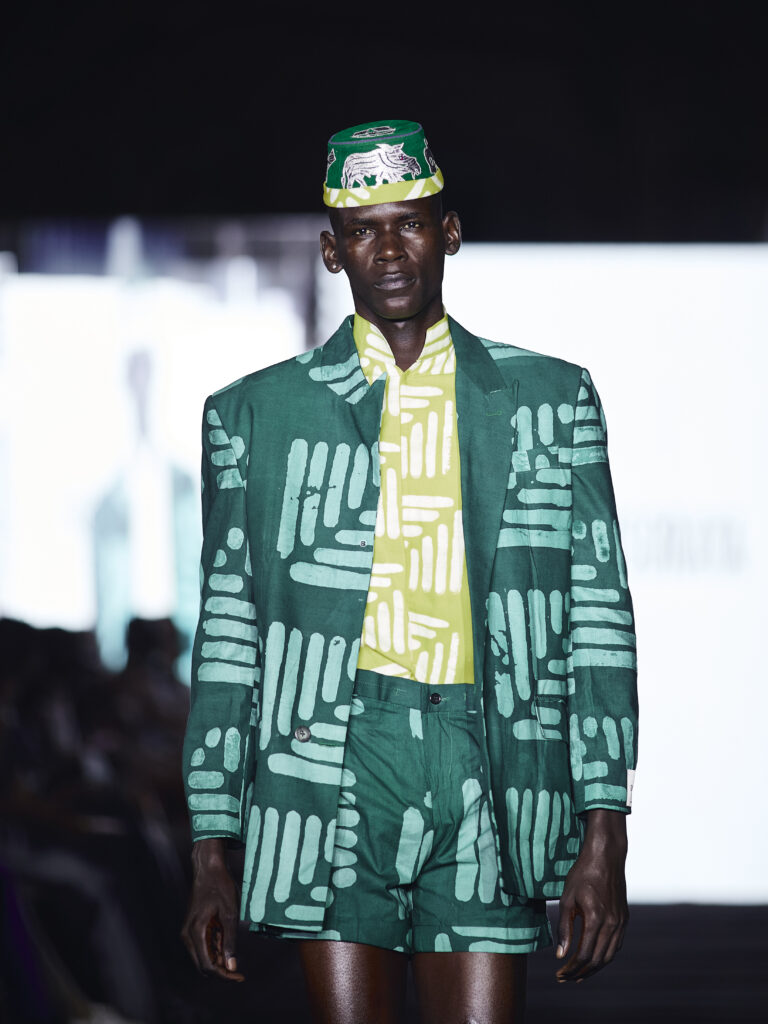
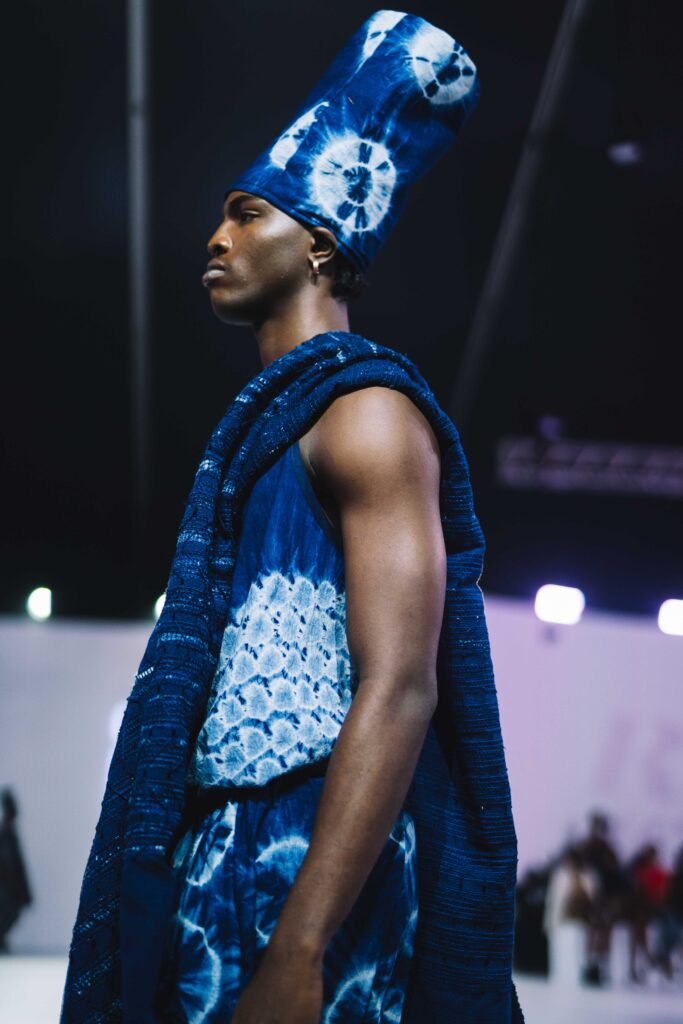
This season made clear why global brands and investors should pay attention. Sustainability isn’t a talking point here—it’s infrastructure. The Green Access presentation on day four showcased designers building businesses around upcycling and traditional dyeing methods, addressing supply chain concerns that luxury conglomerates are scrambling to solve. Nkwo’s patchwork denim using Aso Oke demonstrates how heritage techniques can create differentiated product in an oversaturated market.
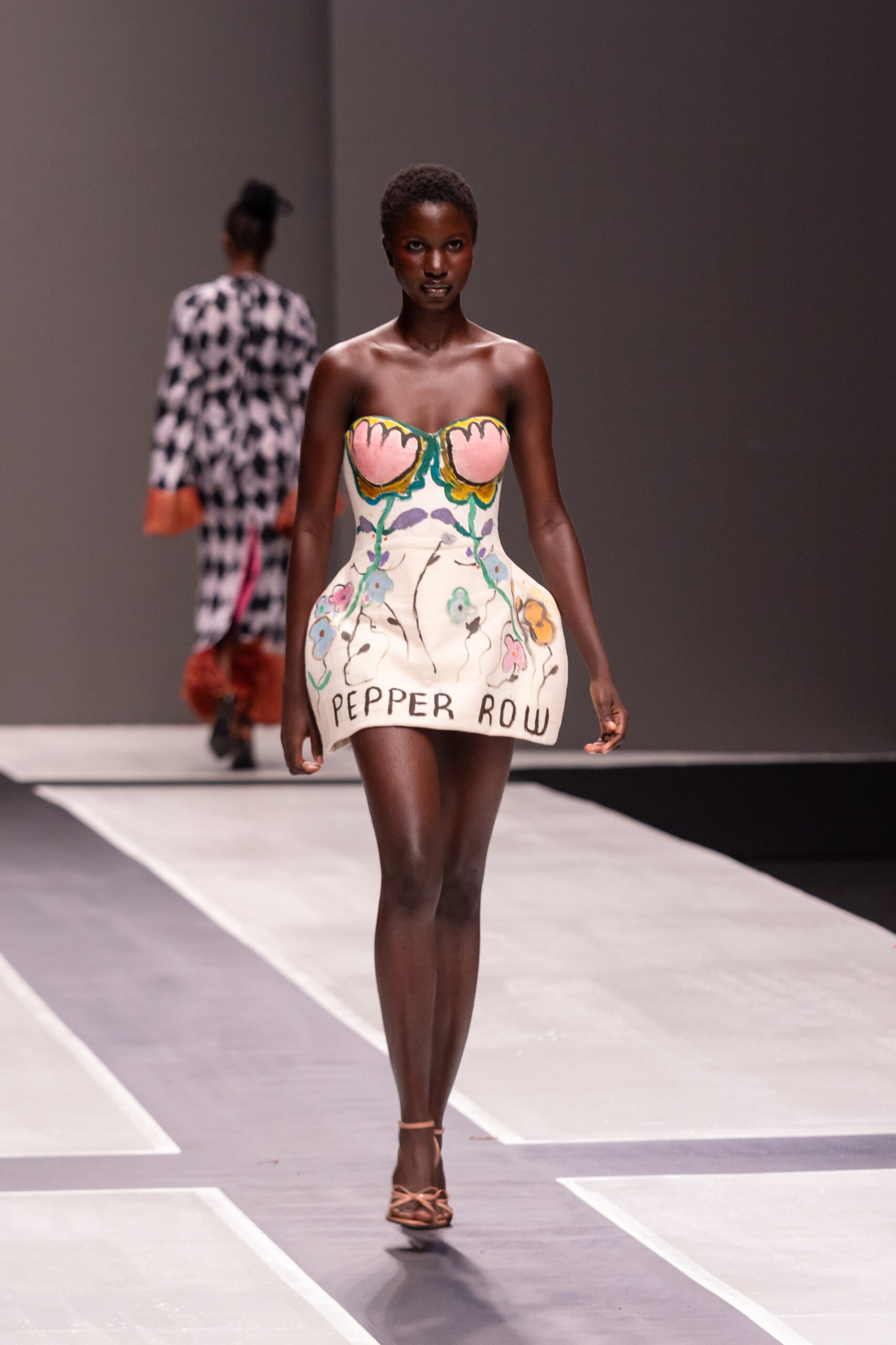
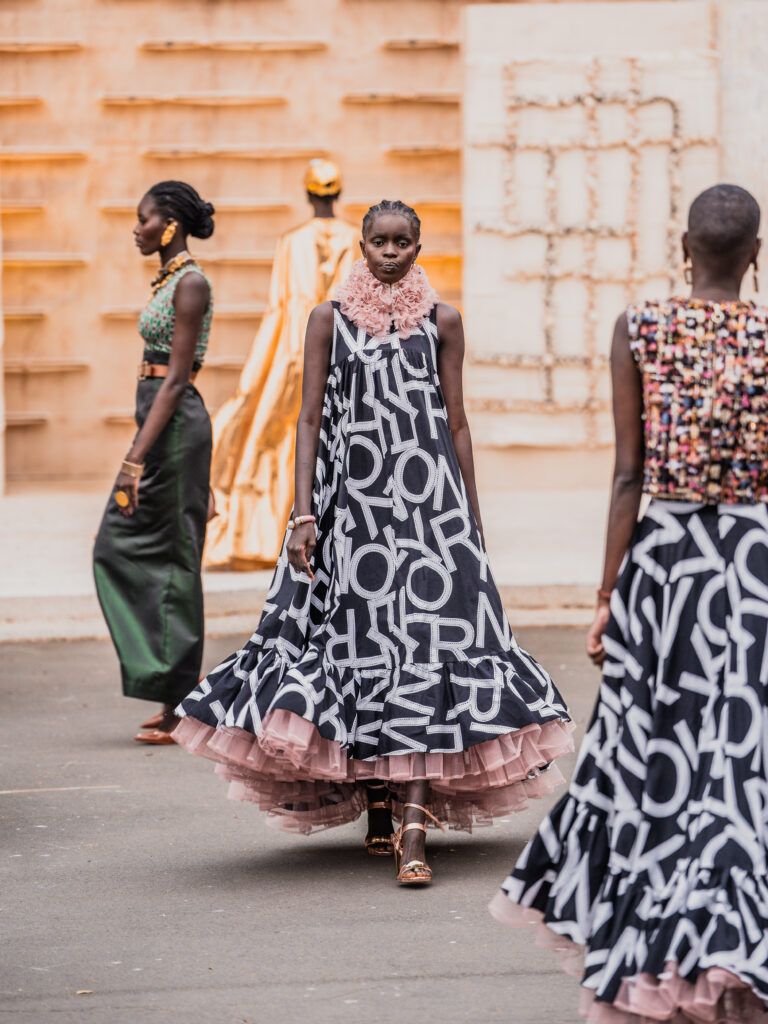
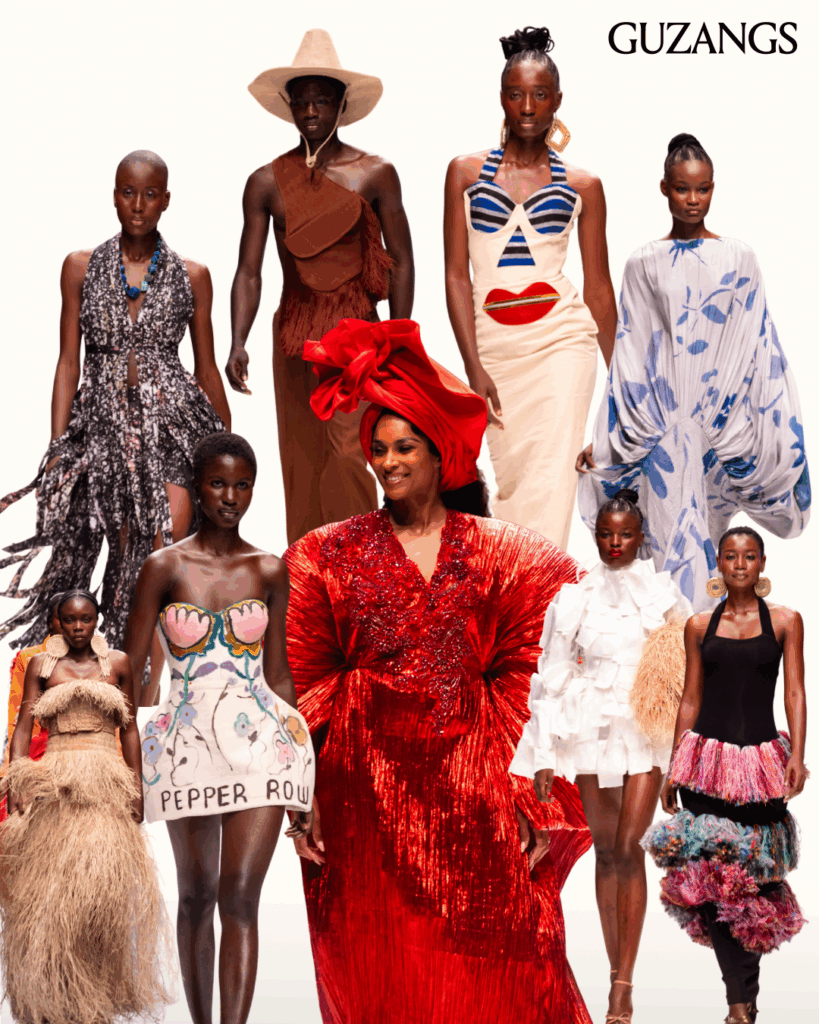
The craftsmanship on display answers a critical industry question: where do you find artisanal production at scale? Pepperrow’s hand-printed fabrics with raffia detailing, Kilentar’s beaded lace, and Ejiro Amos Tafiri’s sculptural pleating across ninety looks prove African ateliers can deliver both quality and volume. These aren’t one-off couture pieces—they’re scalable collections with clear commercial categories.
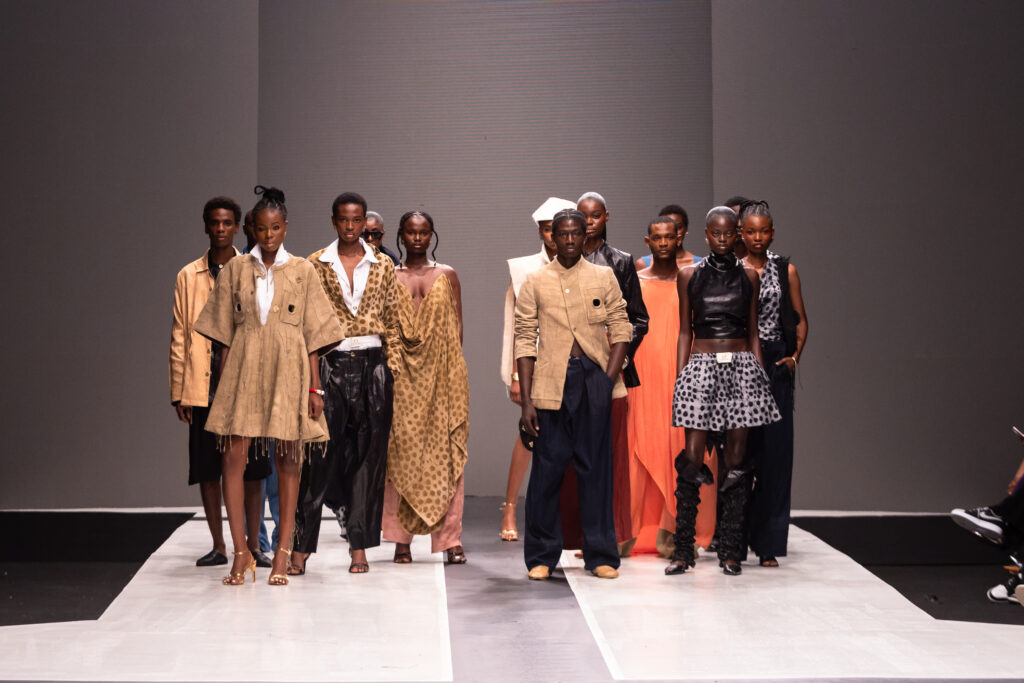
Emmy Kasbit opened the week with a collection rooted in historical narrative but executed with sharp, wearable tailoring. The frayed trousers and structured outerwear translate easily to contemporary menswear markets. Street Souk made history as Lagos Fashion Week’s first streetwear brand, tapping into the continent’s youth demographic and the global appetite for streetwear that shows no signs of slowing. Their leather trenches and branded hoodies speak directly to a market segment worth billions.
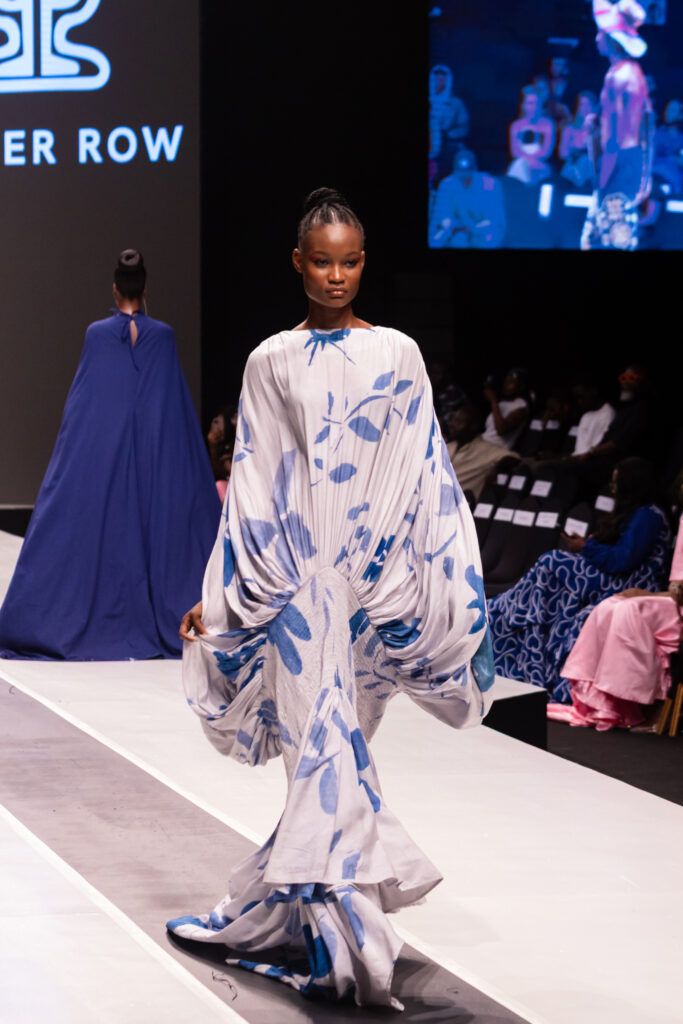
Boyedoe, the Ghanaian LVMH semi-finalist, tightened his sustainable lens this season—upcycling Kantamanto fabrics into crisp tailoring and soft, frayed separates that feel increasingly market-ready. Hertunba distilled feminine strength into fluid silhouettes and cowrie-trimmed robes, giving cultural symbolism commercial ease. Pepper Row leaned into its neo-luxury language with hand-printed raffia pieces and sweeping capes that spoke the language of craft and modern retail. From Abidjan, Olooh offered sharp blazers, layered leather, and jumbo totes that grounded West African ethics in polished, wearable form.
Wanni Fuga’s “ÈKÓ ÈLAN: Holiday’25” collection demonstrates smart brand positioning—resort wear with cultural specificity that Lagos’s growing tourism and expat markets will support. The collection featured swimwear, kaftans, and easy separates with local motifs like Eyo masquerade prints, offering both authenticity and accessibility.
Orange Culture’s emotional day-five presentation proved that conceptual design and commercial appeal aren’t mutually exclusive. The all-white collection with off-shoulder tailoring and flowing tulle offers immediate retail potential for bridal and special occasion markets.
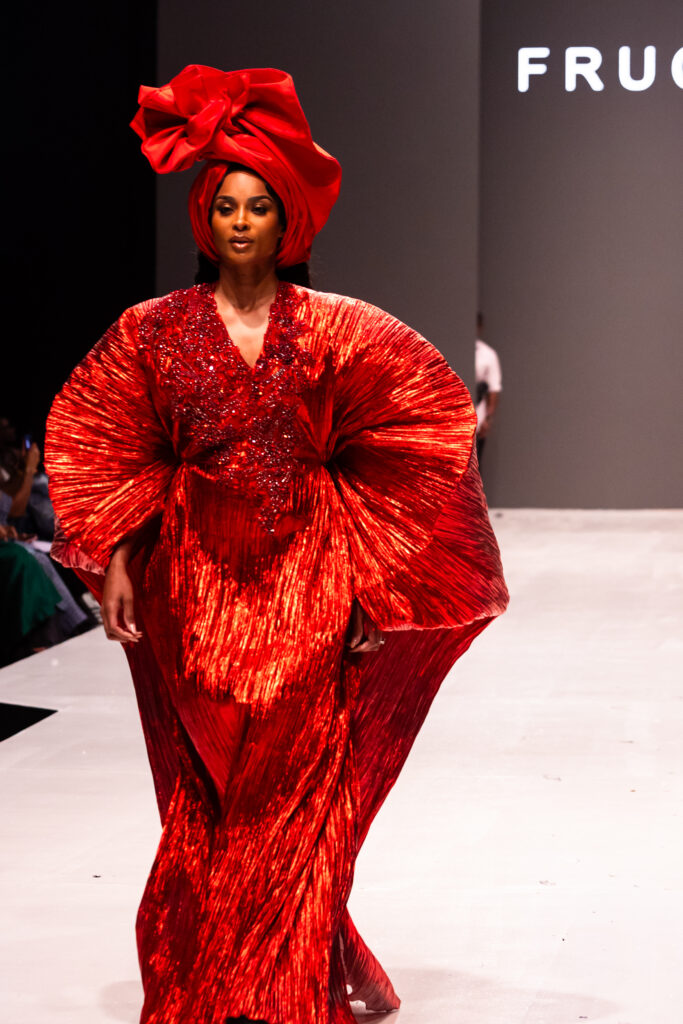
The week also highlighted Lagos’s growing fashion infrastructure. Celebrity appearances weren’t just for spectacle—Ciara closing Fruche’s show and Afrobeat star Tiwa Savage at Wanni Fuga signal that African designers have access to global cultural influencers who can move product. The Heineken City of Light partnership demonstrates corporate investment in the platform, crucial for long-term sustainability.
Designer longevity matters. Ejiro Amos Tafiri’s fifteen-year milestone and Kilentar creative director Michelle Adepoju’s decade-plus in the industry prove African brands can build lasting businesses, not just viral moments. These are brands with established production, customer bases, and brand equity.
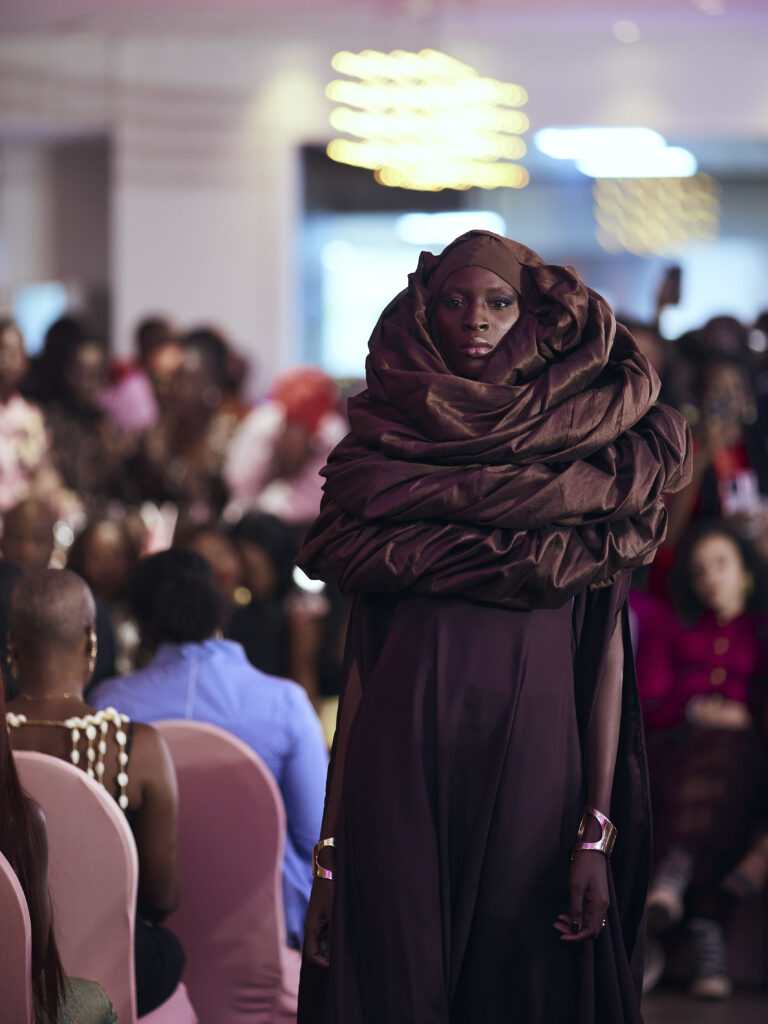
The return of traditional elements such as geles, turbans, coral beadwork isn’t nostalgia. It’s product differentiation in a global market where consumers increasingly want cultural authenticity. LFJ’s architectural pleating and oversized headwear, Kadiju’s 1980s-inspired silhouettes with contemporary cuts—these are designers who understand how to package heritage for modern consumers willing to pay premium prices.
The streetwear-to-luxury pipeline that’s powered brands from Off-White to Fear of God is visible here. The mix of Oshobor’s theatrical presentations with commercial pieces, and emerging brands showing alongside established names, creates an ecosystem where different market segments can thrive.
Lagos Fashion Week Spring/Summer 2026 wasn’t just a creative showcase—it was a business proposition. The city has the design talent, production capabilities, cultural capital, and increasingly, the infrastructure to support a viable fashion industry. For buyers looking to diversify their assortments, investors seeking emerging markets, and brands needing ethical production partners, Lagos presented a compelling case.
The question is no longer whether African fashion can compete globally. It’s whether the global industry is ready to do business on African terms.
Photos: Dan Torey