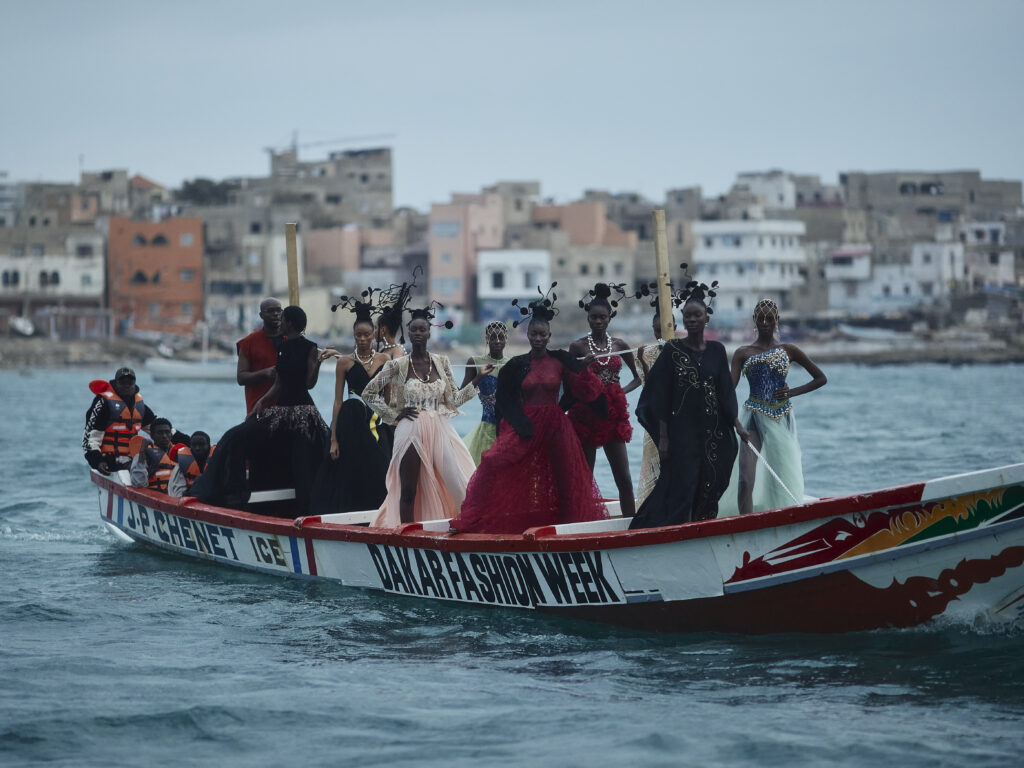
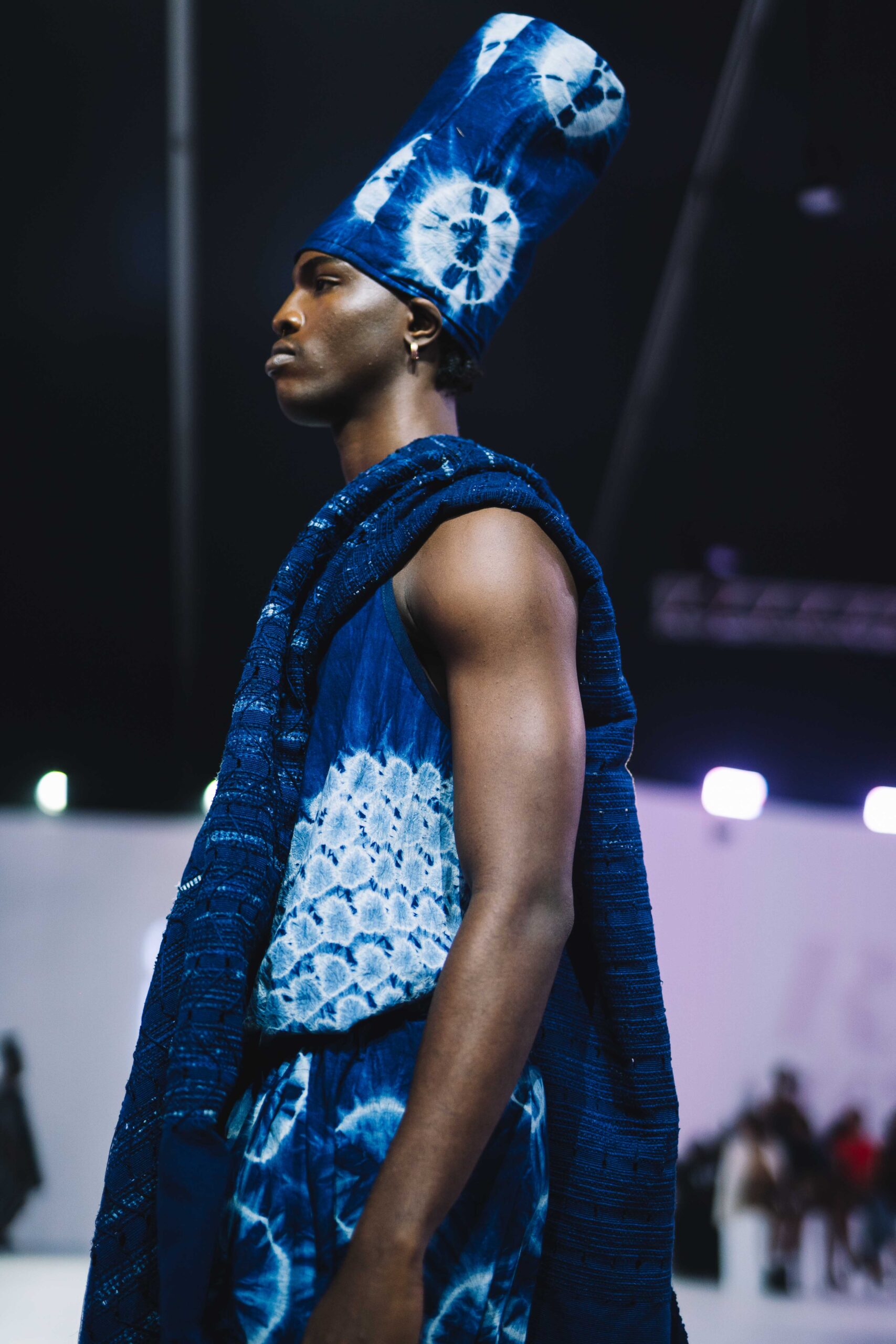
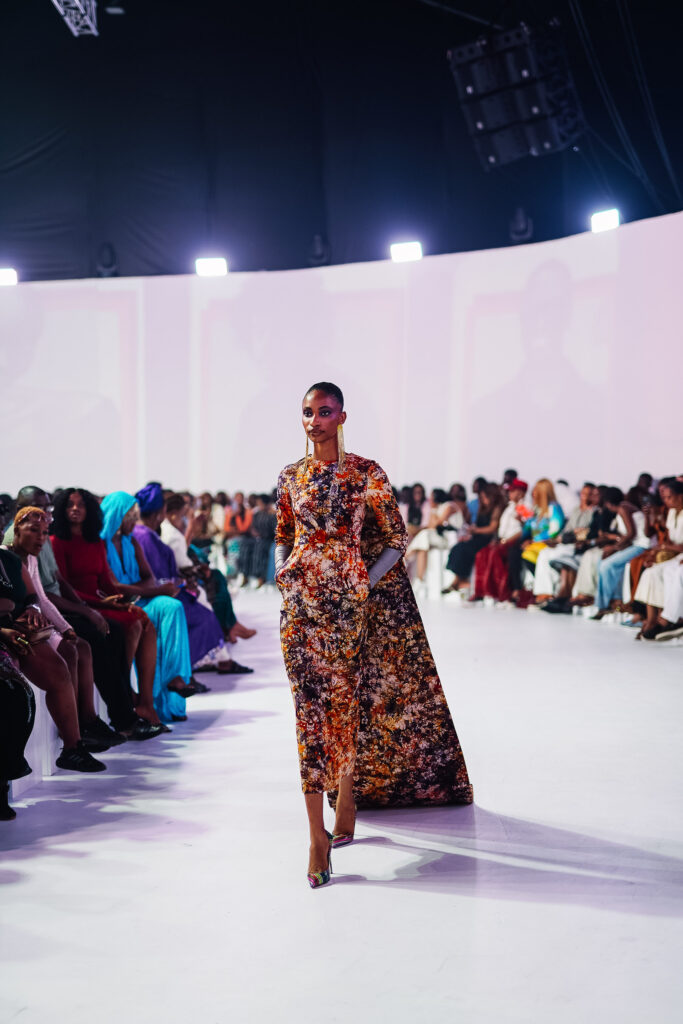
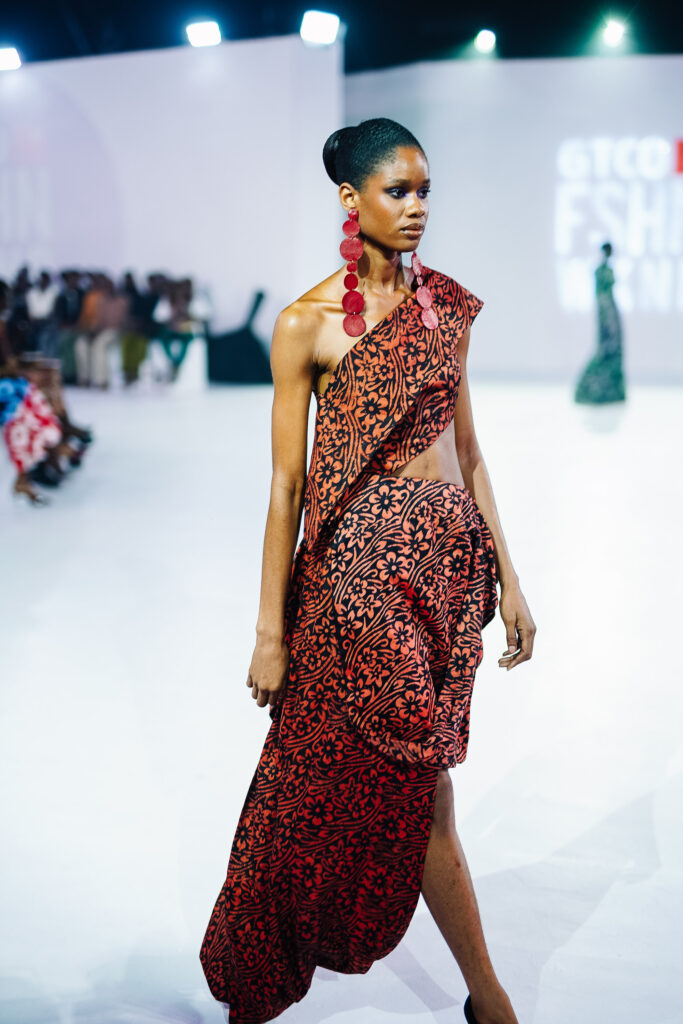
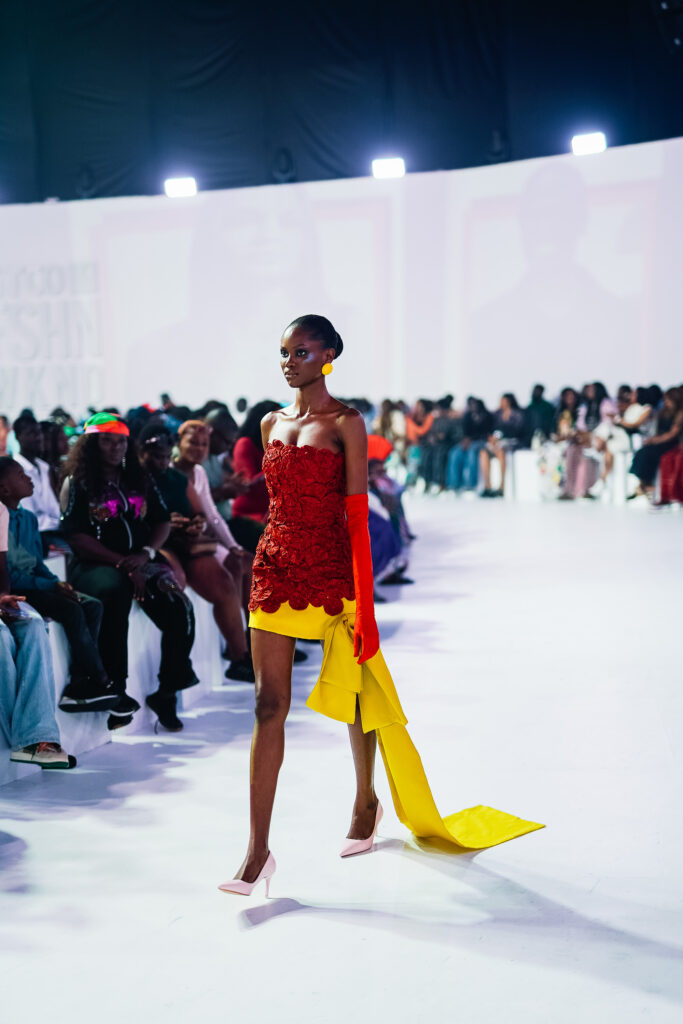
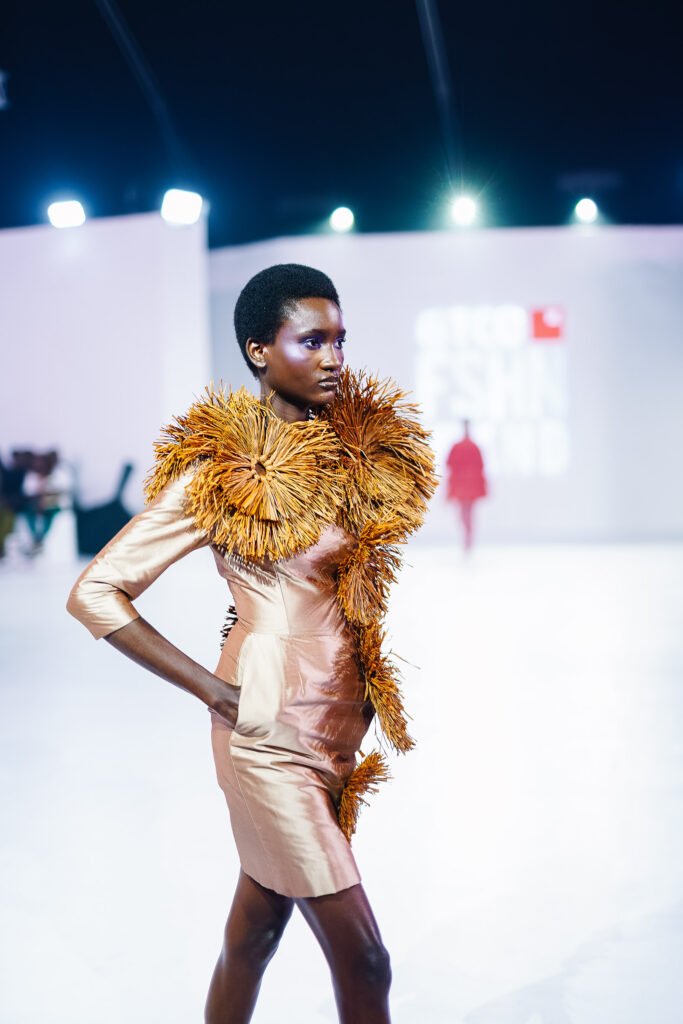
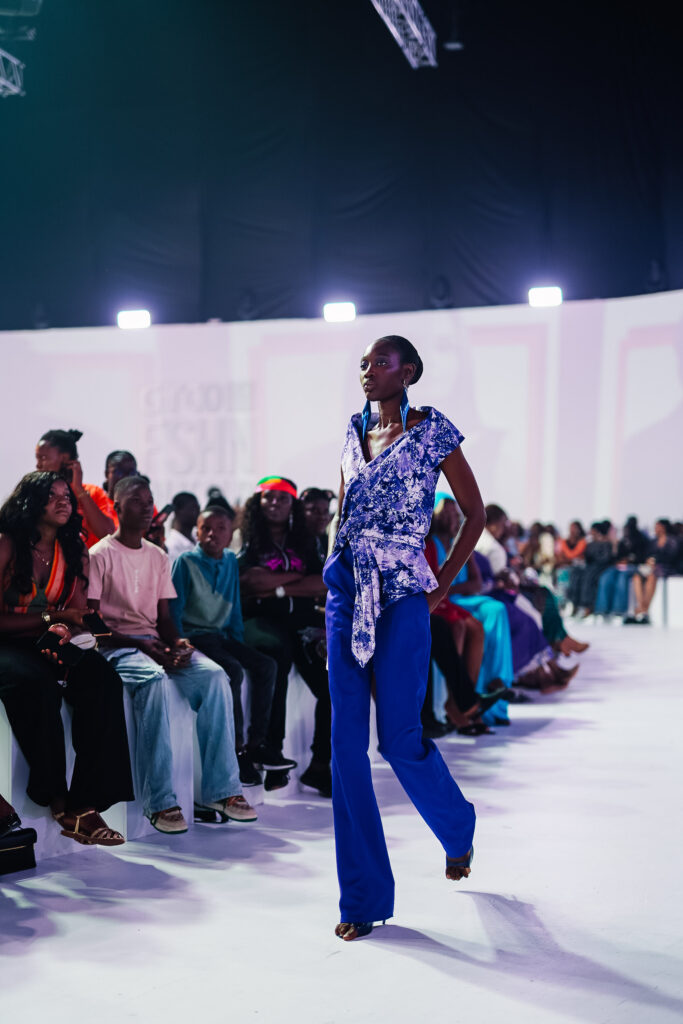
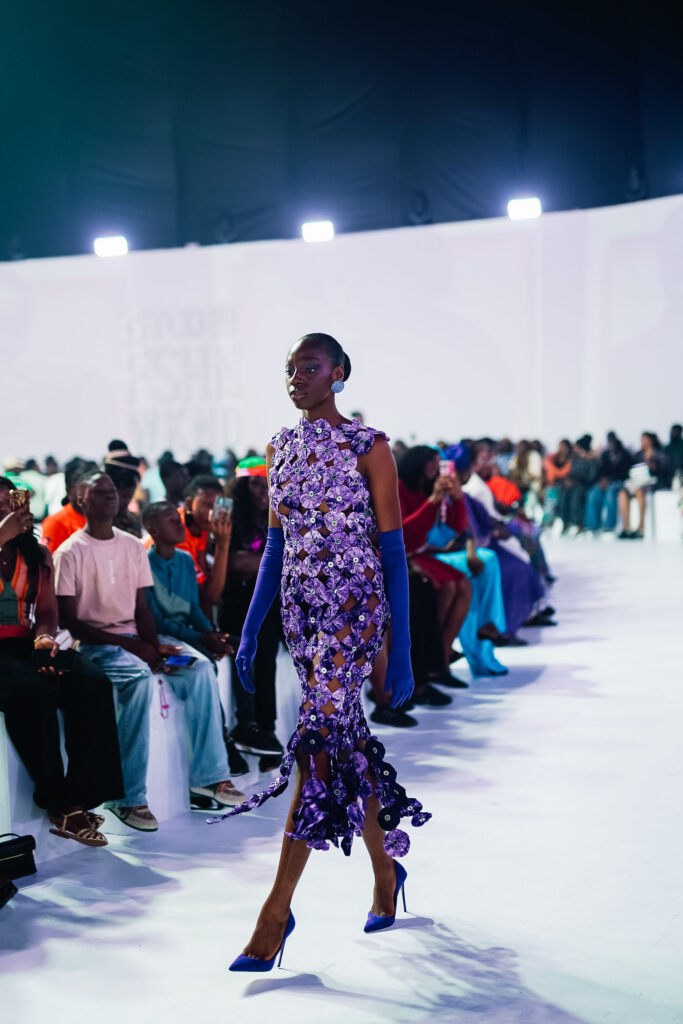
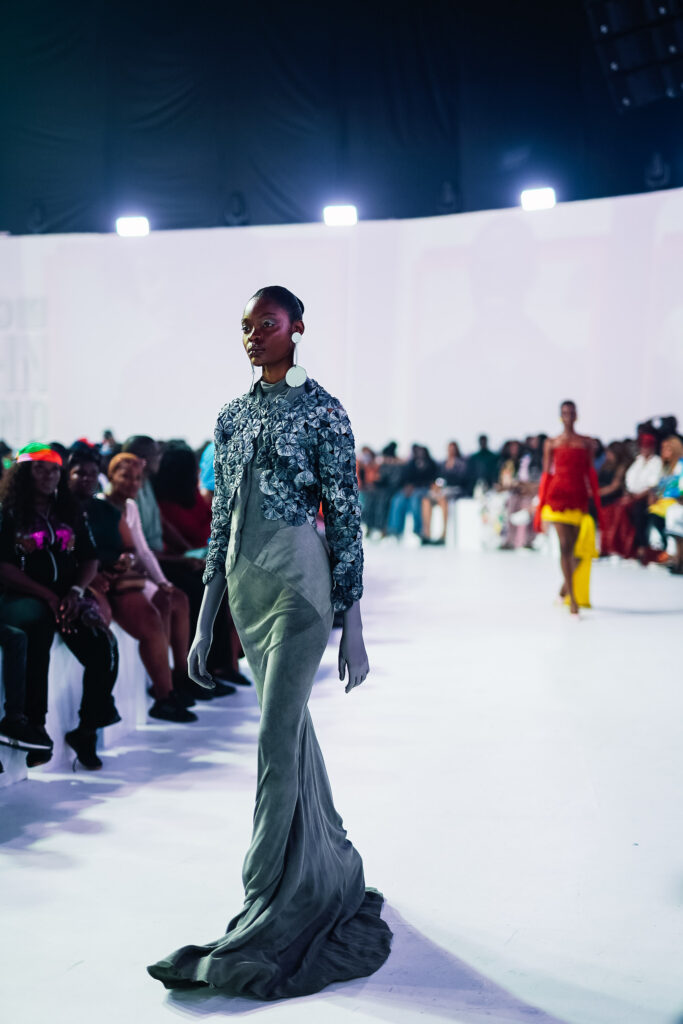
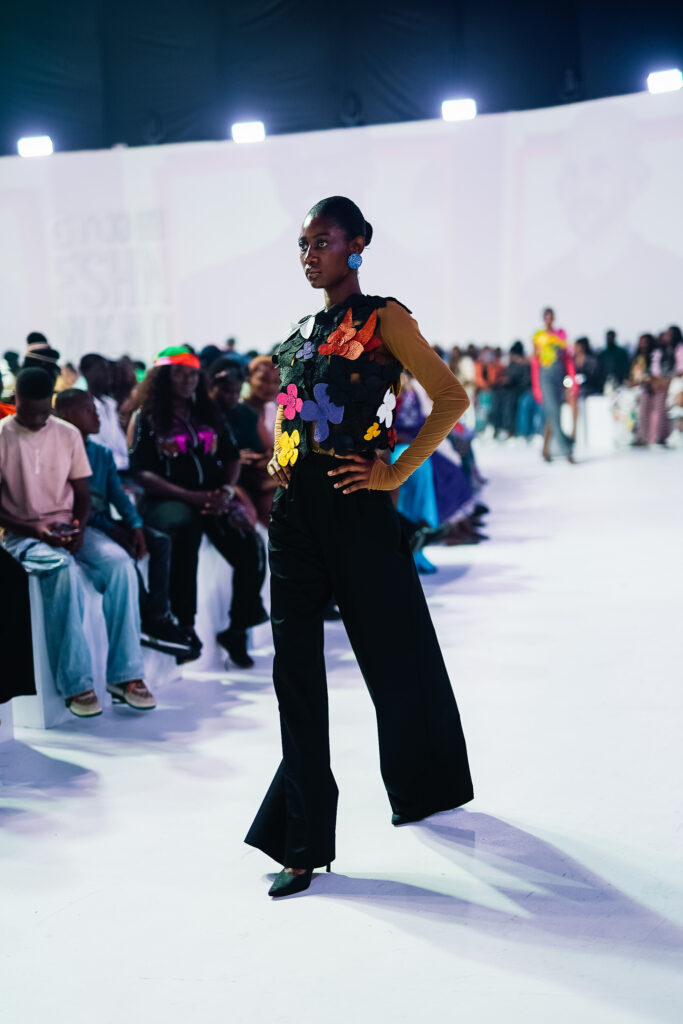
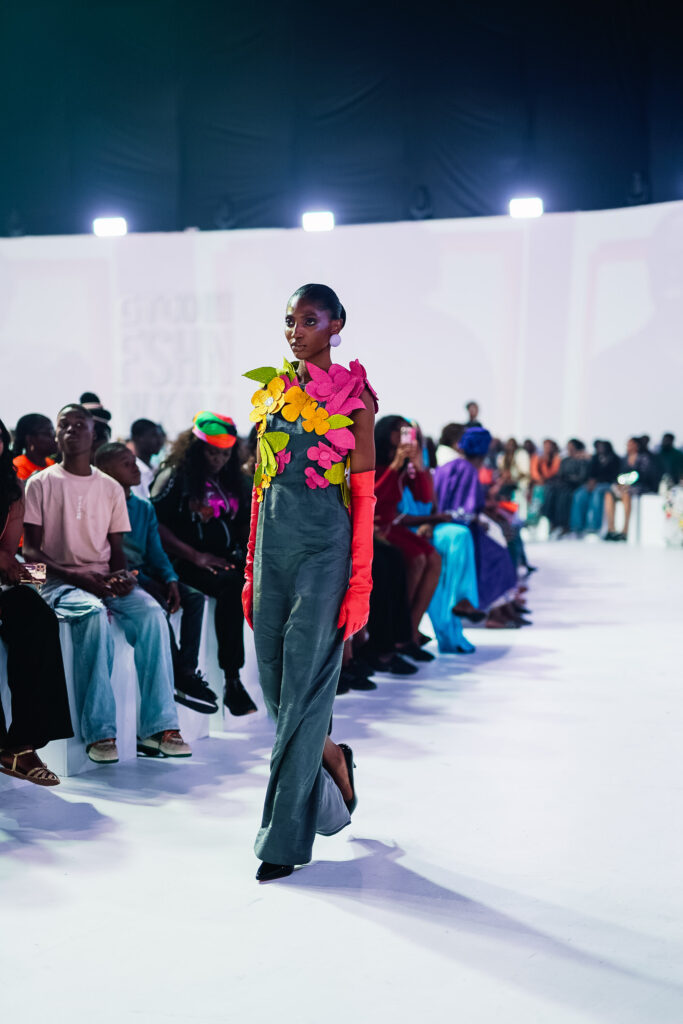
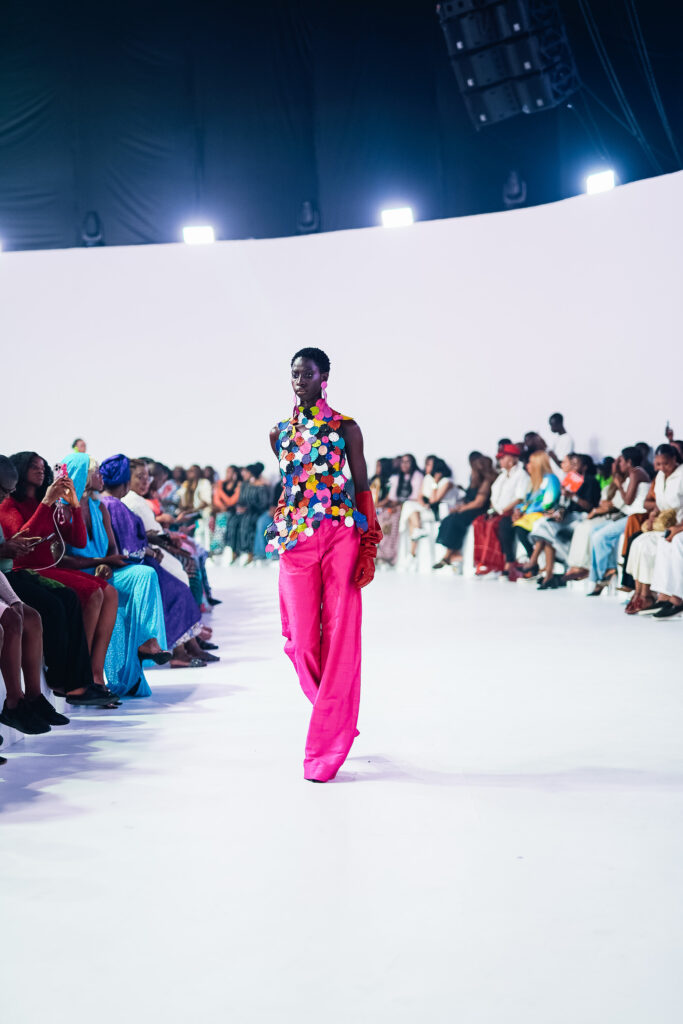
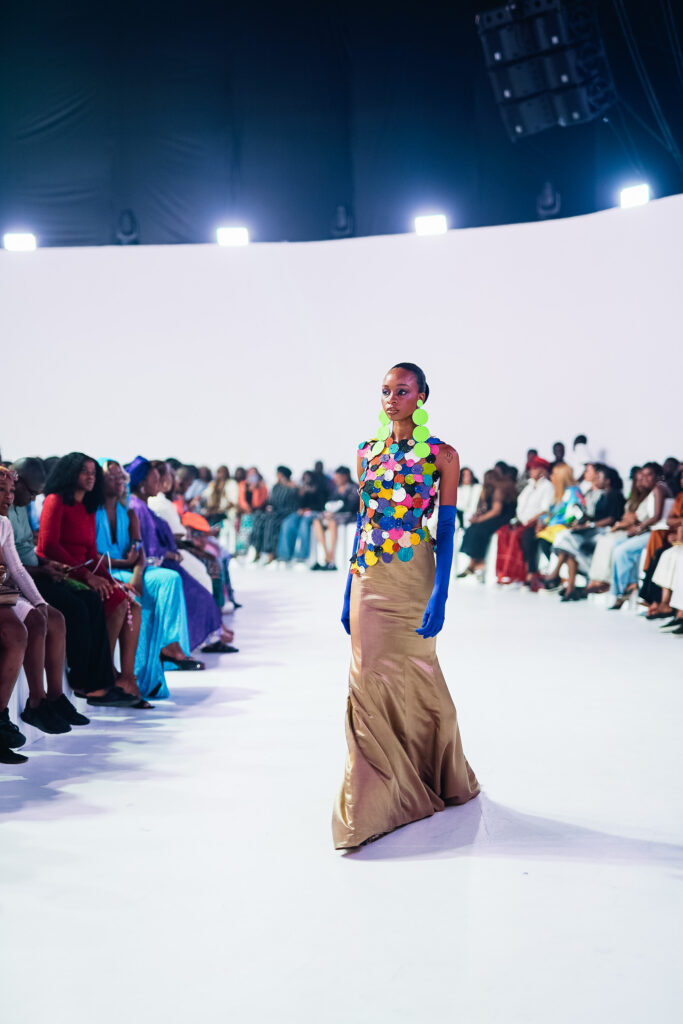
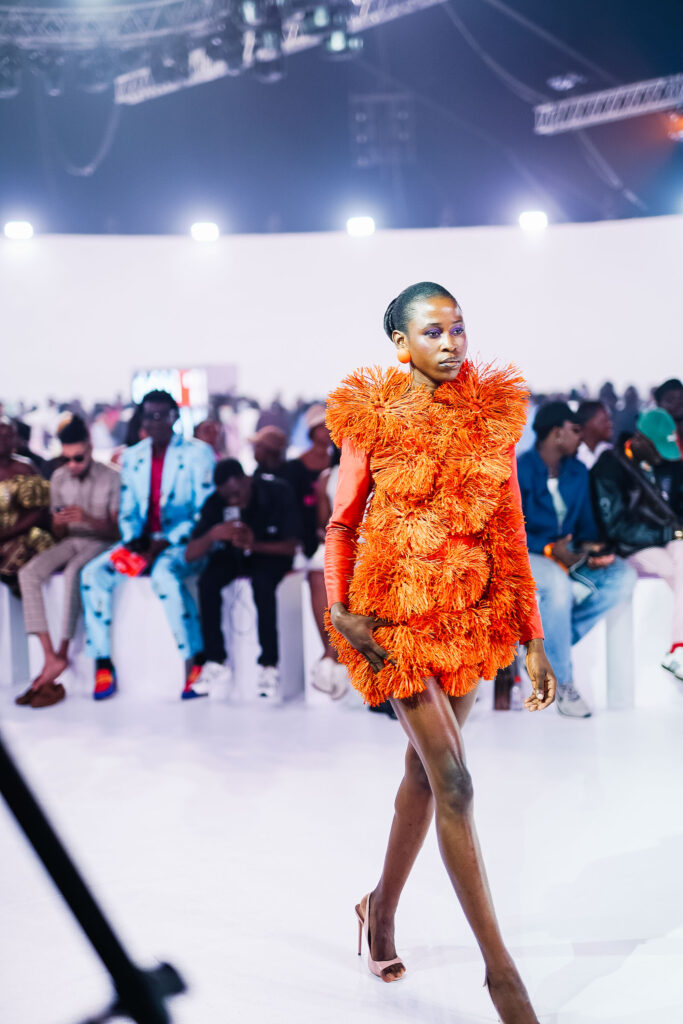
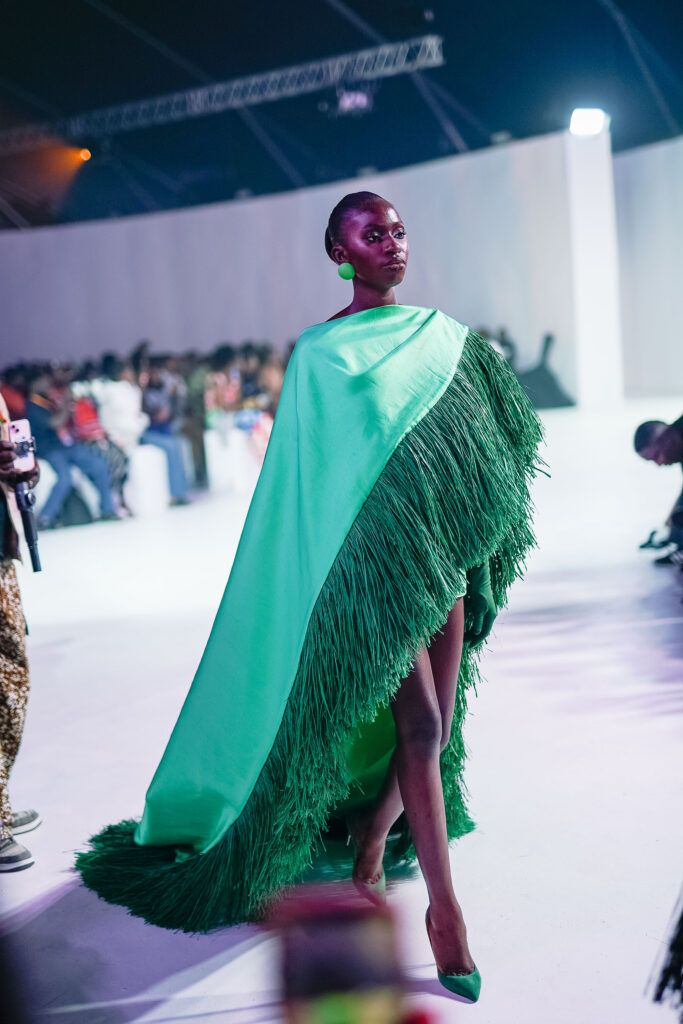
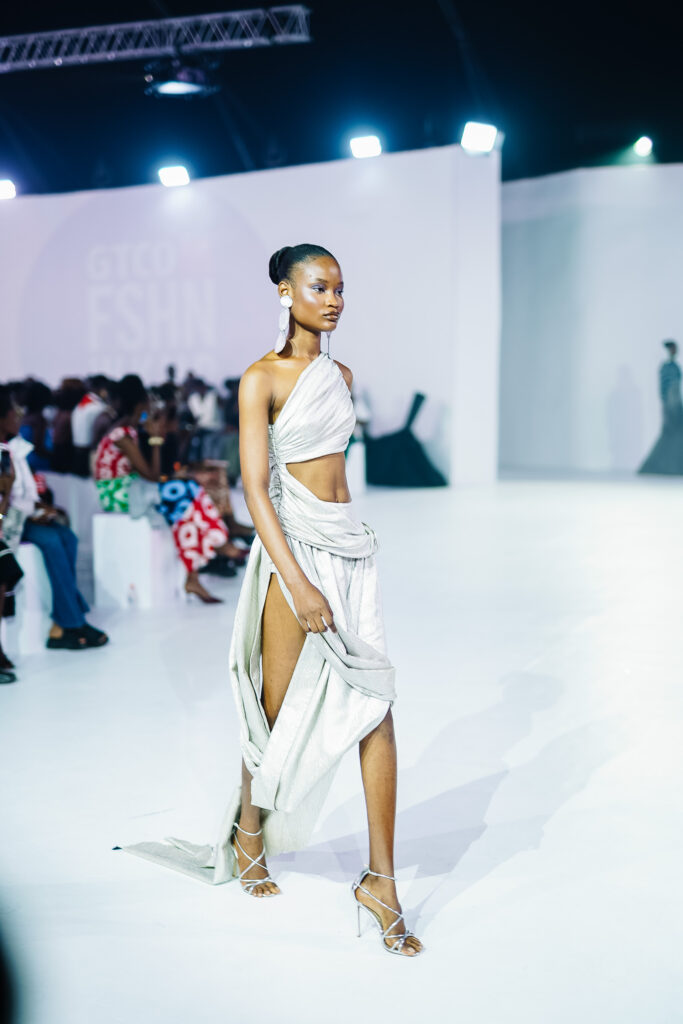
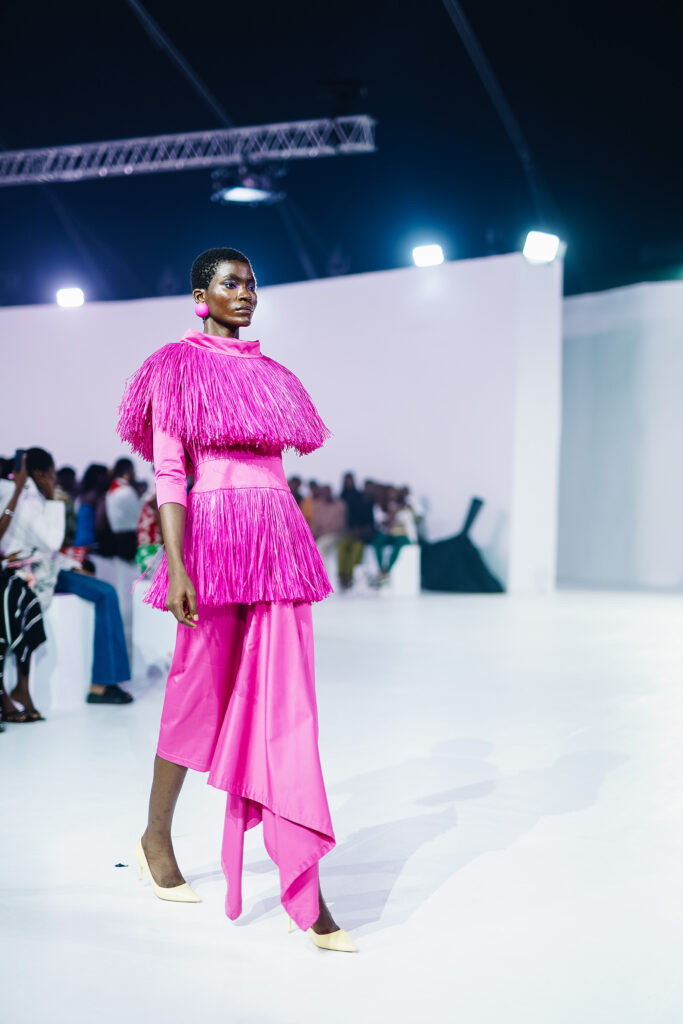
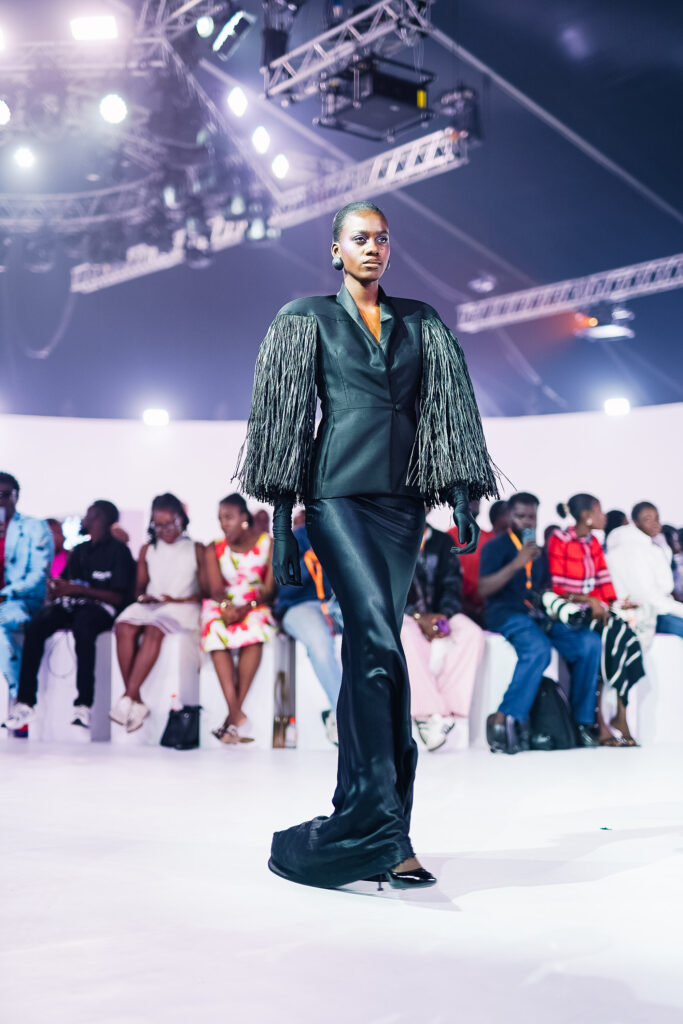
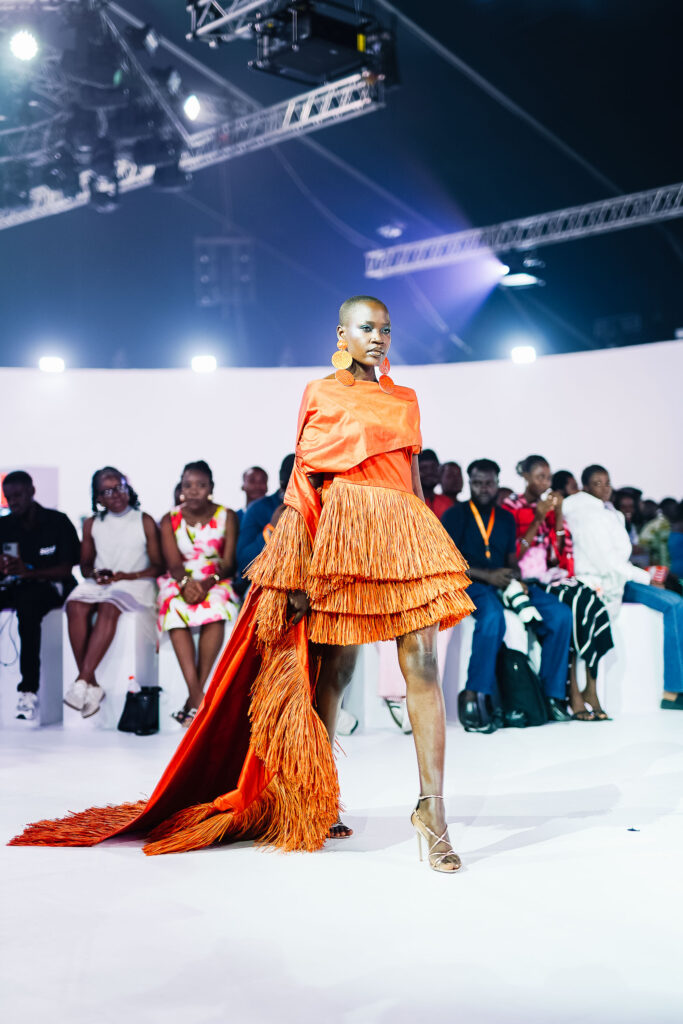
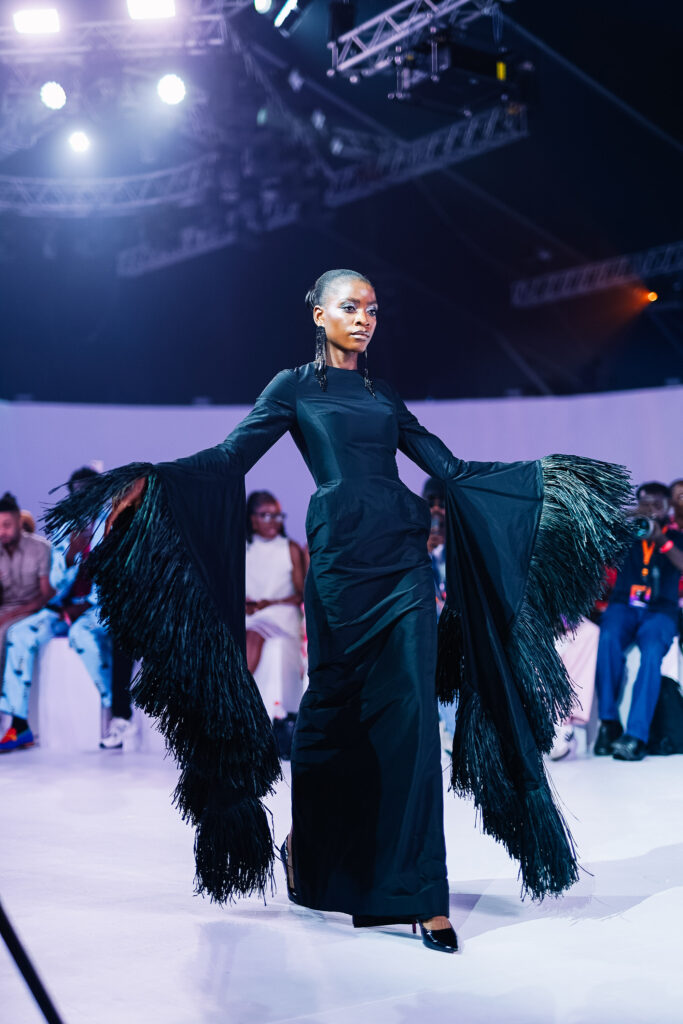
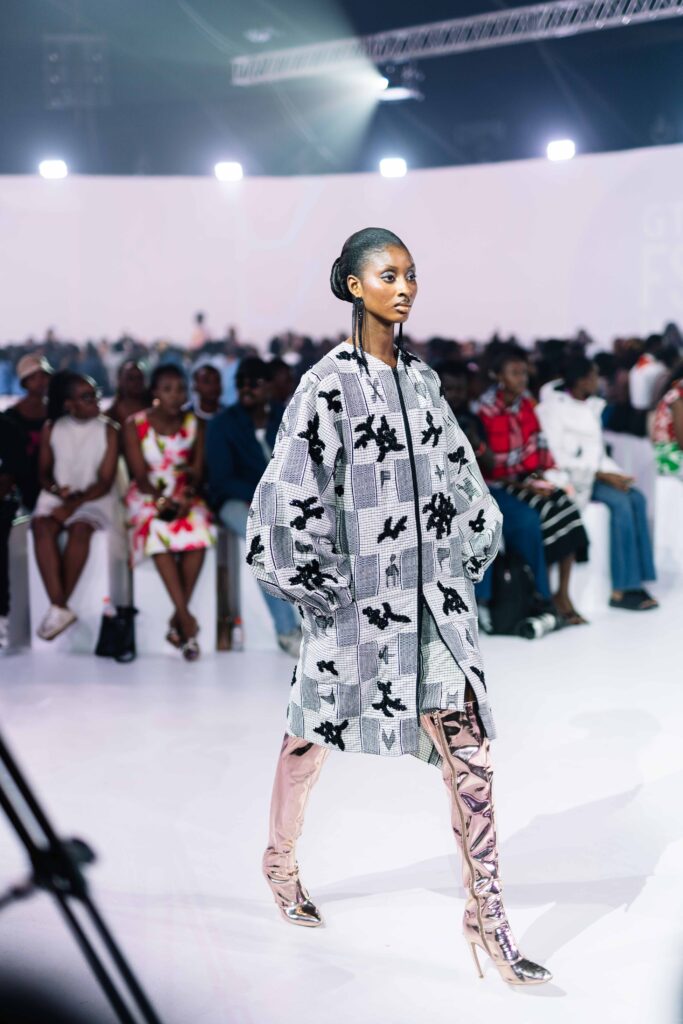
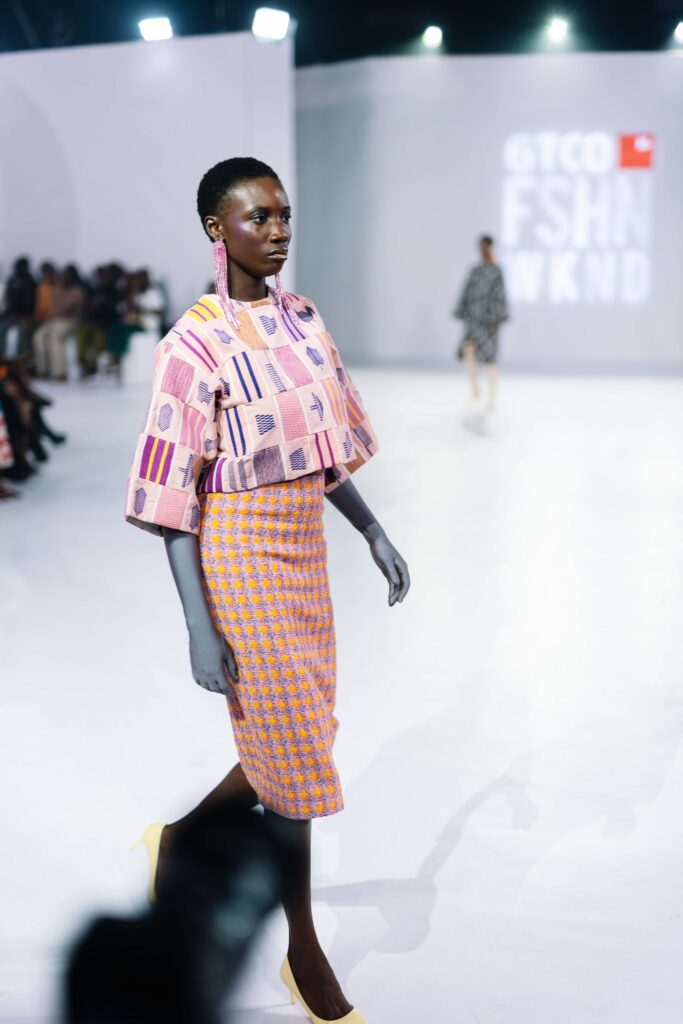
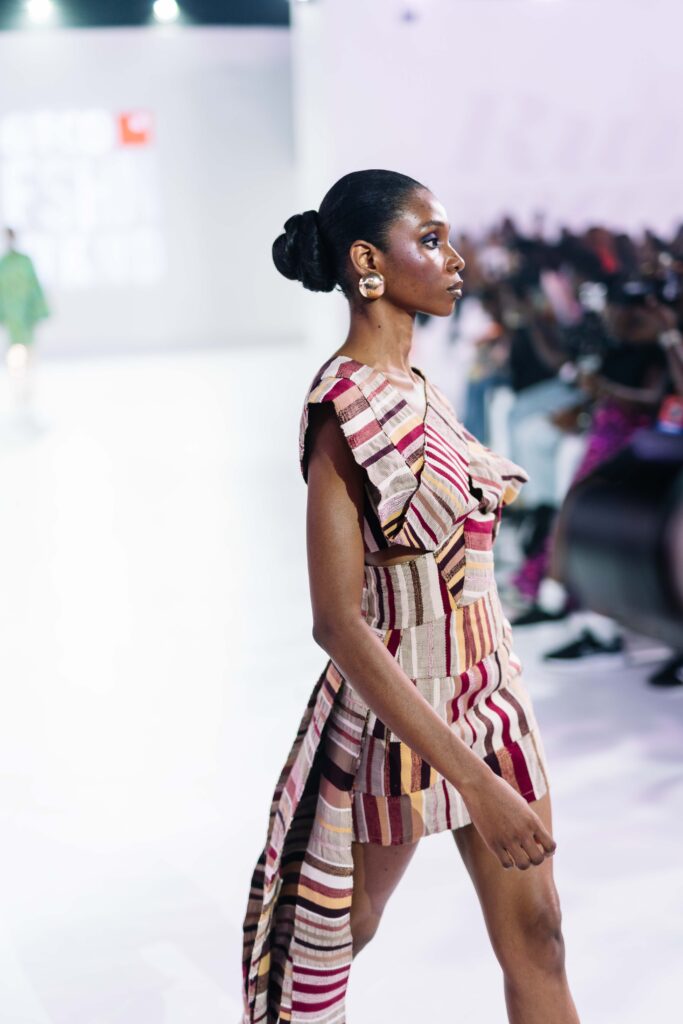
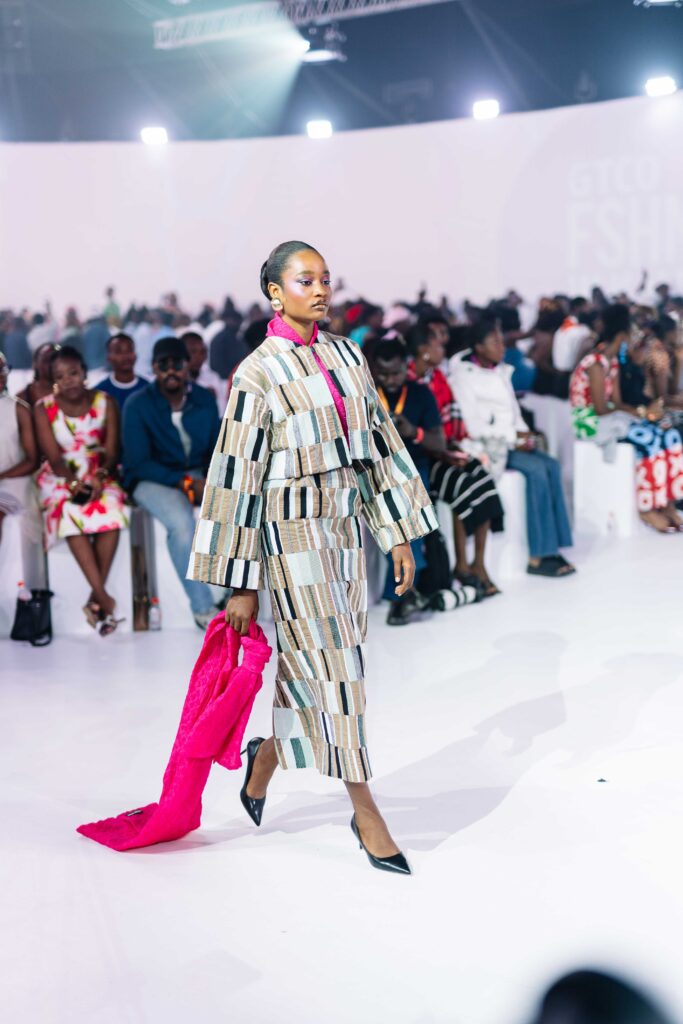
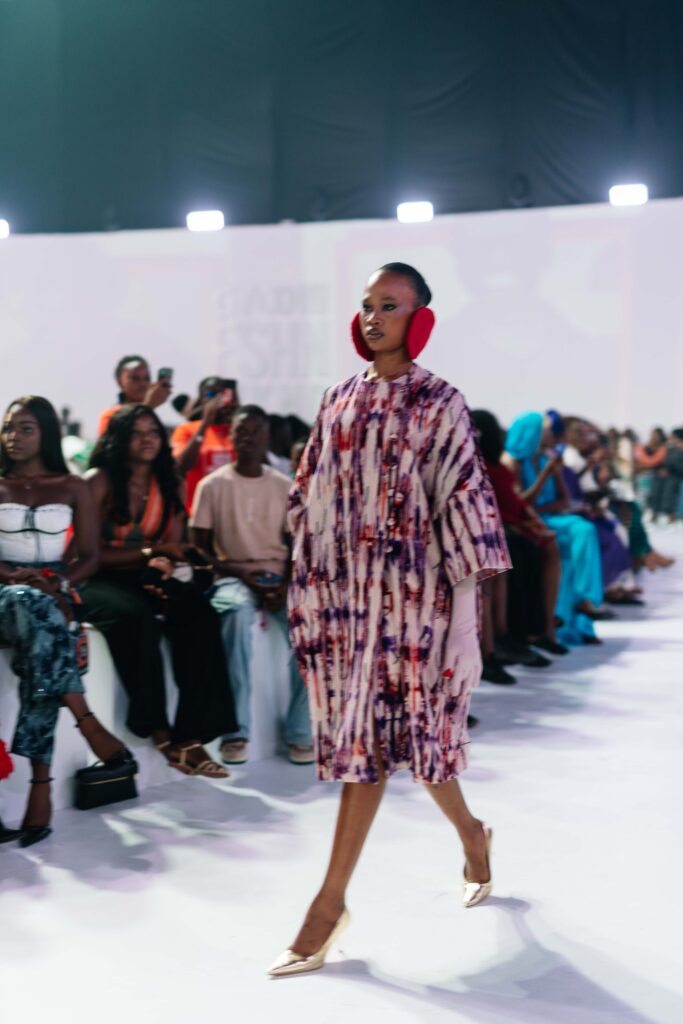
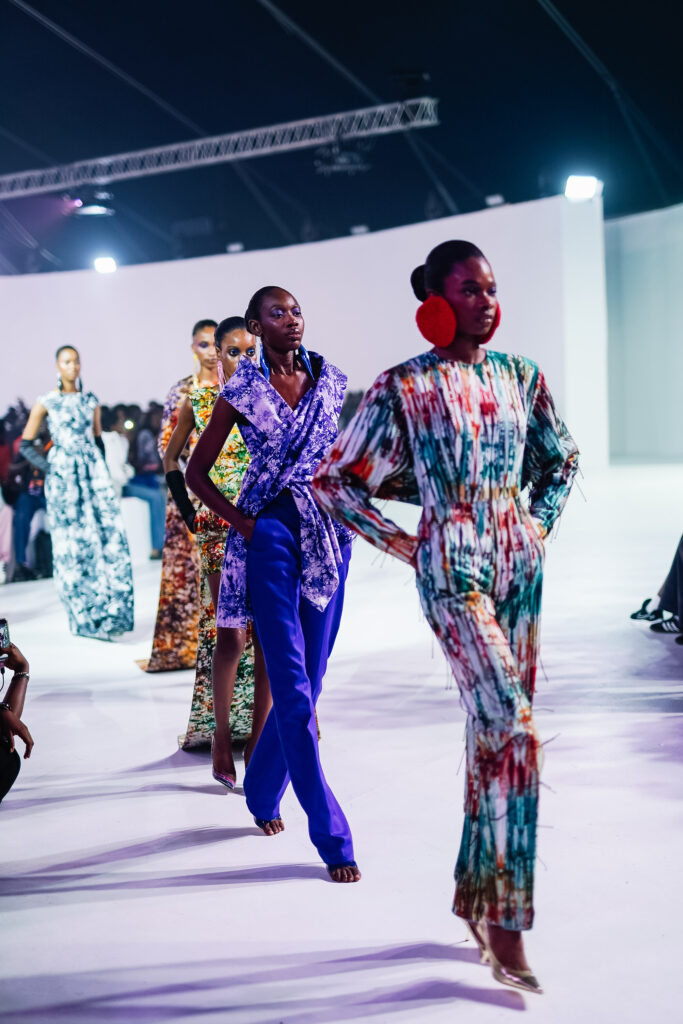
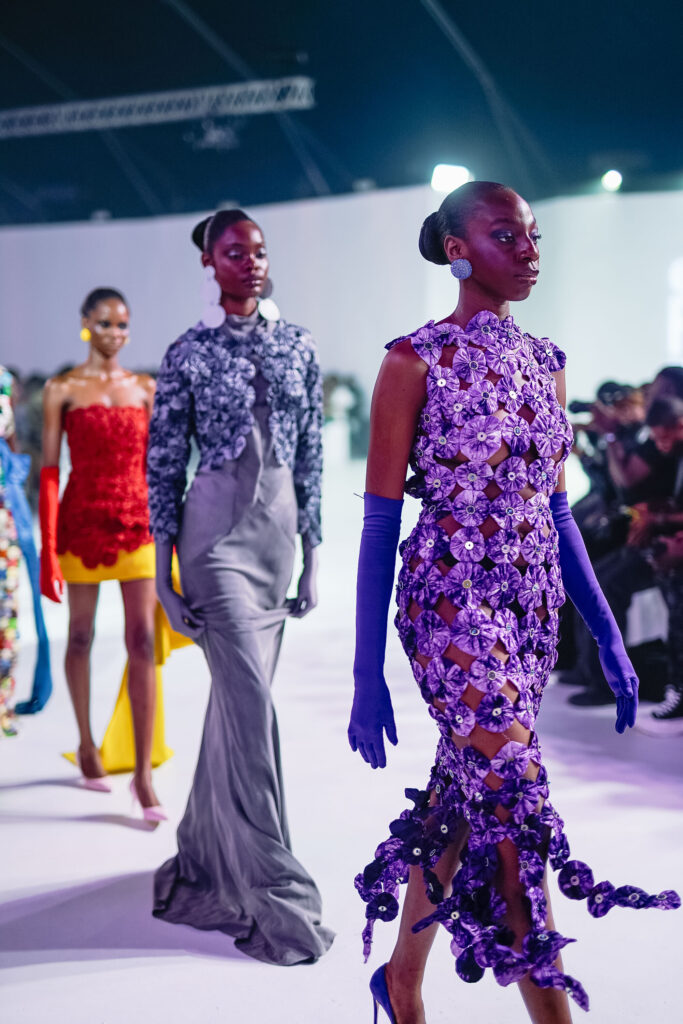
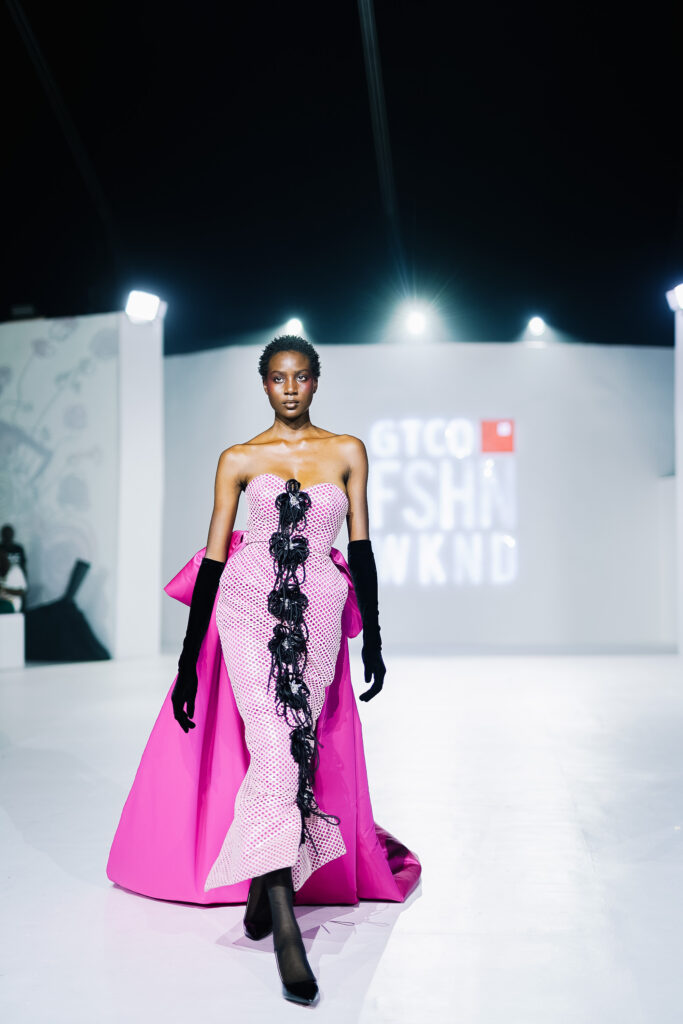
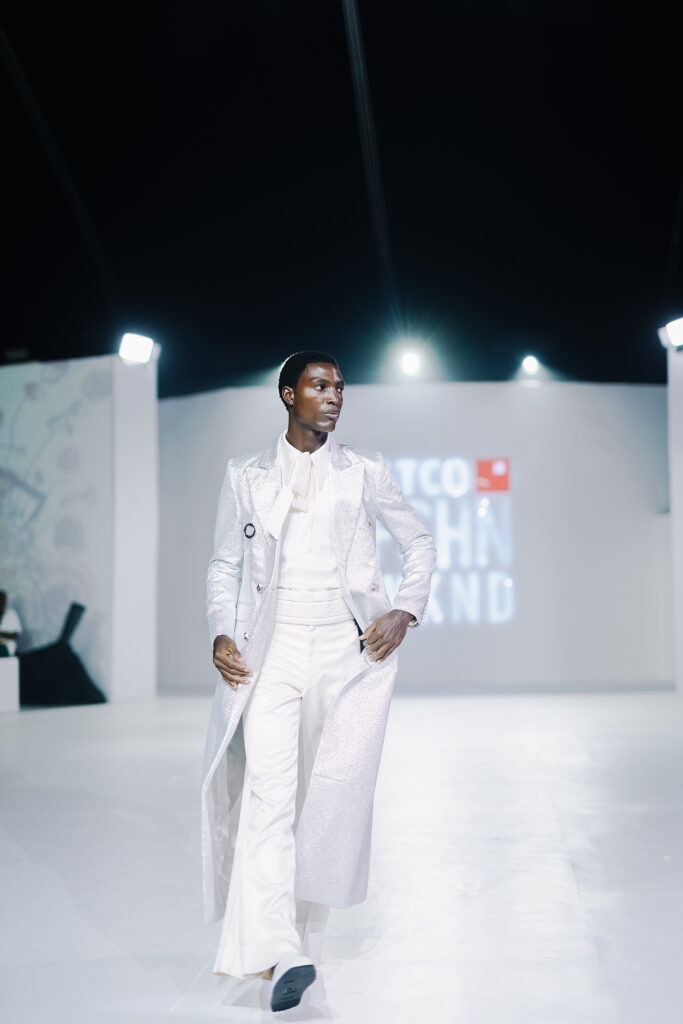
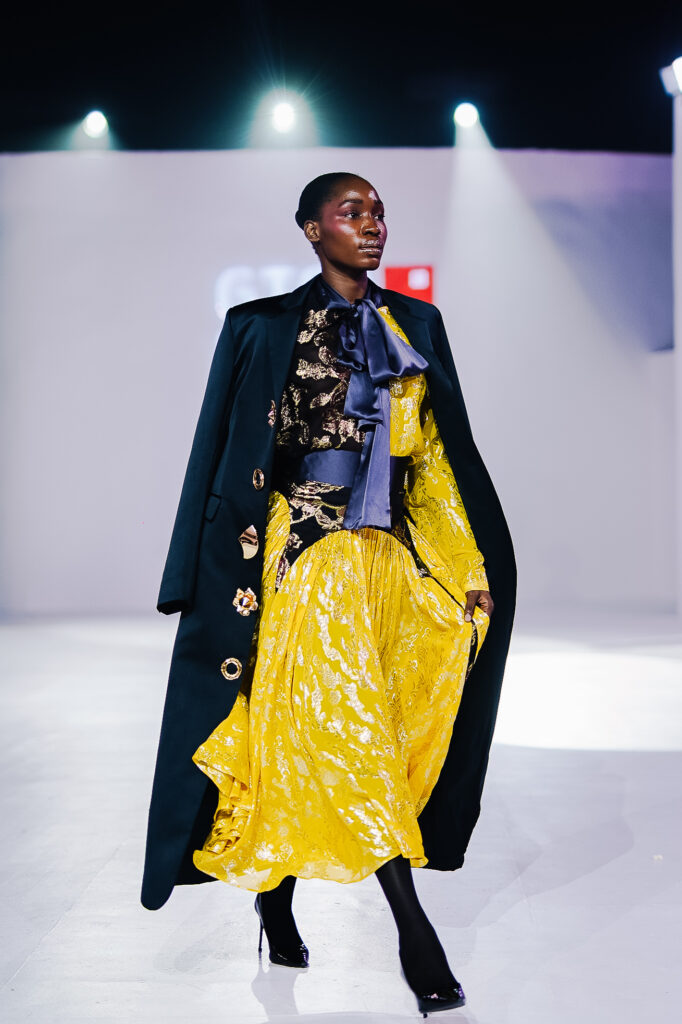
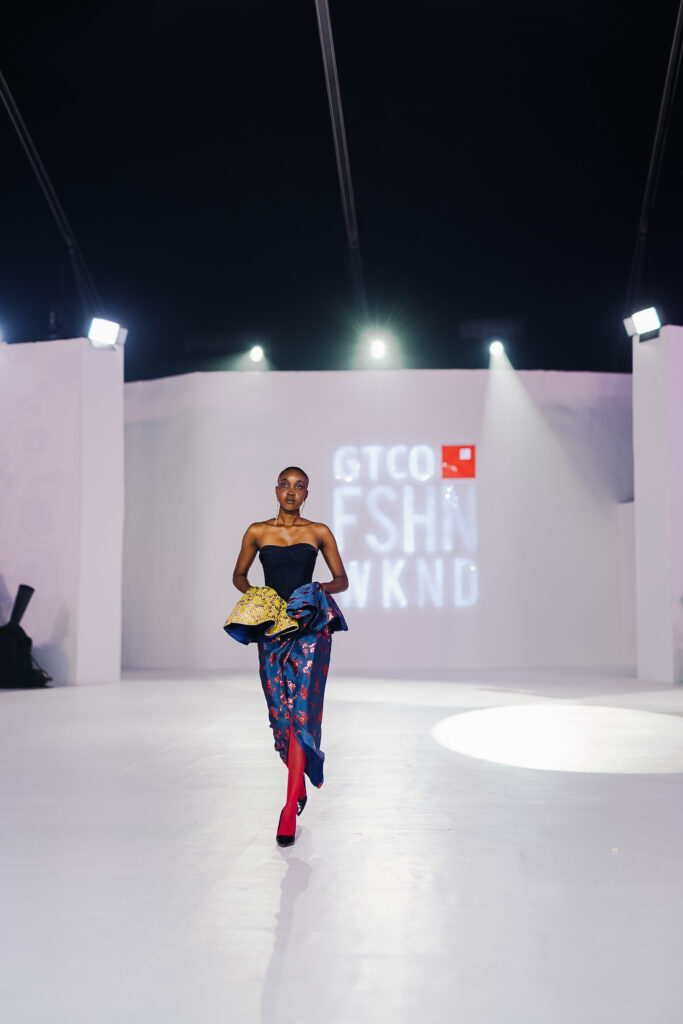
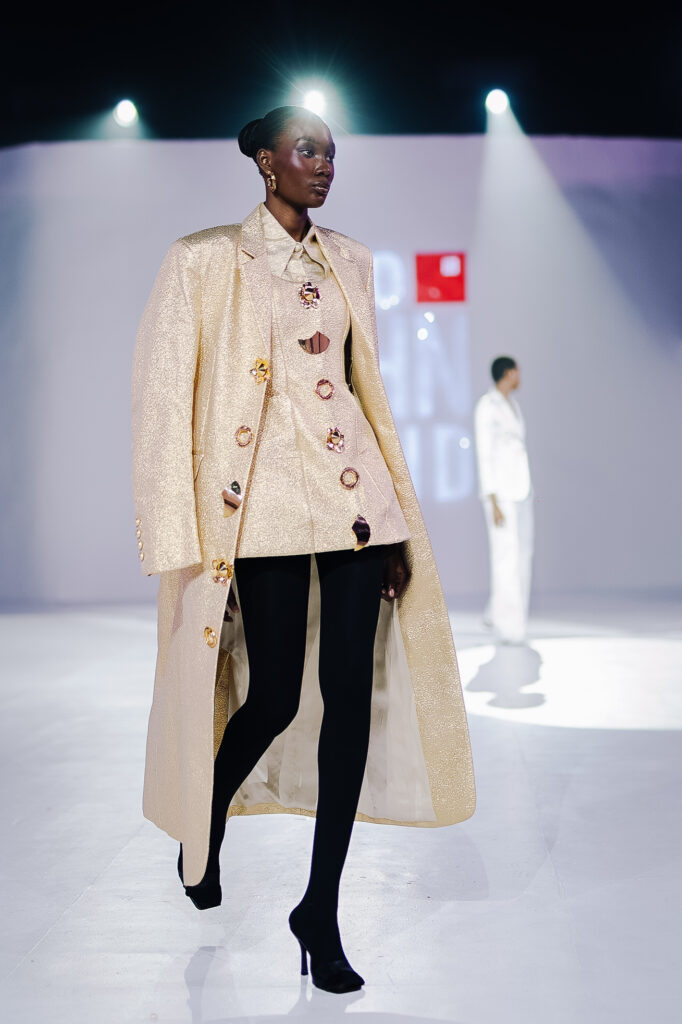
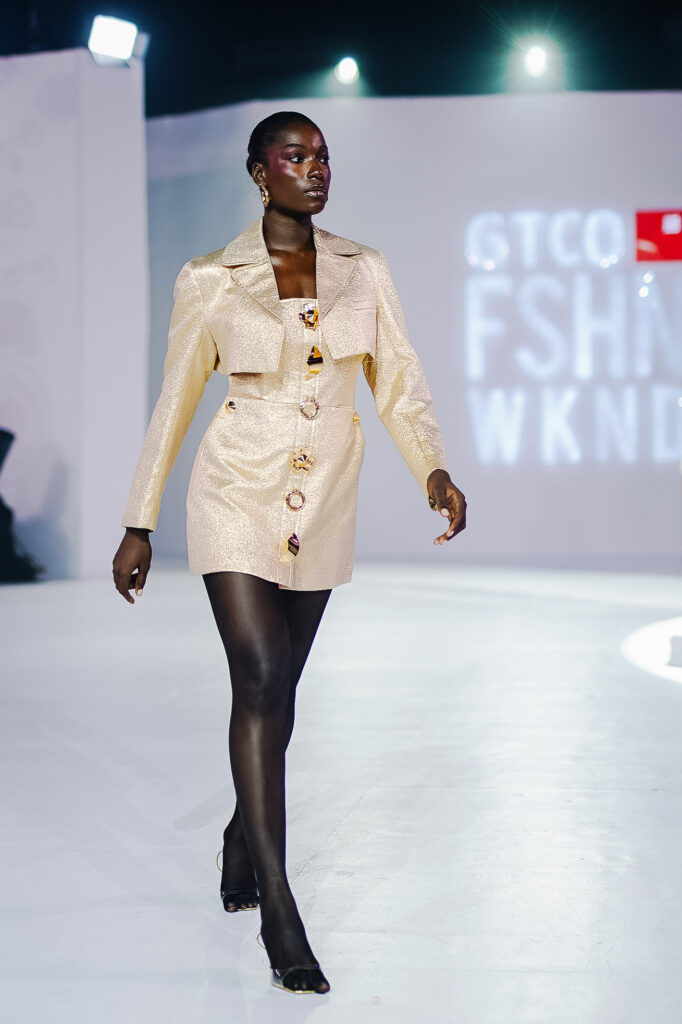
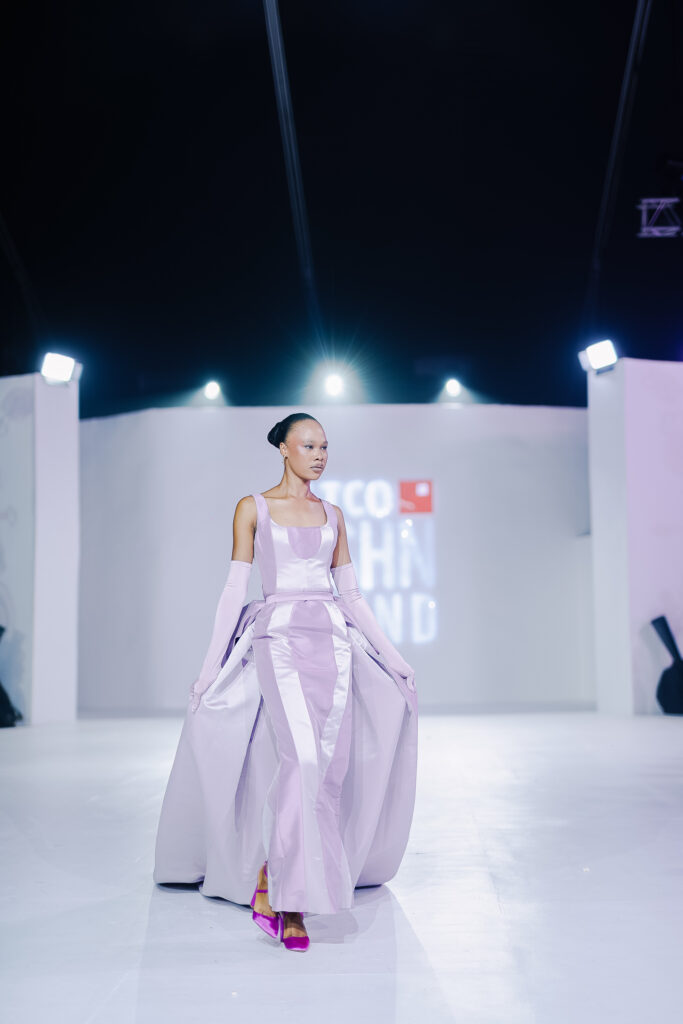
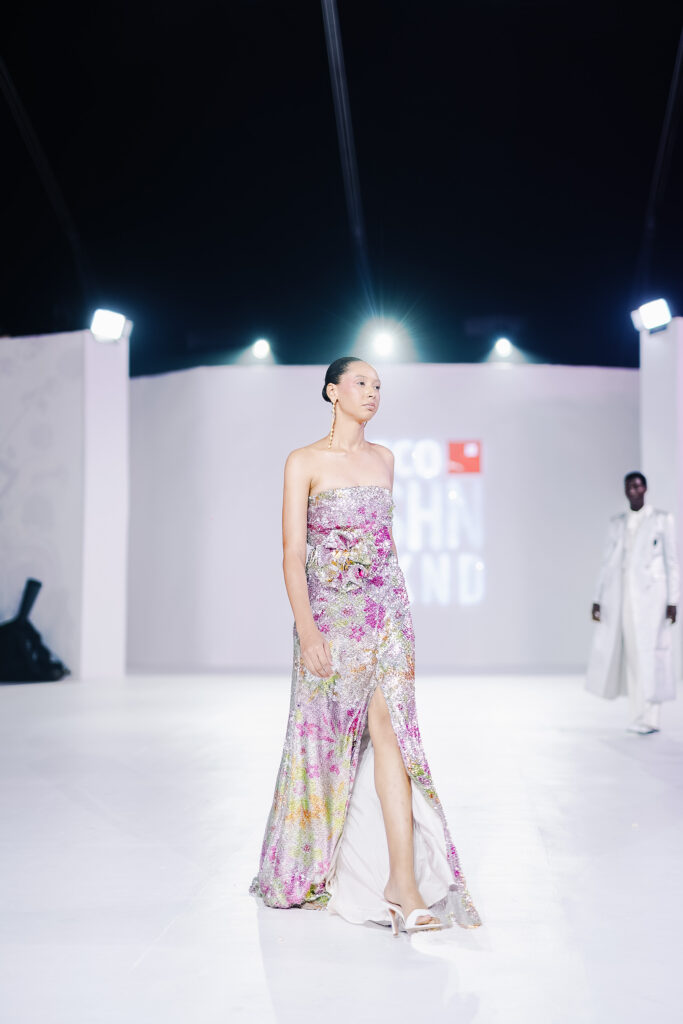
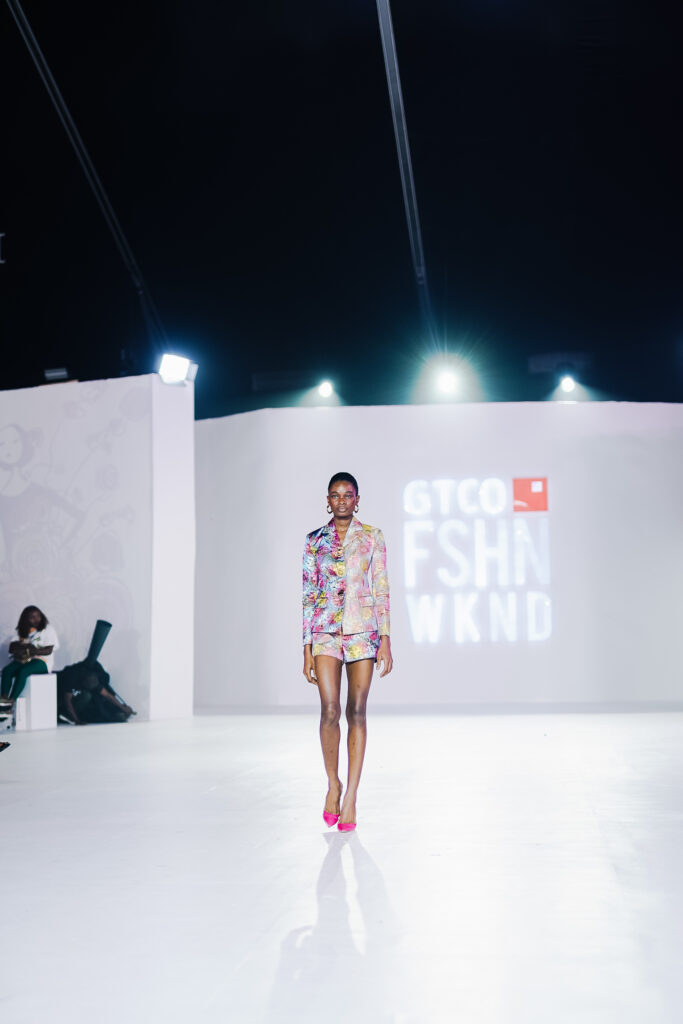
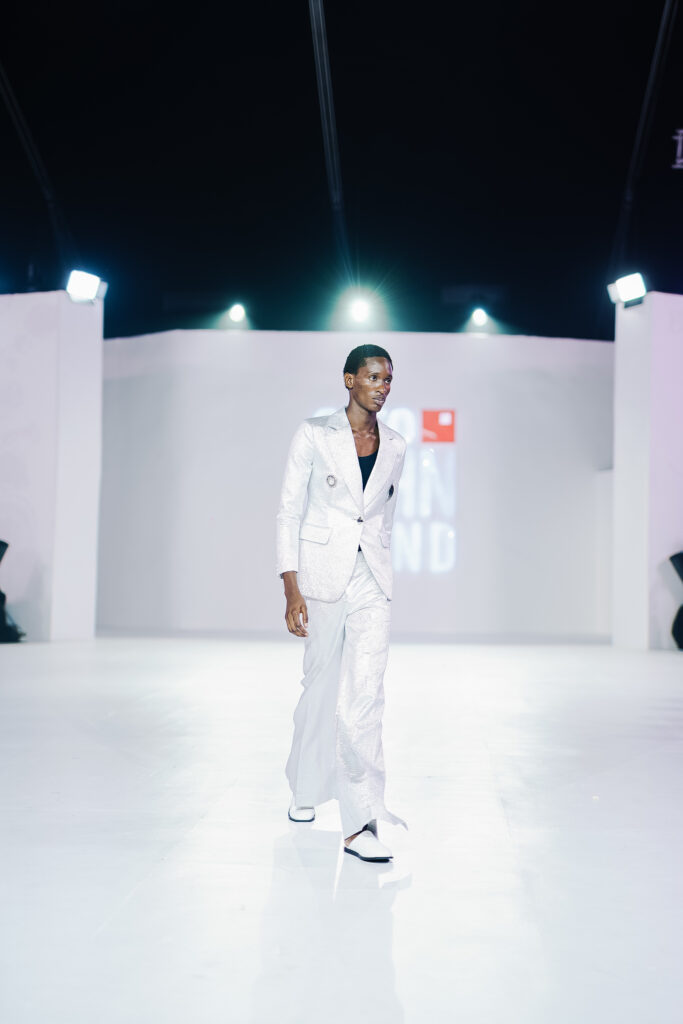
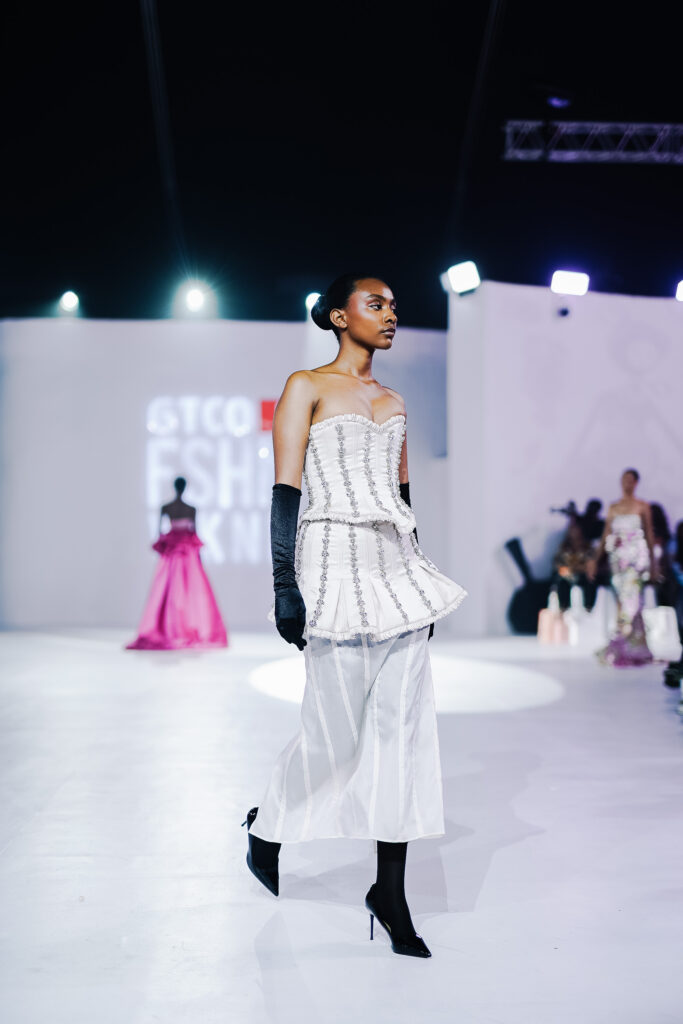
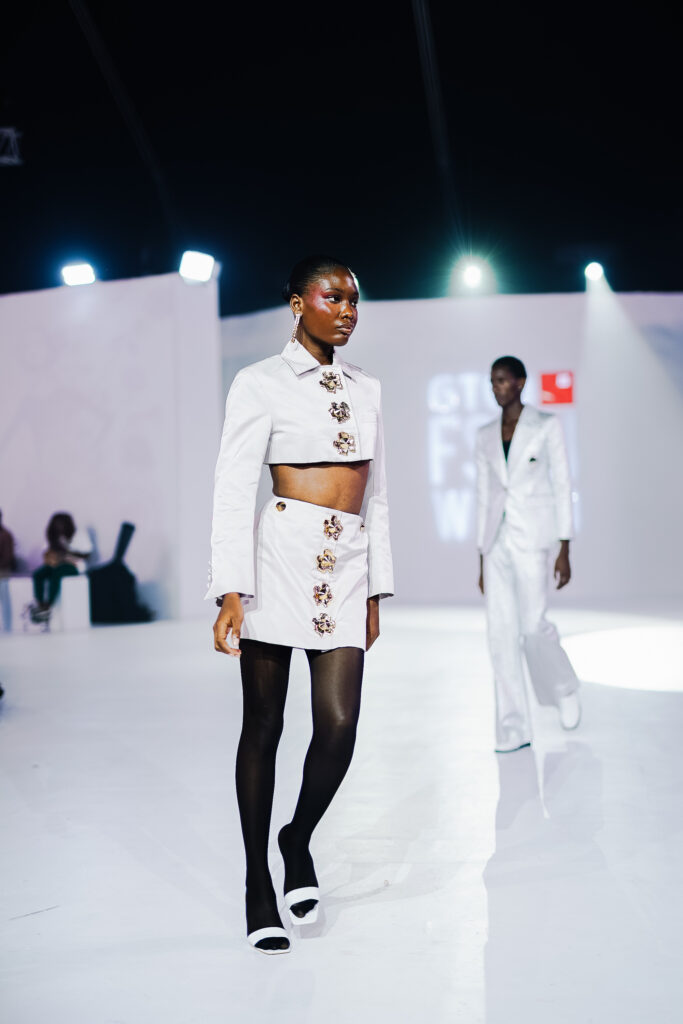
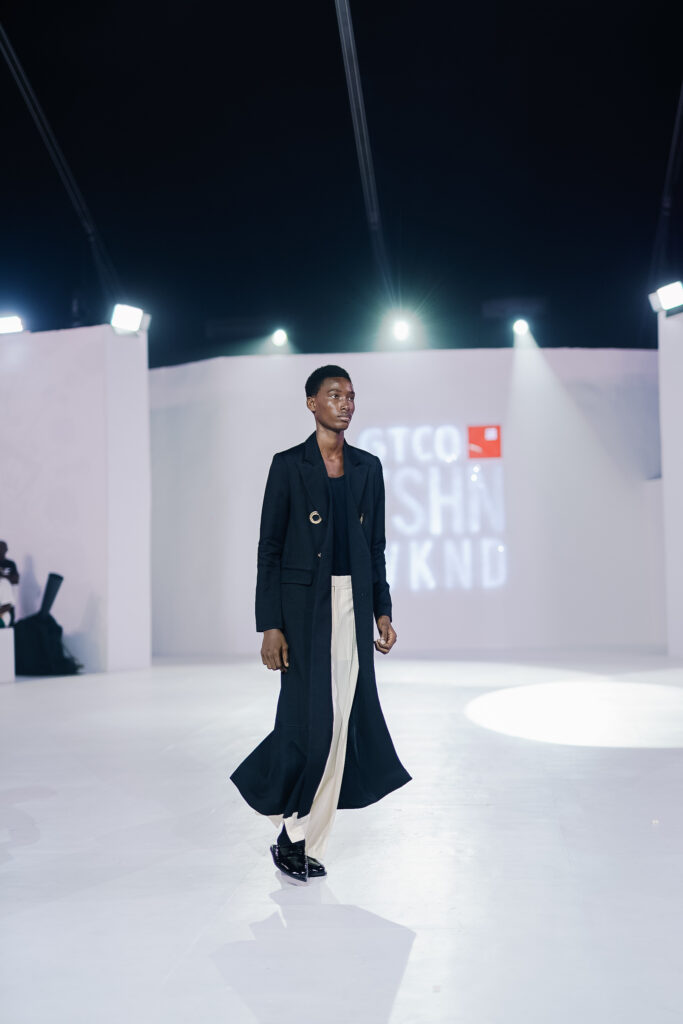
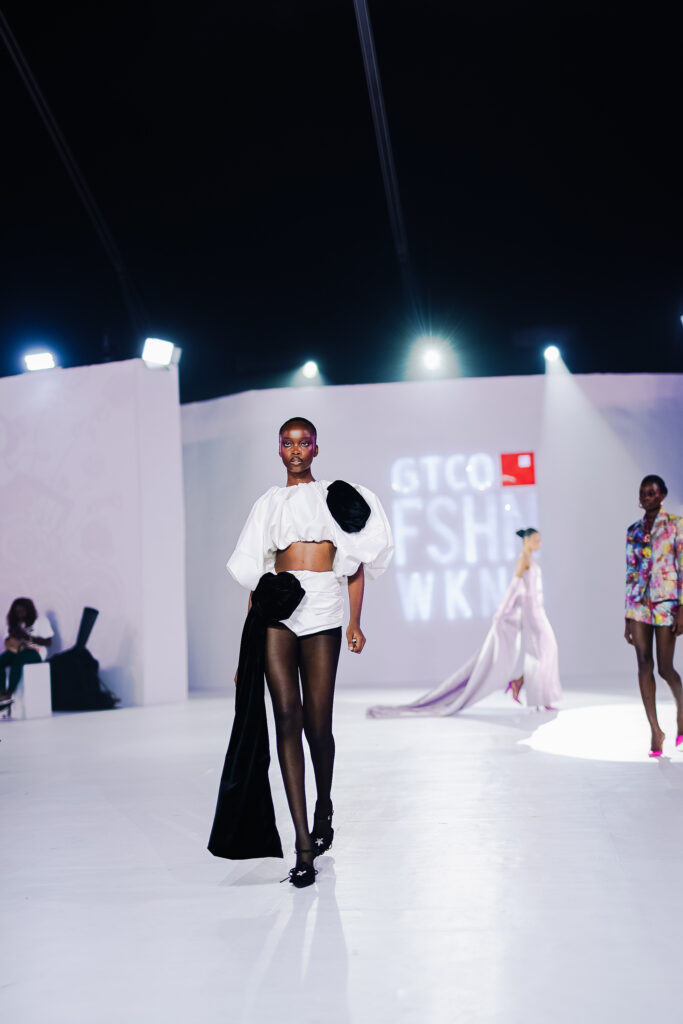
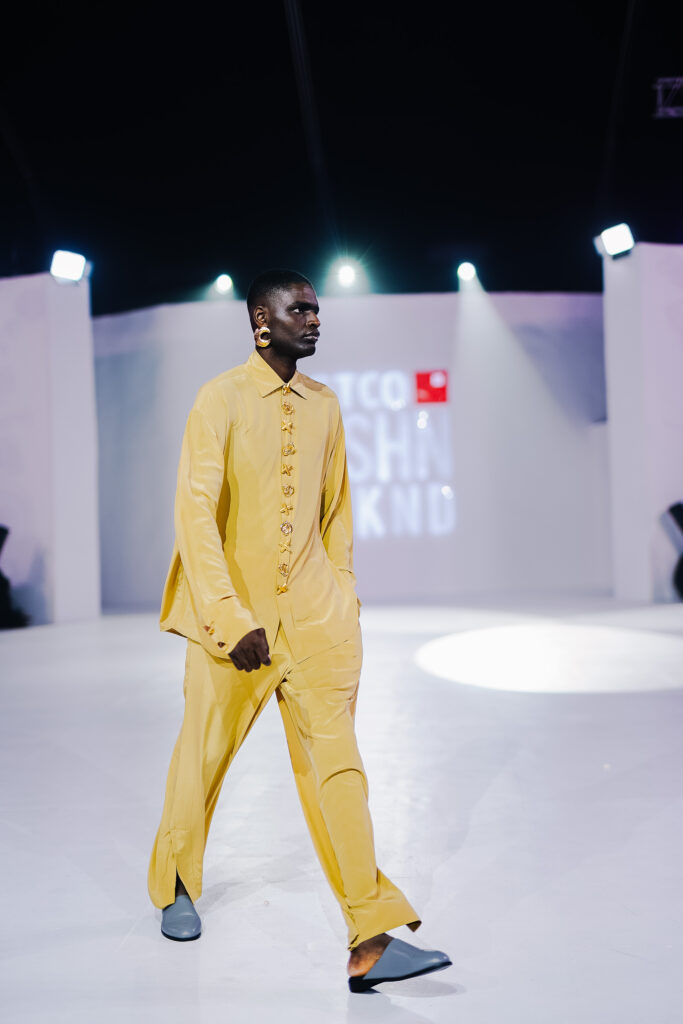
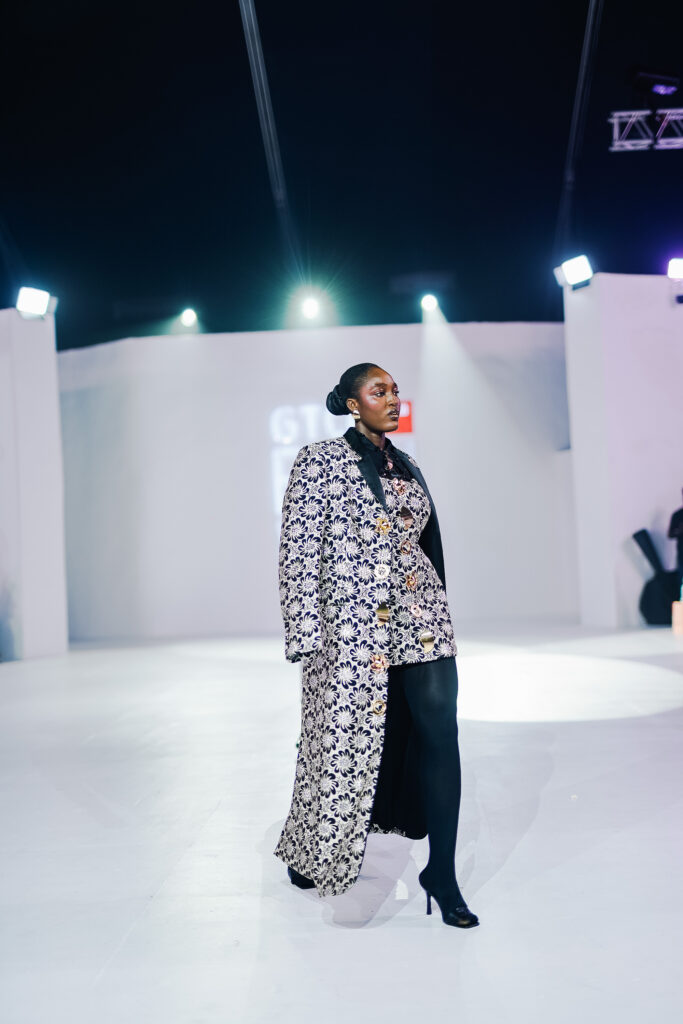
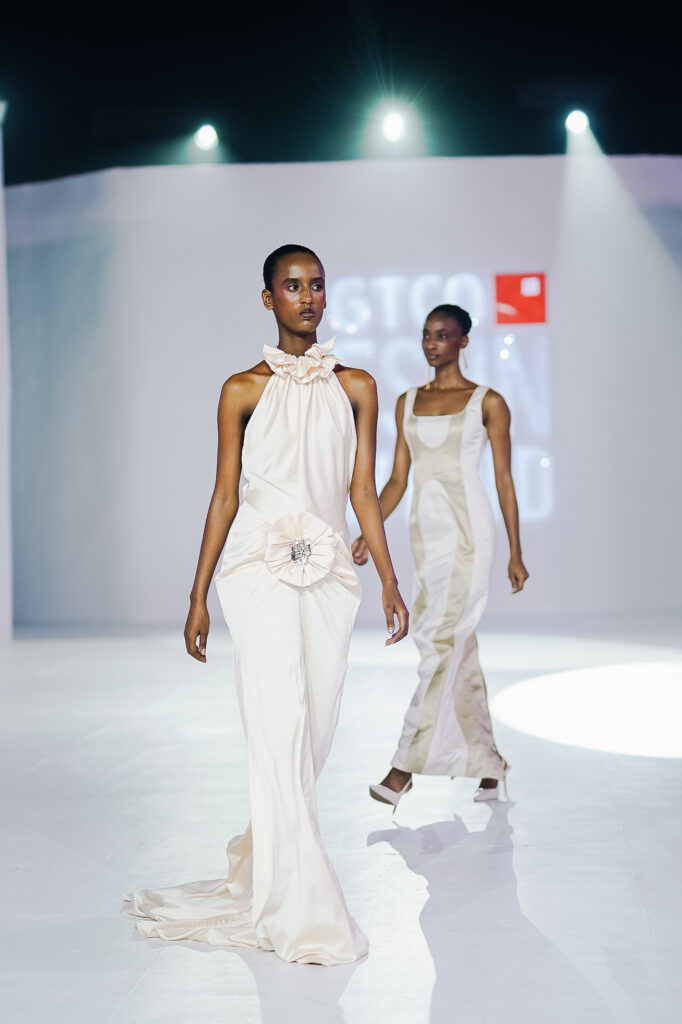
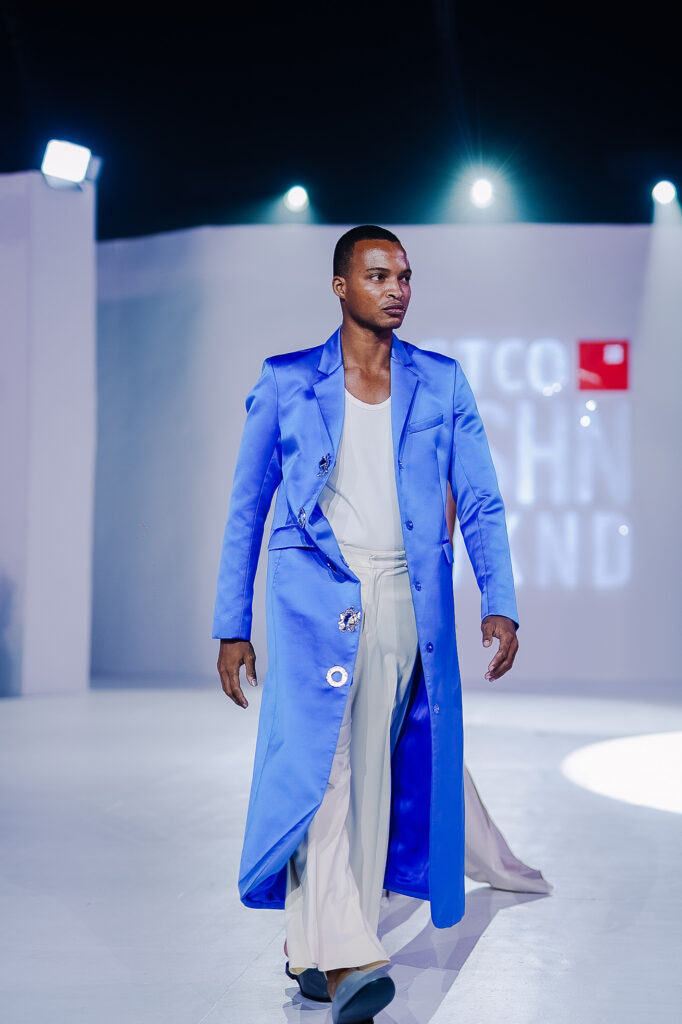
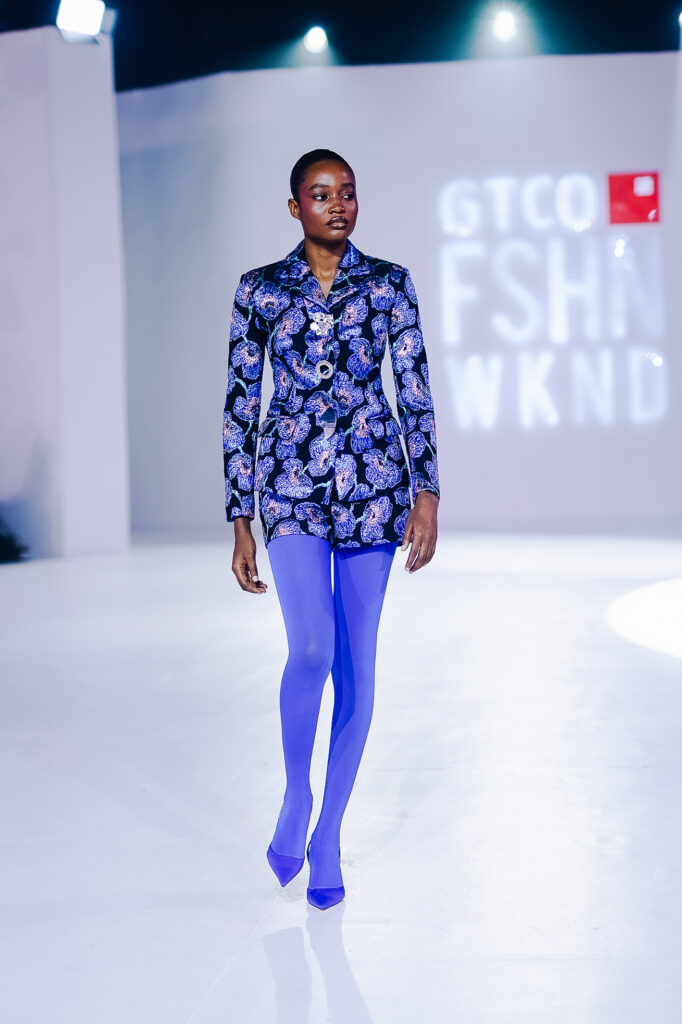
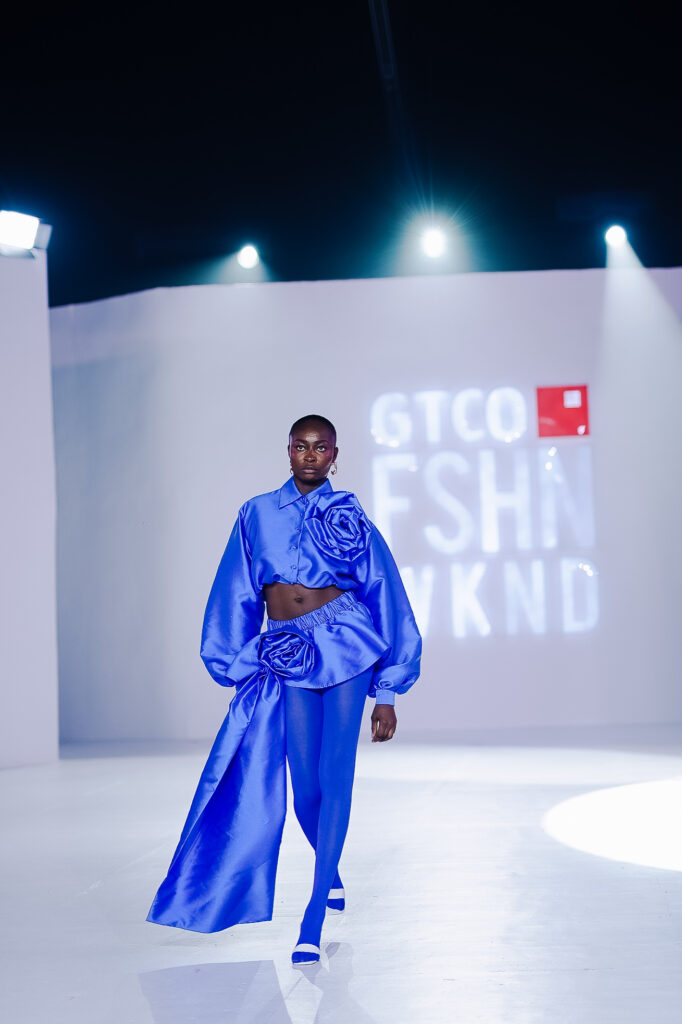
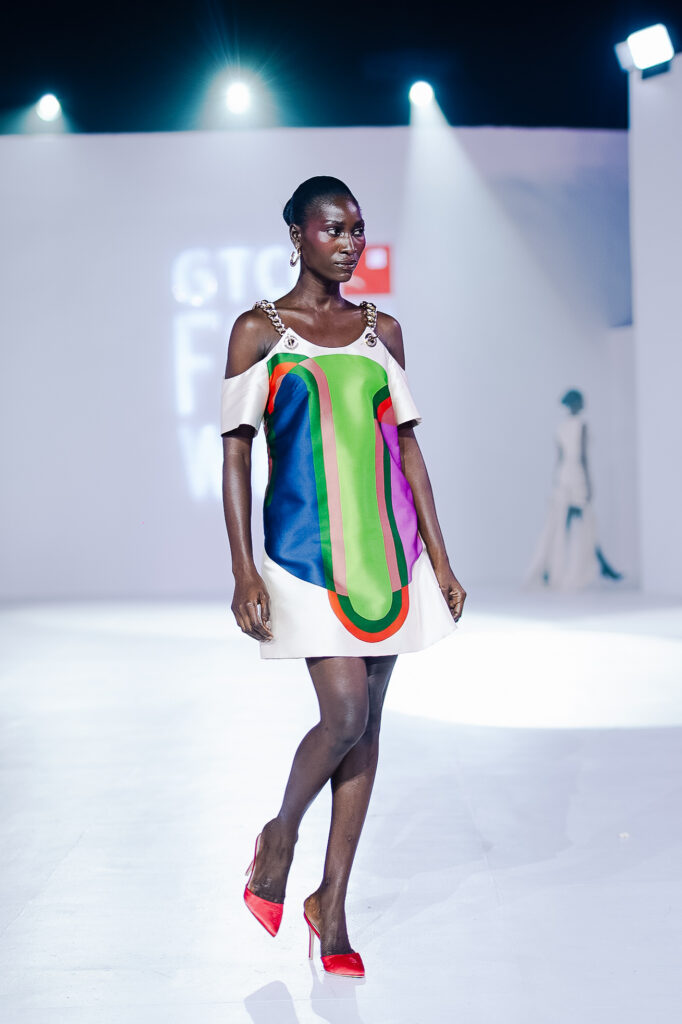
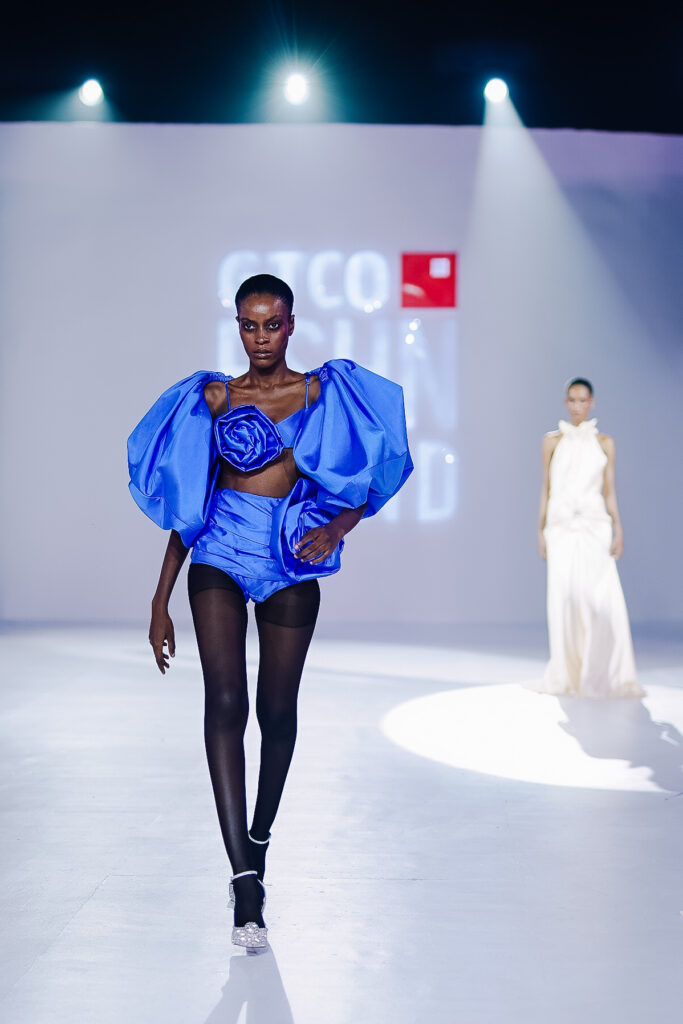
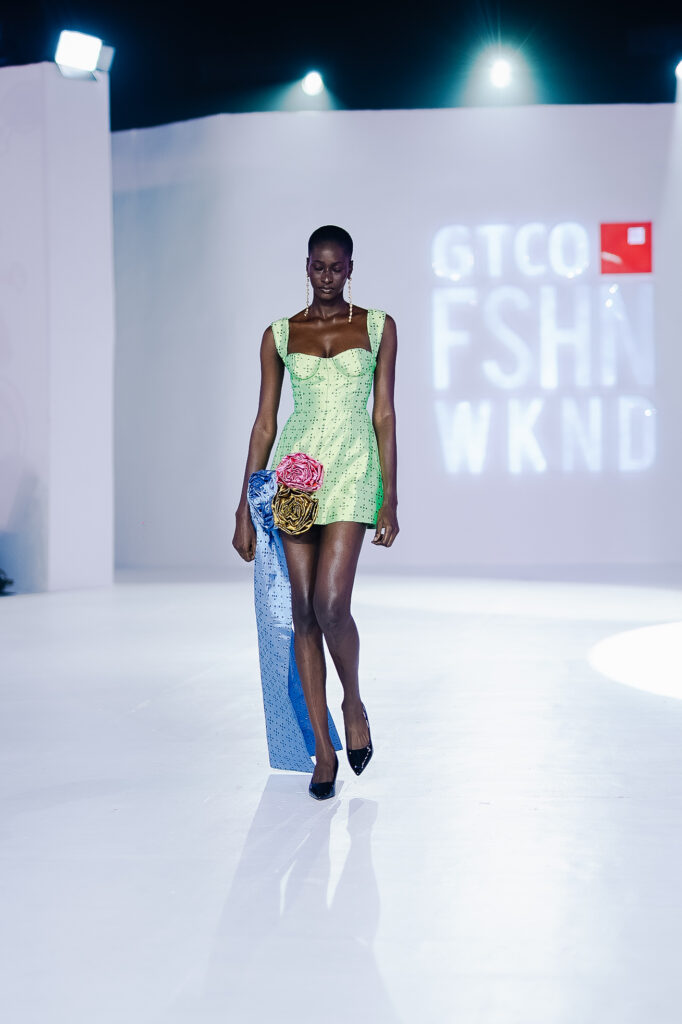
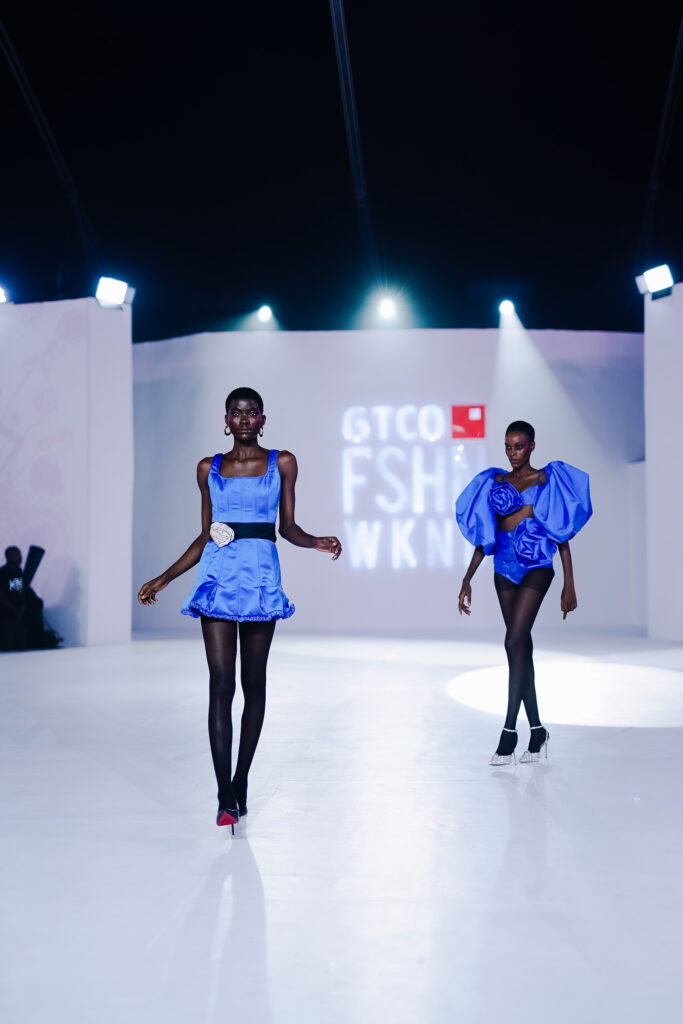
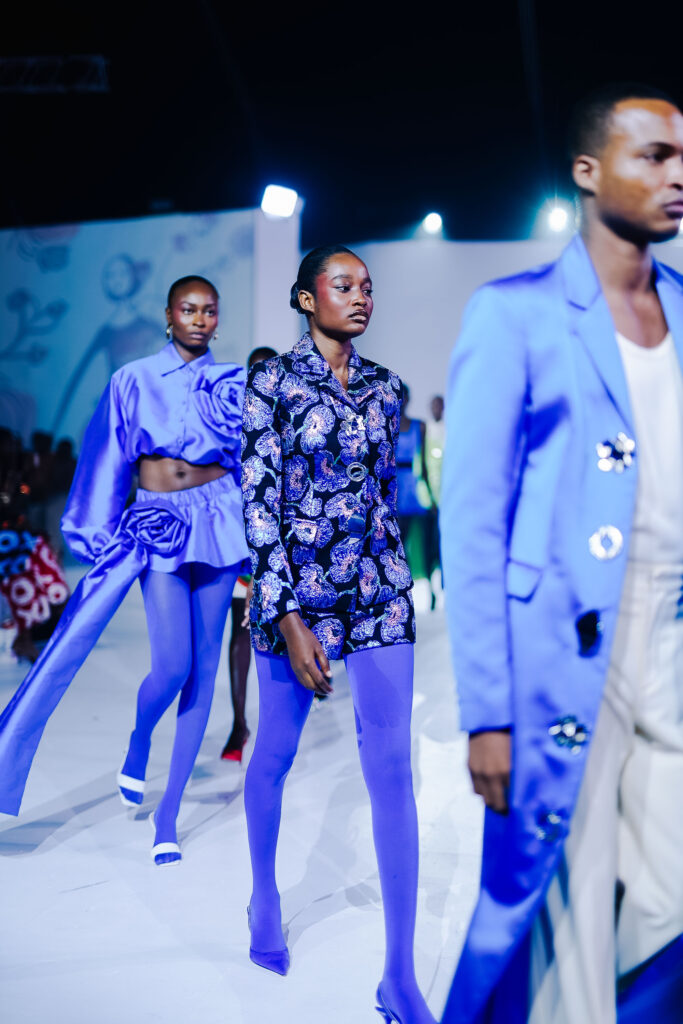
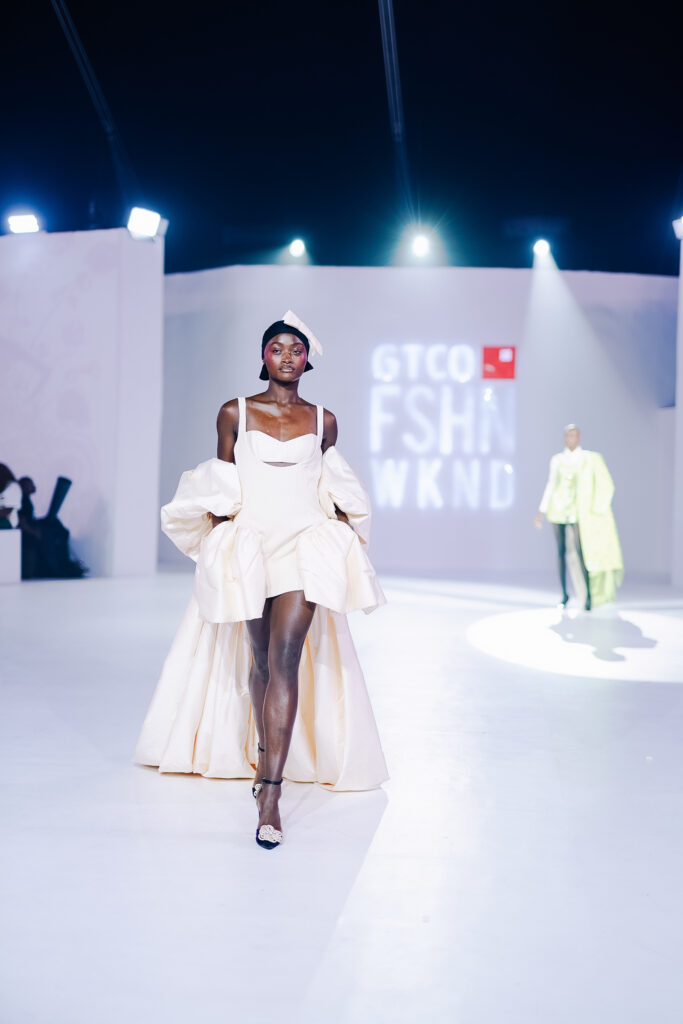
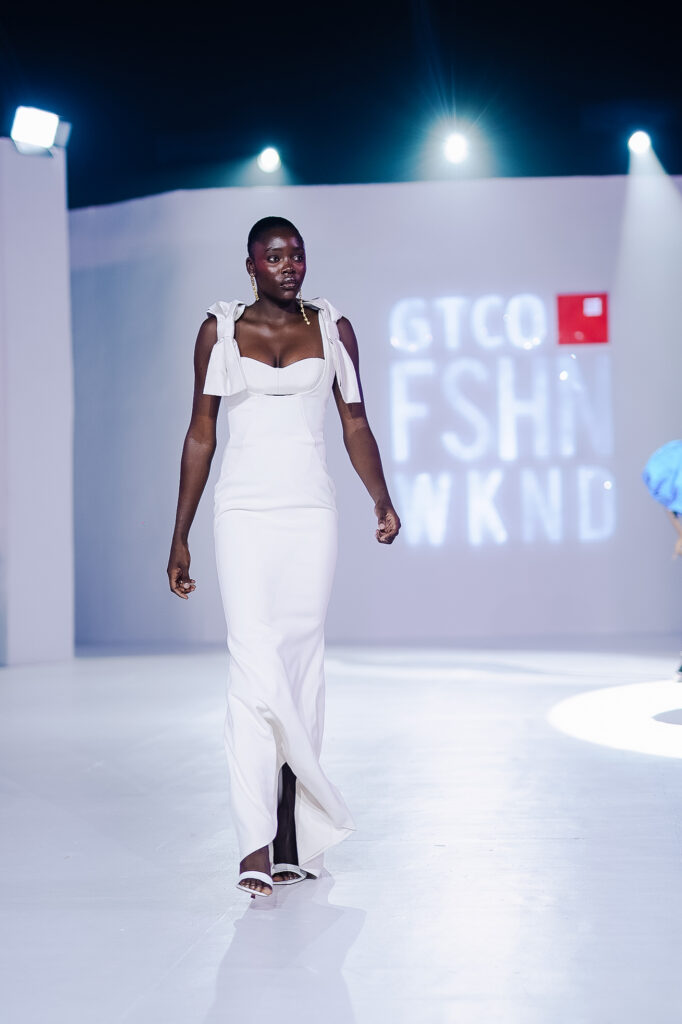
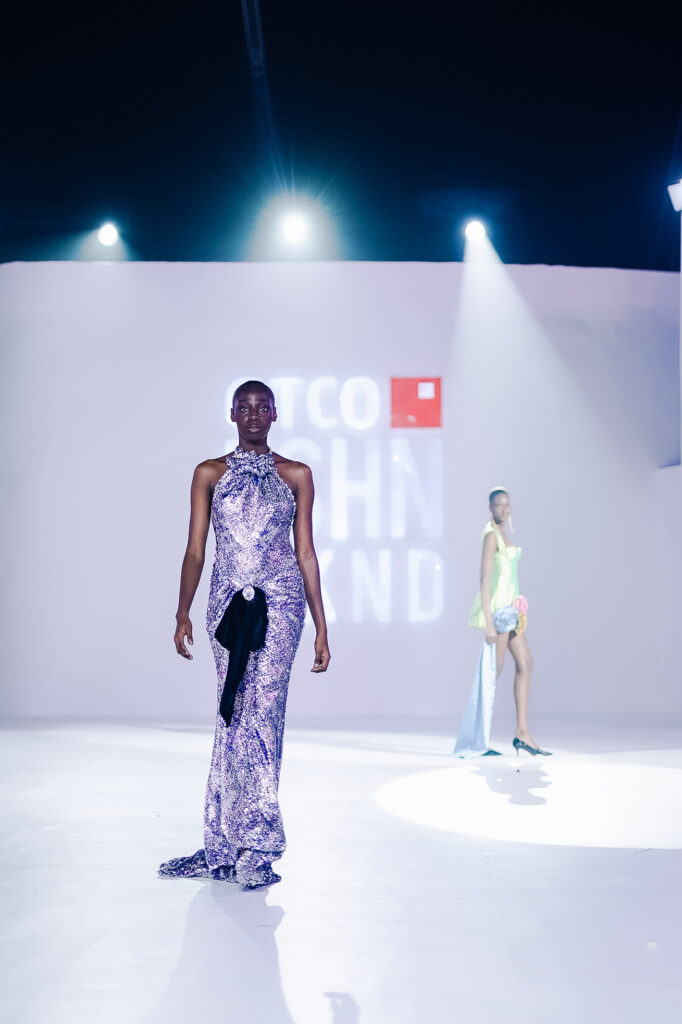
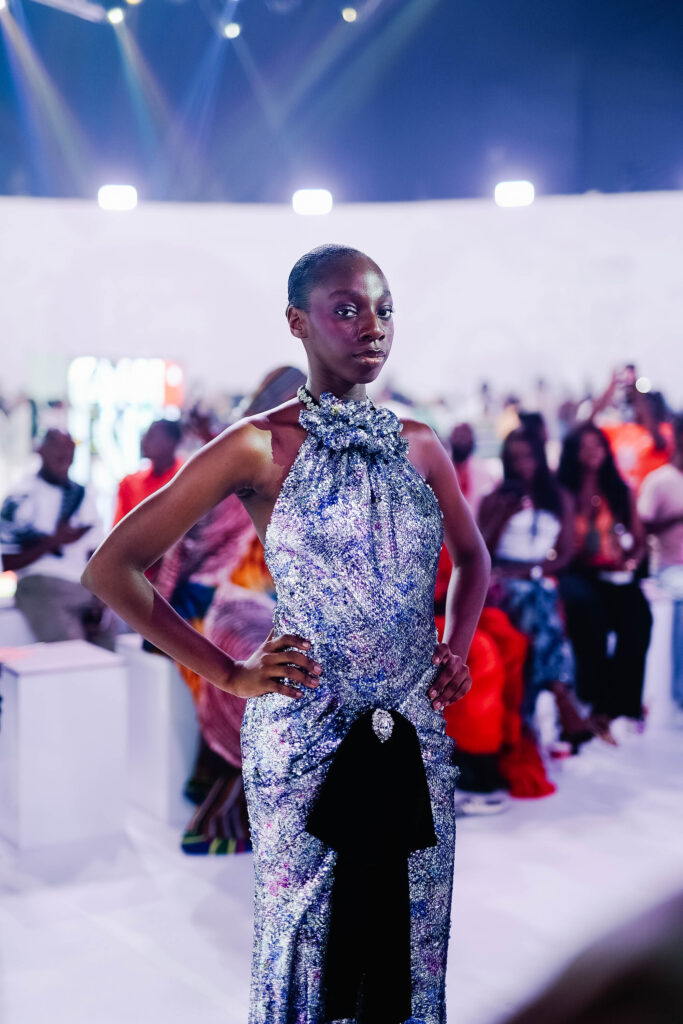
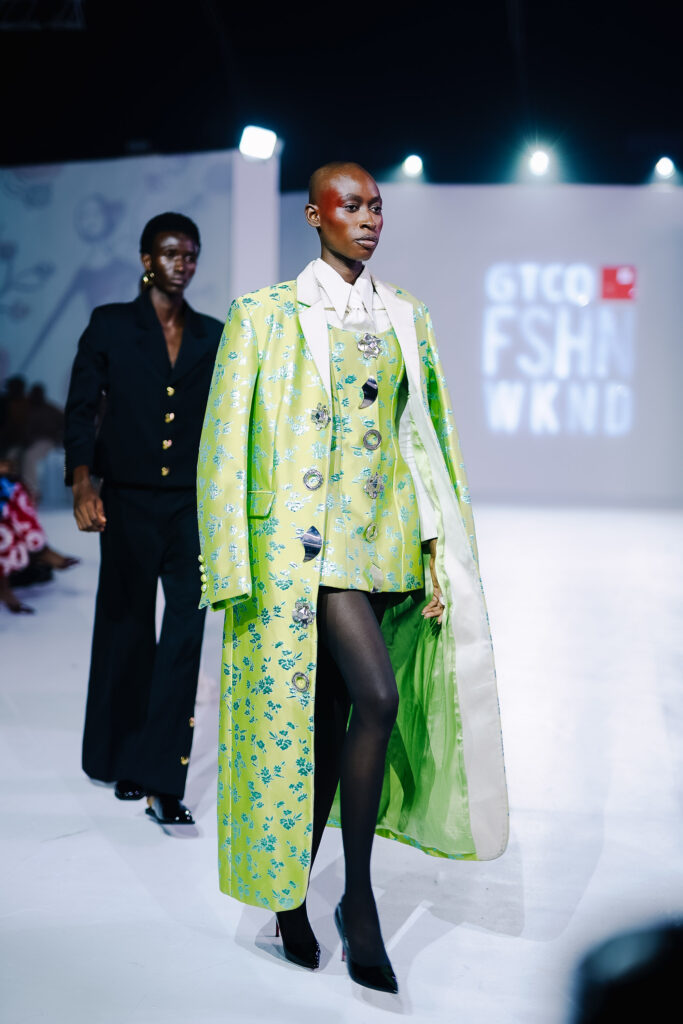
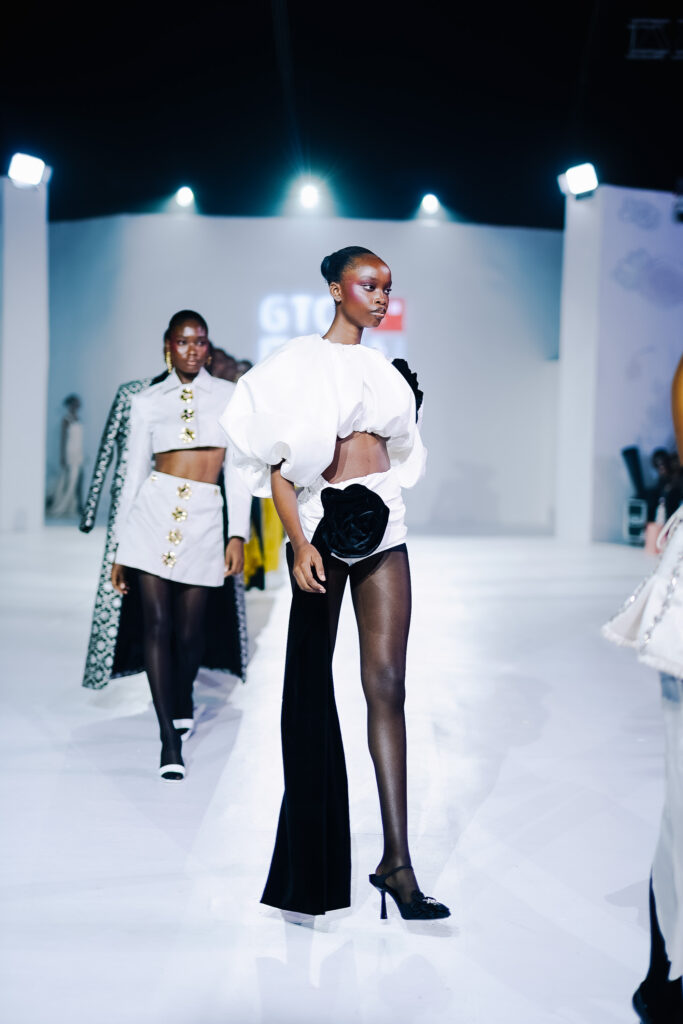
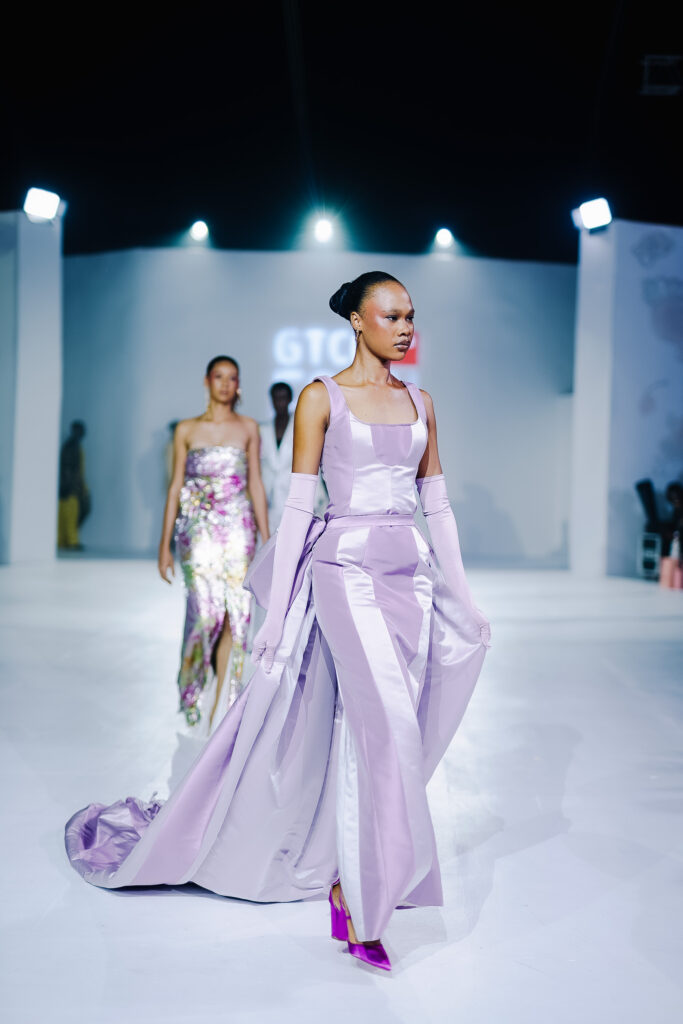
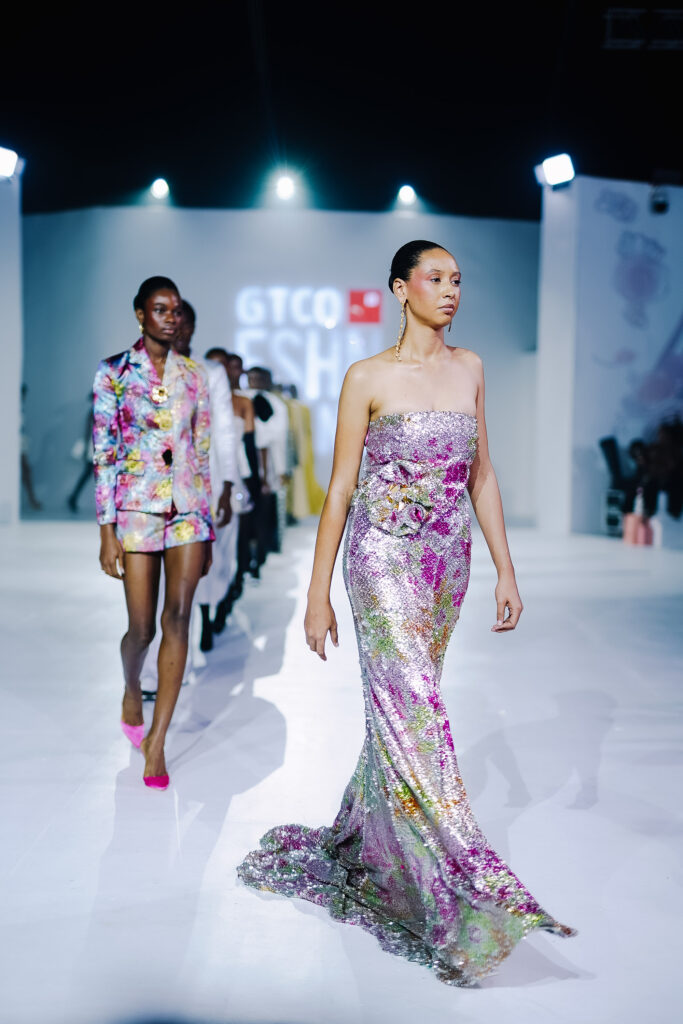
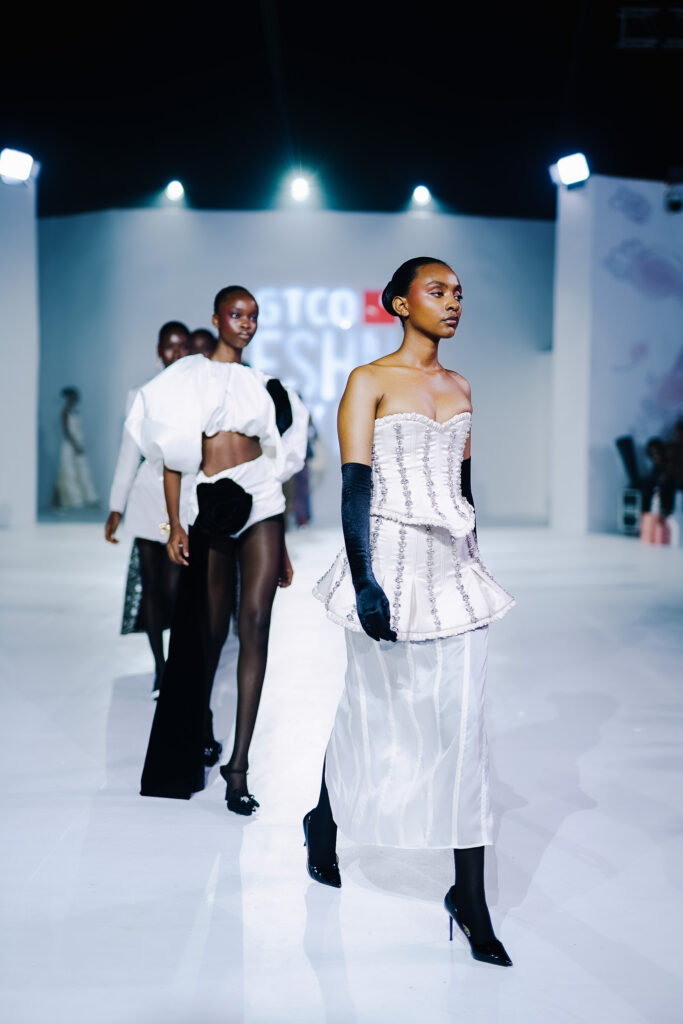
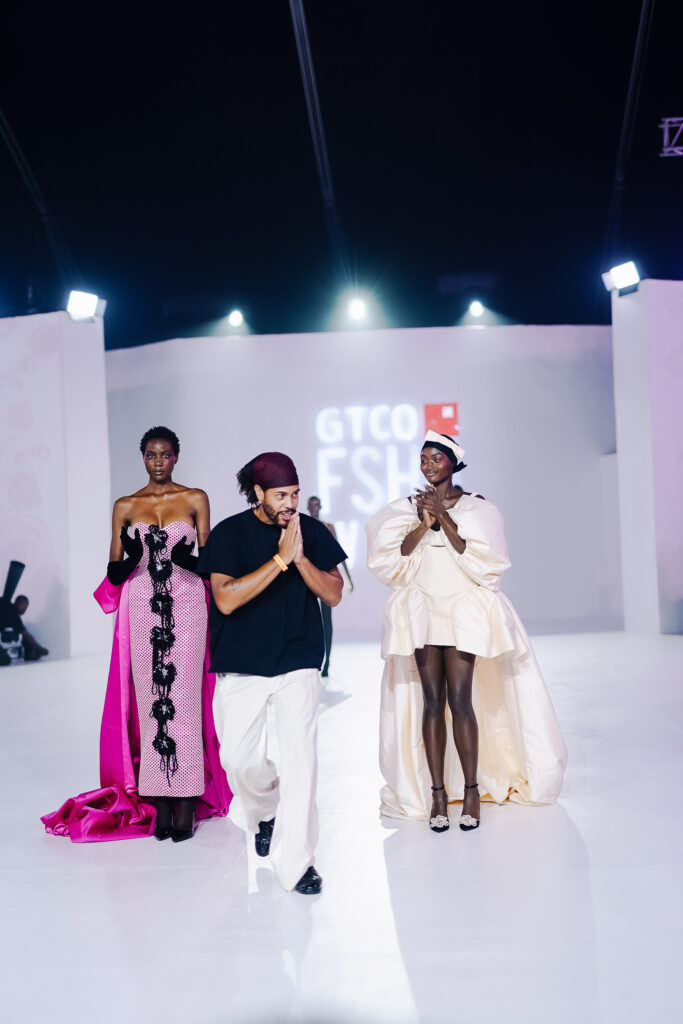
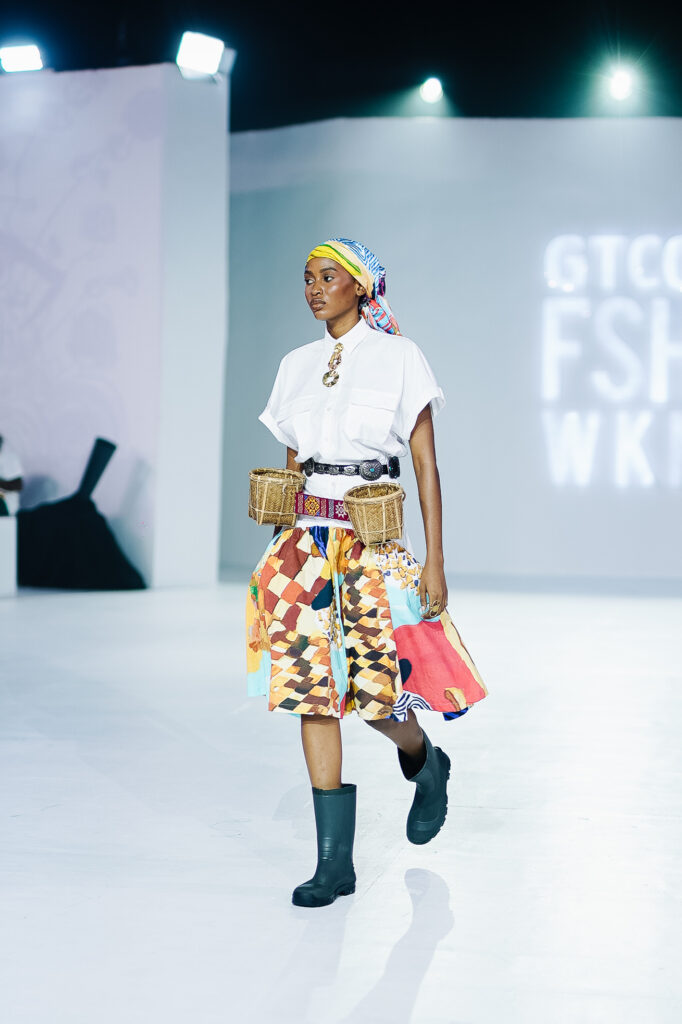
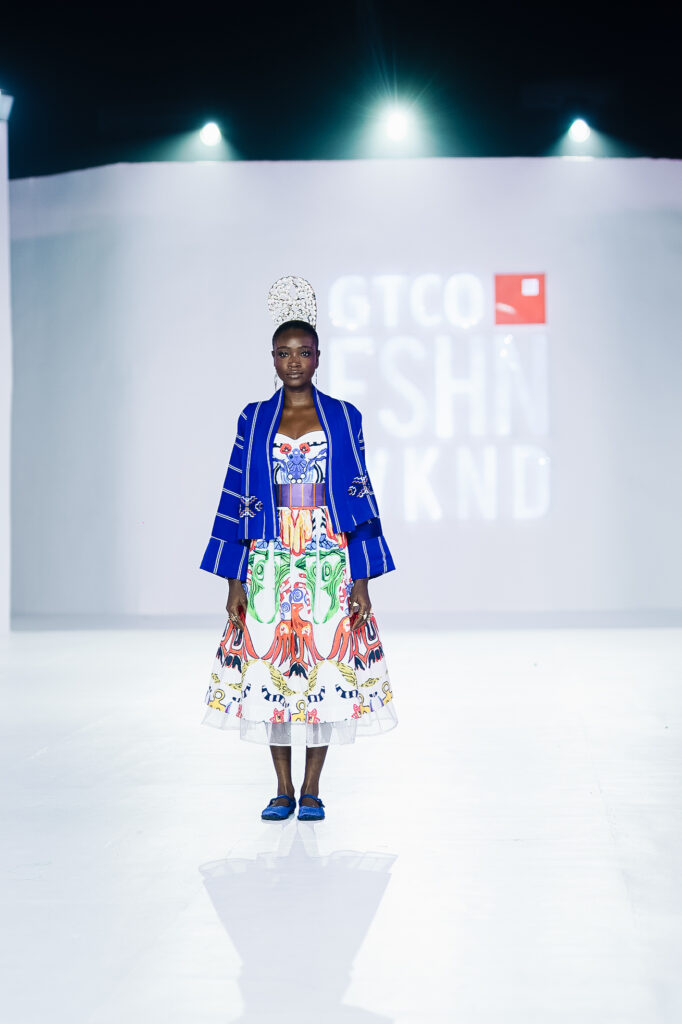
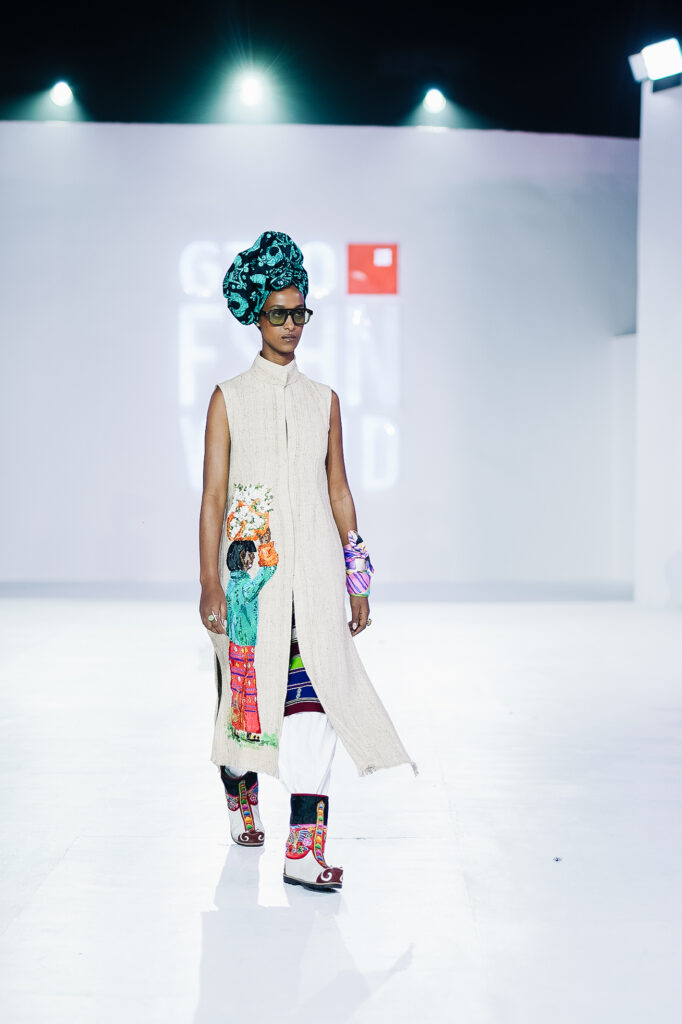
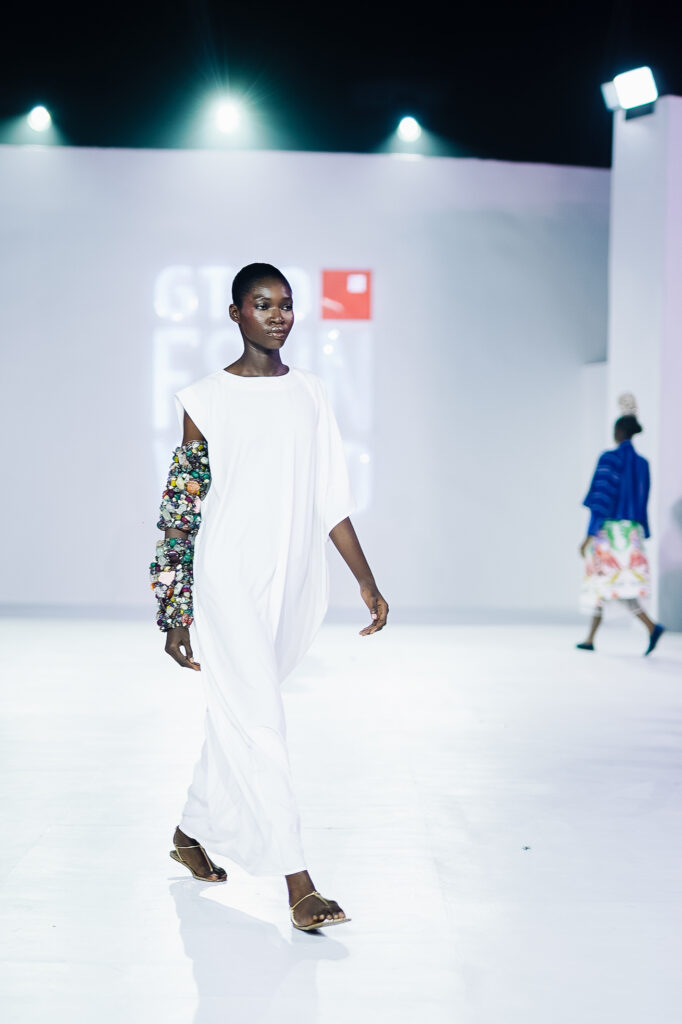
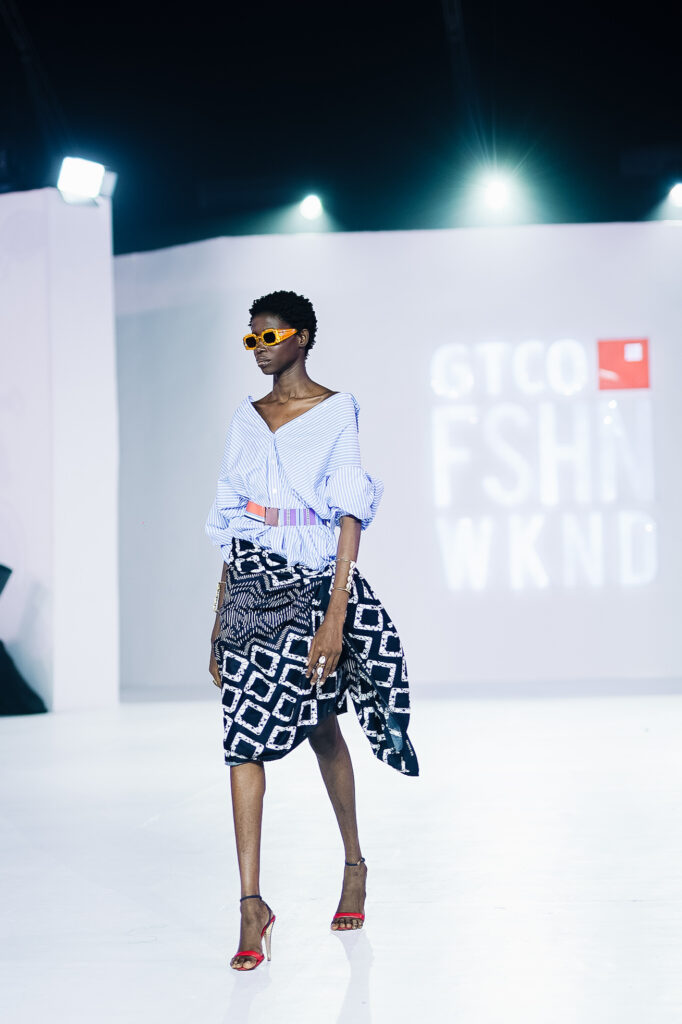
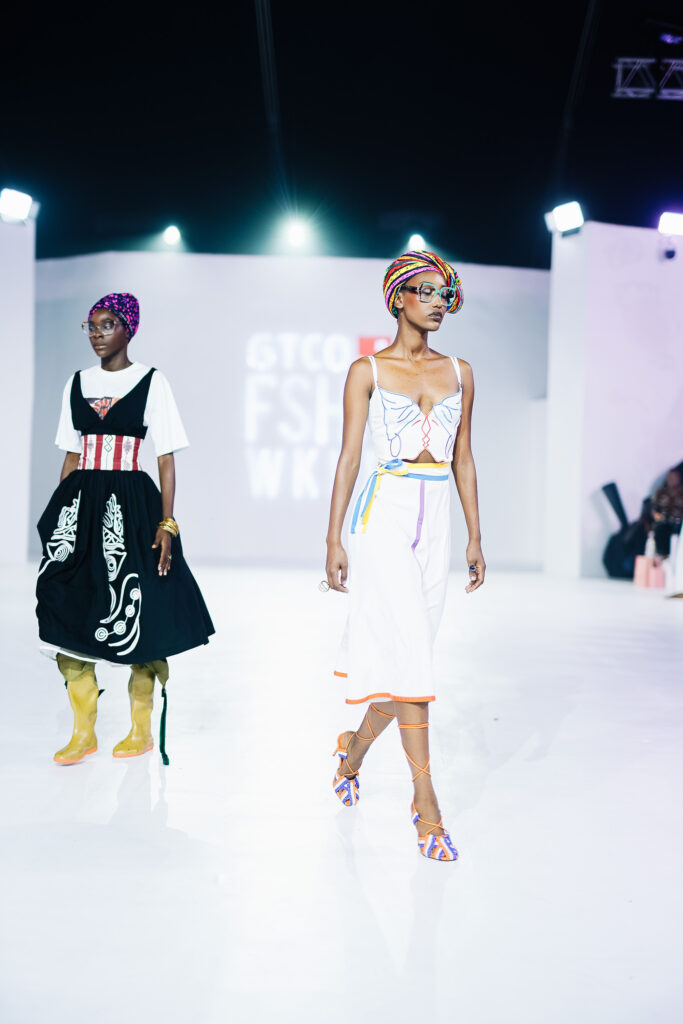
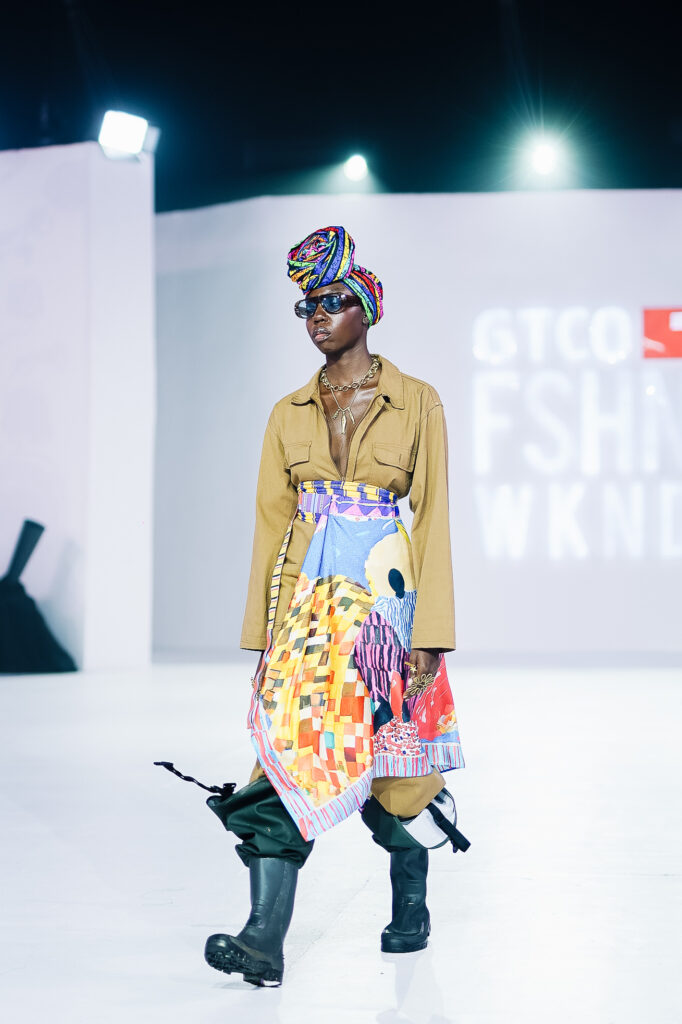
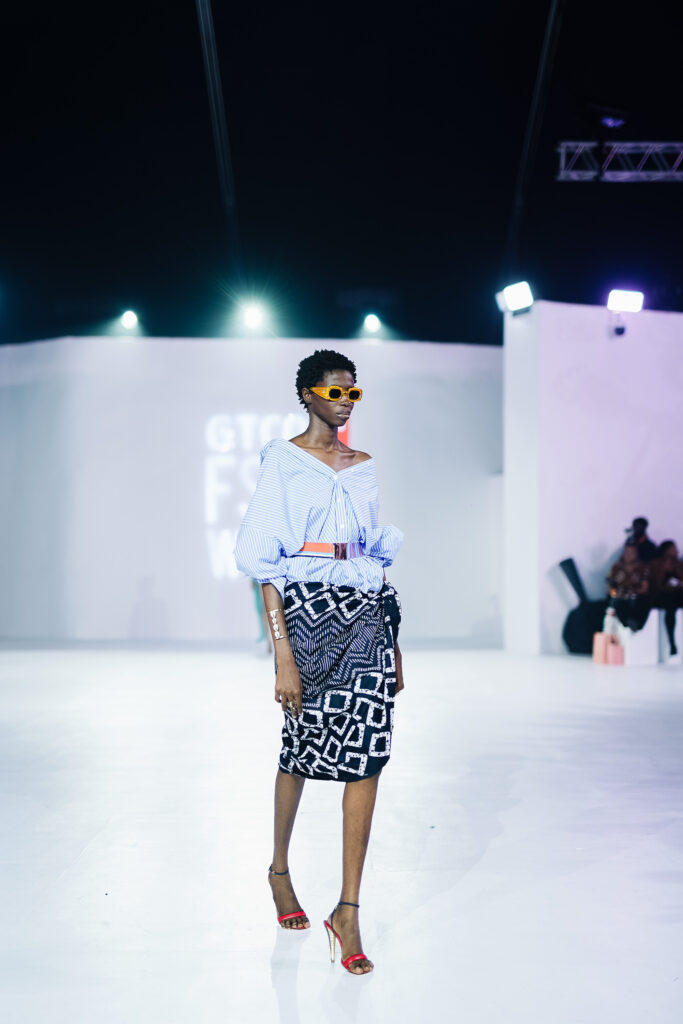
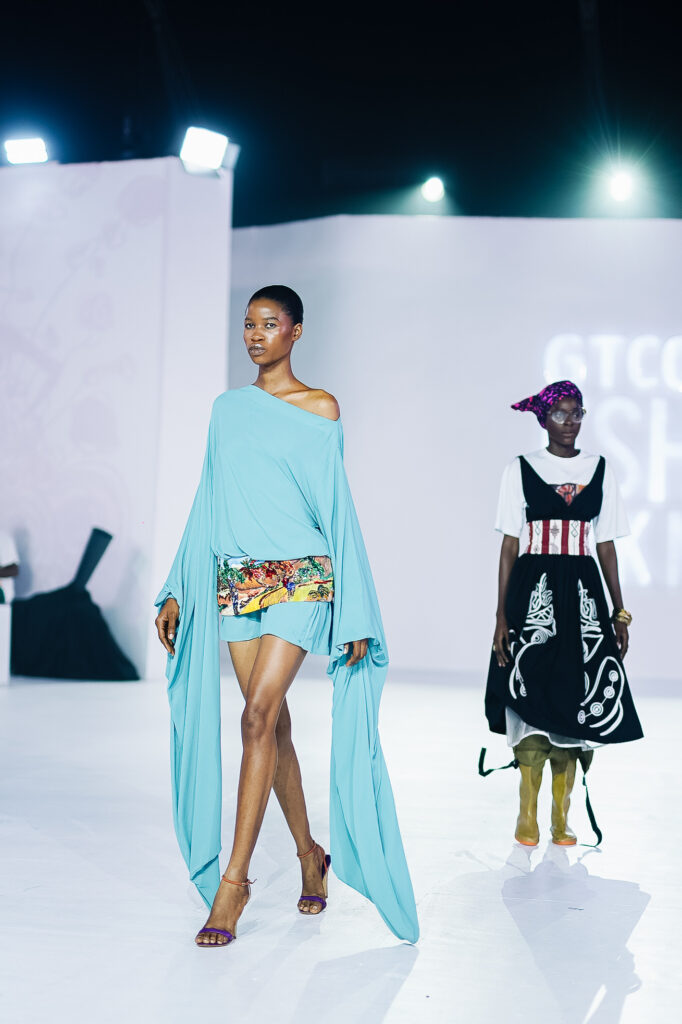
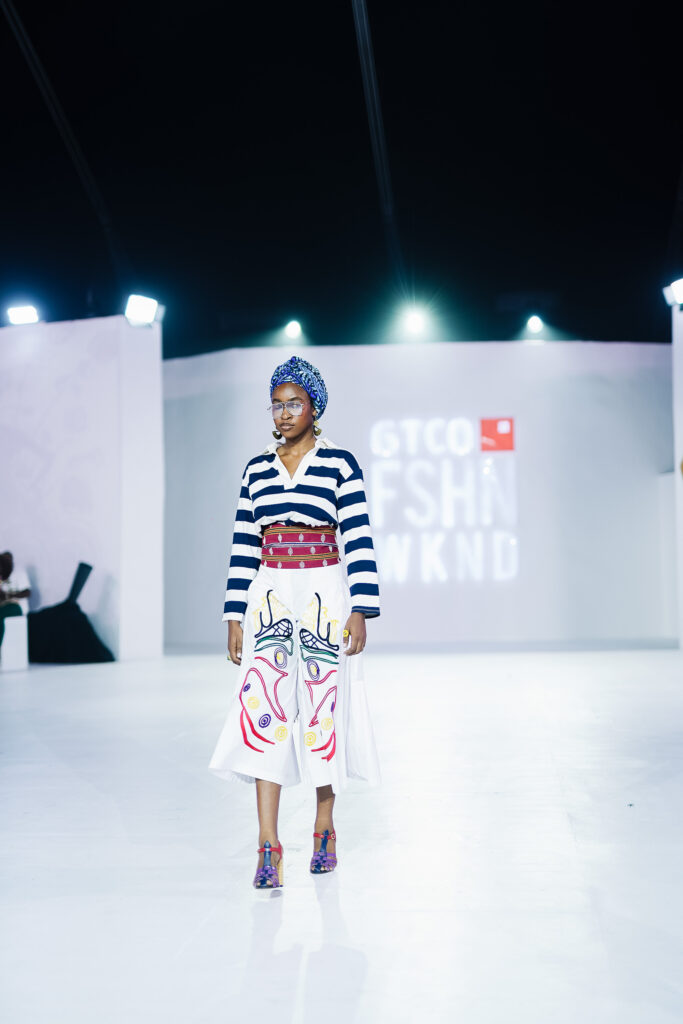
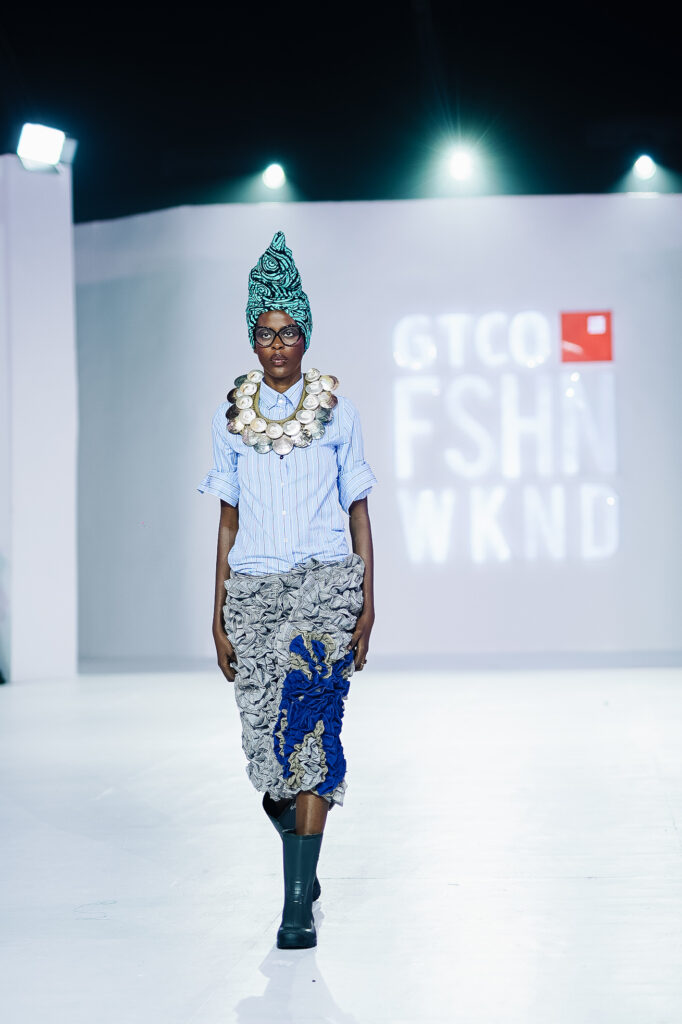
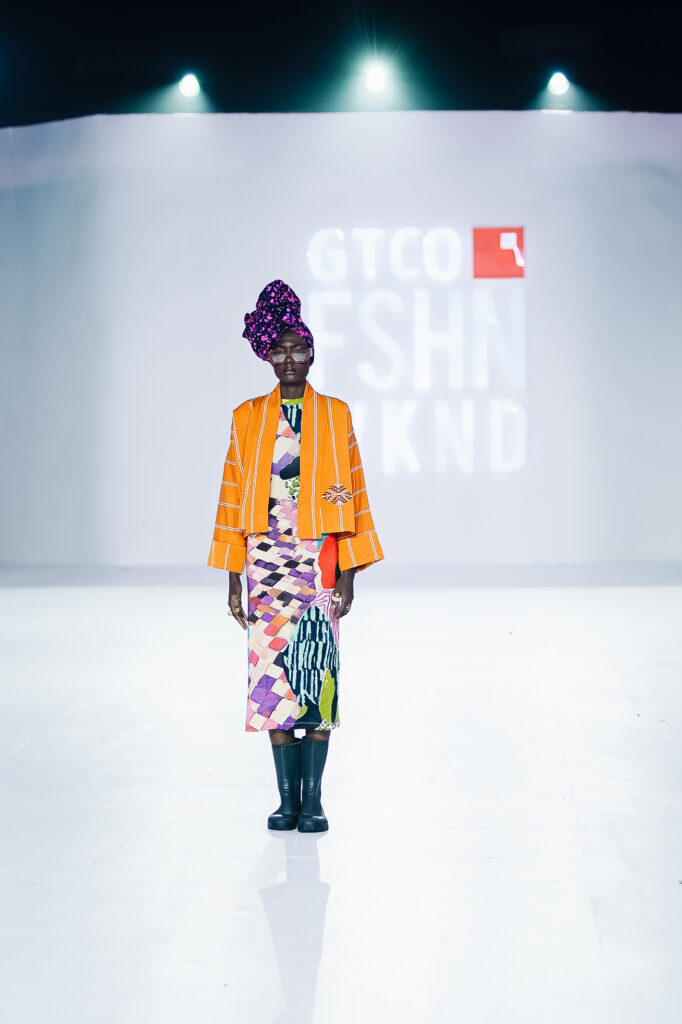
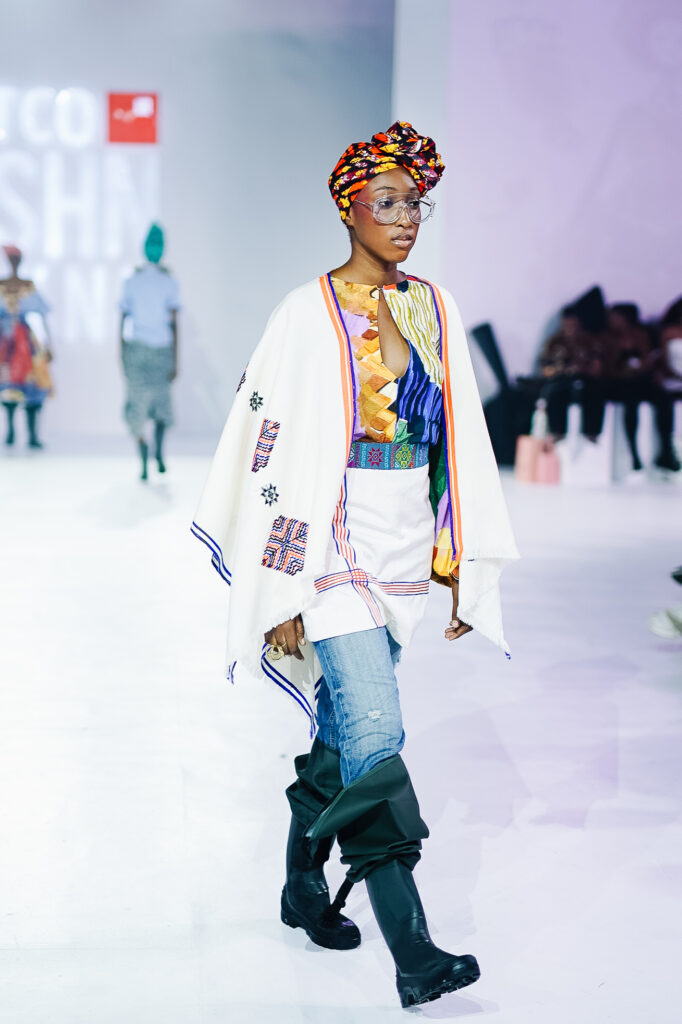
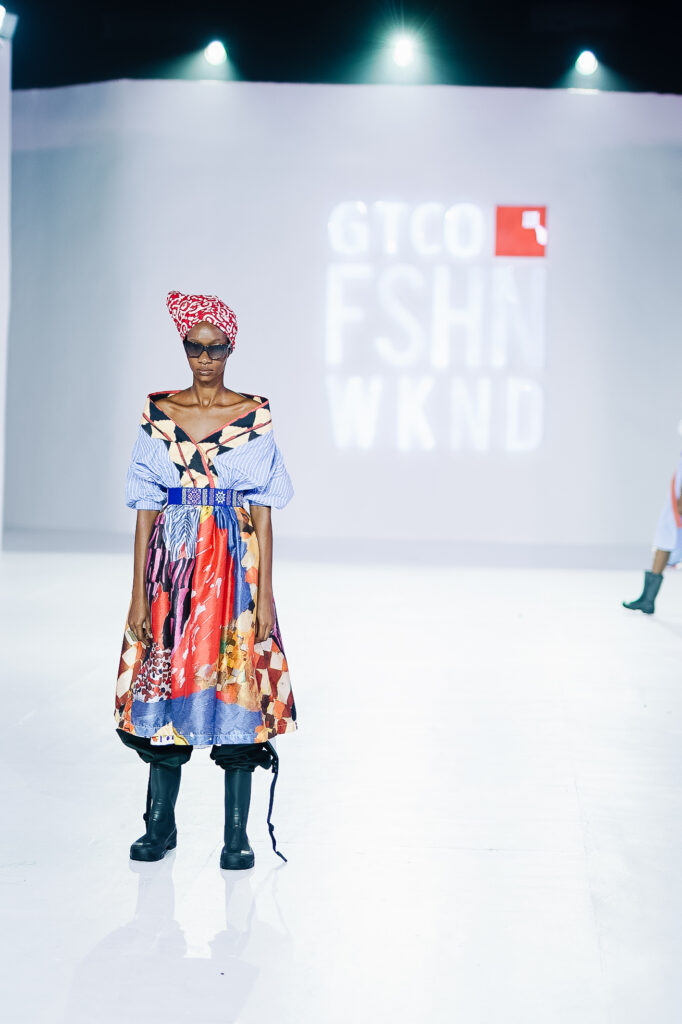
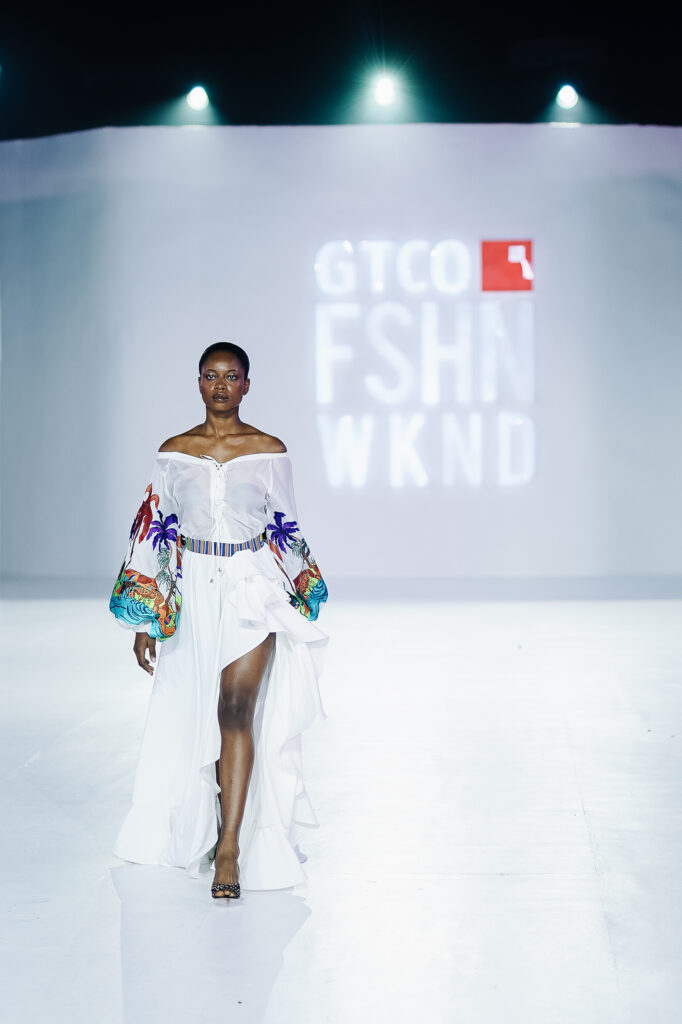
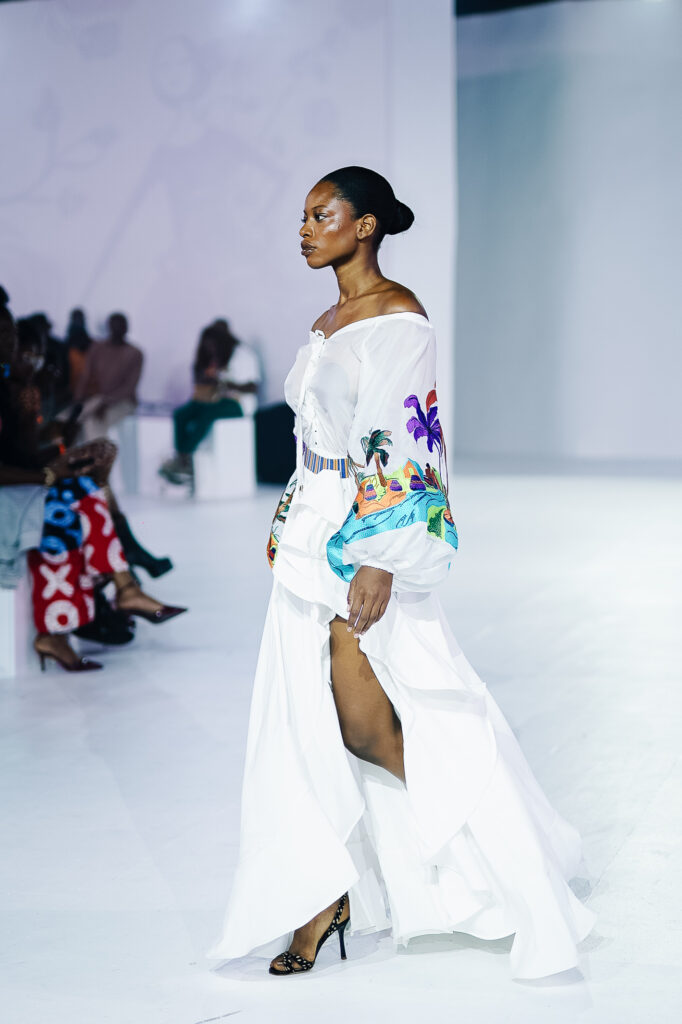
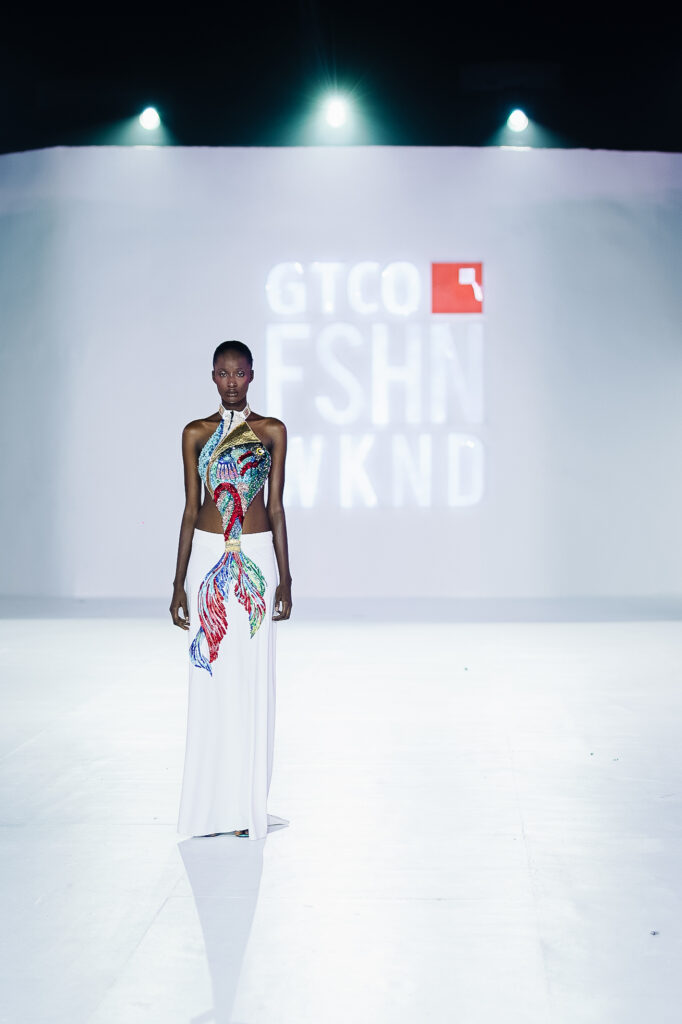
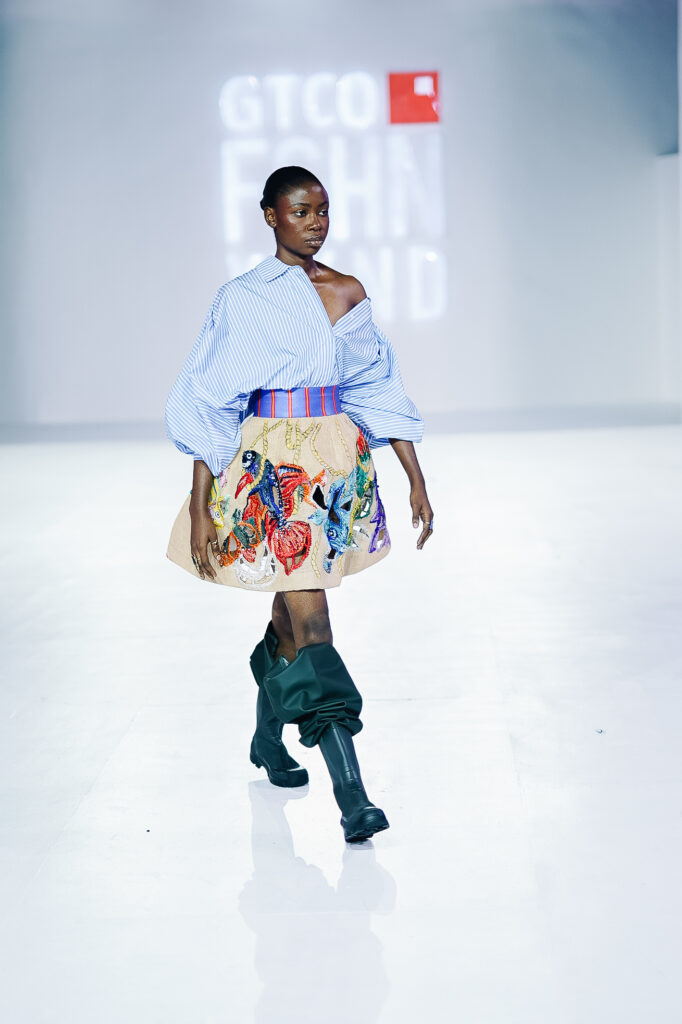
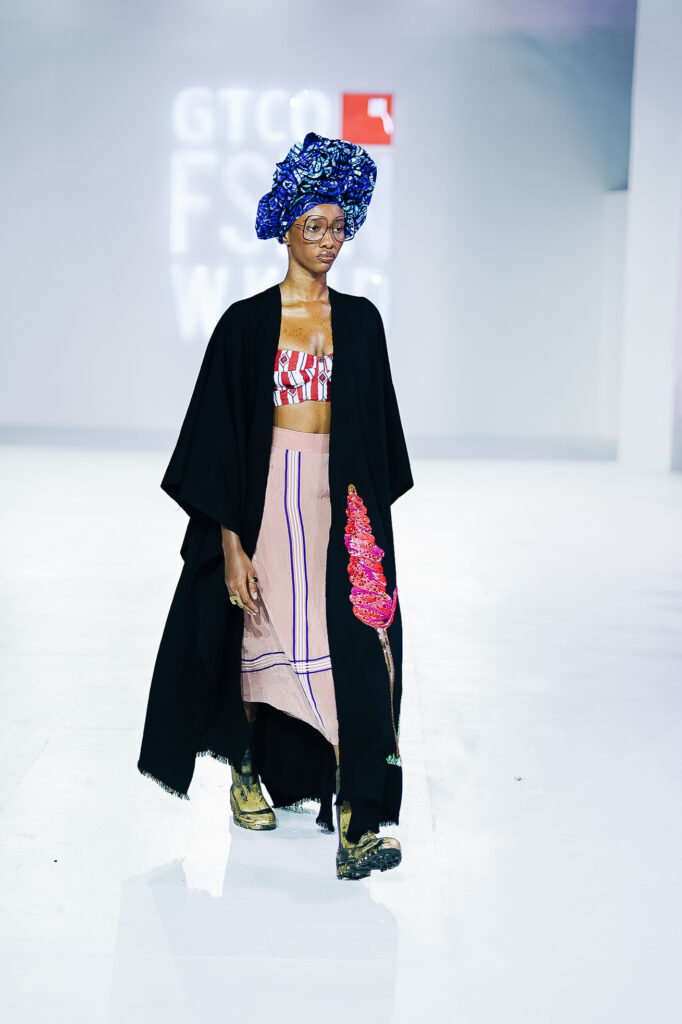
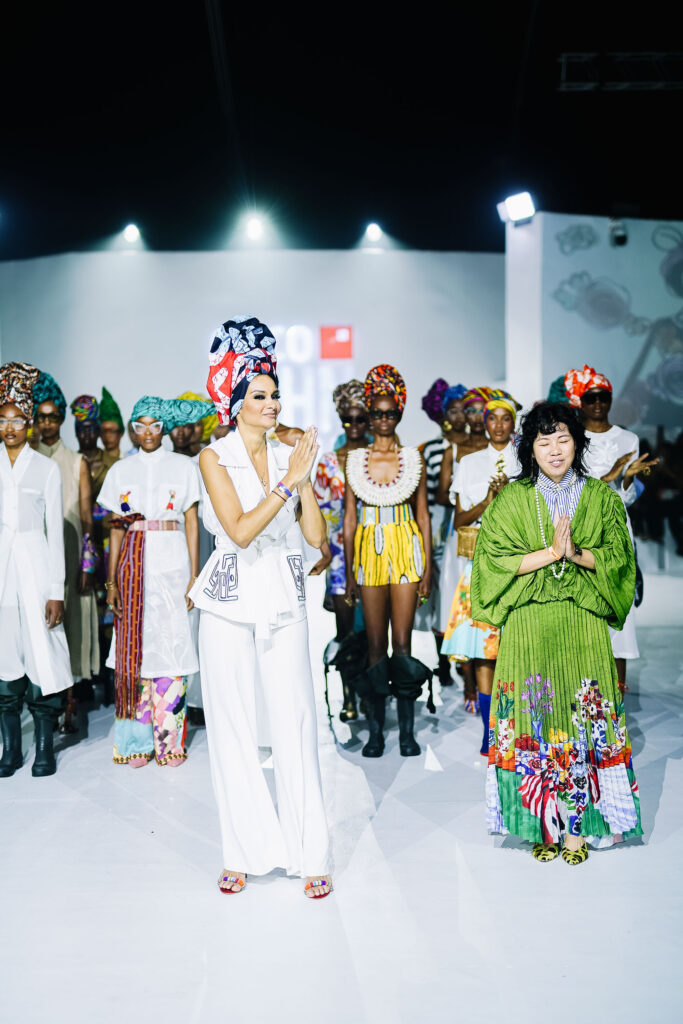
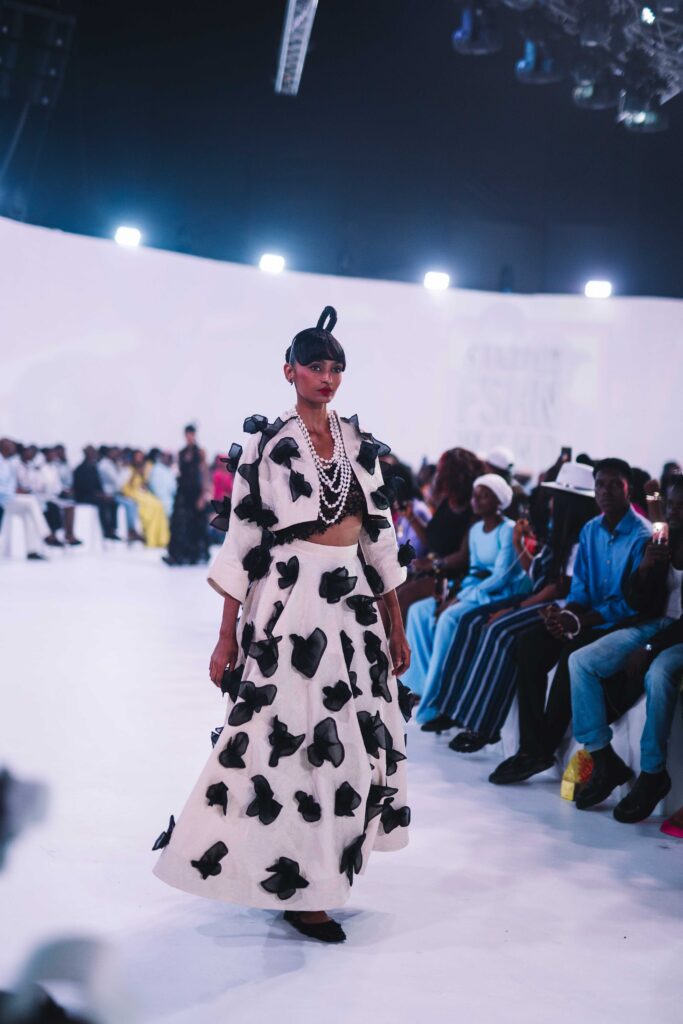
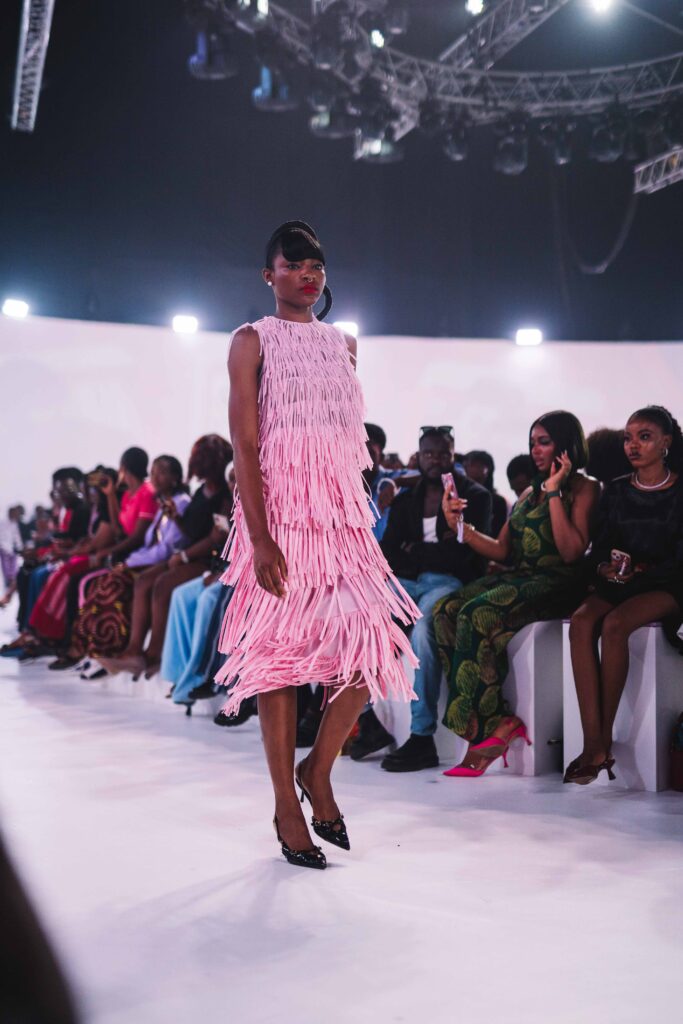
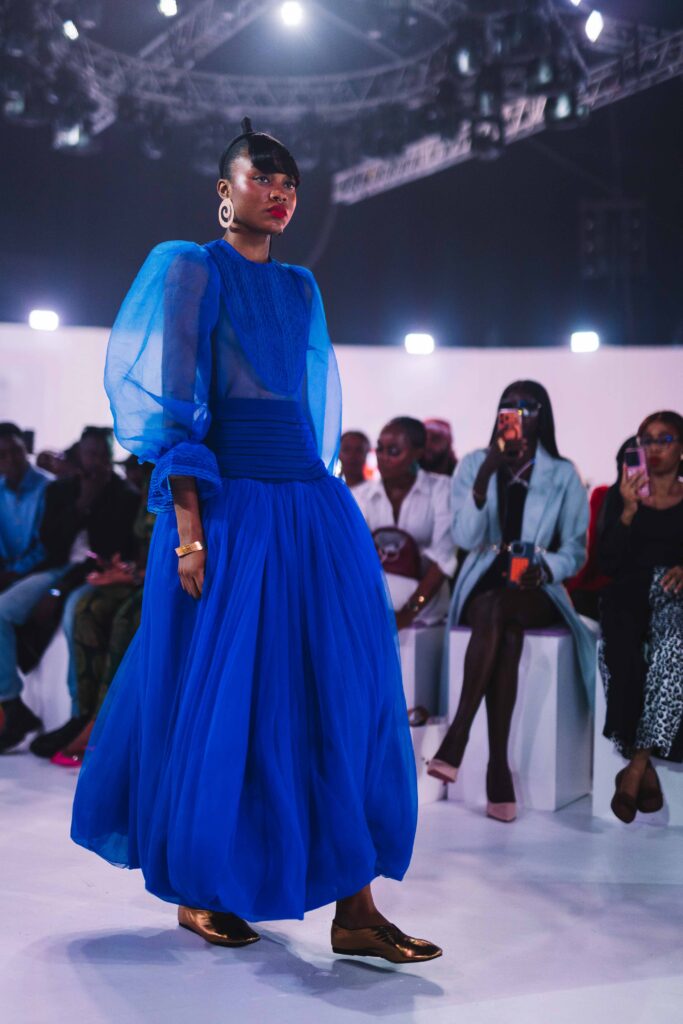
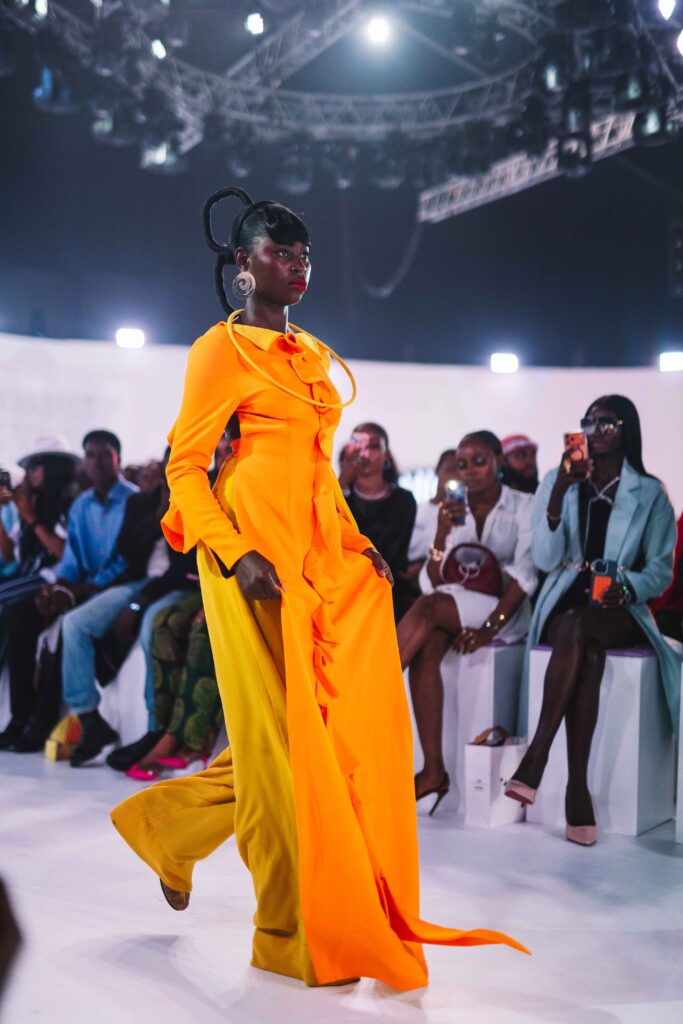
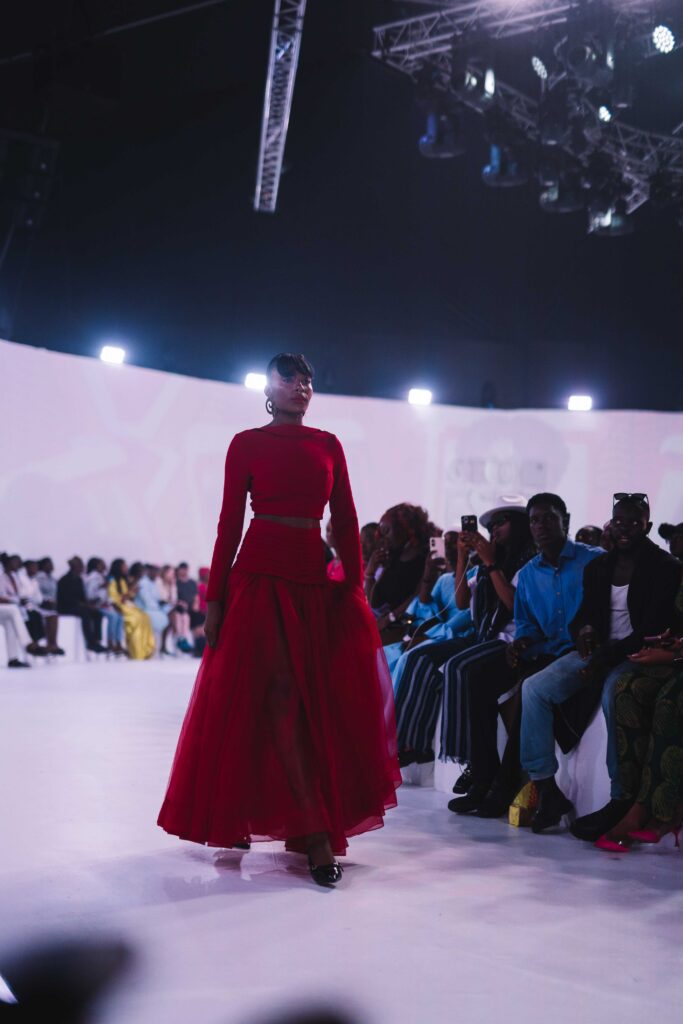
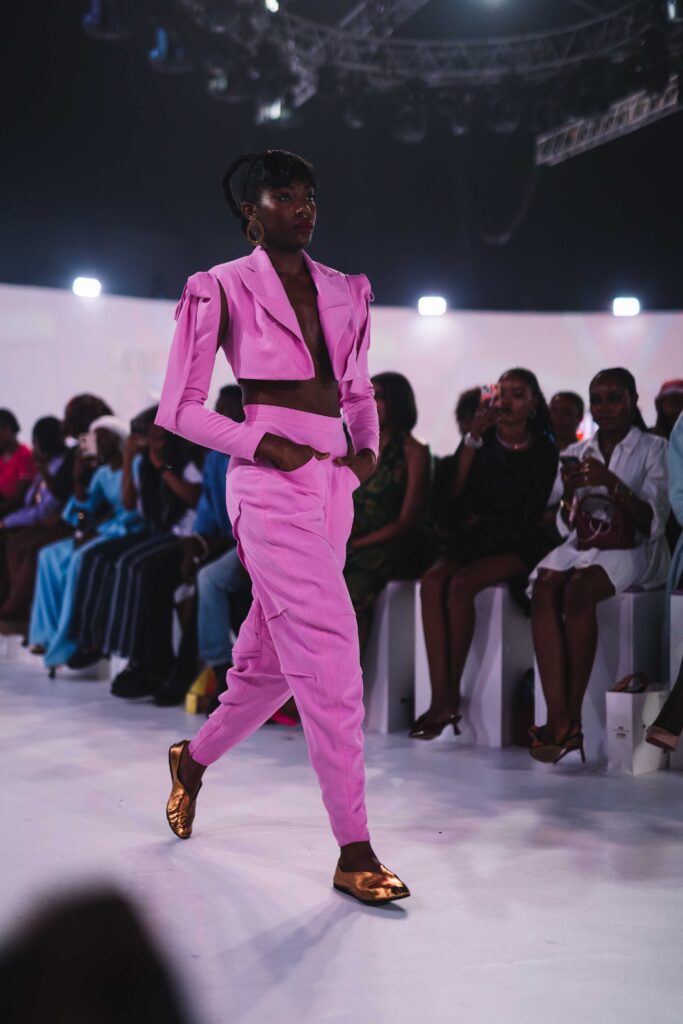
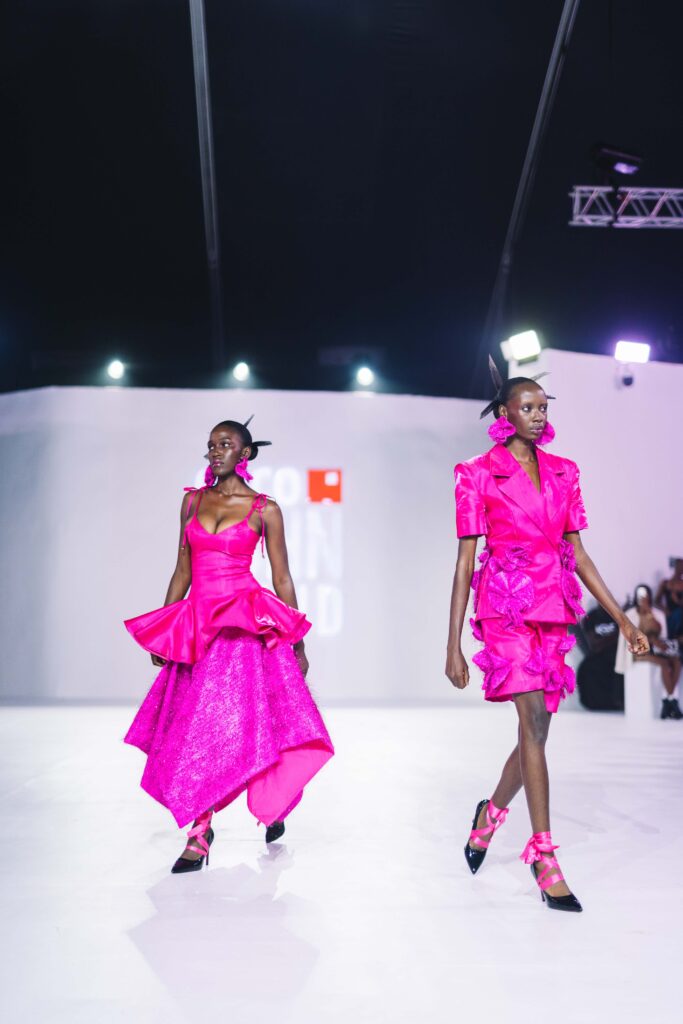
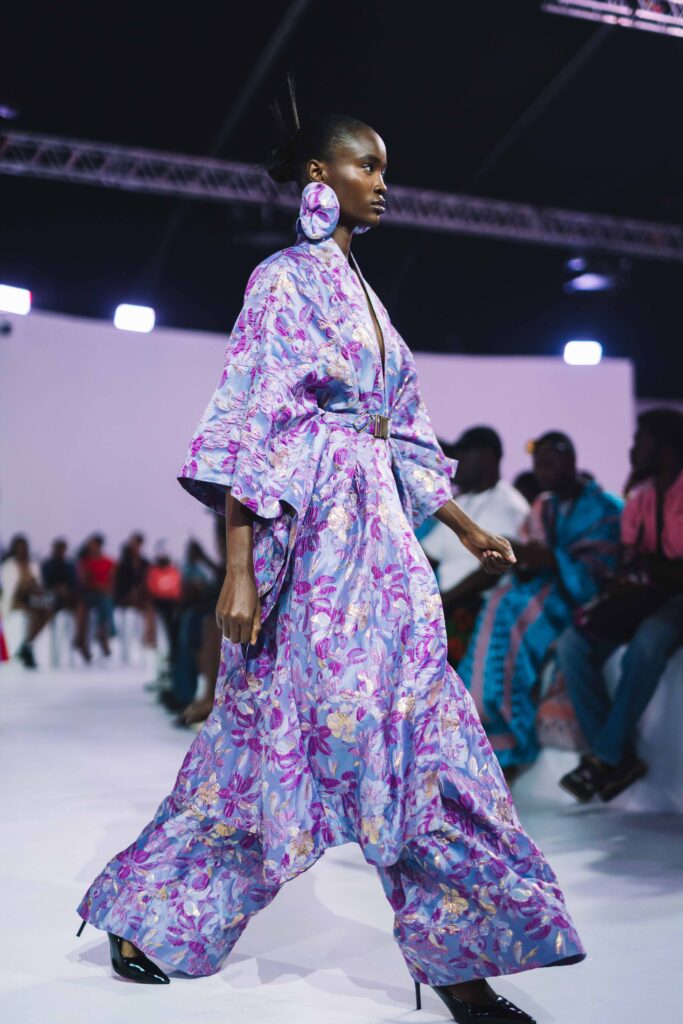
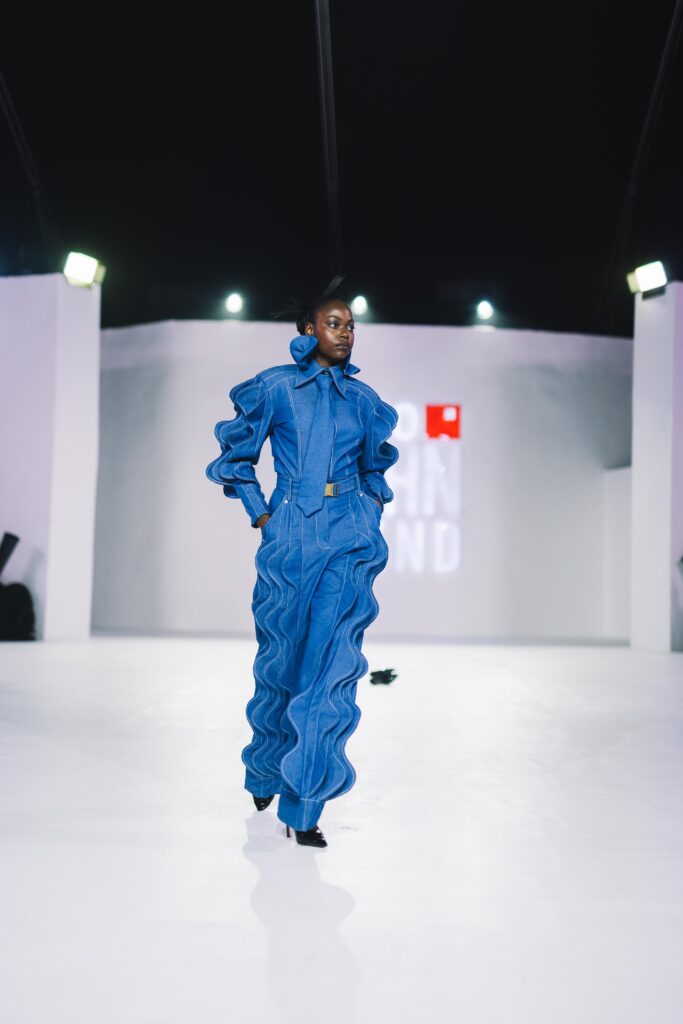
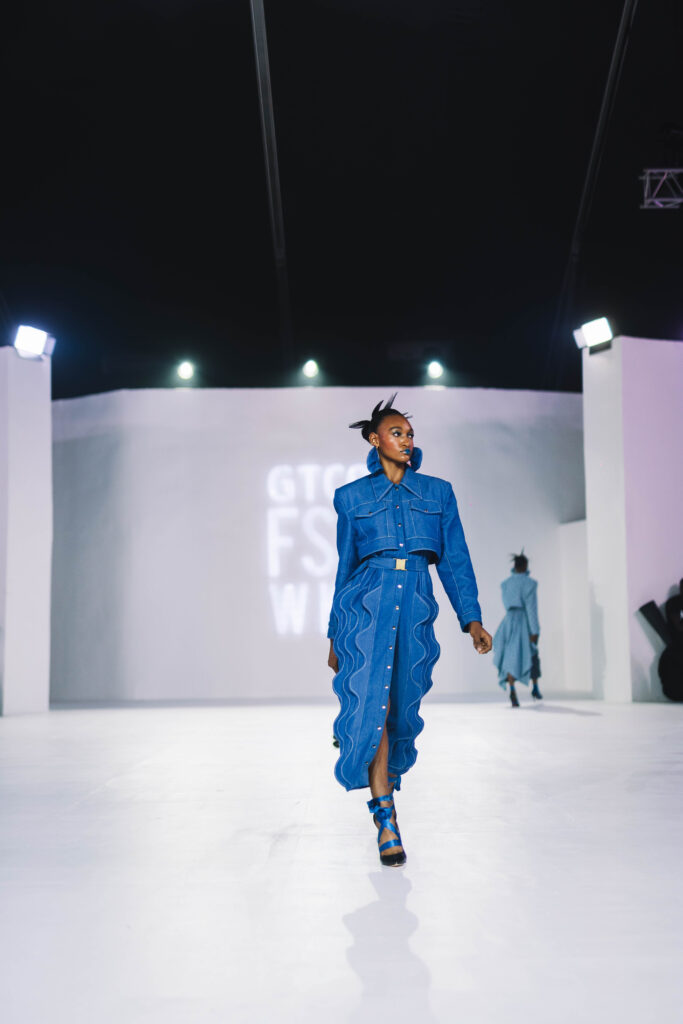
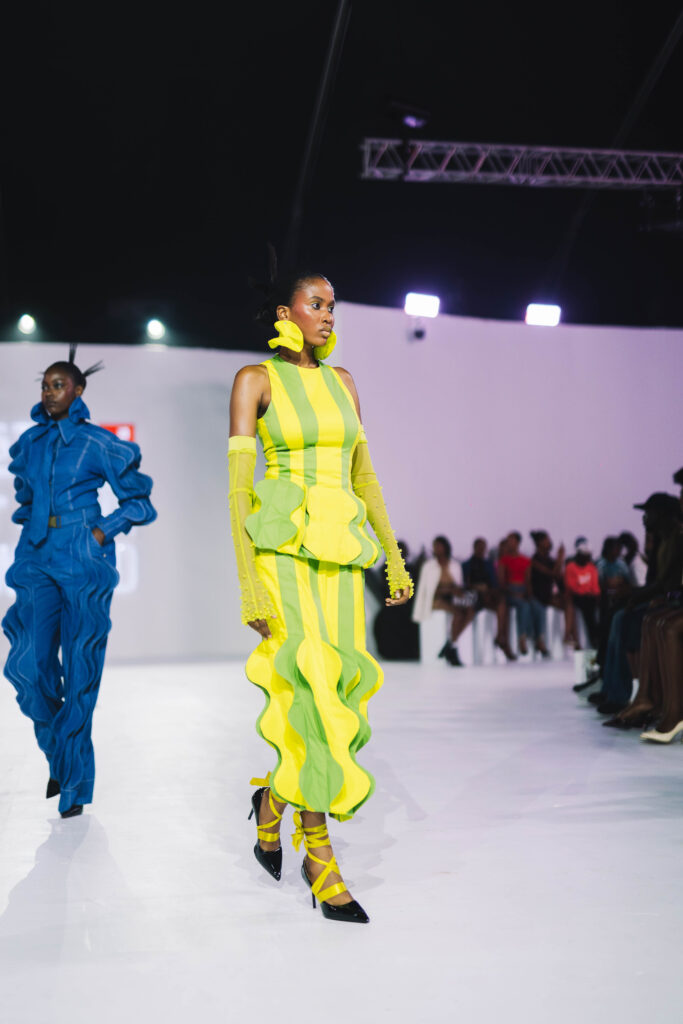
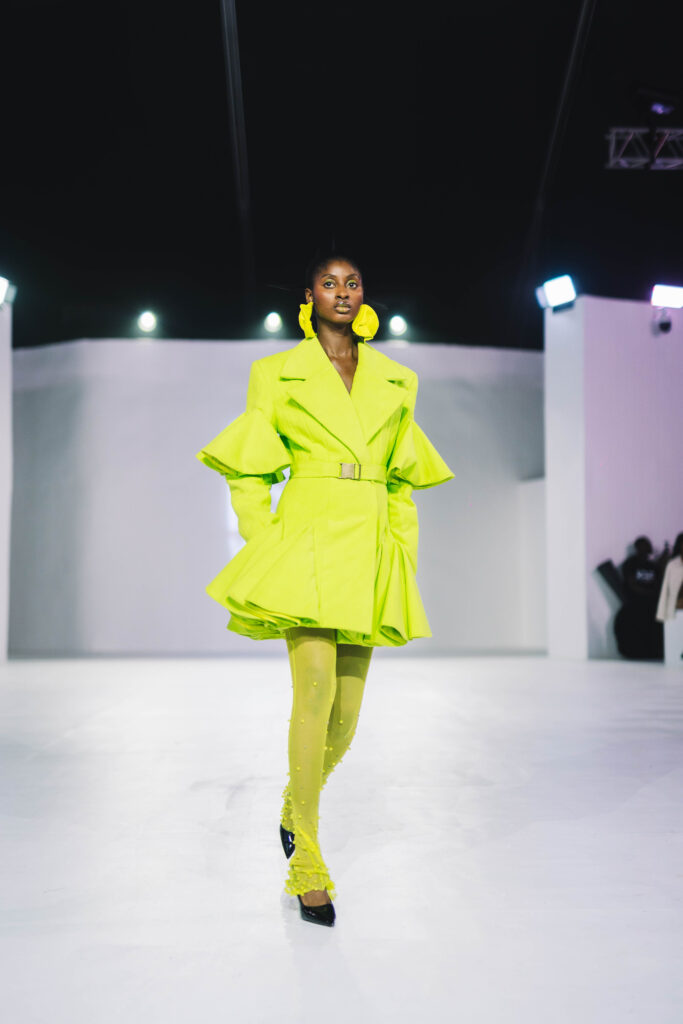
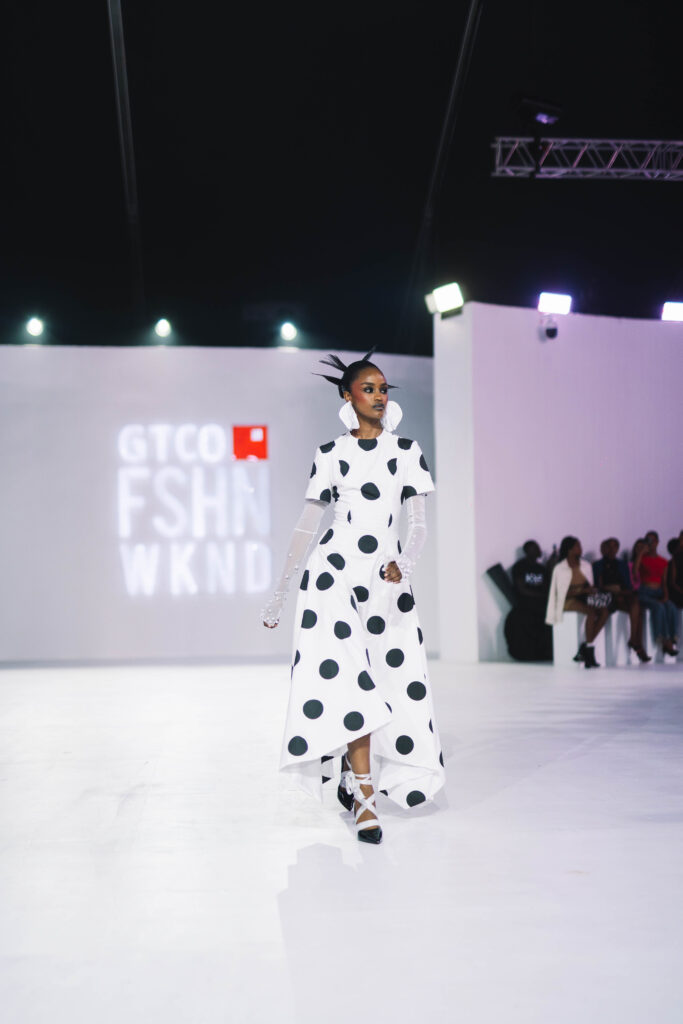
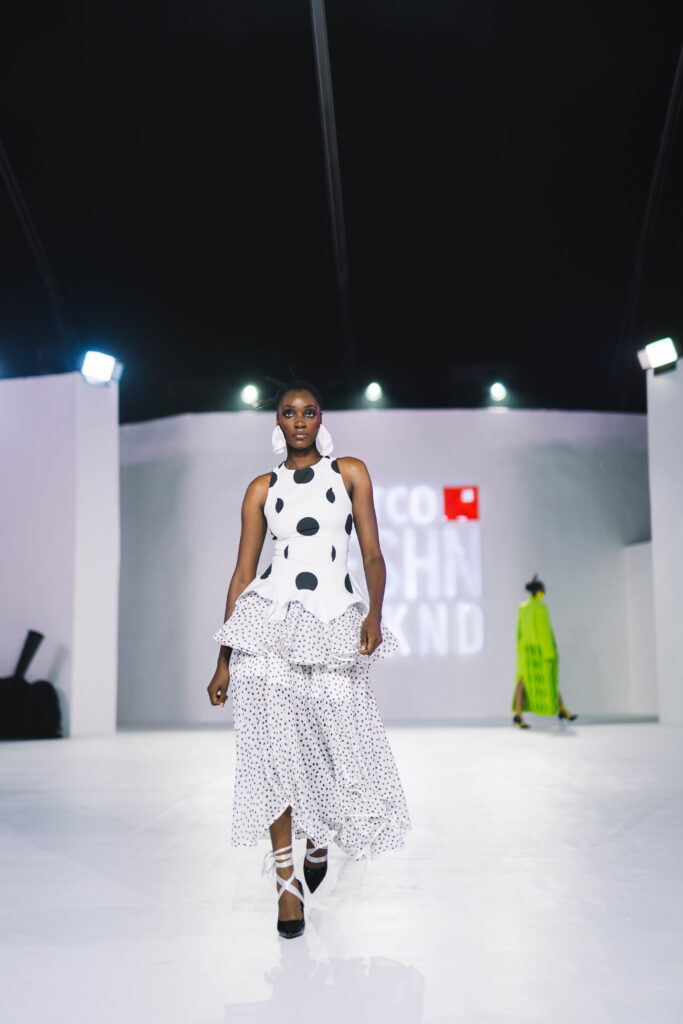
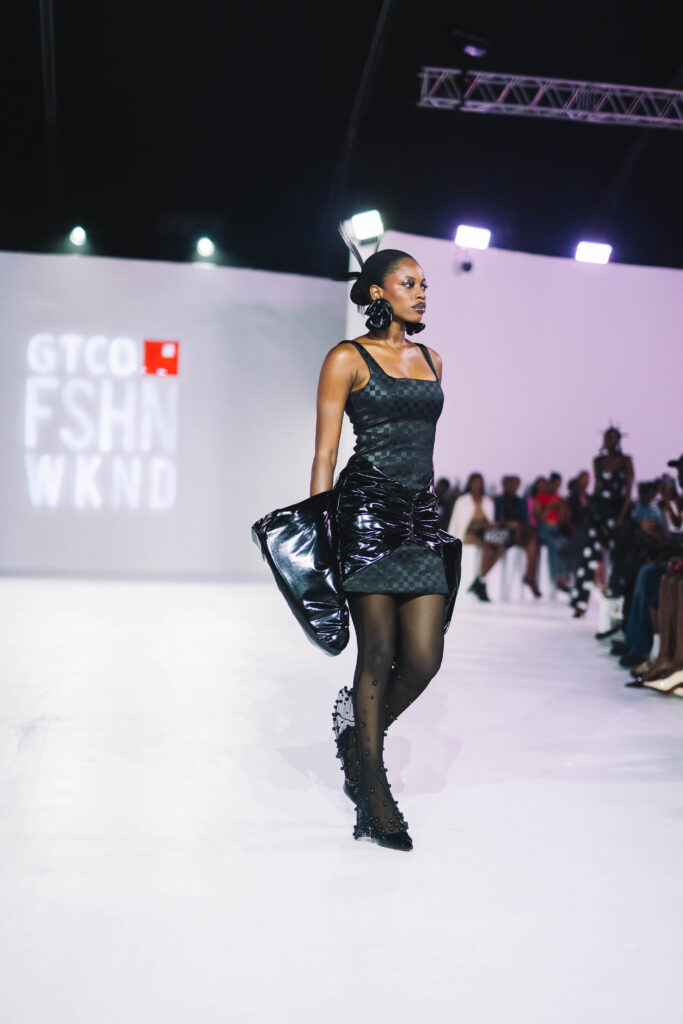
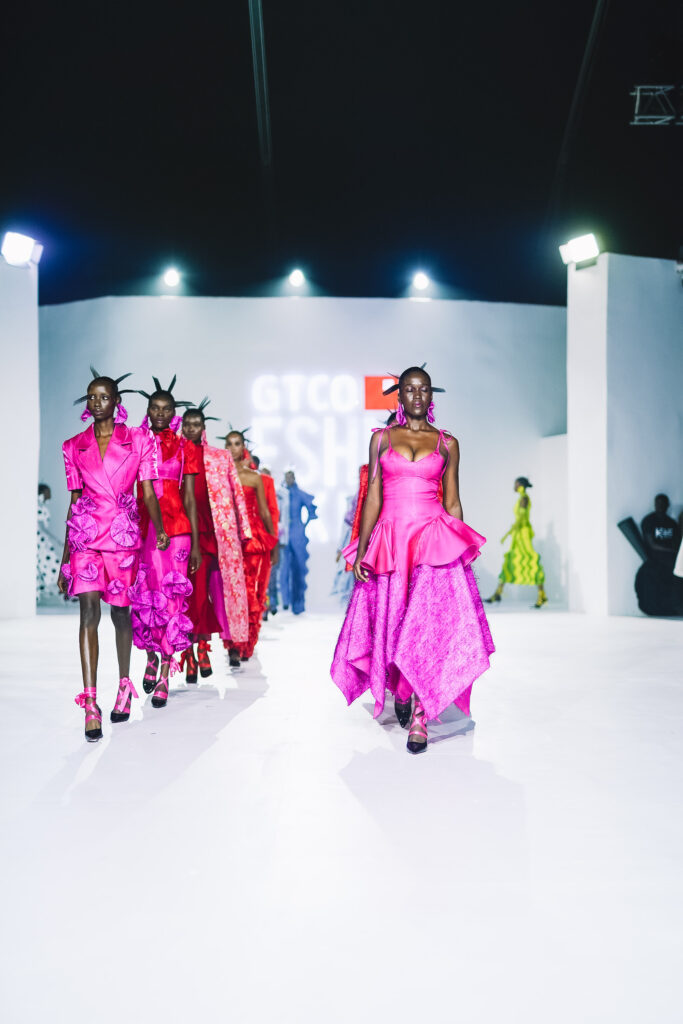
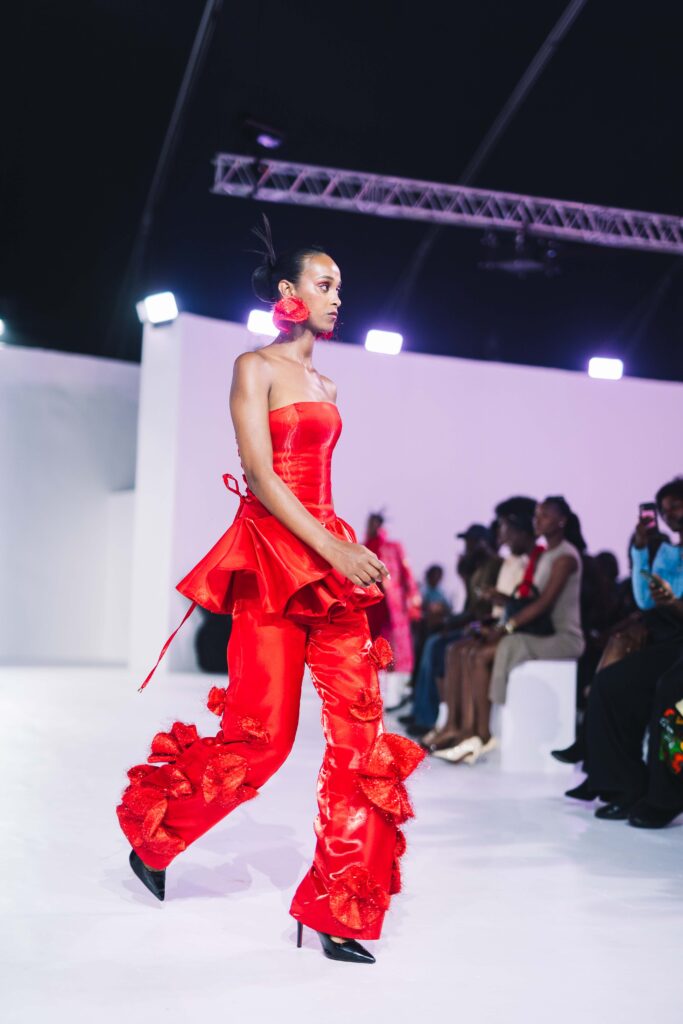
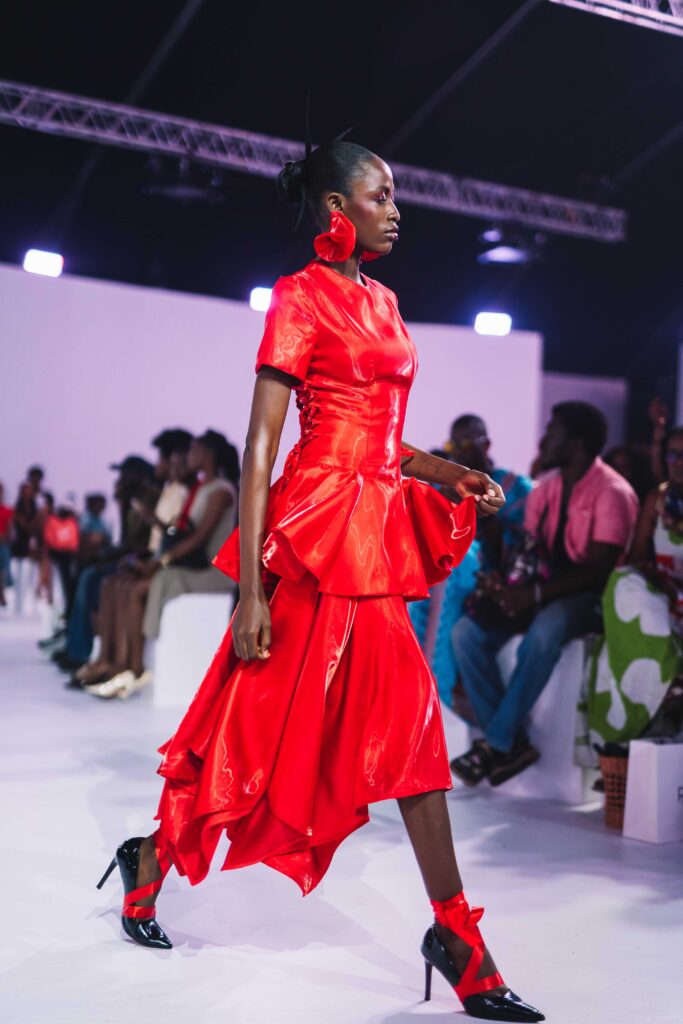
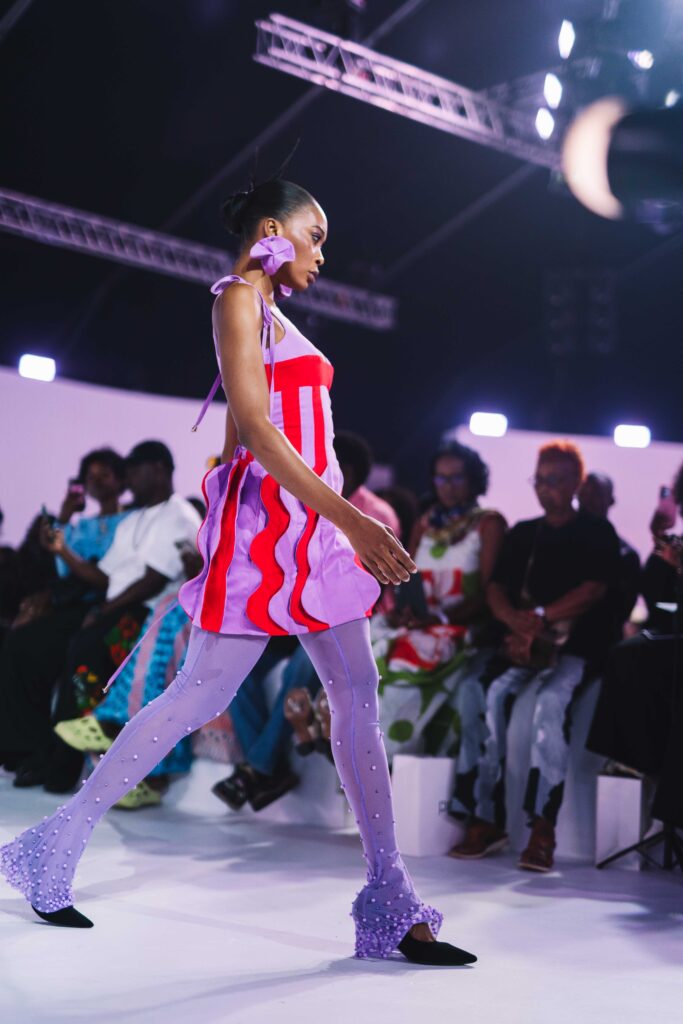
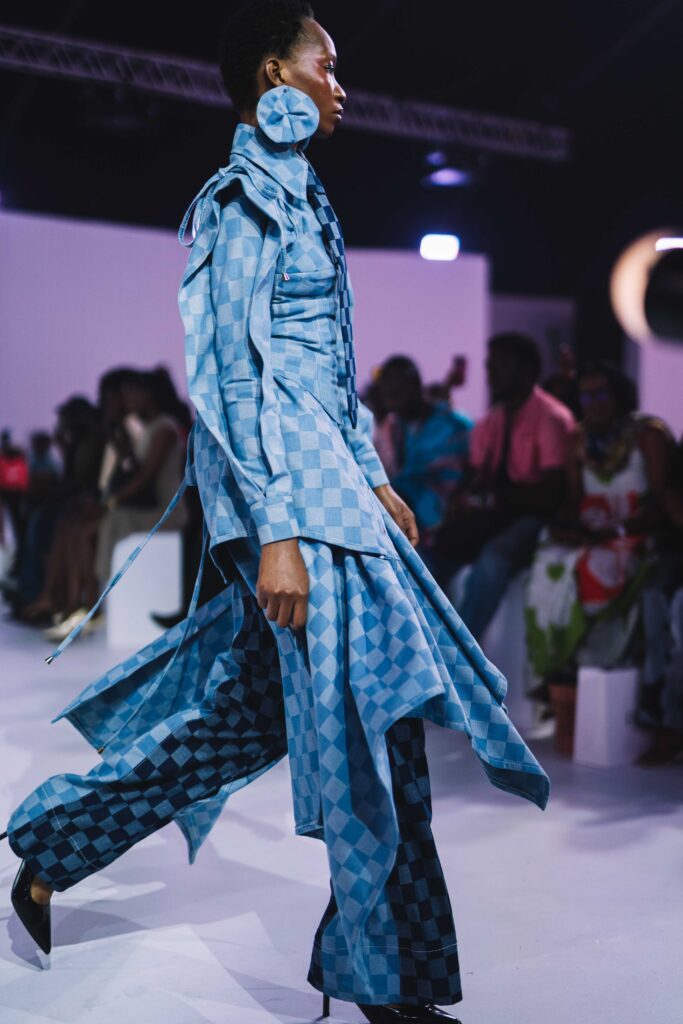
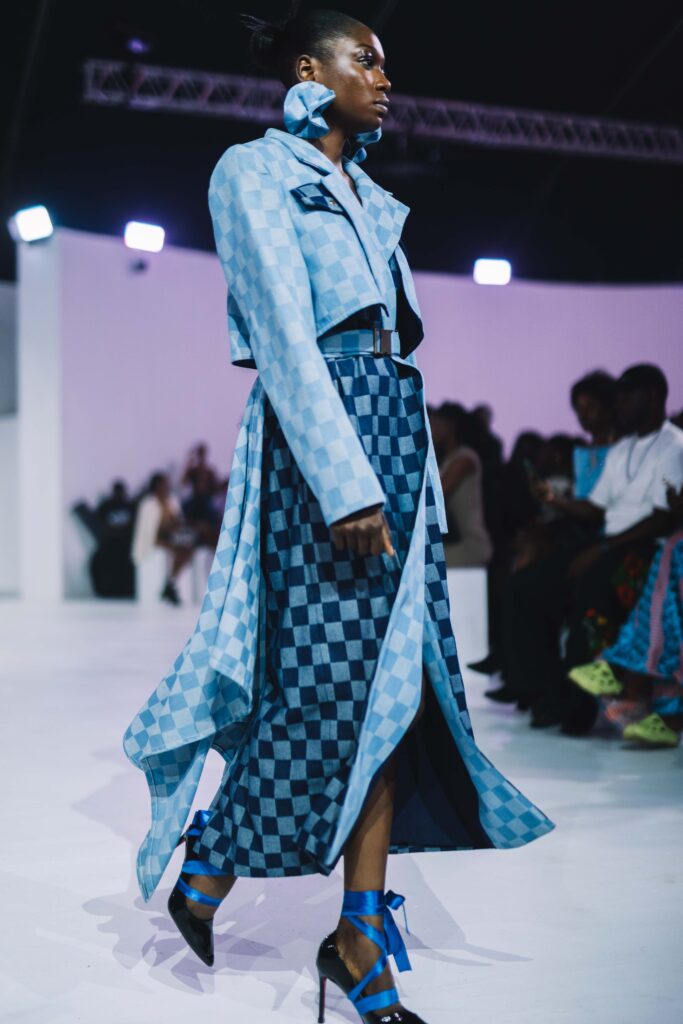
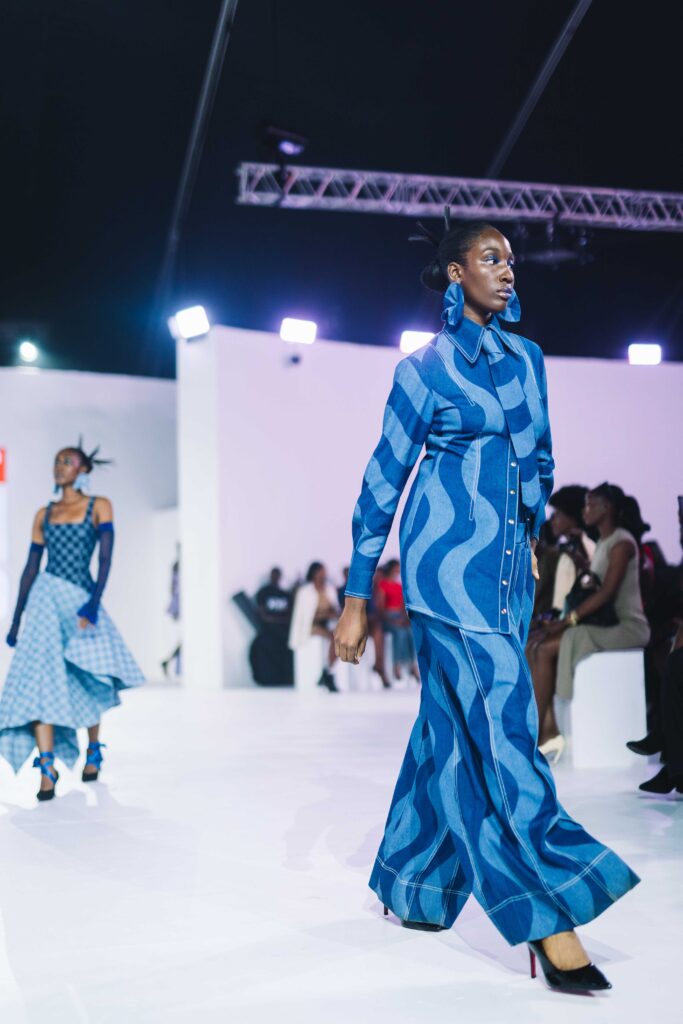
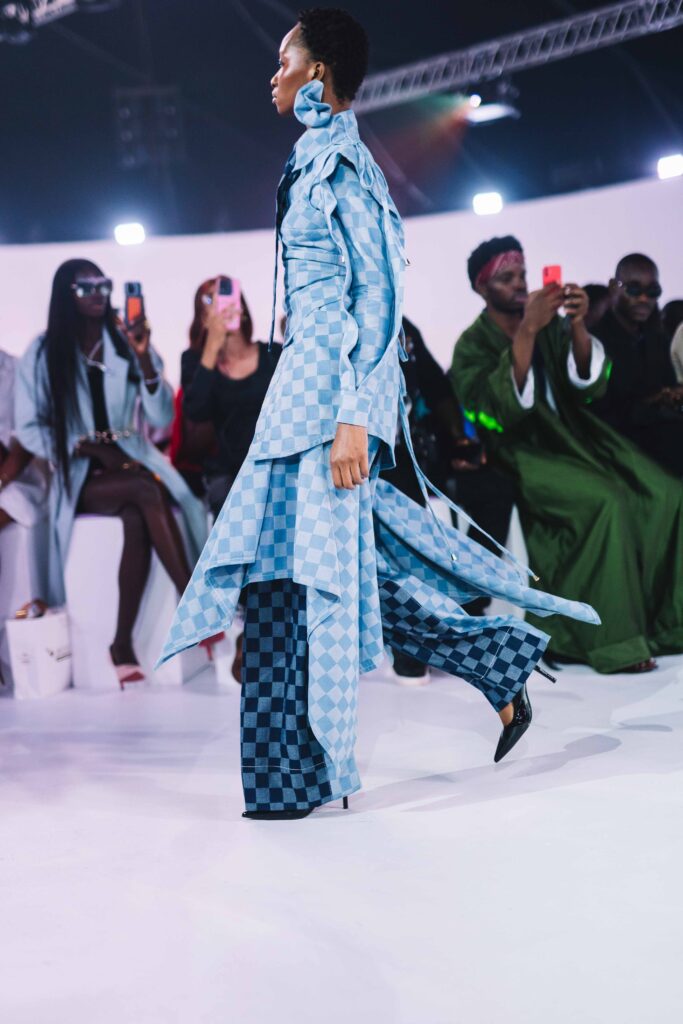
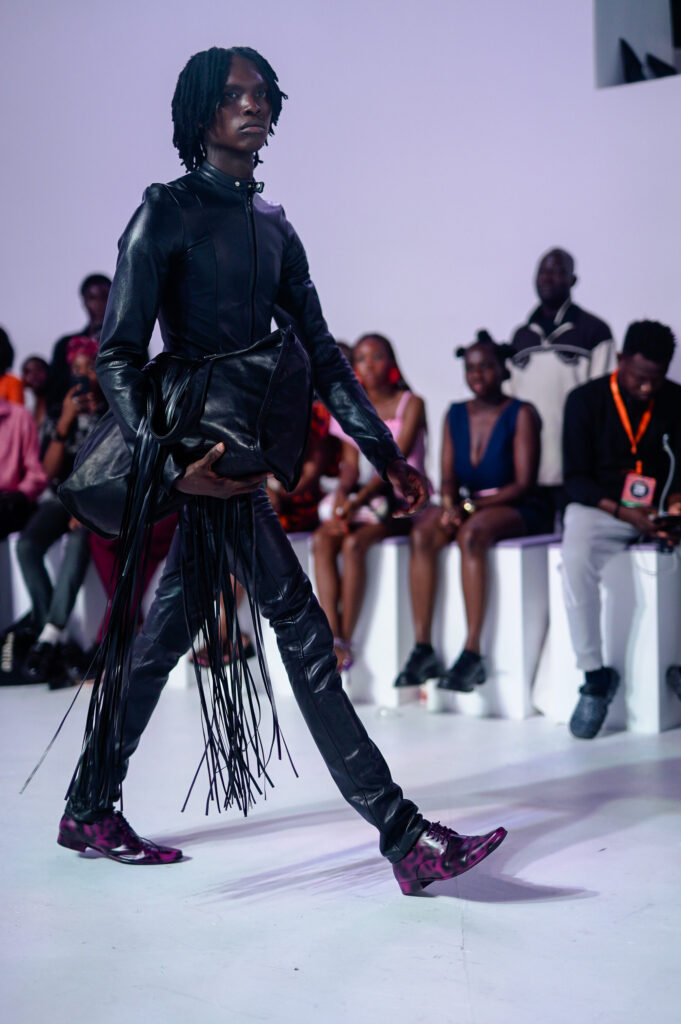
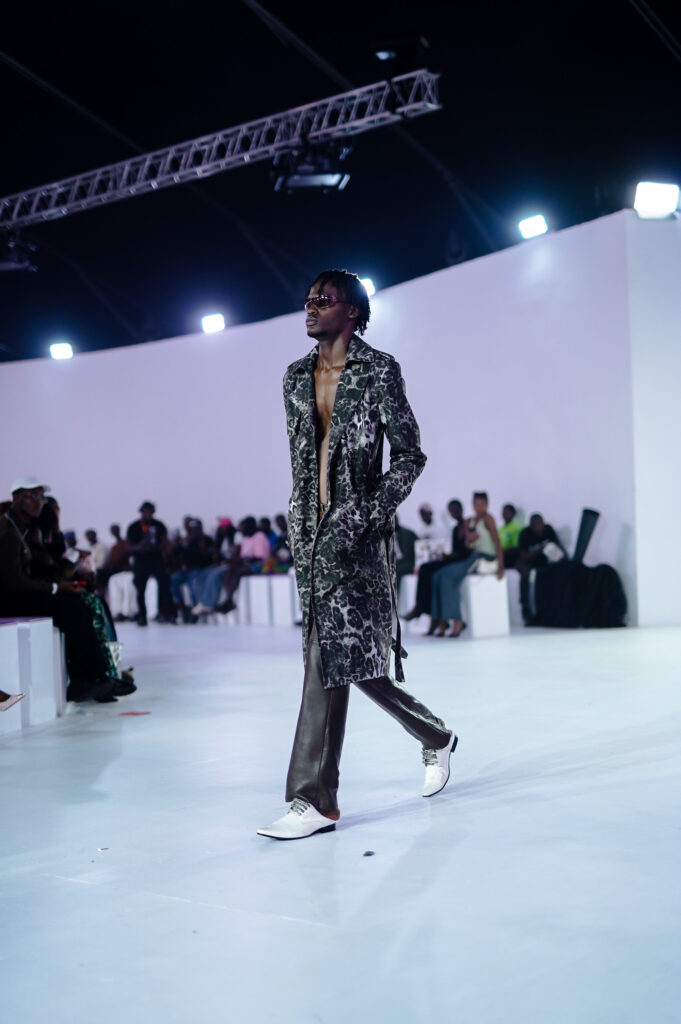
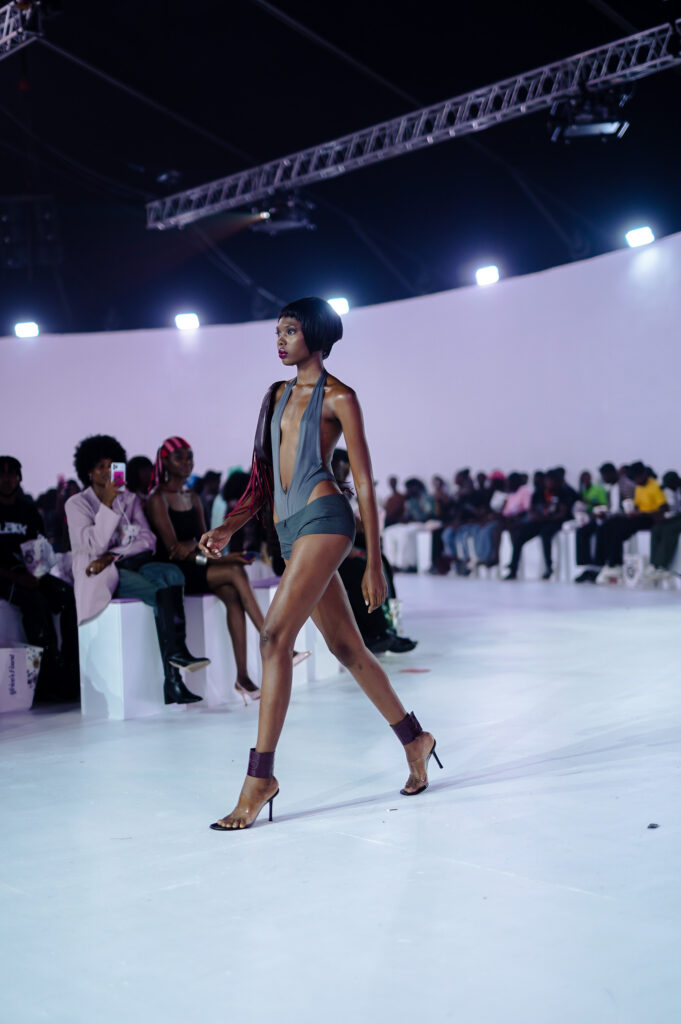
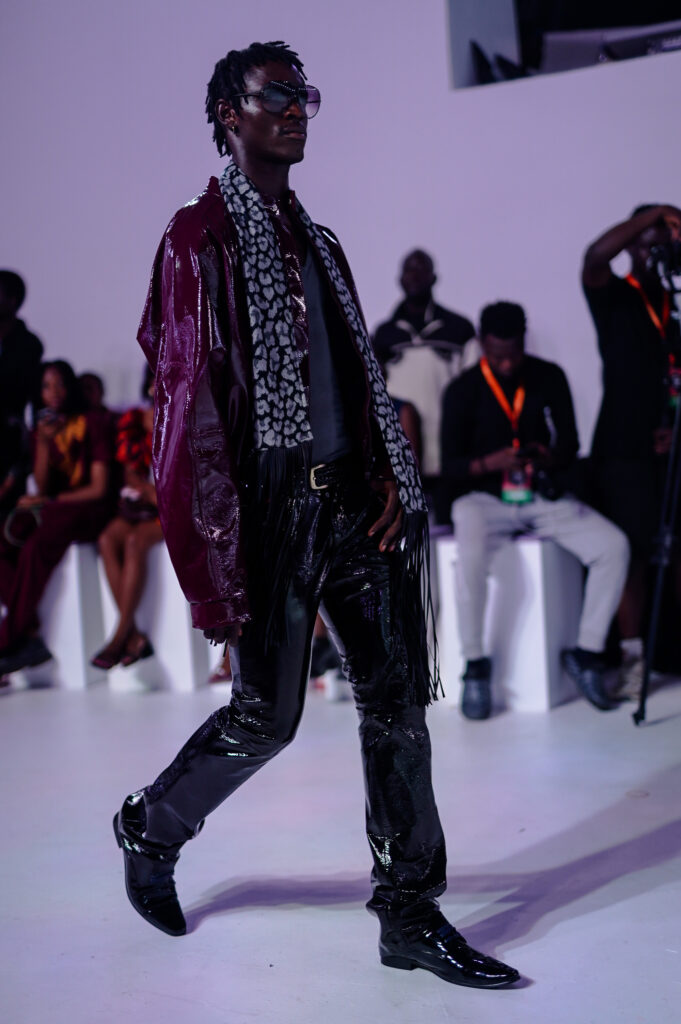
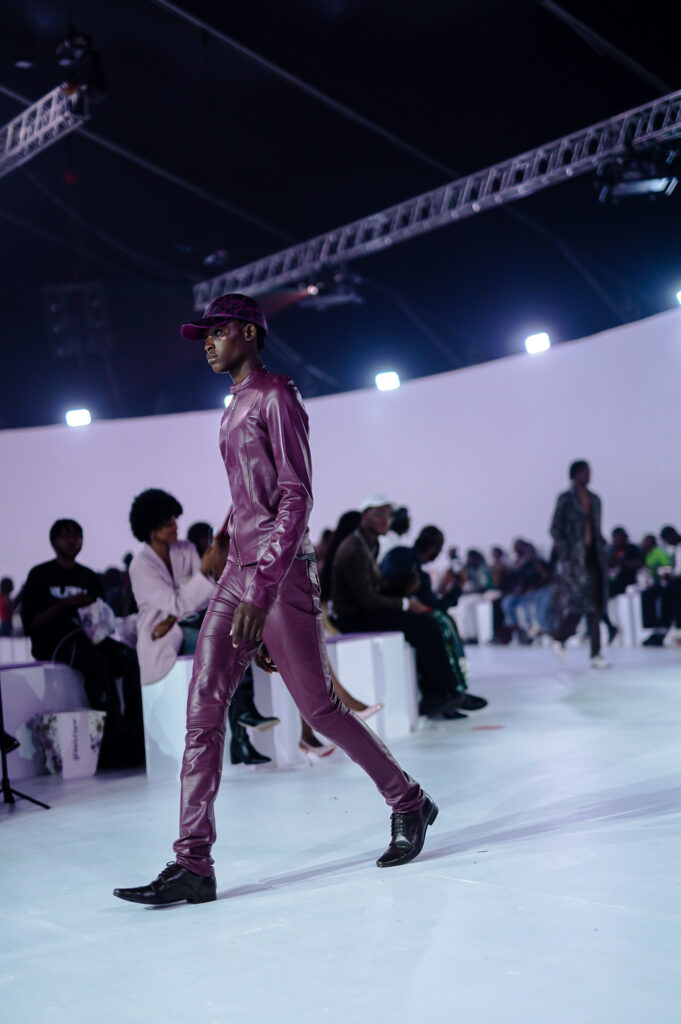
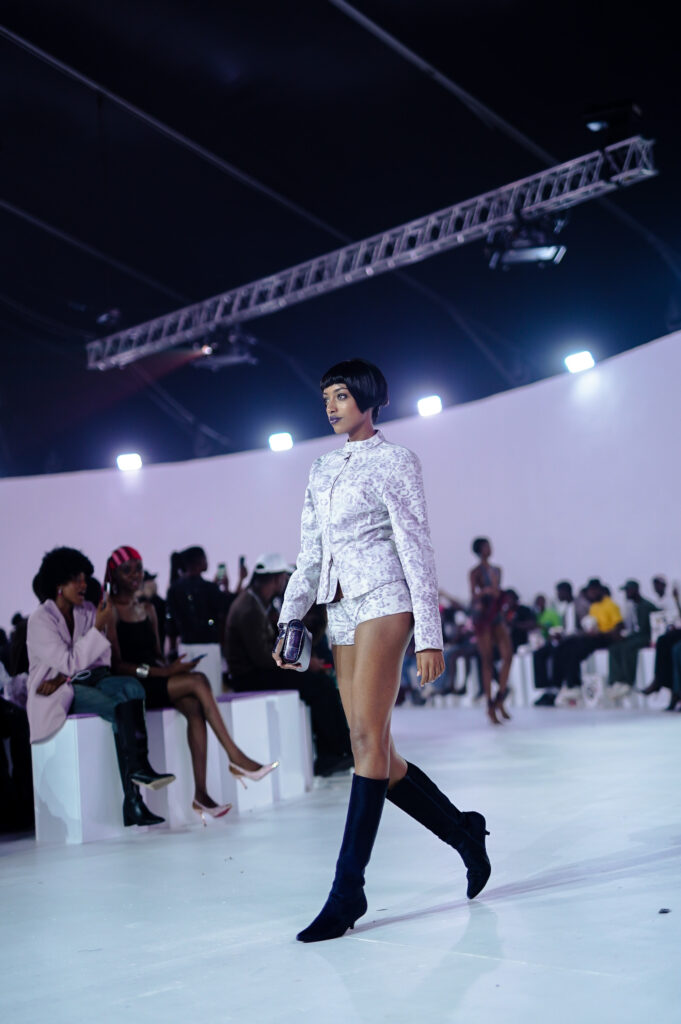
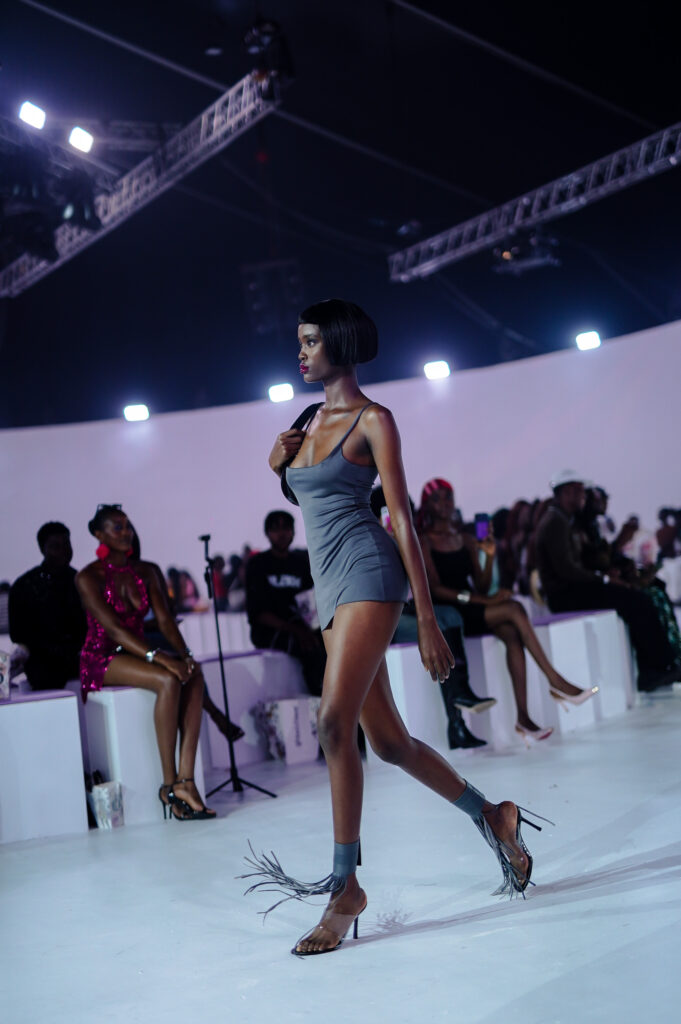
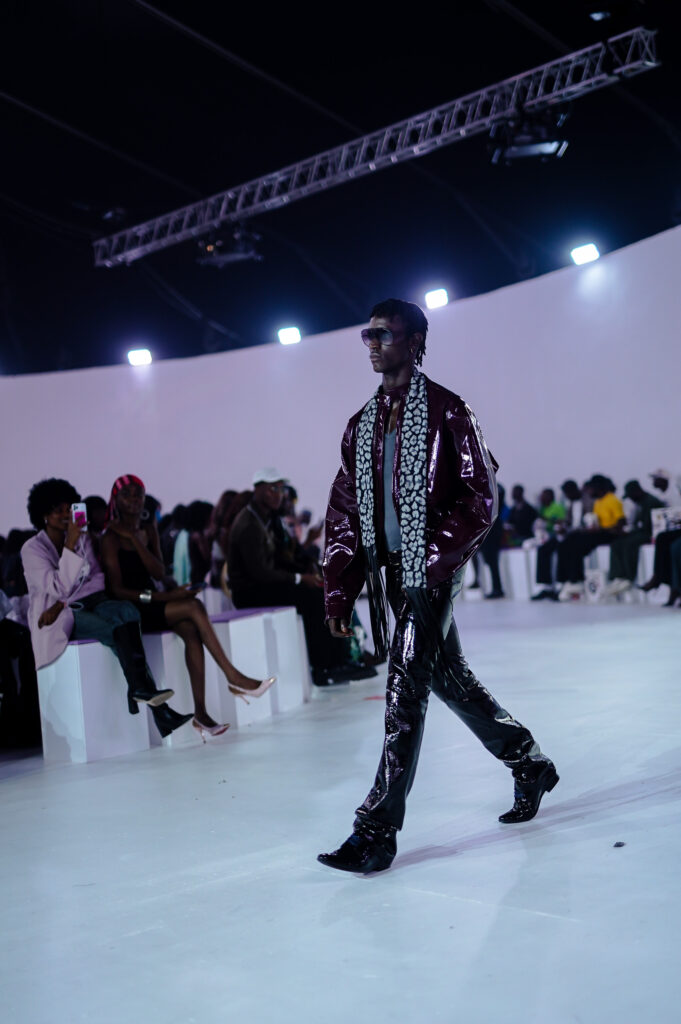
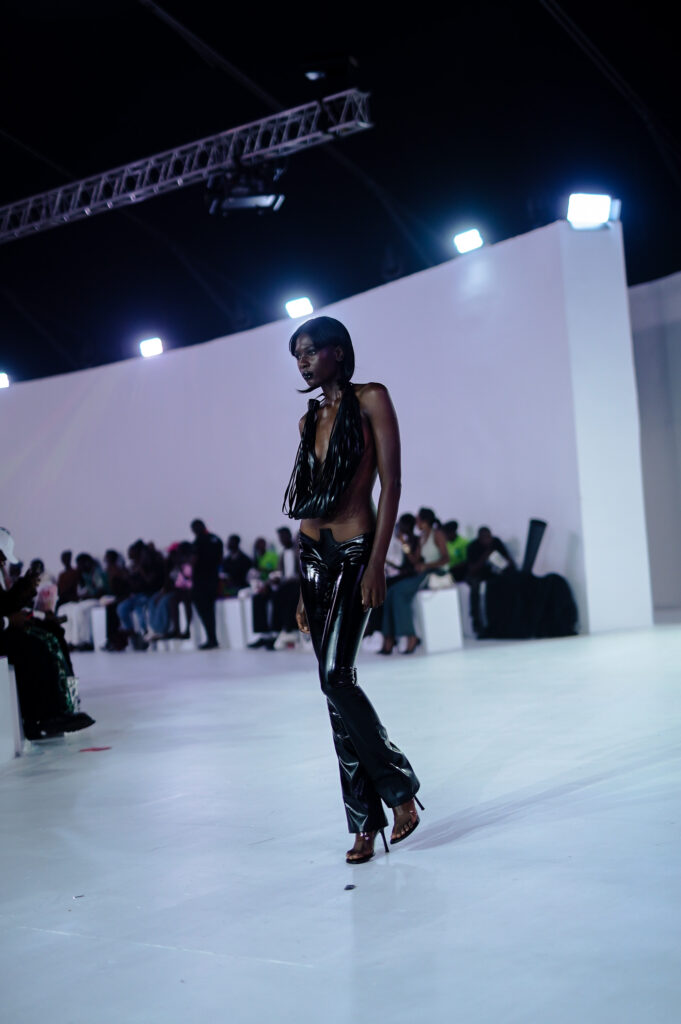
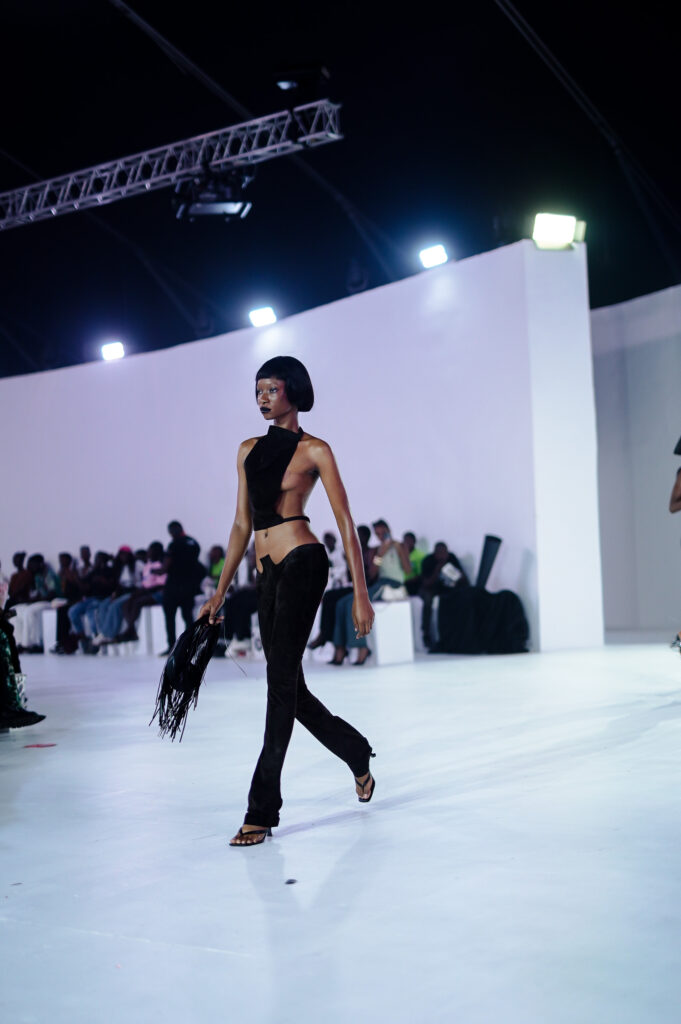
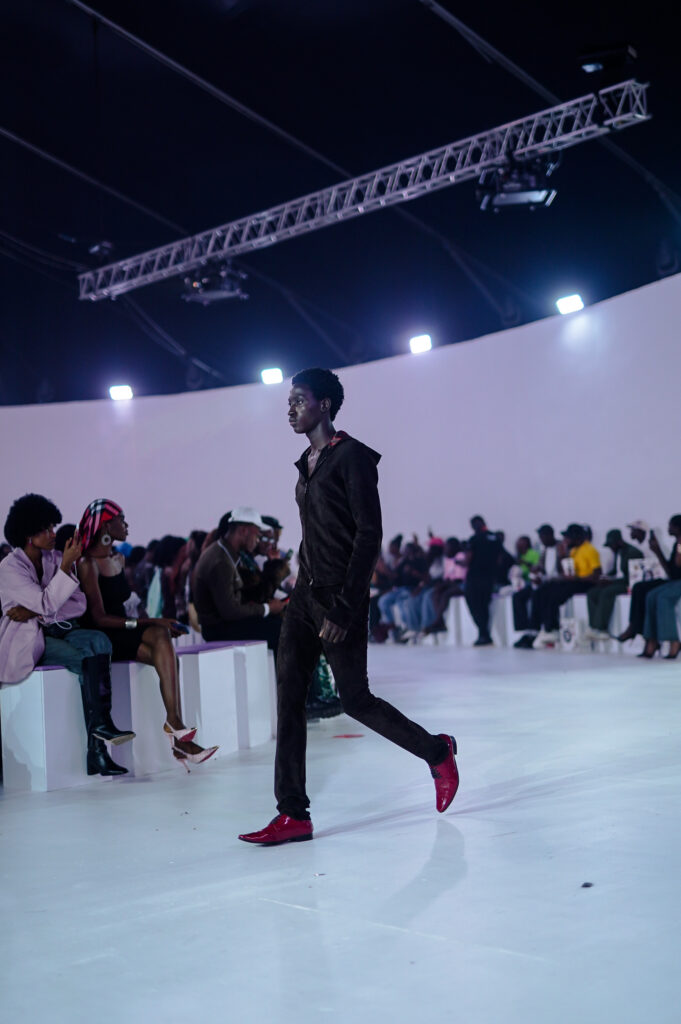
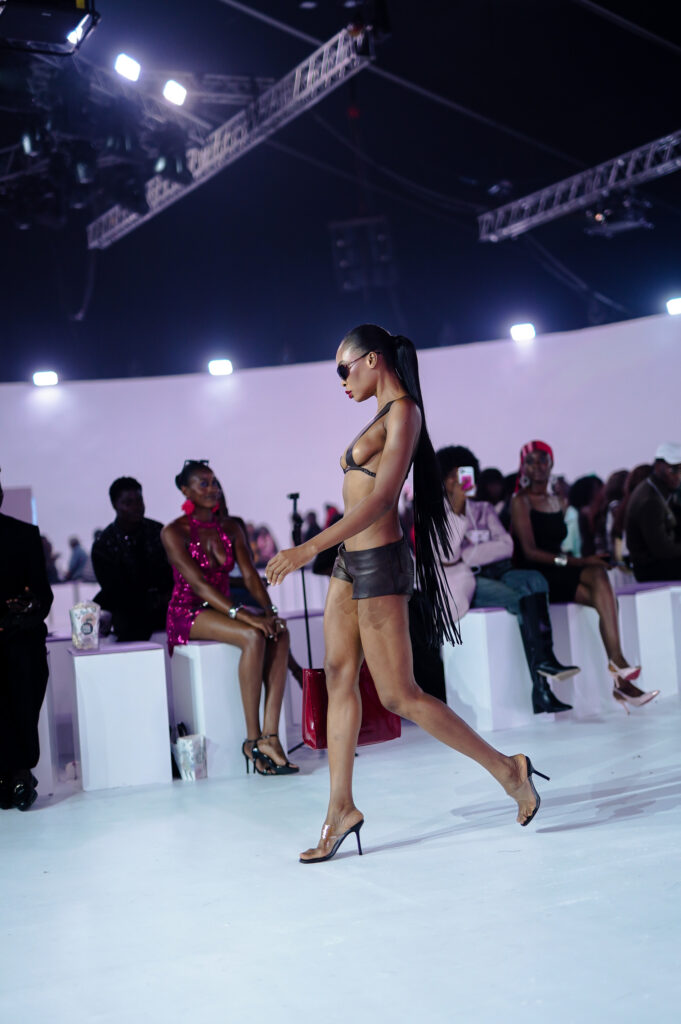
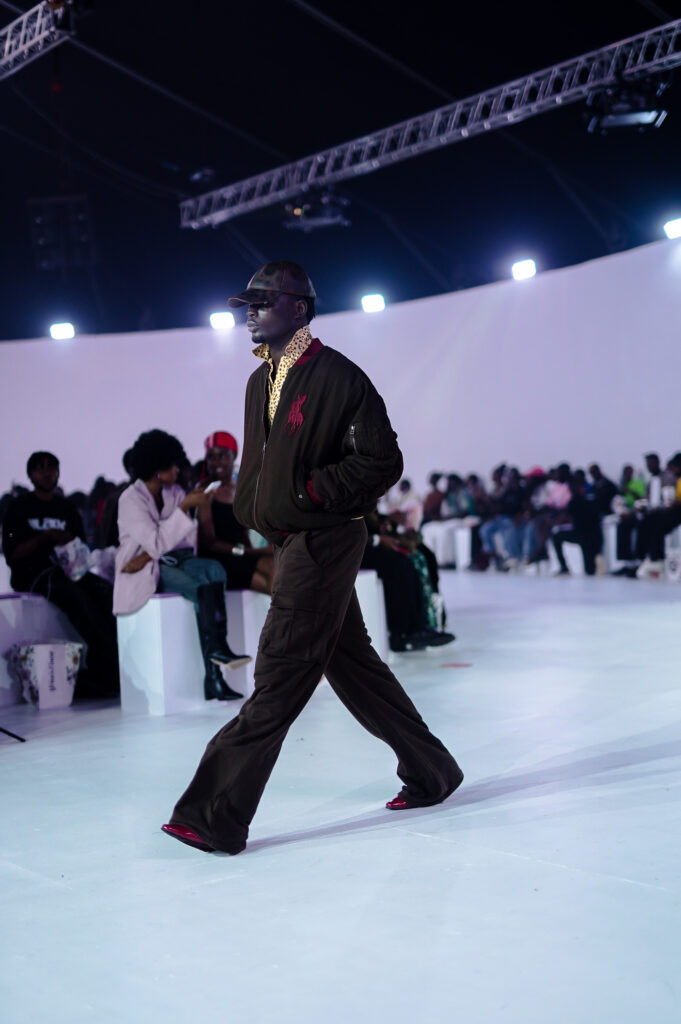
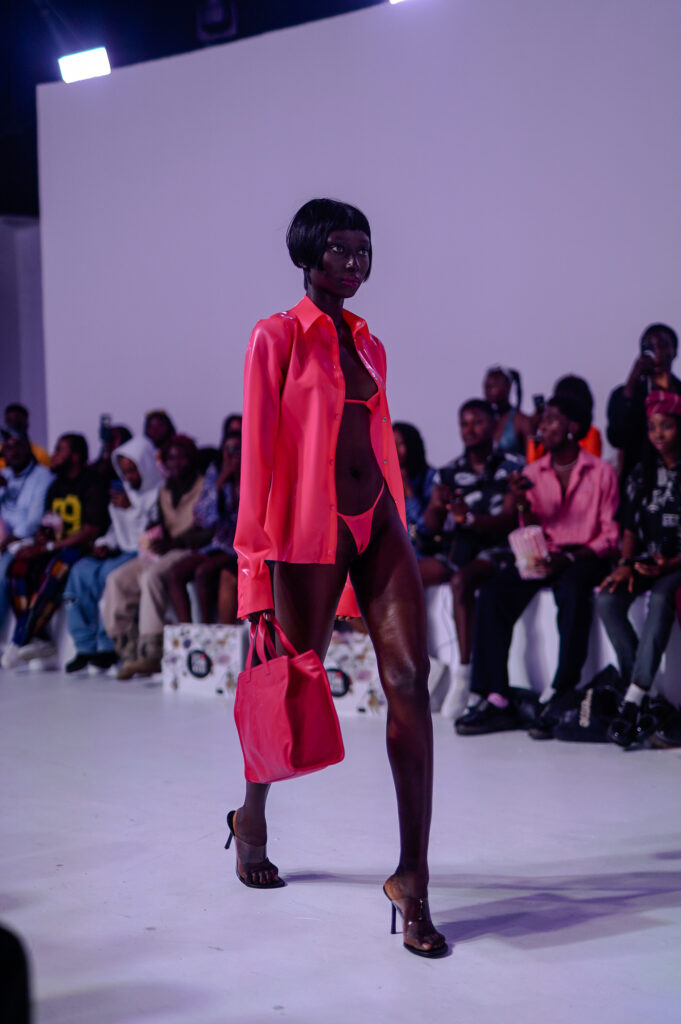
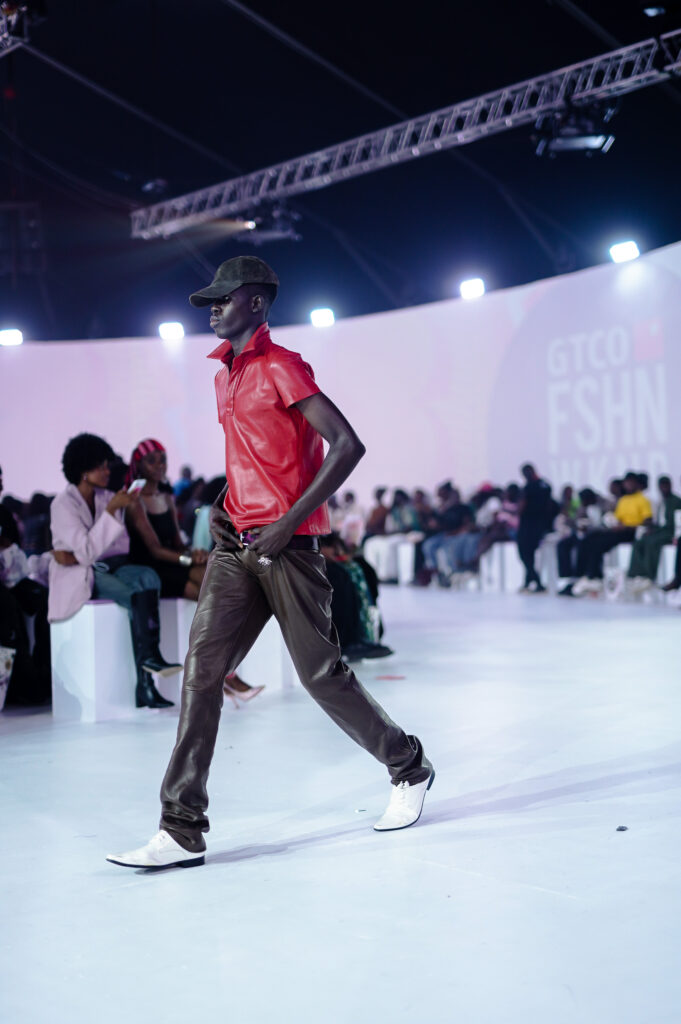
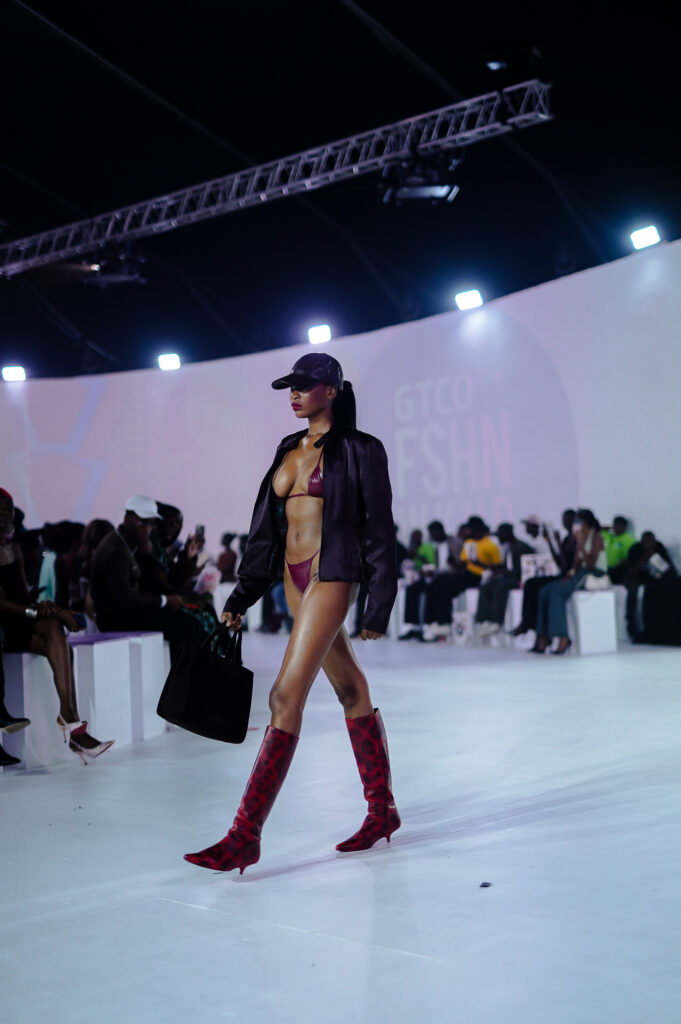
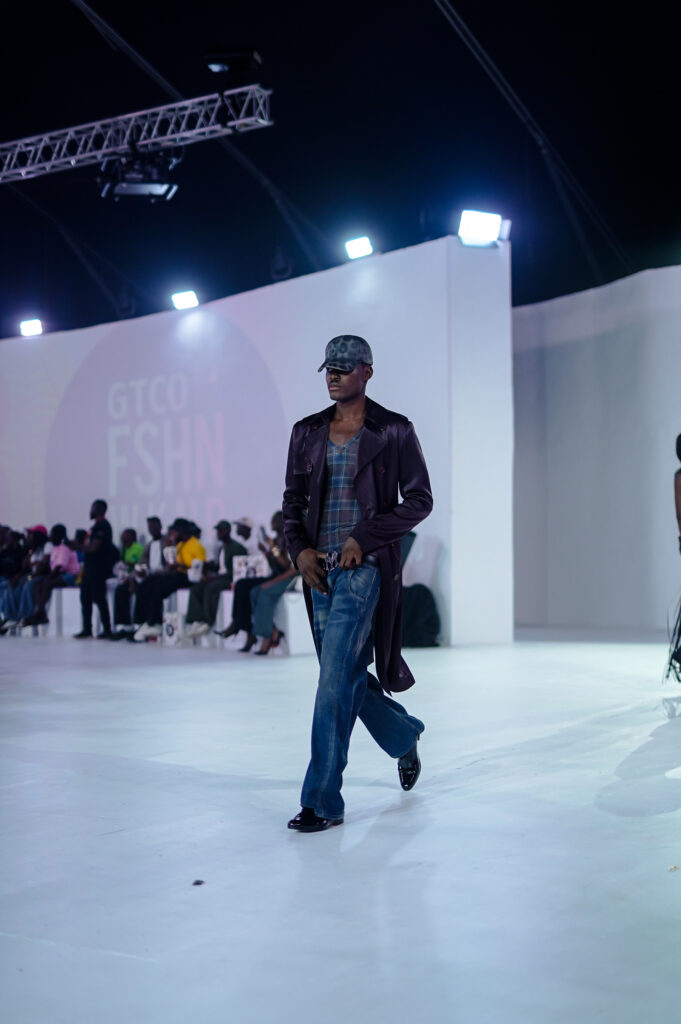
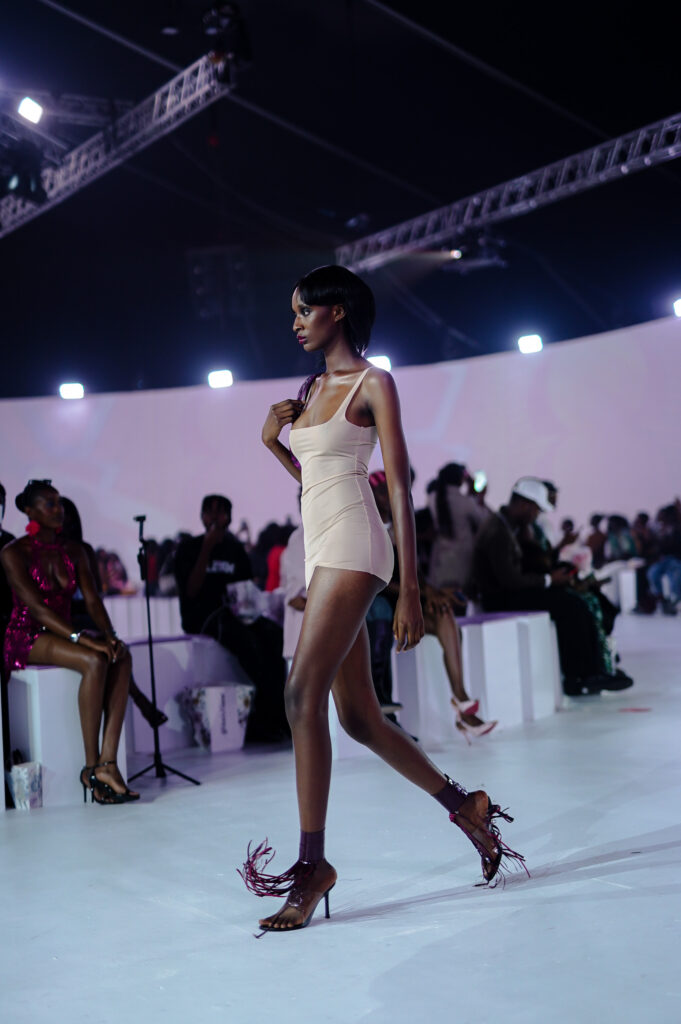
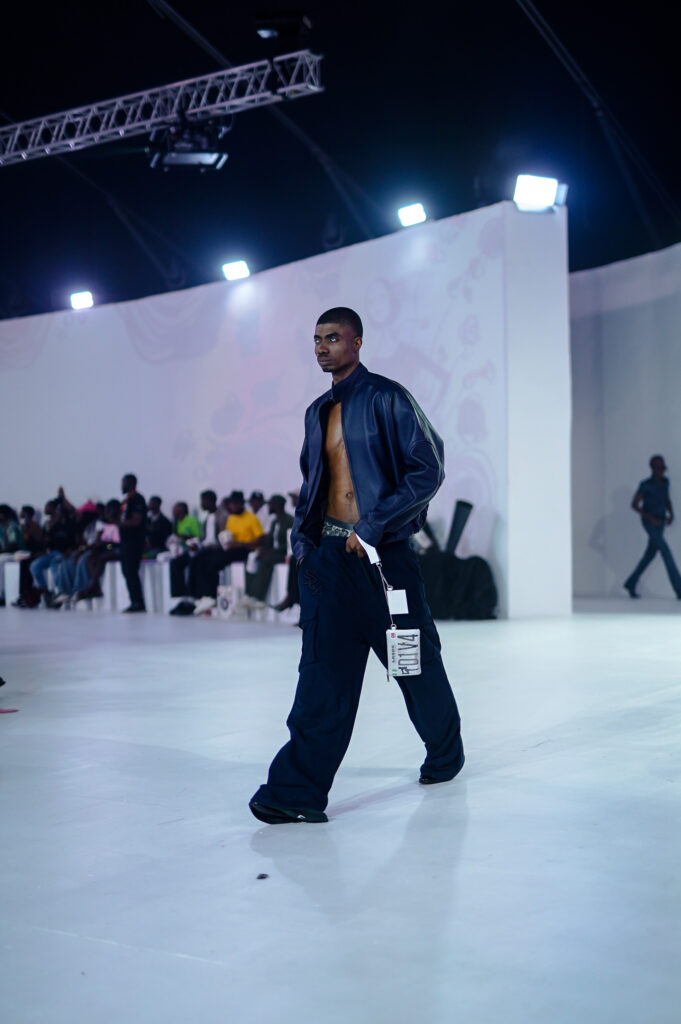
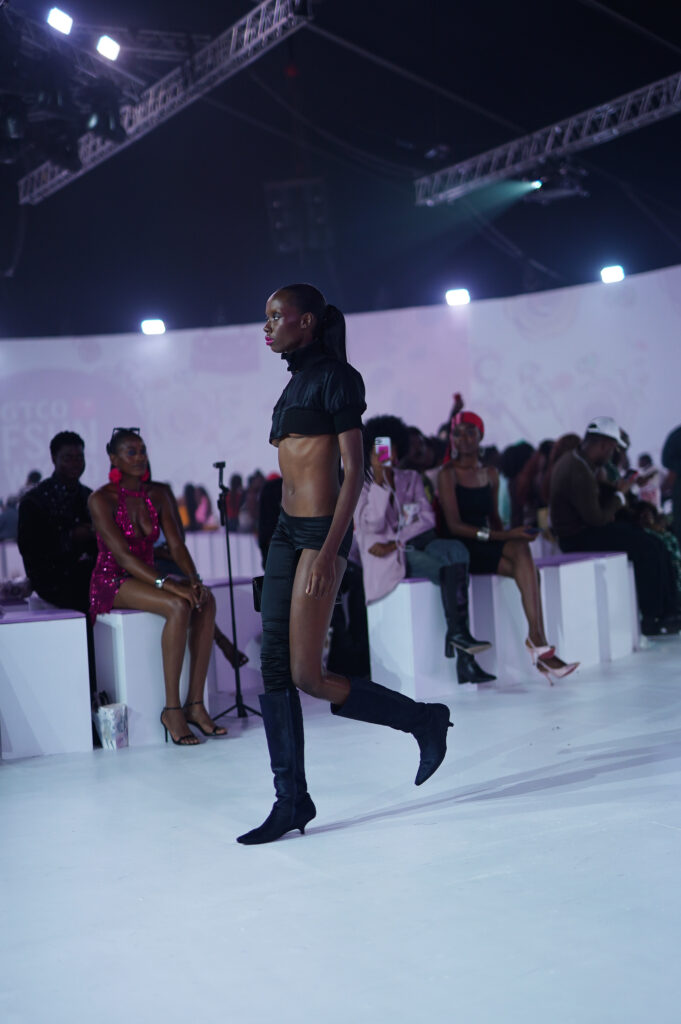
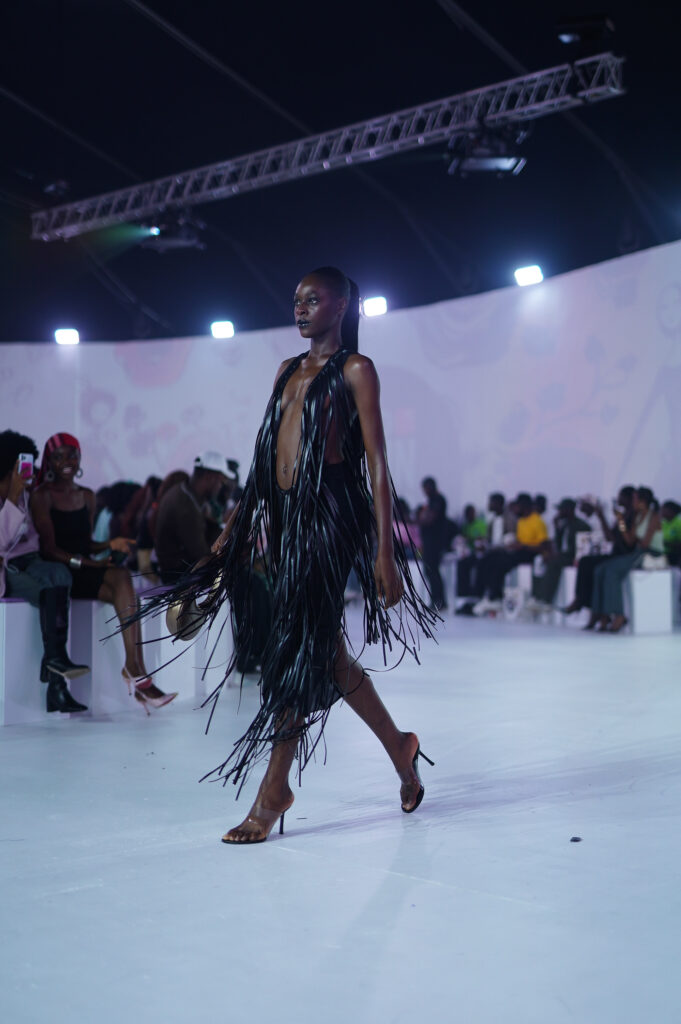
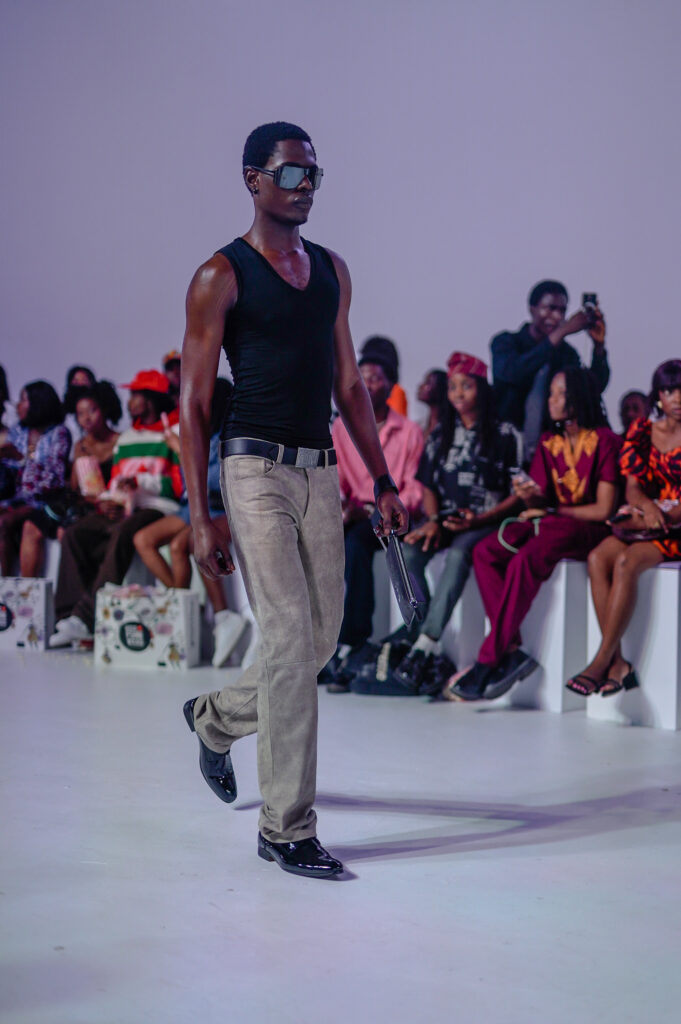
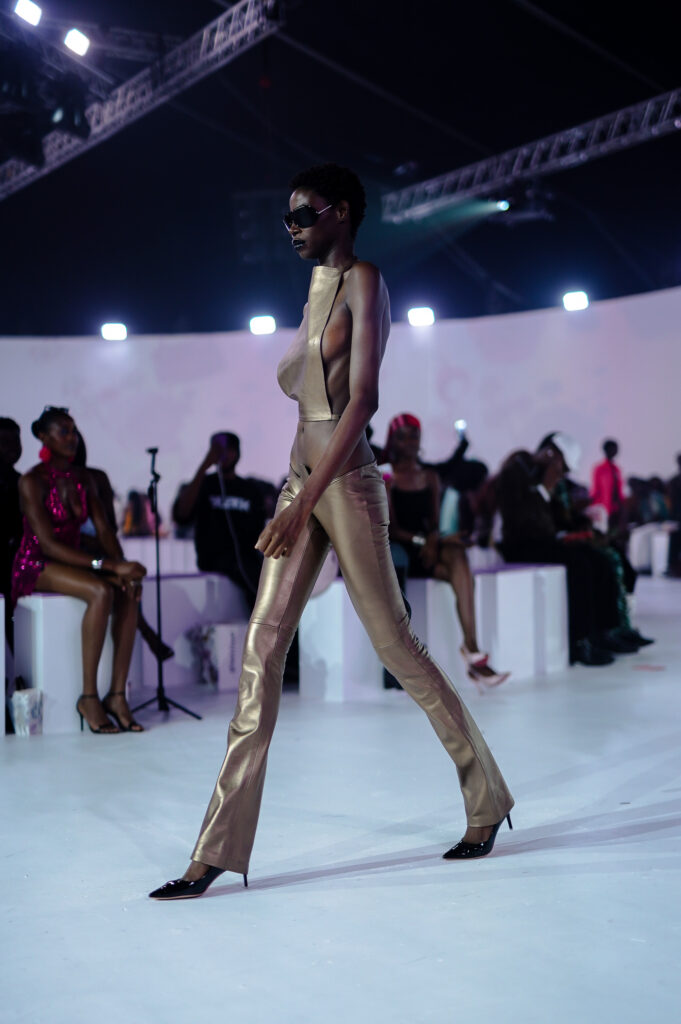
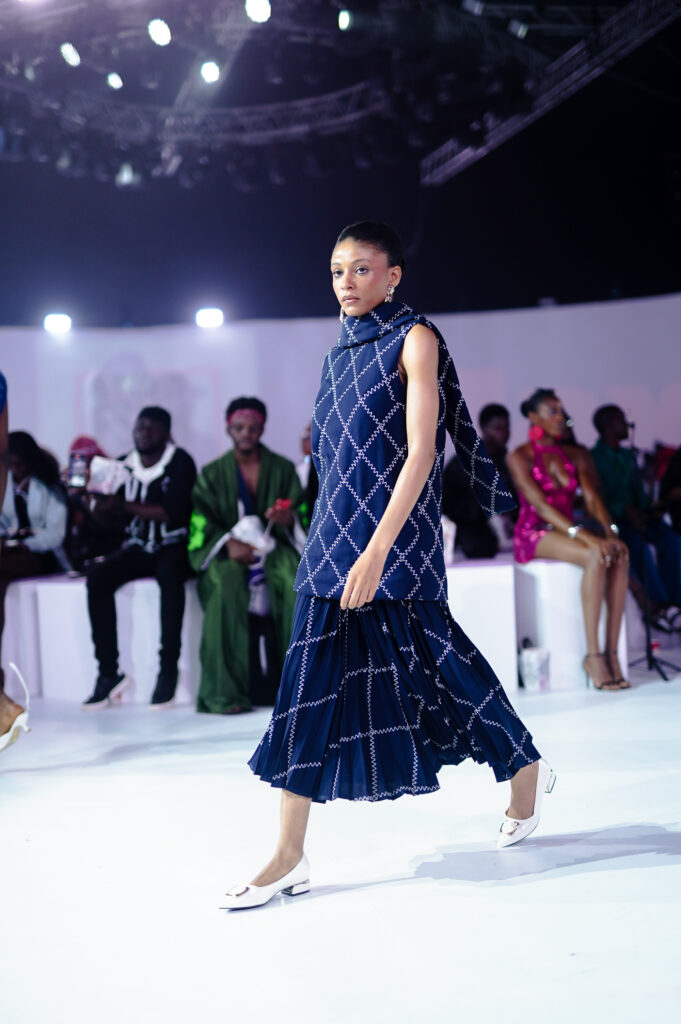
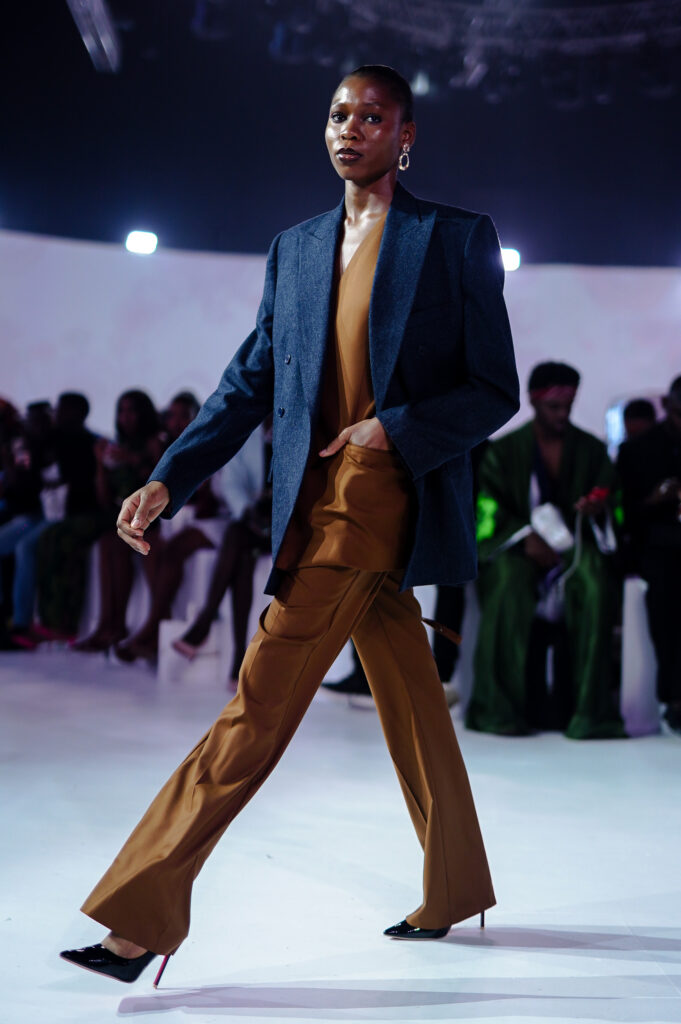
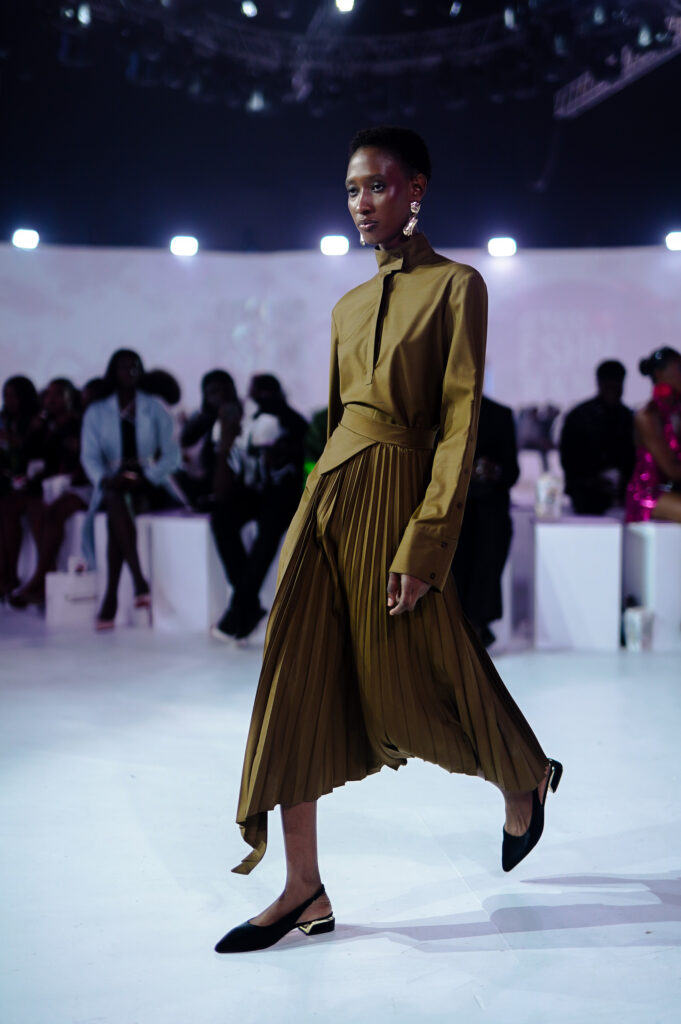
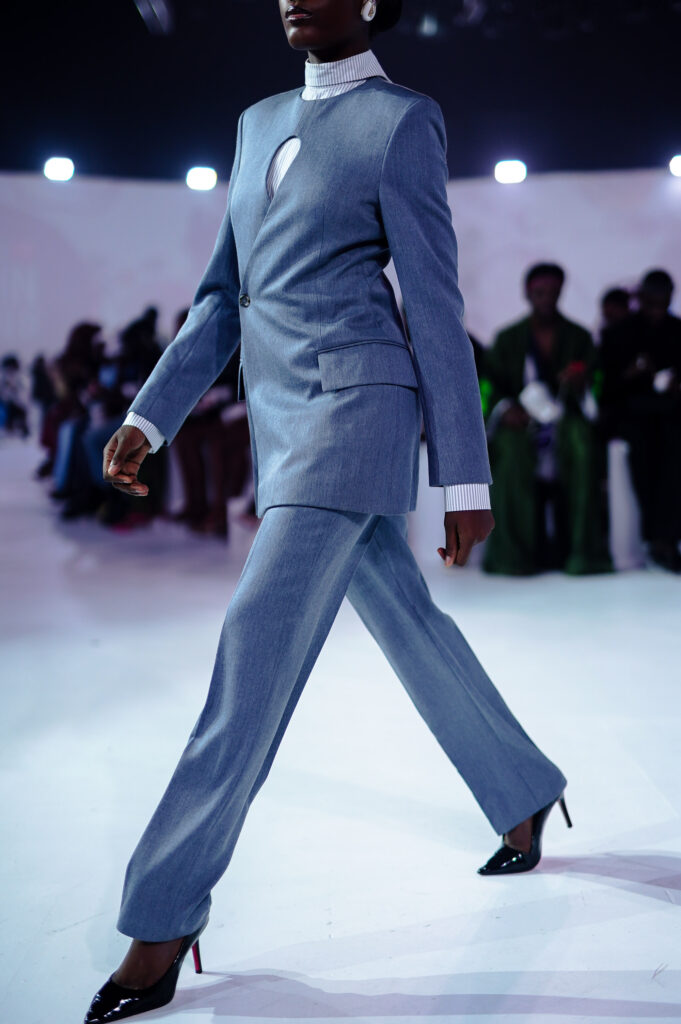
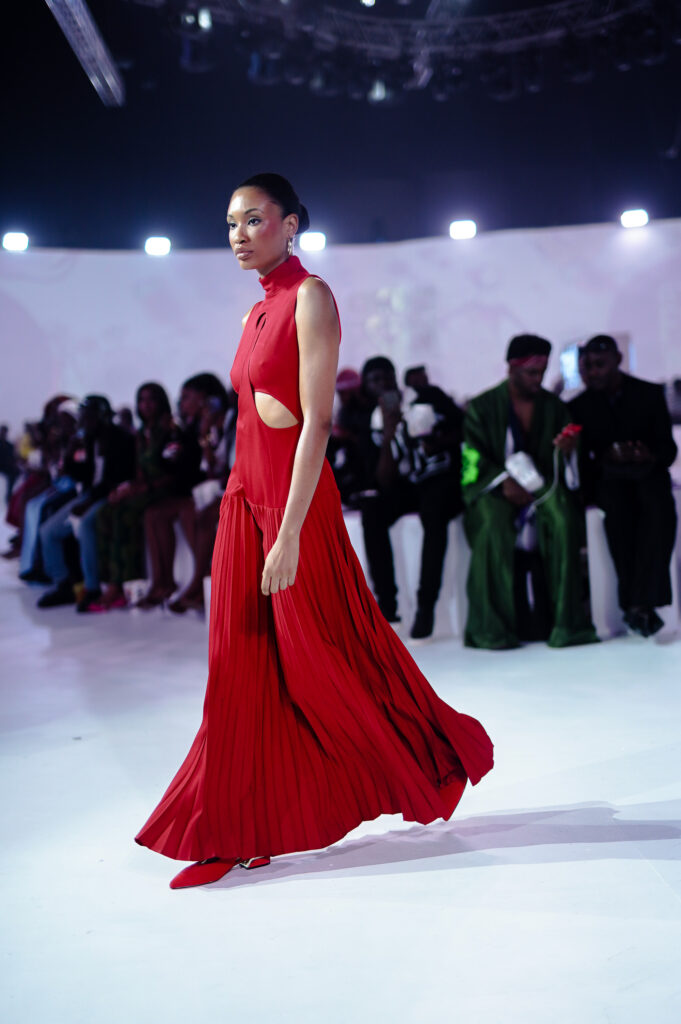
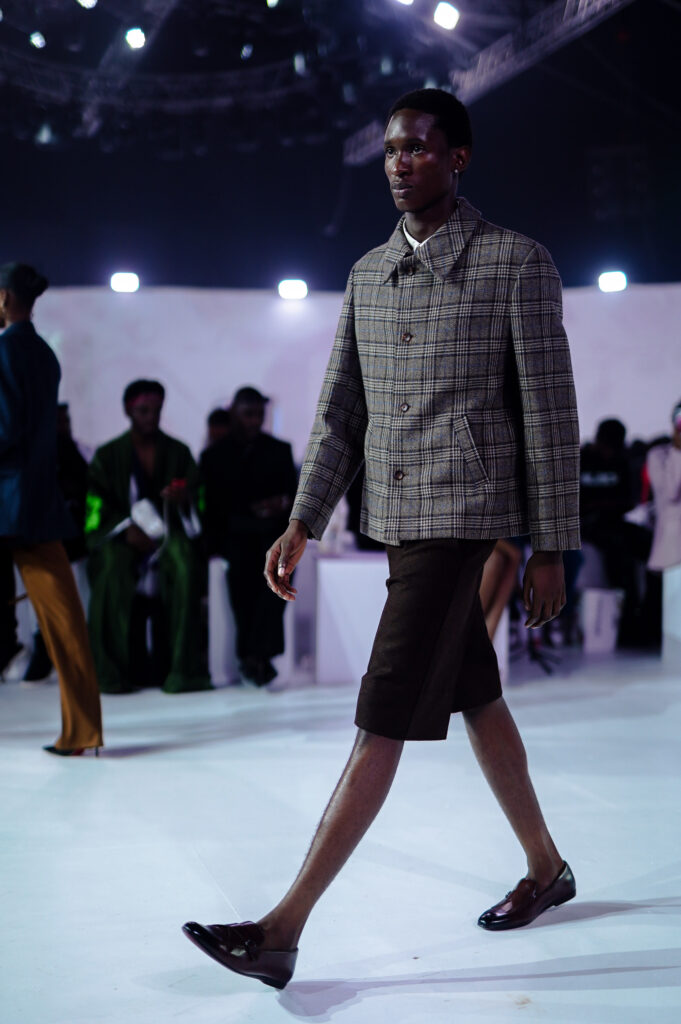
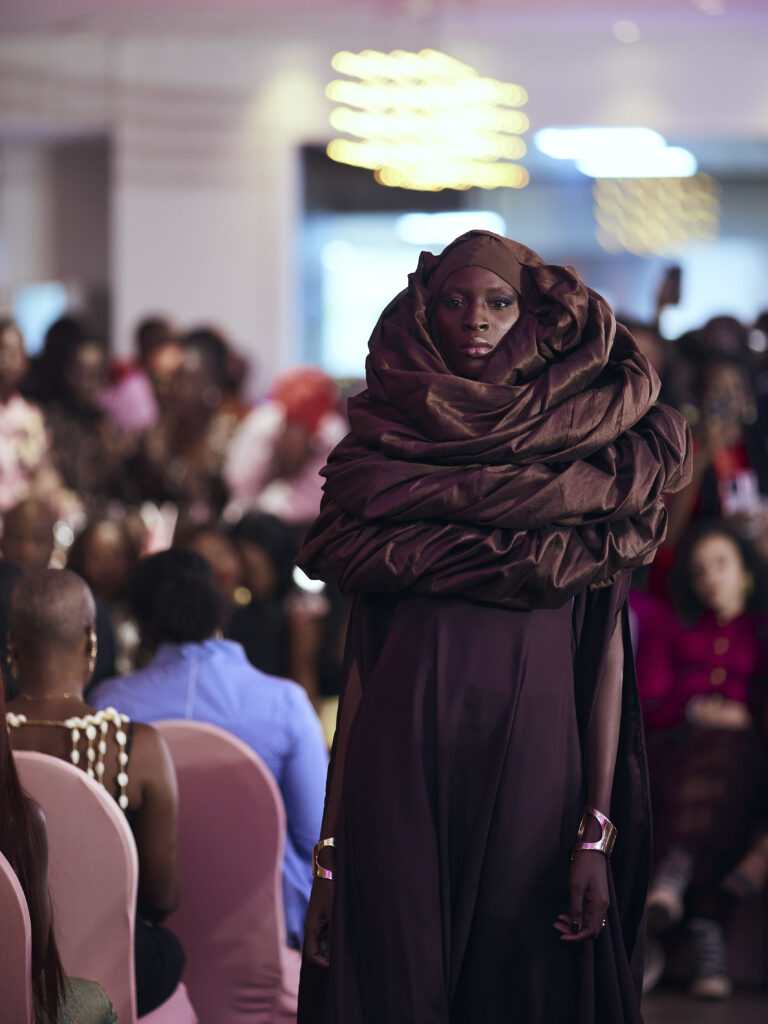
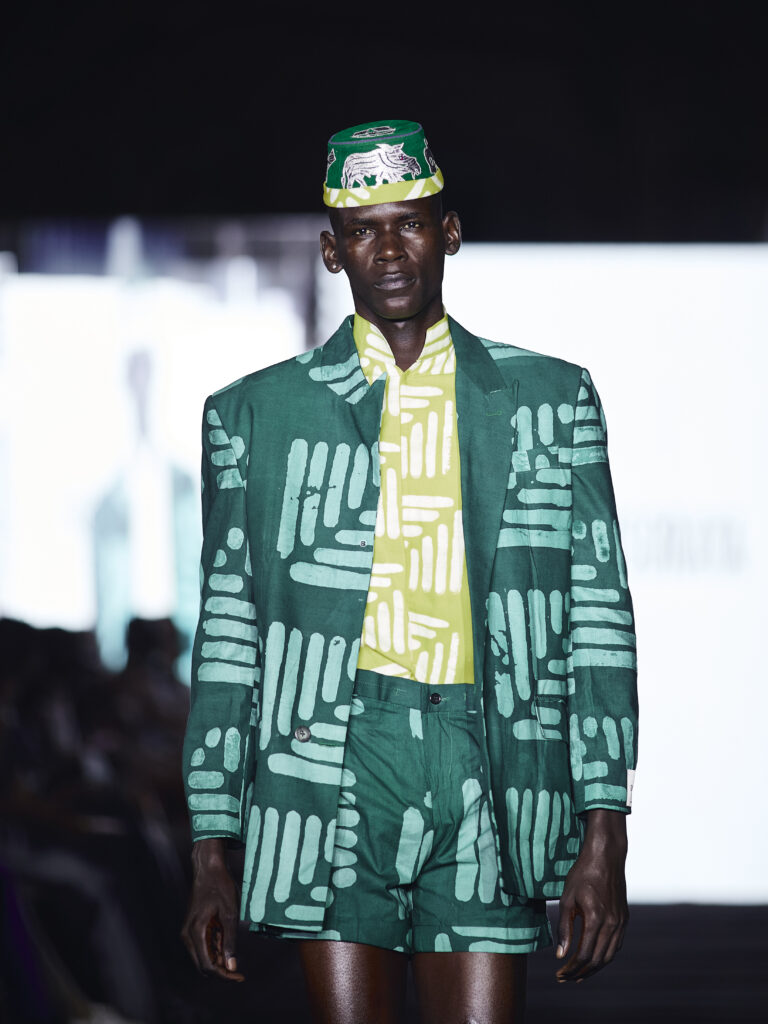
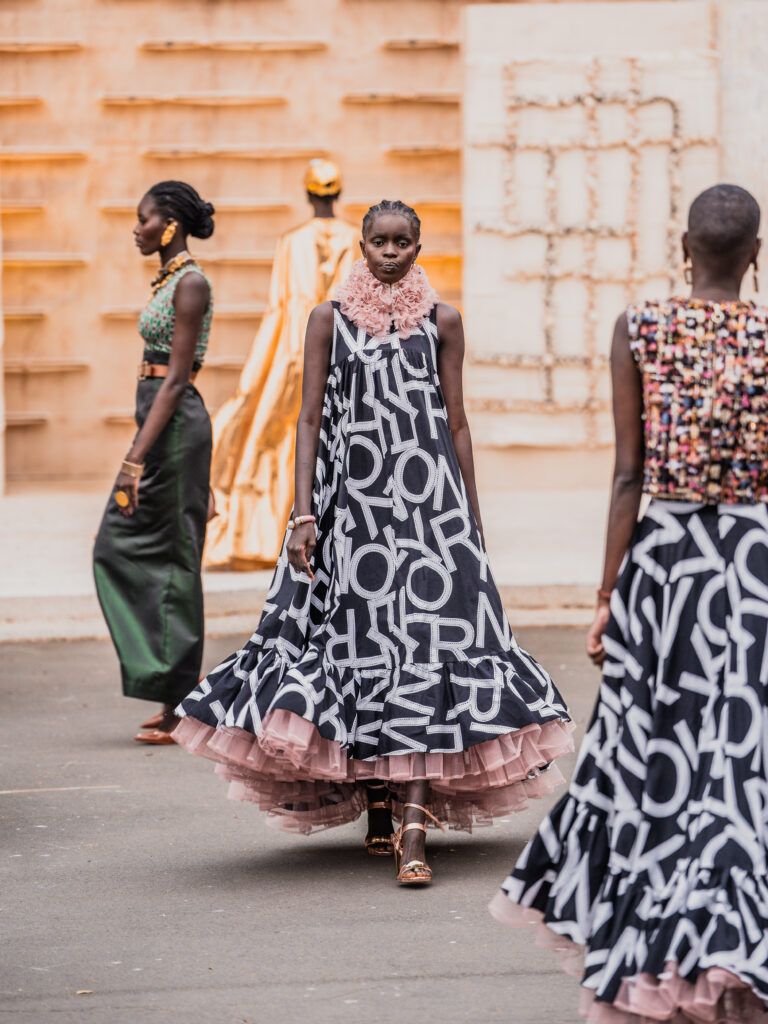
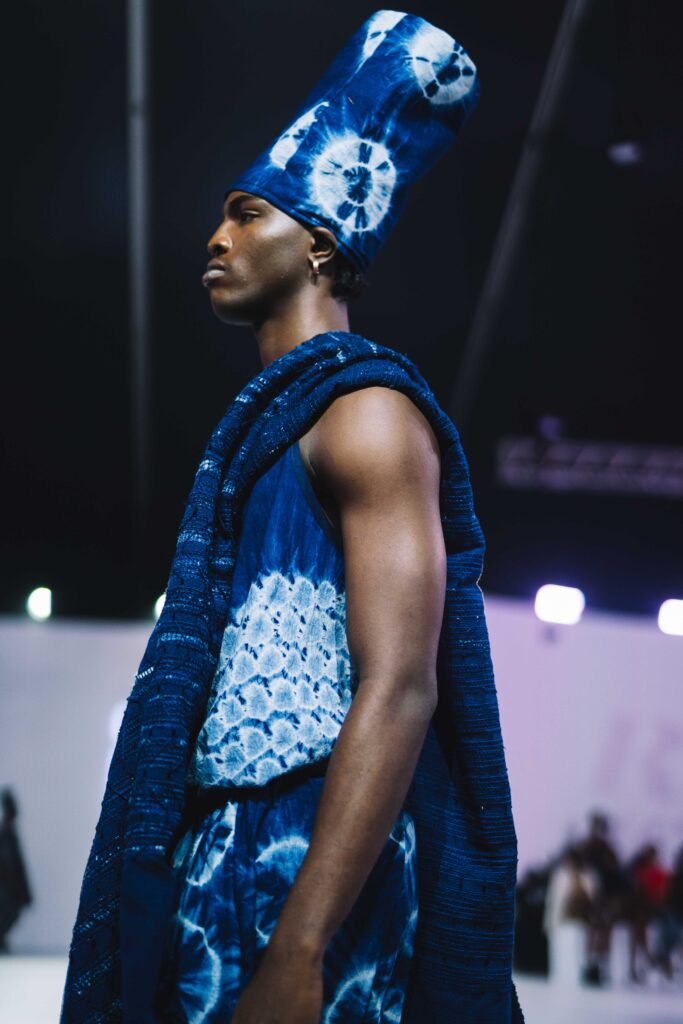
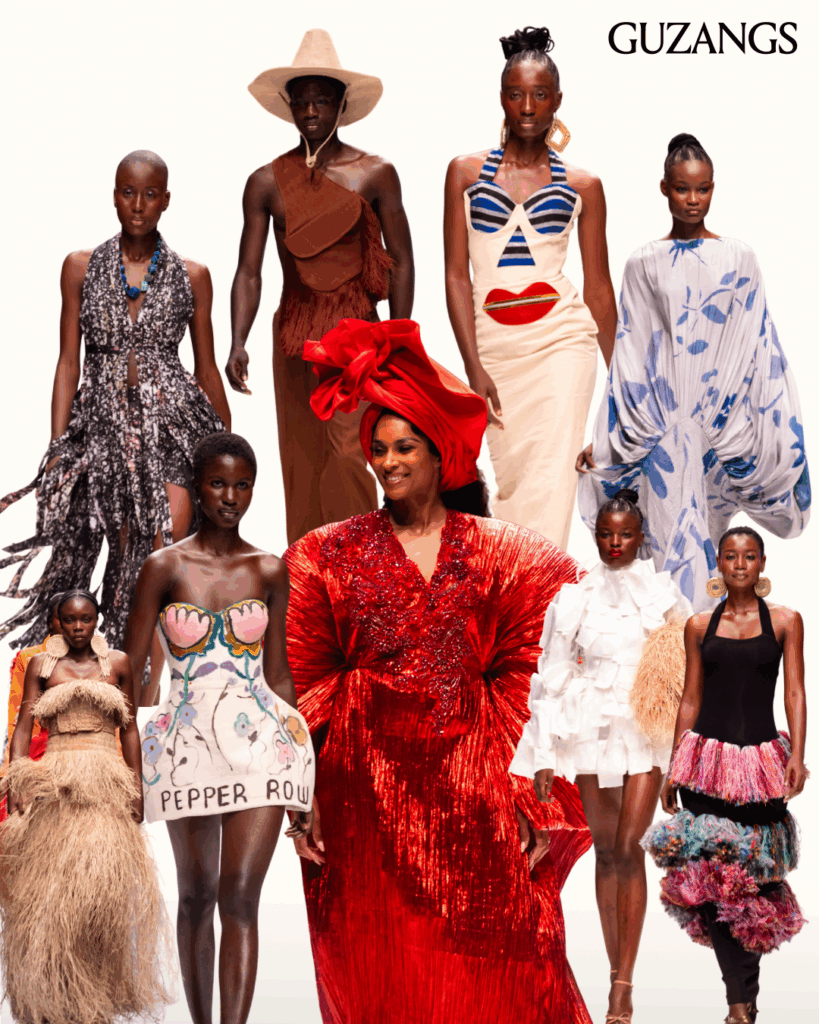
Keep scrolling to view stunning runway looks from the GTCO Fashion Weekend.
For eight years, GTCO Fashion Weekend has operated as both trade fair and runway platform. What began as a bank-sponsored initiative has become a testing ground for how corporate institutions can support creative economies while maintaining public access.
The 2025 edition brought 130 fashion retailers to Water Corporation Drive in Lagos. The event is free to attend, unusual for a fashion week with international designer lineups.
Building Infrastructure
Sola Oyebade, founder of Mahogany International, has produced the event’s runway shows since inception. His involvement reveals GTCO’s scale and its role as workforce incubator.
“GTCO Fashion Weekend makes significant contributions in two main areas: economic and cultural,” Oyebade tells Guzangs. “Economically, the event serves as a job engine for the creative sector. Each year we work with 120 to 150 models, alongside a production crew of over 70 people.”
The early years required building capacity from scratch. “I invested significantly in training and mentorship, teaching young teams the technical skills of show calling, timing, and backstage protocol. Many of those trainees are now leaders in the industry. The formative years were hard work but it forced us to invent a production model for the continent that combined creative storytelling with international precision,” Oyebade says.
That infrastructure now supports programming that includes masterclasses with international fashion professionals and presentations from emerging designers alongside established names.
The 2025 Runway
Twelve designers presented collections over two days. Six others staged presentations.
Tongoro — Senegalese designer Sarah Diouf showed sculptural velvet pieces with cowrie shell detailing and headwraps.
Tia Adeola — The Lagos-born, New York-based designer’s “From Lagos With Love” collection included sheer dresses with ruffle details, monogram T-shirts, and coordinated separates.
Imane Ayissi — The Paris Haute Couture Week designer presented signature taffeta silhouettes with raffia and floral embroidery.
Patrick McDowell — The London-based designer, known for sustainable fashion advocacy, showed structured eveningwear in bold prints.
Stella Jean — The Italian-Haitian designer’s collection featured printed textiles and draped silhouettes.
Charles Harbison — The New York-based designer presented voluminous dresses and tailored menswear.
The designer lineup reflected GTCO’s positioning: established African and diaspora designers alongside international names with Africa-focused practices.
Corporate Investment in Creative Infrastructure
GTCO’s eight-year commitment raises questions about corporate involvement in creative industries. The bank subsidizes an open-access platform that employs nearly 200 people annually and provides market access for small fashion businesses. The model suggests institutional partnership can support creative infrastructure without compromising access.
The event closed with fireworks above the Lagos skyline and over a thousand attendees on the fairgrounds.
Photos: Olaniyan Oluwapelumi